
Winter’s breathtaking beauty often masks treacherous conditions that can transform routine travel into life-threatening emergencies, challenging both individuals and rescue teams.

❄️ When Winter Wonderland Becomes a Survival Challenge
The serene landscape of freshly fallen snow, glistening ice formations, and frost-covered trees creates picture-perfect scenes that define winter’s charm. However, beneath this picturesque facade lies a stark reality that emergency responders and winter travelers know all too well. Each year, thousands of people find themselves stranded, injured, or lost in winter conditions that quickly escalate from inconvenient to dangerous.
Emergency mobility during winter months presents unique challenges that test the limits of human ingenuity, technology, and preparedness. From unexpected blizzards on mountain highways to ice storms that paralyze entire cities, winter weather events demand specialized approaches to rescue operations and personal safety strategies.
Understanding these challenges and the heroes who navigate them isn’t just fascinating—it’s potentially life-saving information. Whether you’re a winter sports enthusiast, a professional who must travel regardless of conditions, or simply someone who wants to be prepared, knowing how emergency mobility works in winter conditions is essential knowledge for the modern age.
🚨 The Unique Nature of Winter Emergency Situations
Winter emergencies differ fundamentally from other seasonal crises. The combination of extreme cold, reduced visibility, treacherous terrain, and shortened daylight hours creates a perfect storm of complications that can turn a minor incident into a major catastrophe within minutes.
Time-Critical Factors in Cold Weather Emergencies
Hypothermia can set in within 30 minutes when someone is exposed to frigid temperatures without adequate protection. This compressed timeline means that emergency response teams must operate with exceptional speed and efficiency. Unlike summer emergencies where victims might survive for hours or even days, winter conditions create urgency that allows for minimal margin of error.
Frostbite adds another layer of complexity, potentially causing permanent damage to extremities in as little as 15 minutes when temperatures plummet below freezing with wind chill factors. Emergency responders must not only reach victims quickly but also provide immediate warming interventions to prevent long-term complications.
Environmental Obstacles to Rescue Operations
Snow accumulation transforms familiar landscapes into obstacle courses. Roads become impassable, landmarks disappear under white blankets, and traditional navigation methods fail when everything looks the same. Emergency vehicles designed for standard conditions often struggle or fail completely in deep snow, requiring specialized equipment that many jurisdictions lack.
Ice presents equally daunting challenges. Black ice—virtually invisible on roadways—causes accidents that themselves require emergency response while simultaneously making it dangerous for rescue teams to approach. Frozen bodies of water create deceptive hazards where ice thickness varies unpredictably, and what appears solid may collapse without warning.
🚑 Modern Technology Revolutionizing Winter Rescue
Today’s emergency responders have access to technological tools that previous generations could only imagine. These innovations have dramatically improved survival rates and rescue success in winter emergencies.
GPS and Satellite Communication Systems
Global positioning technology has transformed search and rescue operations. When someone calls for help from a smartphone, emergency services can pinpoint their location with remarkable accuracy, even in remote wilderness areas. Satellite messengers and personal locator beacons provide lifelines for backcountry travelers who venture beyond cellular coverage.
Modern emergency apps integrate weather data, topographical maps, and real-time location sharing, allowing both individuals and rescue teams to make informed decisions. These applications can automatically alert emergency services when unusual movement patterns suggest an accident or when a user fails to check in as planned.
Thermal Imaging and Drone Technology
Thermal imaging cameras detect body heat through snow and darkness, enabling rescue teams to locate victims who would be invisible to the naked eye. When mounted on drones, these cameras can survey vast areas quickly, dramatically reducing search times and increasing the likelihood of successful rescues.
Drones equipped with specialized sensors can also assess avalanche debris, identify the safest approach routes for ground teams, and even deliver emergency supplies to stranded individuals while full rescue operations are being coordinated. This technology is particularly valuable during the critical first hours when survival chances are highest but conditions may prevent immediate physical access.
🏔️ Avalanche Response: Racing Against Catastrophe
Avalanches represent one of winter’s most devastating emergencies, burying victims under tons of snow and leaving rescue teams with a narrow window of opportunity. Statistics show that survival rates drop dramatically after 15 minutes of burial, making avalanche response one of the most time-sensitive operations in emergency services.
Avalanche Beacon Technology
Modern avalanche transceivers have evolved into sophisticated devices that allow buried individuals to be located within minutes rather than hours. These beacons continuously transmit signals that can be detected by rescuers’ receivers, providing directional guidance and distance information that narrows search areas dramatically.
Professional ski patrols and backcountry rescue teams conduct regular training exercises to maintain proficiency with these devices. The difference between a successful rescue and a recovery operation often comes down to how quickly and effectively rescuers can use their avalanche safety equipment.
Organized Response Systems
Mountain communities have developed comprehensive avalanche response protocols that involve coordination between ski patrols, search and rescue teams, helicopter services, and medical facilities. These systems include pre-positioned equipment caches, designated landing zones for helicopters, and established communication channels that eliminate confusion during critical moments.
Rescue dogs trained specifically for avalanche work provide capabilities that technology cannot replicate. These canines can detect human scent even through several feet of compressed snow, and their ability to work in conditions that ground electronic equipment often makes them invaluable team members.
🚗 Vehicle-Related Winter Emergencies
Thousands of motorists find themselves stranded on winter roads each year, facing situations that range from temporary inconvenience to genuine survival challenges. Understanding how emergency systems respond to these situations—and how individuals can improve their own outcomes—is crucial winter knowledge.
Stranded on Remote Highways
When vehicles become disabled on isolated roadways during winter storms, occupants face difficult decisions. Should they remain with the vehicle or attempt to walk for help? How long can they safely run the engine for heat? What signals will help rescuers locate them?
Emergency responders universally recommend staying with your vehicle in most situations. Modern vehicles provide shelter from wind and precipitation, and they’re far more visible to rescuers than a person on foot. However, this requires having adequate supplies on board—blankets, water, non-perishable food, and first aid equipment—that many drivers neglect to carry.
Mass Stranding Events
Sudden storms occasionally trap dozens or even hundreds of vehicles simultaneously on major highways. These mass casualty incidents require coordinated responses involving multiple agencies, from highway patrol to National Guard units. Rescue priorities must be established based on medical needs, available resources, and accessibility.
Social media and mobile apps have transformed how these events are managed. Real-time information sharing allows authorities to identify who needs immediate medical attention, coordinate supply deliveries, and keep stranded motorists informed about rescue timelines. This communication capability significantly reduces panic and helps people make better decisions about their immediate circumstances.
🏥 Medical Challenges in Winter Emergency Response
Providing medical care during winter emergencies involves complications that don’t exist in other seasons. Cold affects everything from equipment functionality to patient physiology, requiring specialized knowledge and adapted techniques.
Hypothermia Treatment in Field Conditions
Rewarming hypothermia victims must be done carefully and systematically to avoid complications like afterdrop—a dangerous phenomenon where cold blood from extremities returns to the core, potentially causing cardiac arrest. Emergency medical technicians working in winter conditions must balance the need for rapid warming against these physiological risks.
Portable warming systems, chemical heat packs, and insulated transport equipment have improved field treatment capabilities dramatically. However, the most sophisticated equipment means nothing without proper training and regular practice in realistic winter conditions.
Extended Transport Times
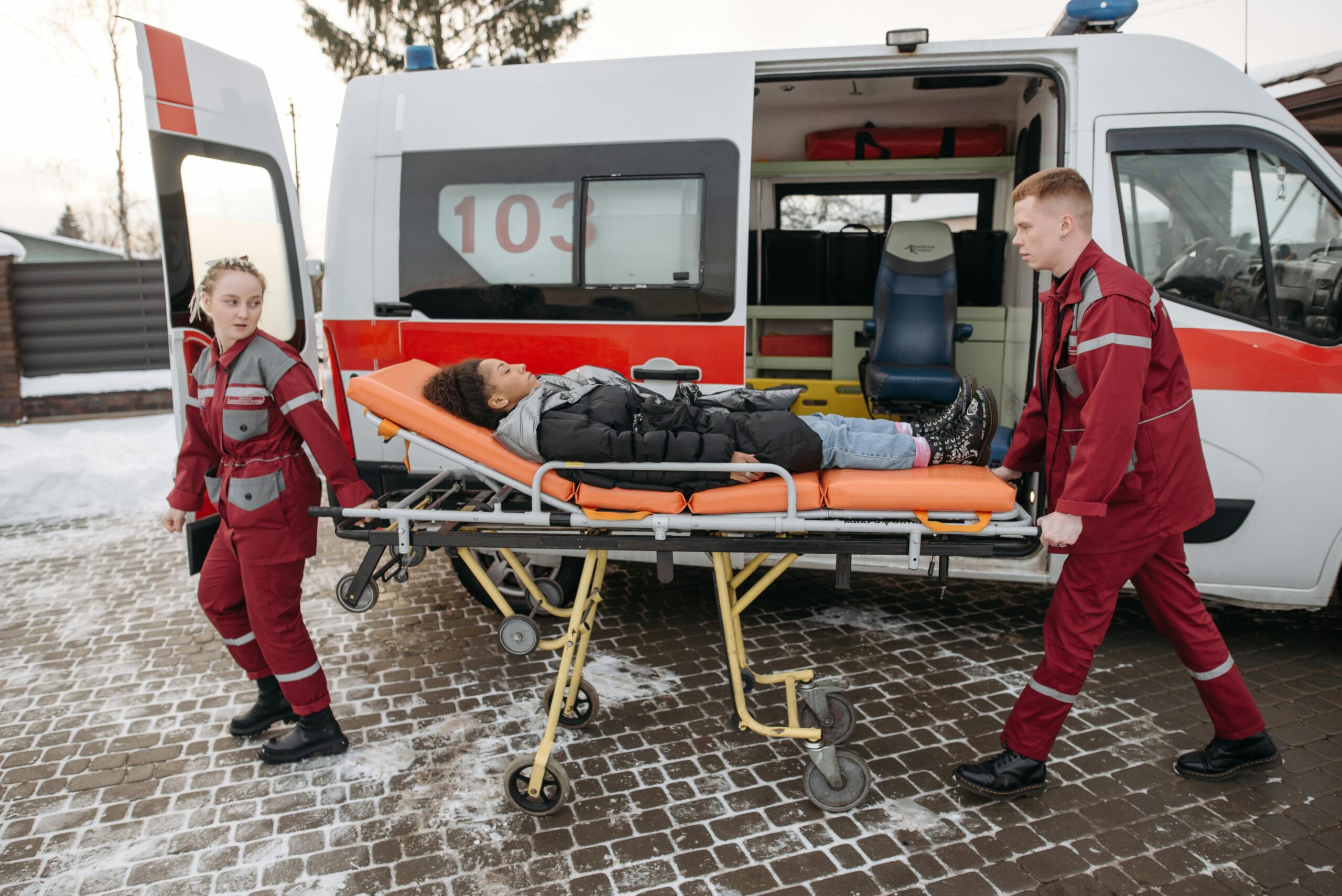
Winter weather often increases the time required to transport patients from emergency scenes to hospital facilities. Helicopter evacuations may be impossible due to visibility or wind conditions. Ground ambulances must travel slowly on treacherous roads. These extended transport times mean that field stabilization becomes even more critical than in standard emergency situations.
Telemedicine technology now allows field personnel to consult with hospital-based physicians in real-time, transmitting vital signs and even video footage of injuries or medical conditions. This virtual expertise helps ensure that patients receive appropriate care even when transport is delayed.
⛷️ Backcountry Recreation Rescue Operations
The popularity of winter backcountry activities—skiing, snowboarding, snowshoeing, ice climbing—has exploded in recent years, bringing corresponding increases in rescue callouts. These operations often occur in remote locations with challenging access, requiring specialized skills and equipment.
Helicopter-Based Rescues
Mountain rescue helicopters equipped with hoists and specialized medical equipment can reach locations impossible for ground teams. However, high-altitude operations in winter conditions push these aircraft to their performance limits. Thin air reduces lifting capacity, while cold affects engine performance and creates maintenance challenges.
Pilots who specialize in mountain rescue operations undergo extensive training in techniques like hover-taxiing on snow, one-skid landings on steep terrain, and long-line rescues where patients are extracted without the helicopter landing. These dangerous operations require split-second decision-making and exceptional flying skills.
Volunteer Search and Rescue Teams
Many winter rescue operations depend heavily on volunteer search and rescue organizations. These dedicated individuals maintain high levels of training in wilderness navigation, technical rope rescue, avalanche response, and emergency medical care—all while holding regular jobs and managing family responsibilities.
The commitment required to remain rescue-ready is substantial. Volunteers must maintain physical fitness, attend regular training sessions, respond to callouts at any hour, and keep their specialized equipment maintained and accessible. Yet these teams respond to hundreds of emergencies annually, saving lives through their selfless service.
📱 Personal Preparedness: Your First Line of Defense
While professional rescue services provide critical safety nets, personal preparedness remains the most important factor in winter emergency survival. Taking responsibility for your own safety dramatically improves outcomes and reduces the burden on emergency response systems.
Essential Winter Vehicle Kits
- Extra blankets or sleeping bags rated for cold temperatures
- Non-perishable food items and water (stored in containers that won’t burst if frozen)
- Flashlights with extra batteries
- First aid supplies including any personal medications
- Portable phone chargers or power banks
- Sand, kitty litter, or traction mats for stuck vehicles
- Basic tools including a folding shovel
- Brightly colored cloth for signaling
- Candles and waterproof matches for emergency heat
Communication Planning
Before venturing into winter conditions, establish communication protocols with someone who isn’t traveling with you. Share your route, expected arrival time, and when they should contact authorities if you don’t check in. This simple step provides rescuers with crucial information if something goes wrong.
Modern satellite messengers and personal locator beacons provide communication capabilities beyond cellular coverage. While these devices represent an investment, they’re increasingly affordable and can literally mean the difference between life and death in remote emergencies.
🌨️ Climate Change and Evolving Winter Risks
Climate patterns are shifting in ways that create new emergency mobility challenges. Paradoxically, some regions experience more extreme winter weather events even as overall average temperatures rise. These changes require adaptive strategies from both emergency services and individuals.
Unpredictable weather patterns make planning more difficult. Storms intensify more rapidly, making it harder to avoid dangerous situations. Snowpack stability becomes less predictable, increasing avalanche risks. Ice thickness on lakes and rivers varies more dramatically, creating hidden hazards where people expect safety based on historical patterns.
Emergency response agencies are adapting by investing in more versatile equipment, expanding training programs, and developing more sophisticated forecasting and warning systems. However, the most important adaptation must occur at the individual level—recognizing that historical assumptions about winter safety may no longer apply and adjusting behavior accordingly.
💪 Building Community Resilience
Communities that weather winter emergencies most successfully share common characteristics: strong communication networks, well-coordinated emergency services, educated populations, and cultures of mutual assistance. Building these community strengths requires ongoing effort but pays dividends when crisis strikes.
Neighborhood emergency response teams, community emergency plans, and local training programs create social infrastructure that complements professional emergency services. When severe winter weather strikes, these community connections ensure that vulnerable individuals receive help, information flows efficiently, and resources are shared effectively.
Educational programs that teach winter survival skills, avalanche awareness, and emergency preparedness create populations better equipped to handle challenges and less likely to require rescue. This proactive approach reduces demand on emergency services while improving overall community safety.
🔮 The Future of Winter Emergency Response
Emerging technologies promise to further transform winter emergency response in coming years. Artificial intelligence systems are being developed to predict avalanche risk with greater accuracy, identify optimal rescue routes in real-time, and coordinate multiple rescue assets more efficiently.
Autonomous vehicles and drones may eventually provide capabilities like automated supply deliveries to stranded individuals or remote medical assessments before human rescuers arrive. Improved materials science is producing lighter, warmer protective equipment and more reliable electronics that function in extreme cold.
However, technology will never eliminate human elements from emergency response. Judgment, compassion, courage, and adaptability—qualities that define the best emergency responders—cannot be replicated by algorithms or automated systems. The future of winter rescue will blend advancing technology with timeless human virtues.
❄️ Embracing Winter While Respecting Its Power
Winter’s unique beauty and recreational opportunities enrich lives and define cultures in cold-climate regions worldwide. The goal isn’t to avoid winter or live in fear of its dangers, but rather to engage with the season intelligently—prepared for its challenges while appreciating its gifts.
Emergency responders and rescue professionals don’t view winter as an enemy. They understand it as a powerful natural force deserving respect and requiring specific knowledge. This mindset—acknowledging both beauty and danger, preparing thoughtfully while remaining humble before nature’s power—offers the healthiest approach to winter engagement.
The snowbound saviors who navigate emergency mobility challenges in winter wonderland remind us that human ingenuity, courage, and compassion can overcome even the harshest conditions. Their dedication ensures that winter’s risks don’t prevent us from experiencing its wonders, creating a safety net that allows adventure while honoring the season’s formidable power.