
Snow mobility is entering a new era of innovation, transforming how we navigate winter landscapes through cutting-edge technology and sustainable design principles.

🚀 The Dawn of Next-Generation Snow Transportation
Winter mobility has remained relatively unchanged for decades, with traditional snowmobiles, skis, and snow vehicles dominating the market. However, a technological revolution is underway that promises to reshape our entire approach to snow-based transportation. From electric-powered systems to AI-driven navigation, the future of snow mobility combines environmental consciousness with unprecedented performance capabilities.
The global snow mobility market is experiencing rapid transformation driven by climate change awareness, technological advancement, and changing consumer expectations. Modern riders demand more than raw power—they seek efficiency, sustainability, and intelligent features that enhance safety and user experience. This shift has catalyzed innovation across the entire industry, from recreational equipment to professional rescue operations.
⚡ Electric Revolution in Snow Mobility
Electric propulsion systems represent the most significant breakthrough in snow mobility technology. Unlike conventional combustion engines, electric motors deliver instant torque, operate silently, and produce zero direct emissions. Companies like Taiga Motors and Polaris have already launched commercial electric snowmobiles that match or exceed the performance of traditional models.
The advantages of electric snow vehicles extend beyond environmental benefits. Electric motors require less maintenance, operate more efficiently in extreme cold when properly designed, and offer superior control through advanced traction management systems. Battery technology improvements have addressed range anxiety, with modern systems providing 80-140 kilometers on a single charge—sufficient for most recreational and professional applications.
Battery Innovation Driving Performance
The heart of electric snow mobility lies in battery technology. Lithium-ion batteries have become more energy-dense, lighter, and better suited for cold-weather operation. Specialized thermal management systems maintain optimal battery temperature, ensuring consistent performance even in sub-zero conditions. Some manufacturers are exploring solid-state batteries, which promise even greater energy density and faster charging times.
Charging infrastructure is expanding rapidly in winter recreation areas. Fast-charging stations can replenish batteries to 80% capacity in under an hour, making extended trips more feasible. Solar-powered charging stations are emerging in remote locations, creating self-sufficient energy ecosystems for winter sports enthusiasts.
🤖 Artificial Intelligence and Smart Navigation Systems
AI integration is revolutionizing how riders interact with snow mobility systems. Modern vehicles incorporate machine learning algorithms that analyze terrain conditions, weather patterns, and rider behavior to optimize performance automatically. These intelligent systems adjust power delivery, traction control, and suspension settings in real-time, creating a safer and more intuitive riding experience.
Advanced GPS navigation systems designed specifically for winter environments provide riders with critical information about snow depth, avalanche risk zones, and optimal routes. Some systems connect to satellite weather data and local emergency services, creating comprehensive safety networks for backcountry exploration.
Predictive Maintenance and Diagnostics
AI-powered diagnostic systems monitor vehicle health continuously, predicting potential failures before they occur. Sensors track component wear, battery health, and system performance, alerting riders to maintenance needs through smartphone applications. This predictive approach reduces downtime and prevents costly repairs, extending vehicle lifespan significantly.
🌍 Sustainability at the Core of Design
Environmental sustainability has become a fundamental design principle rather than an afterthought. Manufacturers are reimagining every aspect of snow mobility through an ecological lens, from material selection to end-of-life recycling programs. This commitment reflects growing consumer awareness and regulatory pressure to reduce winter recreation’s environmental footprint.
Sustainable materials are replacing traditional components throughout snow vehicles. Recycled aluminum, bio-based plastics, and natural fiber composites reduce carbon footprints without compromising strength or durability. Some manufacturers have achieved carbon-neutral production processes, offsetting remaining emissions through verified environmental projects.
Noise Pollution Reduction
Traditional snowmobiles produce significant noise pollution, disrupting wildlife and diminishing the wilderness experience. Electric systems operate nearly silently, allowing riders to experience nature without acoustic intrusion. This reduction in noise pollution has profound implications for wildlife conservation, particularly during critical winter months when animals are most vulnerable to stress.
🏔️ Adaptive Terrain Response Technology
Next-generation snow mobility systems feature adaptive terrain response technology that automatically adjusts vehicle behavior based on snow conditions. Sophisticated sensors analyze snow density, depth, and composition, modifying track tension, suspension stiffness, and power distribution to maintain optimal performance across varying terrain.
These systems incorporate multiple riding modes tailored to specific conditions—deep powder, hard-packed trails, icy surfaces, or mixed terrain. Riders can select modes manually or allow AI to choose optimal settings automatically. This versatility makes modern snow vehicles accessible to broader skill levels while enhancing safety for experienced riders tackling challenging conditions.
🔧 Modular Design and Customization
Modular architecture is transforming snow mobility equipment into adaptable platforms. Interchangeable components allow single vehicles to serve multiple purposes—recreational riding, utility work, rescue operations, or competitive racing. This versatility reduces ownership costs and extends product lifecycles by adapting to changing user needs.
Customization options have expanded dramatically through digital design tools and 3D printing technology. Riders can personalize ergonomics, aesthetics, and performance characteristics to match individual preferences and physical requirements. Some manufacturers offer extensive online configurators where customers design their ideal vehicles before production begins.
🚁 Integration with Connected Ecosystems
Modern snow mobility systems don’t operate in isolation—they’re nodes in interconnected digital ecosystems. Vehicles communicate with smartphones, smartwatches, and cloud-based platforms, providing comprehensive data about performance, location, and environmental conditions. This connectivity enhances safety, enables social features, and facilitates maintenance scheduling.
Group riding features allow multiple riders to share locations, routes, and safety alerts in real-time. Emergency beacon systems automatically notify rescue services and nearby riders if accidents occur. These connected safety nets provide peace of mind for both riders and their families, particularly during solo backcountry expeditions.
💡 Augmented Reality and Heads-Up Displays
Augmented reality technology is being integrated into helmets and windshields, projecting critical information directly into riders’ field of vision. Speed, navigation directions, terrain warnings, and system status appear as transparent overlays, allowing riders to access information without diverting attention from the trail ahead.
These heads-up displays can highlight optimal paths through challenging terrain, mark points of interest, and even provide real-time coaching to improve riding technique. Night riding becomes safer as thermal imaging overlays reveal temperature variations that indicate hidden obstacles or thin ice on frozen water bodies.
🏆 Competitive Sports and Performance Enhancement
Professional snow sports are embracing new mobility technologies that push performance boundaries. Electric race snowmobiles achieve blistering acceleration and top speeds while providing riders with unprecedented control. Data analytics systems capture detailed performance metrics, allowing athletes and teams to optimize techniques and strategies with scientific precision.
Virtual coaching systems analyze riding style, body position, and vehicle dynamics, providing personalized feedback for skill improvement. This technology democratizes high-level training, making professional-grade coaching accessible to enthusiasts worldwide through subscription-based platforms.
🔬 Materials Science Breakthroughs
Advanced materials are enabling lighter, stronger, and more efficient snow mobility systems. Carbon fiber composites reduce weight without sacrificing structural integrity. Aerogel insulation maintains comfortable cabin temperatures in enclosed vehicles while minimizing energy consumption. Graphene-enhanced plastics offer superior durability and cold-weather flexibility.
Self-healing materials are emerging that automatically repair minor damage, extending component lifespan and reducing maintenance requirements. Nano-coatings prevent ice accumulation on critical surfaces, improving performance and safety in extreme conditions.
🌟 Accessibility and Inclusive Design
Next-generation snow mobility systems prioritize accessibility, opening winter recreation to individuals with diverse physical abilities. Adaptive controls, stabilization systems, and customizable ergonomics accommodate riders with limited mobility, visual impairments, or other disabilities. This inclusive approach expands the winter sports community while providing therapeutic recreational opportunities.
Simplified controls and AI-assisted operation lower the skill barrier for newcomers, accelerating learning curves and building confidence. Safety systems that prevent common beginner mistakes create forgiving environments for skill development without compromising the challenge that experienced riders seek.
📊 Economic and Market Transformation
The snow mobility revolution is creating new economic opportunities across manufacturing, tourism, and service industries. Traditional manufacturers are investing billions in research and development, while startups introduce disruptive innovations that challenge established players. This competition benefits consumers through improved products and competitive pricing.
Winter tourism destinations are adapting infrastructure to support new mobility technologies, installing charging stations and digital service networks. Rental fleets are transitioning to electric vehicles, reducing operational costs while appealing to environmentally conscious tourists. Training programs are emerging to develop expertise in electric vehicle maintenance and repair.
🎯 The Road Ahead: Emerging Trends
Looking forward, several emerging trends promise to further revolutionize snow mobility. Autonomous snow vehicles for cargo transport and trail grooming are in development, potentially transforming winter logistics. Hydrogen fuel cell technology may supplement battery-electric systems for ultra-long-range applications. Advanced materials science could yield vehicles that adapt their physical properties based on conditions.
Integration with broader transportation networks may allow seamless multimodal journeys combining snow vehicles with other transport modes. Shared mobility services could make winter recreation more accessible and affordable through subscription models and peer-to-peer rental platforms.
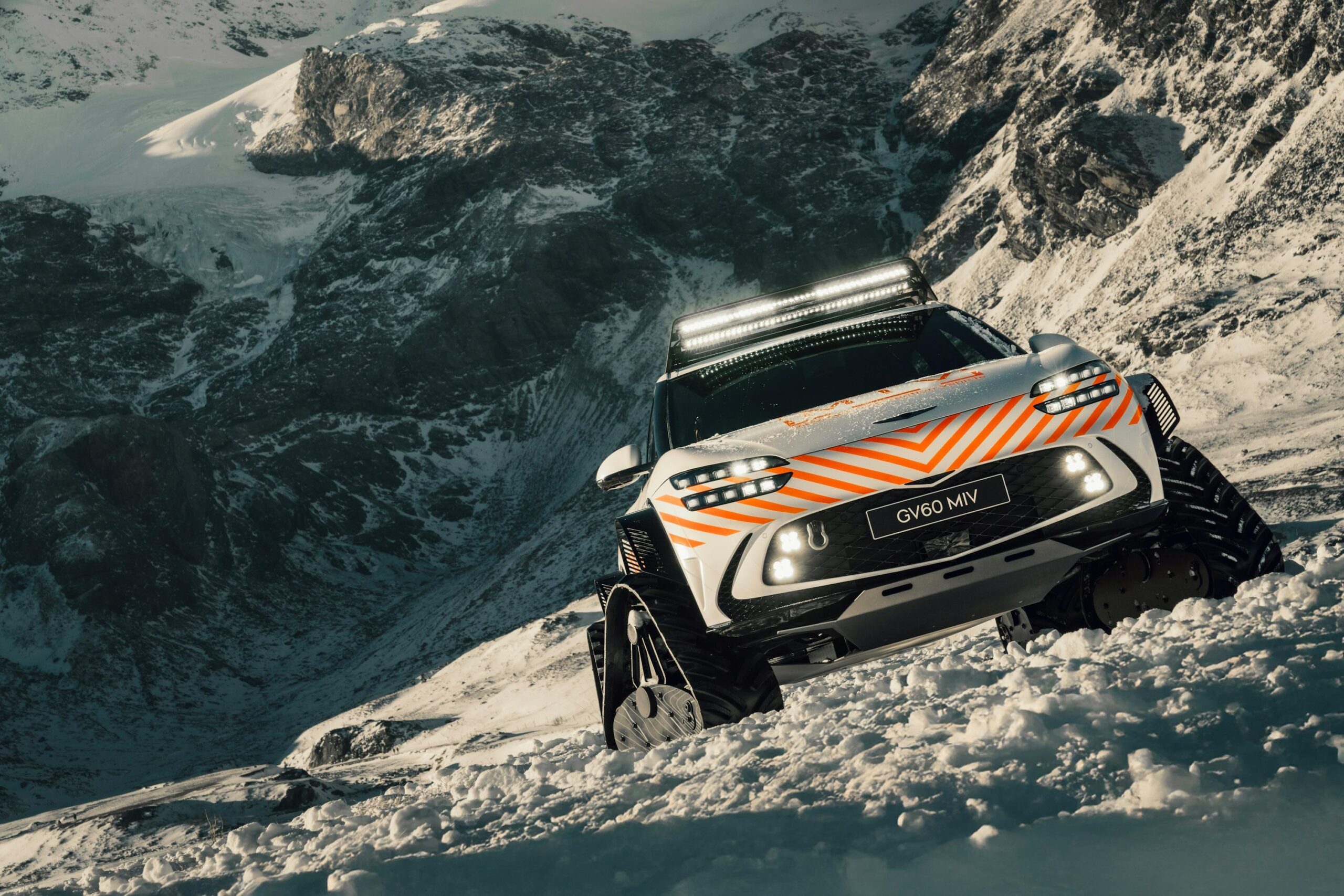
🌨️ Embracing Winter’s Transformed Future
The convergence of electric propulsion, artificial intelligence, sustainable design, and advanced materials is fundamentally transforming snow mobility. These innovations address environmental concerns while delivering superior performance, safety, and accessibility. As technology continues advancing, winter transportation will become cleaner, smarter, and more inclusive than ever before.
Early adopters of these technologies are already experiencing the benefits—quieter rides, reduced operating costs, enhanced safety, and the satisfaction of minimizing environmental impact. As production scales and costs decrease, these advanced systems will become mainstream, replacing traditional snow vehicles across recreational, commercial, and emergency service applications.
The future of snow mobility represents more than technological progress—it embodies a reimagined relationship with winter environments. By combining innovation with sustainability, the industry is ensuring that future generations can enjoy pristine winter landscapes while benefiting from the freedom and excitement that snow mobility provides. This revolution isn’t just changing vehicles; it’s transforming winter itself.