
Extreme winter conditions demand precision, resilience, and cutting-edge transportation strategies. Military and rescue operations in snow-covered terrain require specialized knowledge that can mean the difference between mission success and catastrophic failure.

🌨️ Understanding the Battlefield: Winter Terrain Challenges
Snow-covered landscapes present unique obstacles that transform standard transportation into a complex tactical challenge. Military and rescue personnel must navigate through whiteout conditions, avalanche-prone slopes, and temperatures that can disable both equipment and human operators within minutes. The physics of snow itself varies dramatically—from powder that offers minimal support to wind-packed surfaces that can bear significant weight.
Modern winter operations require understanding snow metamorphism, where crystals change structure based on temperature, pressure, and time. This knowledge directly impacts vehicle selection, route planning, and operational timing. Research from Arctic military installations shows that snow density can vary from 50 to 500 kg/m³ within a single operational zone, fundamentally altering mobility requirements.
Terrain reading becomes a survival skill in extreme conditions. Experienced operators learn to identify wind slab formations, recognize bridged crevasses beneath fresh snow, and anticipate surface conditions hours before arrival. Satellite imagery combined with ground-penetrating radar has revolutionized reconnaissance, but traditional field craft remains irreplaceable for real-time decision-making.
❄️ Vehicle Selection: Engineering for Extreme Cold
The foundation of successful snow transportation begins with proper vehicle selection. Tracked vehicles offer superior flotation and traction compared to wheeled alternatives, distributing weight across a larger surface area to prevent breakthrough. Modern military snow vehicles incorporate advanced materials that maintain flexibility at temperatures where conventional steel becomes brittle.
Snowmobiles have evolved from recreational vehicles to sophisticated military assets. Current-generation machines feature fuel injection systems that compensate for altitude and temperature variations, GPS navigation hardened against electronic warfare, and modular design allowing rapid field repairs. Elite rescue teams favor models with extended tracks that provide 30-40% better flotation in deep powder conditions.
Oversnow vehicles like the Hägglunds BvS 10 represent the pinnacle of articulated tracked design. These machines can traverse slopes up to 45 degrees, break through ice up to one meter thick, and maintain operations in temperatures down to -46°C. The articulated design allows the rear unit to follow precisely in the tracks of the front section, reducing energy expenditure by up to 25% in deep snow.
Specialized Tire Technology for Snow Operations
When tracked vehicles aren’t practical, advanced tire technology becomes critical. Low-pressure tire systems can reduce ground pressure to less than 3 PSI, allowing standard trucks to operate in conditions that would otherwise require specialized equipment. Central tire inflation systems enable operators to adjust pressure on-the-move, optimizing traction for changing conditions.
Military tire manufacturers have developed compounds that remain pliable at extreme temperatures while incorporating silica particles for enhanced ice grip. Aggressive tread patterns with siping—thin slits in the rubber blocks—create thousands of additional biting edges. Some specialized rescue vehicles use run-flat inserts that allow continued operation even with complete pressure loss, essential when punctures occur far from support.
⚙️ Critical Equipment Modifications for Sub-Zero Performance
Standard vehicles require extensive winterization to function reliably in extreme cold. Engine block heaters become mandatory equipment, maintaining oil temperature above critical viscosity thresholds. Military specifications often require multi-fuel capability, allowing operations when standard diesel gels at low temperatures.
Battery performance drops precipitously in cold weather—at -30°C, a standard battery loses approximately 50% of its cranking power while engine oil becomes significantly thicker. Military-grade AGM batteries combined with high-output alternators provide the reserve capacity needed for reliable starting and electronic system operation. Experienced teams often carry portable jump-start systems rated for multiple cold-start attempts.
Hydraulic systems require specialized cold-weather fluids that maintain proper viscosity. Synthetic lubricants throughout the drivetrain reduce parasitic drag during cold starts and improve fuel economy by 5-15%. Fuel system modifications include inline heaters and upgraded filtration to prevent wax crystal formation in diesel fuel.
Communication Systems Built for Harsh Environments
Reliable communication becomes survival equipment in extreme winter operations. Radio equipment must withstand temperature cycling, moisture intrusion, and physical shock from vehicle vibration. Military-grade systems incorporate conformal coating on circuit boards and ruggedized connectors that maintain integrity despite ice buildup and physical stress.
Satellite communication systems provide critical connectivity when terrestrial radio fails due to terrain masking. Modern SATCOM units designed for polar operations feature automated antenna tracking and signal processing that compensates for ionospheric disturbances common in high-latitude regions. Rescue teams increasingly rely on mesh networking systems that create resilient communication webs without infrastructure dependency.
🧭 Navigation Precision in Whiteout Conditions
GPS accuracy degrades in extreme conditions due to ionospheric interference, multipath signal reflection from ice surfaces, and reduced satellite geometry at high latitudes. Professional operators employ inertial navigation systems that provide accurate positioning even during complete GPS outages. These systems measure acceleration and rotation to calculate position changes independent of external signals.
Traditional navigation skills remain essential backup capabilities. Compass navigation becomes complicated by magnetic declination variations and local anomalies from geological formations. Experienced navigators maintain detailed route cards with distance measurements, bearing checkpoints, and identified hazards. Night operations require NVG-compatible lighting systems and route marking protocols that remain visible in blowing snow.
Terrain association—matching observed features to map representations—becomes challenging when snow obscures landmarks. Military training emphasizes micro-terrain navigation using subtle elevation changes, vegetation patterns, and snow accumulation characteristics. Digital elevation models combined with predictive snow deposition algorithms help operators anticipate conditions before visual confirmation.
🚁 Aerial Support Integration for Ground Operations
Helicopter support transforms winter rescue capabilities but introduces unique operational challenges. Rotor downwash in powder snow creates instant whiteout conditions, requiring pilots to master confined area operations with zero visual reference. Military helicopter crews train extensively in brownout/whiteout landing procedures using specialized instrumentation and crew coordination protocols.
Fixed-wing aircraft provide reconnaissance and supply delivery capabilities that extend ground operation range. Modern cargo aircraft can deliver vehicles and supplies via low-altitude parachute extraction, though weight limitations and weather windows constrain operational flexibility. Ski-equipped aircraft like the Twin Otter offer unmatched landing flexibility on prepared snow runways.
Unmanned Systems Changing Winter Operations
Drone technology has revolutionized reconnaissance and initial assessment capabilities. Cold-weather UAVs with enhanced battery systems and heated components maintain flight times sufficient for area surveillance and route scouting. Thermal imaging penetrates blowing snow more effectively than visible-light cameras, identifying heat signatures from vehicles, personnel, or structures buried under avalanche debris.
Ground-based unmanned vehicles serve as expendable scouts for avalanche-prone routes and thin ice crossing points. Tethered systems maintain reliable communication while exploring hazardous areas, transmitting real-time data without risking human operators. The integration of autonomous convoy systems shows promise for resupply missions on established routes.
⛑️ Rescue Operation Protocols for Extreme Environments
Search and rescue in extreme winter conditions follows structured protocols refined through decades of operational experience. Initial response focuses on rapid deployment of hasty teams with minimal equipment, prioritizing speed over comfort. These fast-response units use lightweight snowmobiles or ski-equipped helicopters to reach incident areas while larger support elements mobilize.
Avalanche rescue presents the most time-critical scenario—survival rates drop from 93% to 30% after 35 minutes of burial. Specialized teams employ avalanche transceivers operating at 457 kHz, allowing rapid victim location within the debris field. Probe lines and trained avalanche rescue dogs provide redundant search capabilities when electronic methods fail or multiple victims complicate signal interpretation.
Medical treatment in extreme cold requires modified protocols. Standard IV fluids must be warmed before administration to prevent further hypothermia. Medications behave differently at extreme temperatures, requiring adjusted dosages and alternative administration routes. Evacuation decisions balance the risk of moving potentially unstable patients against the certainty of declining condition in field environments.
Survival Equipment That Saves Lives
Personal survival gear represents the last line of defense when mechanical systems fail. Military-grade sleeping systems rated to -40°C use multiple insulation layers and vapor barriers to maintain body heat while managing moisture. Bivy shelters provide emergency protection that can be deployed in minutes, creating microenvironments 20-30 degrees warmer than ambient conditions.
Fire-starting capability must be redundant and reliable. Professional operators carry multiple ignition sources including weatherproof matches, ferrocerium rods, and chemical heat sources. Pre-staged fuel bundles with birch bark and fatwood shavings enable fire starting even with frozen fingers and wet conditions. Knowledge of emergency snow shelters—quinzhees, snow caves, and tree wells—provides no-equipment shelter options.
🔧 Maintenance Protocols for Sustained Operations
Preventive maintenance intensity increases exponentially in extreme cold. Daily pre-operation inspections must verify fluid levels, identify ice accumulation in critical areas, and confirm electrical system integrity. Post-operation procedures include removing snow and ice from wheel wells, draining moisture from air systems, and ensuring all vehicle systems are properly secured against overnight temperature drops.
Field maintenance capabilities determine operational range and mission duration. Mobile maintenance teams carry specialized tools including cold-weather lubricants, battery charging systems, and fabrication equipment for emergency repairs. The ability to conduct engine changes, track repairs, and major component replacement in field conditions separates professional military units from less-capable organizations.
Parts management becomes critical when supply chains stretch across hundreds of kilometers of snow-covered terrain. Successful operations maintain redundant critical component stocks and implement cannibalization protocols that keep maximum vehicles operational despite parts shortages. Additive manufacturing technology increasingly enables field production of replacement parts that would otherwise require multi-day supply delays.
📊 Performance Metrics and Success Indicators
| Parameter | Acceptable Range | Optimal Performance |
|---|---|---|
| Vehicle Availability Rate | 70-80% | >85% |
| Fuel Consumption Increase | 25-40% above standard | <25% above standard |
| Cold Start Success Rate | 85-90% | >95% |
| Communication System Uptime | 90-95% | >98% |
| Navigation Accuracy | ±50 meters | ±10 meters |
These metrics provide quantifiable assessment of operational readiness and identify areas requiring additional training or equipment investment. Elite military units track these parameters continuously, using data analytics to predict maintenance requirements and optimize operational planning.
🎯 Training Requirements for Extreme Winter Competency
Effective winter operations demand specialized training that builds progressively from basic cold-weather survival to complex vehicle recovery and multi-element coordination. Initial training focuses on personal survival skills—recognizing hypothermia symptoms, building emergency shelters, and maintaining equipment in extreme conditions. These foundational skills ensure every team member can survive independent of vehicles and support systems.
Driver training for snow conditions requires understanding vehicle dynamics on low-traction surfaces. Operators learn to recognize and respond to breakthrough events, manage momentum on slopes, and execute self-recovery techniques. Advanced training includes convoy operations in limited visibility, night driving with NVG systems, and emergency procedures for vehicle-through-ice scenarios.
Leadership training emphasizes decision-making under stress with incomplete information. Commanders must balance mission objectives against environmental hazards, making calculated risk assessments that consider equipment capabilities, personnel conditioning, and weather forecasts. Scenario-based exercises using after-action reviews develop judgment that cannot be taught through classroom instruction alone.
🌐 Future Technologies Reshaping Winter Operations
Emerging technologies promise to transform extreme winter transportation capabilities. Electric vehicle platforms offer simplified maintenance with fewer moving parts and instant torque delivery ideal for snow conditions. Battery technology challenges in extreme cold are being addressed through solid-state designs and active thermal management systems that maintain optimal operating temperatures.
Artificial intelligence integration assists operators with route optimization, predictive maintenance alerts, and automated hazard detection. Machine learning algorithms analyze terrain features and snow conditions to suggest optimal paths and warn of avalanche-prone areas. Augmented reality displays overlay navigation data and hazard warnings directly onto driver vision fields.
Materials science advances produce next-generation components that maintain performance at temperature extremes. Aerogel insulation provides unprecedented thermal protection in compact form factors. Self-healing polymer technologies repair minor damage automatically, extending equipment service life in abrasive ice and snow conditions.
🏔️ Real-World Application: Lessons from Elite Operations
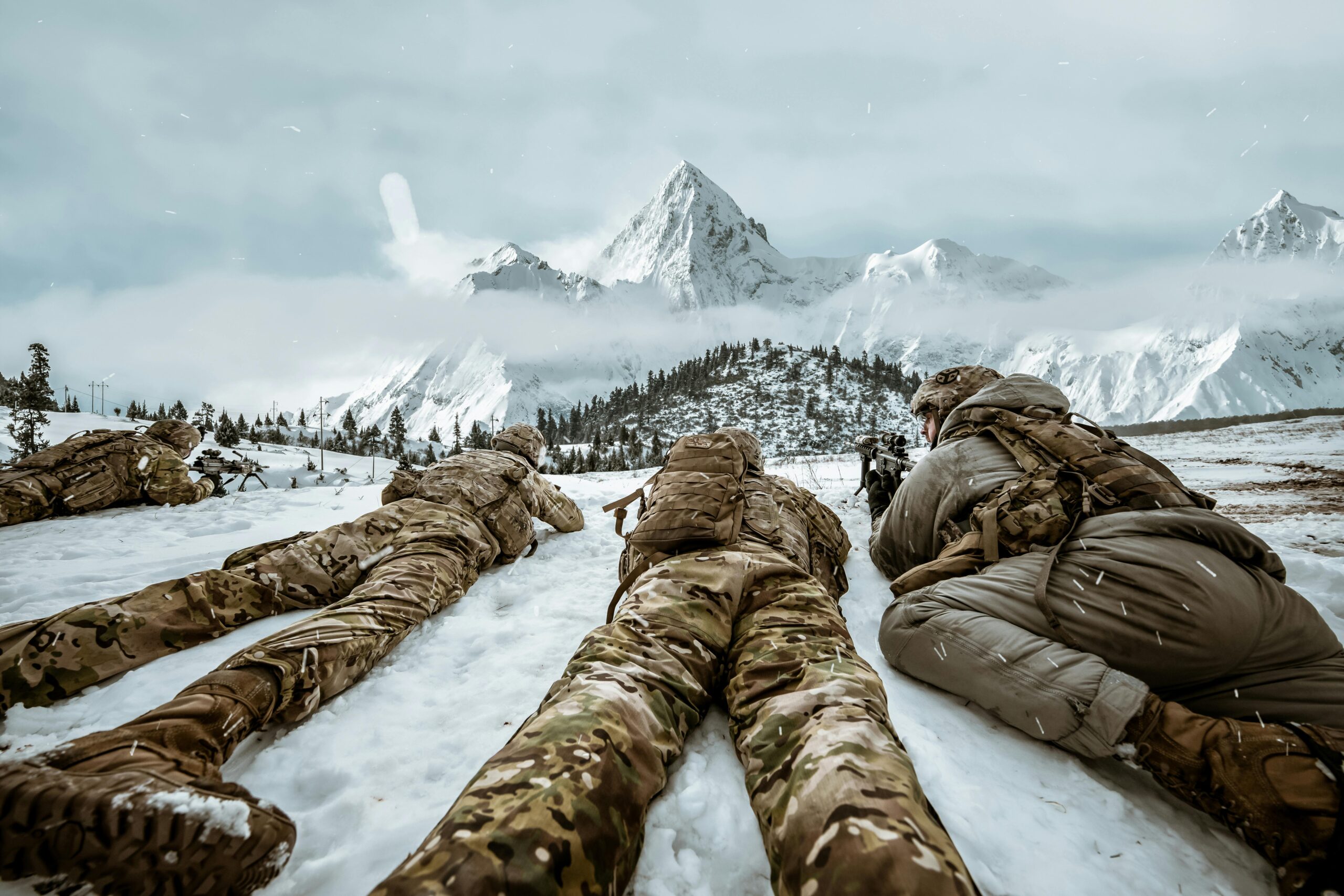
Analysis of successful extreme winter operations reveals consistent patterns. The Norwegian military’s winter warfare expertise demonstrates that extensive training in home terrain conditions produces superior performance compared to generic cold-weather preparation. Their approach emphasizes living and training in winter conditions throughout the year, building institutional knowledge that cannot be rapidly acquired.
Search and rescue organizations in Alaska and northern Canada have developed integrated systems combining satellite monitoring, pre-positioned supplies, and rapid-response teams. Their success rates significantly exceed organizations that treat winter operations as occasional events requiring special mobilization. The key difference lies in treating extreme winter conditions as the baseline operational environment rather than an exceptional circumstance.
Antarctic research station logistics operations provide valuable insights into sustained performance in the harshest conditions on Earth. Their emphasis on redundant systems, extensive pre-season preparation, and conservative operational planning creates safety margins that prevent minor problems from cascading into emergencies. These principles transfer directly to military and rescue applications.
💪 Building Organizational Capability for Winter Excellence
Successful winter transportation programs require institutional commitment beyond equipment acquisition. Organizations must develop training pipelines that produce qualified operators, maintainers, and leaders. This requires dedicated facilities simulating extreme conditions, instructor cadres with operational experience, and evaluation systems that ensure competency before deployment.
Equipment standardization across units improves logistics efficiency and cross-training effectiveness. While specialized vehicles serve specific roles, maintaining common platforms for routine operations reduces training burden and parts inventory complexity. Progressive organizations develop equipment lifecycle plans that anticipate technological advances while maintaining operational continuity.
Partnership with civilian rescue organizations, research institutions, and allied military forces accelerates capability development. Joint training exercises expose personnel to different techniques and equipment, fostering innovation and building professional networks valuable during actual operations. International cooperation in extreme environment operations benefits all participants through shared lessons learned.
Mastering winter transportation in extreme conditions represents a continuous journey rather than a destination. Technology evolution, changing environmental conditions, and operational experience constantly reshape best practices. Organizations that embrace learning cultures, invest in comprehensive training, and maintain equipment to exacting standards position themselves for success when extreme winter conditions demand peak performance. The integration of cutting-edge technology with time-tested field craft creates resilient capabilities that operate effectively when conditions defeat less-prepared organizations.