Throughout history, intrepid traders and travelers have braved the world’s most formidable mountain passes, carving routes through ice and snow that connected distant civilizations and transformed global commerce.

🏔️ The Birth of High-Altitude Commerce
Long before modern transportation revolutionized how we move goods across continents, ancient merchants faced an extraordinary challenge: how to transport valuable commodities across towering mountain ranges blanketed in perpetual snow. These frozen peaks, rather than serving as insurmountable barriers, became corridors of cultural exchange, economic prosperity, and human determination.
The establishment of trade routes across snowy mountains required more than simple courage. It demanded intimate knowledge of seasonal weather patterns, understanding of altitude sickness, specialized equipment adapted to extreme conditions, and the development of relationships with mountain communities who served as guides and protectors. These routes became lifelines connecting civilizations separated by some of Earth’s most challenging terrain.
Archaeological evidence suggests that mountain trade routes existed far earlier than previously believed. Artifacts discovered at high elevations, including pottery shards, metal tools, and preserved organic materials, indicate that humans were traversing alpine environments thousands of years ago, driven by the promise of profit and the human impulse to explore beyond known horizons.
The Silk Road’s Snowy Passages: Gateway Between East and West
Perhaps no trade network better exemplifies the conquest of frozen peaks than the legendary Silk Road. While many envision this route as a desert caravan trail, significant portions traversed some of the world’s highest and most treacherous mountain ranges, including the Pamir Mountains, often called the “Roof of the World,” and the Karakoram range.
Merchants traveling these routes faced passes that exceeded 15,000 feet in elevation, where oxygen levels dropped dangerously low and temperatures plummeted far below freezing even in summer months. The journey required meticulous planning, with caravans timing their crossings to narrow windows when snow conditions were most favorable and avalanche risks minimized.
The economic incentives were substantial enough to justify these risks. Silk, spices, precious stones, and exotic goods commanded prices that multiplied many times over with each thousand miles traveled. A bolt of Chinese silk purchased in Chang’an could be worth its weight in gold by the time it reached Mediterranean markets, making the perilous mountain crossings financially worthwhile despite the enormous human cost.
Survival Strategies in the Death Zone
Traders developed sophisticated survival techniques that enabled them to endure conditions that would quickly prove fatal to unprepared travelers. These included:
- Acclimatization periods at intermediate elevations before attempting the highest passes
- Use of local animals like yaks and Bactrian camels specially adapted to high-altitude environments
- Establishment of caravanserais and rest stations at strategic intervals
- Traveling in large groups for mutual protection and assistance
- Employing local guides with generational knowledge of safe routes and weather patterns
- Carrying specialized equipment including insulated clothing, snow goggles, and altitude medicines
Alpine Routes of Europe: Connecting Mediterranean to Northern Kingdoms
While the Silk Road captivates popular imagination, Europe’s alpine passes played equally crucial roles in shaping continental history. The Alps, stretching across eight countries, presented formidable obstacles to trade between the prosperous Italian city-states and the emerging kingdoms of northern Europe.
The Great St. Bernard Pass, situated at over 8,000 feet elevation, served as a vital artery connecting Italy to Switzerland and beyond. Augustinian monks established a hospice at the summit in the 11th century, providing shelter, rescue services, and their famous St. Bernard dogs, which became legendary for locating travelers buried in avalanches.
Archaeological discoveries have revealed that Alpine trade routes date back to the Bronze Age. The discovery of Ötzi the Iceman, a naturally mummified human body dating to approximately 3300 BCE, provided extraordinary insights into ancient mountain travel. His copper axe, flint knife, and other equipment demonstrated sophisticated technology adapted for alpine environments.
Medieval Mountain Commerce and Innovation
During the medieval period, Alpine passes witnessed increasing traffic as European commerce expanded. Merchants transported salt, wool, wine, and manufactured goods across treacherous mountain terrain, driving technological innovations that made travel safer and more efficient.
Bridge construction advanced significantly, with remarkable stone arch bridges spanning Alpine gorges. Road engineering improved, with more stable surfaces, better drainage systems, and protective walls along dangerous precipices. These infrastructure investments reflected the economic importance of maintaining reliable mountain passages throughout the year.
❄️ The Andean Highway System: Engineering Marvel of the Americas
On the opposite side of the world, the Inca Empire constructed perhaps the most impressive mountain road network in human history. The Qhapaq Ñan, or Andean Road System, stretched over 25,000 miles across some of the world’s most challenging terrain, including numerous high-altitude passes through the Andes Mountains.
Unlike European or Asian routes that evolved gradually over centuries, the Inca system represented deliberate imperial planning and engineering. Roads were built to specific standards, with different widths designated for various purposes. Suspension bridges made from woven grass cables spanned deep canyons, while stone staircases carved into cliff faces enabled ascent and descent of otherwise impassable slopes.
The network included tambos, or way stations, positioned approximately one day’s travel apart. These facilities provided food, shelter, and fresh supplies for the chasquis, relay runners who carried messages and small goods across the empire with remarkable speed. A message could travel from Cusco to Quito, over 1,250 miles, in just five to seven days—an astonishing achievement given the mountainous terrain.
Trade Goods Traversing the Andes
The Andean trade network facilitated movement of diverse commodities between dramatically different ecological zones. Coastal communities traded fish, seaweed, and salt. Highland regions provided potatoes, quinoa, and wool from llamas and alpacas. Tropical regions contributed coca leaves, exotic feathers, and tropical fruits.
This vertical trade system, known as the “archipelago model,” allowed Andean societies to access resources from multiple environmental zones without relying on external trade partners. The system’s efficiency demonstrated sophisticated understanding of altitude’s effects on agriculture and resource availability.
Himalayan Trade Routes: Connecting Tibet, India, and Nepal
The Himalayan region hosted numerous trade routes connecting the Tibetan plateau with the Indian subcontinent. These paths traversed some of Earth’s highest passes, with many exceeding 17,000 feet elevation. The physical challenges were extreme, yet trade flourished for centuries along these frozen corridors.
Salt formed a primary commodity moving south from Tibetan salt lakes, while grain, textiles, and metal goods traveled northward. The trade required specialized knowledge, with Sherpa and other mountain peoples serving as essential intermediaries who understood the mountains’ dangers and how to navigate them safely.
Trading posts developed at strategic locations, becoming multicultural hubs where Tibetan, Nepali, and Indian merchants negotiated deals, exchanged information, and prepared for the next leg of their journeys. These settlements often possessed unique cultural characteristics, blending elements from multiple traditions.
🧭 Navigation and Route-Finding in Snowy Wilderness
One of the greatest challenges facing ancient mountain traders was navigation through landscapes that could change dramatically with weather and seasons. Deep snow could obliterate familiar landmarks, while whiteout conditions reduced visibility to mere feet. Developing reliable navigation methods was essential for survival.
Traders relied on multiple techniques to maintain correct routes. Stone cairns marked paths across snowfields and glaciers. Experienced guides memorized landscape features visible even in difficult conditions. Knowledge of sun and star positions provided directional guidance when visibility permitted. Some cultures developed rudimentary maps, though much knowledge was transmitted orally from generation to generation.
Weather prediction skills were crucial. Mountain peoples learned to interpret subtle signs—cloud formations, wind patterns, animal behavior—that indicated approaching storms. Timing departures and knowing when to seek shelter often meant the difference between successful passage and disaster.
The Human Cost of Mountain Commerce
While celebrating the remarkable achievements of ancient mountain traders, we must acknowledge the tremendous human suffering these routes entailed. Countless individuals perished from exposure, avalanches, falls, altitude sickness, and exhaustion. Many routes earned ominous names reflecting their deadly reputations.
Historical accounts describe pass crossings where travelers found frozen bodies from previous expeditions, grim reminders of the risks they themselves faced. Some high passes accumulated so many casualties that they became known as “bone valleys” or “death gates” in local languages.
The economic pressures driving this trade meant that individuals often had little choice but to attempt dangerous crossings despite known risks. Porters, guides, and caravan workers—typically the poorest members of society—bore disproportionate risks while receiving minimal compensation compared to the merchant profits their labor enabled.
📚 Cultural Exchange Along Frozen Routes
Beyond mere economic transactions, mountain trade routes facilitated profound cultural exchanges that shaped civilizations. Religious ideas, artistic styles, technological innovations, and philosophical concepts traveled along with commercial goods, crossing linguistic and cultural boundaries.
Buddhism spread from India across Central Asia and into China partly through mountain trade routes, with merchants and monks traveling together for mutual protection. Artistic motifs from one culture appeared in another’s craftwork. Agricultural techniques and crop varieties spread to new regions. Mathematical and astronomical knowledge crossed borders, enriching multiple civilizations.
Languages absorbed loan words from trading partners, while multilingual individuals served as interpreters and cultural brokers. Intermarriage between trading communities created cosmopolitan families with connections spanning vast distances and multiple cultures.
Modern Rediscovery of Ancient Paths
Contemporary archaeologists, historians, and adventurers continue uncovering evidence of ancient mountain trade routes. Climate change, ironically, has accelerated discoveries as glaciers retreat, revealing artifacts preserved in ice for centuries or millennia. These findings provide unprecedented insights into ancient mountain commerce.
Recent discoveries include leather shoes, wooden tools, textile fragments, and even organic materials like rope and food items, all preserved by freezing temperatures. Scientific analysis of these artifacts reveals information about ancient technologies, diet, clothing, and adaptation strategies that written records never captured.
Some organizations work to preserve and document these routes before climate change and development erase them permanently. The Silk Road has UNESCO World Heritage designation for portions of its route. Similar efforts aim to protect Andean roads, Alpine passes, and Himalayan trade paths as cultural patrimony worthy of preservation.
⛰️ Lessons from the Frozen Peaks
The ancient conquest of snowy mountain passes offers valuable lessons for contemporary society. These routes demonstrate human ingenuity, determination, and adaptability when confronted with seemingly impossible challenges. They show how economic incentives can drive remarkable achievements, though often at significant human cost.
The trading networks also illustrate the fundamental human drive to connect with others, exchange goods and ideas, and explore unknown territories. Despite lacking modern technology, ancient peoples created sophisticated systems for crossing extreme environments, developing specialized knowledge and equipment that enabled survival where conditions seemed incompatible with human life.
Environmental knowledge proved crucial to success. Societies that thrived in mountain environments developed deep understanding of their ecosystems, weather patterns, and seasonal variations. This expertise, accumulated over generations, represents invaluable traditional knowledge that contemporary climate science is only beginning to appreciate fully.
Echoes in Today’s Mountain Commerce
While modern transportation has transformed mountain commerce, many historical routes remain economically and culturally significant. Alpine passes still carry traffic between European nations, though now through tunnels rather than over exposed summits. Himalayan trade continues, though trucks have largely replaced human porters and pack animals on improved roads.
Some communities maintain traditional trading practices, recognizing their cultural value alongside economic function. Annual trade fairs in mountain regions preserve centuries-old traditions, attracting participants who value historical continuity and cultural identity alongside commercial transactions.
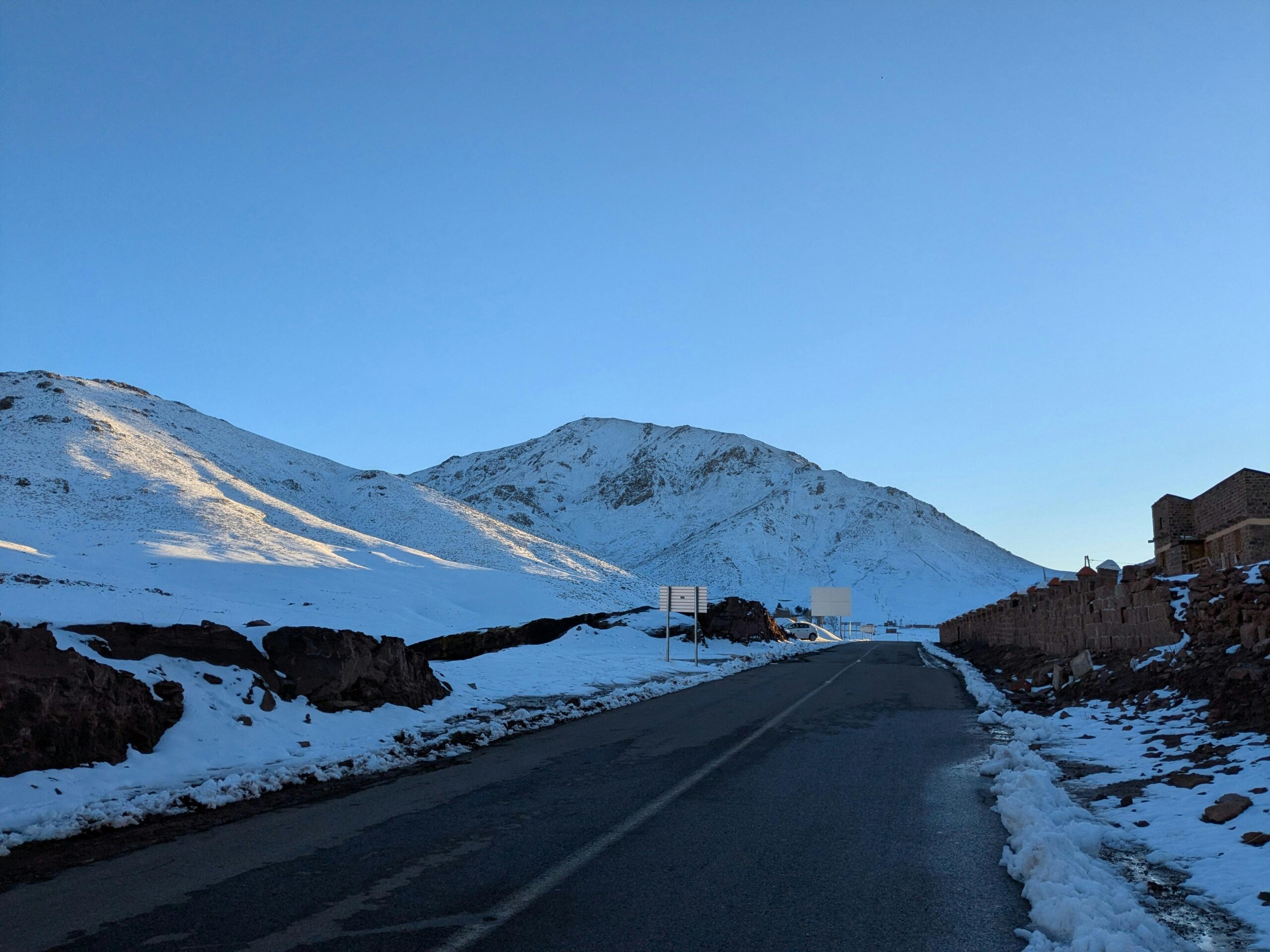
Mountain tourism has emerged as a new economic driver, with trekkers following ancient trade routes to experience historical paths and stunning landscapes. This tourism provides income for mountain communities while raising awareness about the historical significance of these routes and the need for their preservation.
🌟 Preserving Heritage for Future Generations
The frozen peaks that witnessed humanity’s determination to connect across impossible distances deserve recognition and protection. These routes represent more than historical curiosities—they’re testaments to human courage, ingenuity, and the fundamental drive to reach beyond known boundaries.
Preservation efforts face numerous challenges. Climate change threatens archaeological sites as glaciers melt and permafrost thaws. Development projects may destroy route segments for highways, resorts, or other infrastructure. Limited funding hampers documentation and protection efforts.
However, growing appreciation for cultural heritage offers hope. International cooperation, local community engagement, and technological tools like satellite imagery and digital mapping help document and protect these irreplaceable historical resources. Educational initiatives teach younger generations about their ancestors’ achievements, fostering pride and commitment to preservation.
The ancient trade routes across snowy mountains remind us that challenges that seem insurmountable can be conquered through determination, knowledge, and cooperation. These frozen peaks witnessed extraordinary human achievements that connected civilizations, spread ideas, and shaped the world we inhabit today. Their legacy continues inspiring us to push boundaries and seek connections across the distances that separate us.