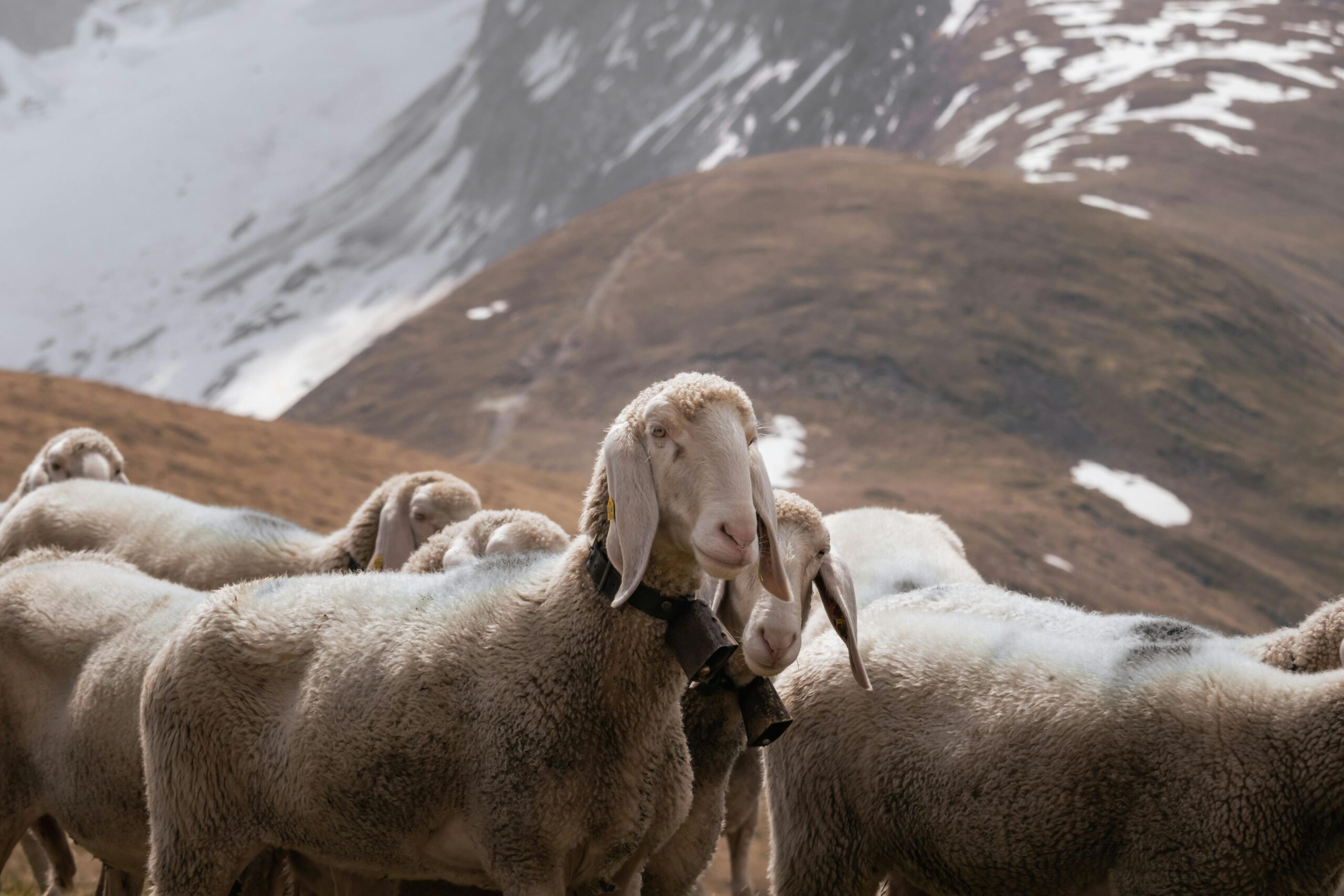
Winter landscapes transform travel into a challenging endeavor, yet for centuries, humans have partnered with animals to conquer snowy terrain efficiently and sustainably.

🐾 The Ancient Partnership Between Humans and Animals in Snow
Long before motorized vehicles roared across frozen landscapes, indigenous peoples and rural communities developed sophisticated systems of snow transportation powered entirely by animals. This relationship wasn’t merely functional—it represented a deep understanding of animal behavior, environmental adaptation, and sustainable living practices that modern society is now rediscovering.
From the Arctic tundra to alpine villages, animal-powered snow transportation has shaped human civilization’s ability to thrive in winter climates. The Sami people of northern Scandinavia, the Inuit communities across the circumpolar north, and mountain dwellers in the Himalayas all developed unique methods of harnessing animal power for winter mobility.
Today, as concerns about carbon emissions and environmental sustainability grow, these traditional methods are experiencing a renaissance. Researchers, adventure tourism operators, and environmentally conscious communities are revisiting these time-tested practices, discovering that what worked for our ancestors might hold solutions for our future.
Sled Dogs: The Ultimate Winter Transportation Specialists 🐕
No discussion of animal-powered snow transportation would be complete without highlighting the remarkable capabilities of sled dogs. These canine athletes represent perhaps the most efficient and reliable form of winter animal transportation ever developed by humans.
The Science Behind Canine Snow Performance
Sled dogs possess unique physiological adaptations that make them exceptionally suited for snow travel. Their double-layered coats provide insulation against temperatures as low as -50°C, while their metabolic systems can sustain high-intensity work for hours without fatigue. Breeds like Siberian Huskies, Alaskan Malamutes, and Greenland Dogs have been selectively bred over thousands of years to optimize these characteristics.
A typical sled dog team can travel 20-40 miles per day while carrying substantial loads across terrain that would be impassable for wheeled vehicles. Their paw pads contain specialized tissue that prevents frostbite and provides traction on ice, functioning like natural snow tires. The cardiovascular efficiency of these animals is so remarkable that they can maintain 60-70% of their maximum heart rate for extended periods—a feat that would cause exhaustion in most mammals.
Modern Applications of Dog Sledding
Beyond their historical role, dog sleds are finding new applications in contemporary settings. In remote Arctic communities where fuel delivery is expensive and unreliable, dog teams provide dependable local transportation. Environmental researchers studying wildlife in sensitive ecosystems prefer dog sleds because they produce no emissions and create minimal disturbance to natural habitats.
The tourism industry has also embraced dog sledding, with operations across Alaska, Canada, Scandinavia, and even some mountainous regions offering authentic experiences. These ventures not only preserve traditional knowledge but also provide economic incentives for maintaining breeding programs and training practices that might otherwise disappear.
Reindeer and Caribou: The Versatile Arctic Transporters 🦌
While dogs excel at pulling sleds, reindeer and their North American cousins, caribou, offer a different set of advantages for winter transportation. These animals combine pulling power with the ability to forage independently, making them particularly valuable in regions where provisioning sled animals is challenging.
Traditional Reindeer Transportation Systems
The Sami people developed an intricate relationship with reindeer that goes far beyond simple transportation. Reindeer can pull pulks (a type of Nordic sled) carrying up to 150 kilograms across snow-covered terrain. Unlike dogs, reindeer can dig through snow to find lichen and vegetation, reducing the logistical burden on their handlers.
In Siberia, various indigenous groups developed different harnessing systems optimized for their specific environments. The Nenets people, for instance, use large herds of reindeer for both transportation and as a mobile food source, creating a completely sustainable winter nomadic lifestyle.
Contemporary Reindeer Transportation Initiatives
Several Scandinavian countries are exploring reindeer transportation as a sustainable alternative for wilderness access. In northern Finland and Norway, eco-tourism operators offer reindeer sled experiences that educate visitors about traditional Sami culture while providing low-impact wilderness access.
Research stations in remote Arctic locations have experimented with reindeer for supply transportation, finding them particularly effective for moving equipment across fragile tundra where even snow machines can cause environmental damage. Their natural adaptation to Arctic conditions means they require less specialized care than horses or dogs in extreme cold.
Horses: The Powerful Snow Workhorses 🐴
Horses have served humanity across countless environments, and winter landscapes are no exception. Certain breeds demonstrate remarkable cold-weather capabilities that make them excellent choices for snow transportation.
Cold-Hardy Equine Breeds
The Yakut horse of Siberia, the Norwegian Fjord horse, and the Icelandic horse have all evolved or been bred to withstand harsh winter conditions. These animals grow thick winter coats and can maintain body temperature in conditions that would stress other horse breeds. They’re capable of pulling substantial loads—significantly more than dogs—making them ideal for transporting supplies, timber, or passengers.
In mountainous regions of Europe and North America, draft horse breeds like the Percheron and Belgian have been used for logging operations in winter when snow cover actually facilitates the movement of heavy logs on sleds. This historical practice is experiencing renewed interest as sustainable forestry operations seek alternatives to heavy machinery that compacts soil and damages forest floors.
Recreational and Commercial Horse-Drawn Winter Transport
Horse-drawn sleigh rides remain popular across winter tourism destinations, from Vermont to the Austrian Alps. Beyond recreation, some mountain resorts use horse-drawn sleighs for guest transportation, creating a unique experience while reducing emissions in environmentally sensitive areas.
Several communities in the Rocky Mountains and Swiss Alps maintain horse-drawn winter transportation services for accessing remote chalets and providing emergency services when avalanche danger makes motorized travel hazardous.
Yaks and Oxen: The High-Altitude Specialists 🐂
In the world’s highest mountain ranges, where oxygen is scarce and terrain is unforgiving, yaks and specially adapted oxen breeds provide transportation solutions that no other animals can match.
Himalayan Transportation Traditions
Yaks are native to the Tibetan Plateau and surrounding Himalayan regions, where they’ve been domesticated for over 4,000 years. These remarkable animals thrive at altitudes above 4,000 meters, where most other livestock struggle. Their ability to navigate steep, snow-covered mountain passes while carrying 60-100 kilograms of cargo makes them indispensable for Sherpa communities and Tibetan nomads.
During winter months when high mountain passes become snow-covered, yaks are often the only reliable means of transporting goods between valleys. Their sure-footedness on ice and snow, combined with their ability to survive on sparse vegetation, creates a self-sufficient transportation system requiring minimal external support.
Expanding Applications in Mountain Regions
Mountaineering expeditions increasingly recognize the value of yak support for base camp establishment and supply transport. Unlike mechanical vehicles, yaks don’t require fuel resupply and can navigate terrain where helicopters cannot safely land. Their lower environmental impact aligns with growing concerns about preserving pristine mountain environments.
Some alpine regions outside Asia are experimenting with yak introduction for winter tourism and sustainable agriculture. Their ability to clear trails through snow while transporting materials presents interesting possibilities for mountain community resilience.
Environmental and Economic Advantages of Animal-Powered Snow Transport 🌍
As climate change concerns intensify and fuel costs fluctuate, the advantages of animal-powered winter transportation deserve serious consideration beyond their historical and cultural value.
Zero Emissions and Carbon Neutrality
Animals produce no direct emissions during operation, making them genuinely sustainable transportation options. While animal husbandry does involve some environmental footprint through feed production and methane emissions, these impacts are dramatically lower than those of snowmobiles, all-terrain vehicles, or other motorized winter transport.
For communities and operations prioritizing carbon neutrality, animal transportation offers immediate, proven solutions. Protected wilderness areas and national parks increasingly recognize this, with some allowing animal-powered transportation while restricting motorized vehicles.
Economic Sustainability for Rural Communities
Animal-powered transportation creates local economic opportunities that don’t depend on external fuel supplies or expensive mechanical parts. A well-trained sled dog team or pack of reindeer represents a capital investment that reproduces itself and can be maintained using local resources.
Tourism based on authentic animal-powered experiences generates revenue for rural and indigenous communities, providing economic incentive to maintain traditional knowledge and practices. This creates a positive feedback loop where cultural preservation becomes economically viable.
Reliability in Extreme Conditions
Mechanical vehicles face significant challenges in extreme cold—batteries fail, fuel gels, and metal becomes brittle. Animals, properly cared for, become more energetic in cold conditions and face no mechanical failures. For emergency services, wilderness rescue operations, and communities in remote locations, this reliability can be life-saving.
Training and Management: Modern Approaches to Traditional Practices 📚
Successfully harnessing animal power for snow transportation requires specialized knowledge and skills. Contemporary practitioners are combining traditional wisdom with modern veterinary science, nutritional understanding, and training methodologies.
Animal Welfare Considerations
Modern ethical standards demand that animal-powered transportation prioritizes animal welfare. This means appropriate workload management, regular veterinary care, proper nutrition, and humane training methods. Organizations like the International Sled Dog Veterinary Medical Association establish standards that protect animals while maintaining working traditions.
Load capacity guidelines, rest requirements, and temperature thresholds are now scientifically established for various species, ensuring that working animals remain healthy and that operations are sustainable. These standards have actually revealed that traditional practices often aligned closely with animal welfare principles, as people depended on keeping their animals in optimal condition.
Training Programs and Knowledge Transfer
Several institutions now offer training in traditional animal-powered winter transportation. From mushing schools in Alaska to reindeer herding courses in Scandinavia, these programs ensure that expertise doesn’t disappear with older generations.
These educational initiatives combine hands-on apprenticeship with classroom instruction in animal physiology, navigation, wilderness survival, and sustainable practices. Graduates become ambassadors for these traditions, launching tourism operations, working in wildlife research, or serving their remote communities.
Challenges and Limitations in Contemporary Contexts ⚠️
Despite their advantages, animal-powered snow transportation faces real challenges in modern application. Understanding these limitations is essential for realistic implementation.
Scale and Speed Constraints
Animals cannot match the speed or cargo capacity of motorized vehicles. For urgent medical evacuations, large-scale freight transport, or situations requiring rapid response, mechanical options remain necessary. Animal transportation works best for regular, predictable routes and situations where speed isn’t critical.
Specialized Knowledge Requirements
Working with animals requires skills that take years to develop. Unlike operating a snowmobile, which can be learned in hours, becoming a competent musher or reindeer herder demands extensive training. This knowledge barrier limits rapid adoption and requires long-term commitment from communities and individuals.
Animal Care Infrastructure
Maintaining working animals requires facilities, veterinary access, and daily care that motorized equipment doesn’t need. For short-term projects or temporary operations, this infrastructure investment may not be practical. However, for permanent communities and ongoing operations, these costs distribute over time and become manageable.
Looking Forward: Integration with Modern Transportation Systems 🔮
The future of animal-powered snow transportation likely lies not in replacing modern technology but in strategic integration—using each approach where it offers maximum advantage.
Hybrid Transportation Networks
Some forward-thinking communities are developing hybrid systems where motorized transport handles main routes and urgent needs, while animal power serves environmentally sensitive areas, provides tourist experiences, and offers backup capability when fuel supplies are interrupted.
This approach maximizes efficiency while building resilience. It also preserves traditional knowledge and maintains the breeding stock and expertise needed should fuel scarcity or environmental regulations make animal power more critical in the future.
Climate Adaptation Strategies
As climate change affects winter conditions, some regions may experience conditions where animal transportation becomes more viable while others face challenges. Warmer winters with less reliable snow cover may reduce opportunities in some areas, while extreme weather events that disrupt fuel delivery could increase reliance on animal power elsewhere.
Communities preparing for climate uncertainty are wise to maintain diverse transportation capabilities, including animal-powered options that don’t depend on complex supply chains or infrastructure vulnerable to extreme weather.

Preserving Heritage While Embracing Innovation 🎯
The resurgence of interest in animal-powered snow transportation represents more than nostalgia—it reflects growing recognition that sustainable living requires learning from the past while innovating for the future. Indigenous communities who never abandoned these practices are now recognized as holding valuable knowledge for addressing contemporary challenges.
Modern materials improve animal welfare and efficiency—synthetic harnesses that don’t freeze and chafe, GPS navigation that enhances safety, and modern veterinary care that extends working animals’ careers and quality of life. These innovations honor traditional practices while adapting them to contemporary standards and needs.
Research institutions are documenting traditional knowledge and studying the biomechanics of animal-powered transportation, generating insights applicable to modern engineering and sustainability challenges. This cross-pollination between ancient wisdom and contemporary science creates possibilities neither could achieve alone.
As we face environmental challenges requiring radical rethinking of our relationship with nature, the partnership between humans and animals in conquering winter landscapes offers profound lessons. These relationships demonstrate that efficiency doesn’t always mean speed, that sustainability requires long-term thinking, and that the most resilient systems are often those that work with natural capabilities rather than against them.
The tracks of sled dogs, reindeer, horses, and yaks across snowy landscapes aren’t merely footprints from the past—they’re pathways toward a more sustainable future where human ingenuity and animal capability combine to meet challenges while preserving the environments we all depend upon.