
Mountain retreats offer peace and tranquility, but fire safety in remote cabins and chalets requires careful planning and vigilance to protect lives and property.

🏔️ Understanding the Unique Fire Risks of Mountain Cabins
Remote mountain cabins and chalets present distinct fire safety challenges that differ significantly from urban or suburban homes. The isolation, weather conditions, and building materials commonly used in mountain retreats create a perfect storm of potential hazards that demand specialized attention and preparation.
The distance from professional fire services is perhaps the most critical factor. While city dwellers might expect firefighters within minutes, mountain cabin owners may face response times of 30 minutes to several hours—or in extreme weather conditions, no response at all until conditions improve. This reality makes prevention and self-sufficiency absolutely essential.
Wooden construction, a hallmark of rustic mountain architecture, adds another layer of vulnerability. Many cabins feature exposed timber beams, log walls, and wooden shingles that, while aesthetically pleasing, are inherently combustible. Combined with dry mountain air, especially during summer months, these structures can become tinderboxes waiting for a spark.
🔥 Primary Fire Hazards in Remote Mountain Properties
Understanding what causes fires in mountain retreats is the first step toward prevention. Several factors contribute to elevated fire risk in these picturesque but potentially dangerous environments.
Heating Systems and Wood-Burning Appliances
Wood stoves and fireplaces are not just decorative elements in mountain cabins—they’re often essential heating sources during cold months. However, they’re also leading causes of structure fires. Creosote buildup in chimneys, improper clearances from combustible materials, and overloading stoves can all lead to devastating fires.
Many cabin owners don’t realize that chimneys should be inspected and cleaned at least annually, or more frequently with regular use. A quarter-inch of creosote accumulation is enough to fuel a dangerous chimney fire that can spread to the structure itself.
Electrical System Complications
Older cabins may have outdated electrical systems that weren’t designed for modern appliance loads. Overloaded circuits, improper wiring, and DIY electrical work by previous owners create serious fire hazards. In remote locations, electrical inspections may be infrequent or non-existent, allowing dangerous conditions to persist undetected.
Rodents seeking shelter in walls can chew through insulation on electrical wiring, creating short circuits. The combination of exposed wiring and nesting materials creates an especially dangerous situation in vacant cabins during off-seasons.
Wildfire Threats and the Wildland-Urban Interface
Mountain cabins often sit in the wildland-urban interface, where human development meets untamed nature. This positioning places them directly in the path of wildfires, which have become increasingly frequent and severe due to climate change and forest management practices.
Dry vegetation, pine needles, and accumulated deadwood around cabins provide fuel that can carry fire directly to structures. During wildfire season, a single ember can travel over a mile, landing on a wooden roof or deck and igniting a structure fire while the main fire is still distant.
🛡️ Essential Fire Prevention Strategies for Mountain Retreats
Protecting your mountain cabin requires a multi-layered approach that addresses both internal fire risks and external threats. These strategies form the foundation of comprehensive fire safety planning.
Creating Defensible Space Around Your Property
Defensible space is the buffer zone between your cabin and the surrounding wildland. Fire safety experts recommend creating three zones of protection, each with specific maintenance requirements and vegetation management strategies.
Zone 1 extends 0-5 feet from the structure and should be kept completely clear of flammable materials. This means no woodpiles, no accumulated pine needles or leaves, and no vegetation touching the building. Use non-combustible landscaping materials like gravel or stone pavers in this immediate area.
Zone 2, extending 5-30 feet from the cabin, should have well-spaced plants and trees. Remove dead vegetation promptly, keep grass mowed to no more than four inches, and ensure tree canopies don’t touch. Create horizontal and vertical spacing between plants to prevent fire from easily jumping from one to another.
Zone 3 reaches from 30-100 feet and requires thinning of trees and shrubs to reduce fuel density. Remove ladder fuels—low-hanging branches and shrubs that allow ground fires to climb into tree canopies. This zone acts as your early warning buffer where firefighters can make a stand if necessary.
Building Material Considerations and Retrofits
If you’re building a new mountain retreat, choosing fire-resistant materials is paramount. Class A fire-rated roofing materials like metal, tile, or composite shingles significantly outperform traditional wood shakes. For existing cabins with wooden roofs, retrofit options include fire-retardant treatments or complete replacement.
Vent screens prevent ember intrusion, one of the leading causes of structure ignition during wildfires. Install 1/8-inch metal mesh screens over all vents, including those in eaves, attics, and foundations. These small modifications can make the difference between a cabin that survives and one that’s lost.
Deck and porch materials deserve special attention. Composite decking materials with fire-resistant properties offer the aesthetic appeal of wood with significantly better fire performance. If keeping wooden decks, maintain them meticulously and clear away all debris that accumulates between boards.
🚨 Detection and Suppression Systems That Save Lives
Early detection is critical when professional help is far away. Modern technology offers mountain cabin owners sophisticated options for monitoring and responding to fire threats, even when they’re miles away from their retreats.
Smoke and Heat Detection Networks
Install interconnected smoke detectors on every level of the cabin, in each sleeping area, and outside sleeping zones. Interconnected units ensure that when one alarm sounds, all alarms activate, providing maximum warning time. Include both ionization and photoelectric detectors for comprehensive coverage of different fire types.
Heat detectors work well in areas where smoke detectors might false alarm, such as kitchens and near wood stoves. These devices trigger when temperatures rise rapidly or exceed specific thresholds, providing additional layers of protection.
Smart smoke detectors with cellular or satellite connectivity can alert you remotely when alarms trigger, even in areas without reliable internet. This technology allows you to contact neighbors or local authorities immediately, potentially saving your cabin when you’re not there to respond personally.
Fire Suppression Equipment and Water Sources
Every mountain cabin should have multiple fire extinguishers strategically placed and appropriately rated for expected fire types. Keep ABC-rated extinguishers in the kitchen, near heating appliances, and in sleeping areas. Ensure all family members and guests know their locations and how to use them properly.
Water supply considerations are critical in remote locations. If you have a well, ensure it has backup power to maintain pressure during electrical outages. Consider installing a dedicated fire suppression system with its own water storage tank—at least 2,500 gallons provides a meaningful resource for fighting fires.
Roof-mounted sprinkler systems can wet down structures during wildfire threats, significantly improving survival odds. These systems can be activated manually or automatically when conditions warrant, creating a protective barrier of moisture that resists ember ignition.
📋 Developing Your Mountain Cabin Emergency Response Plan
Hope is not a strategy. Effective fire safety requires detailed planning, regular practice, and clear communication among everyone who uses the cabin. Your emergency response plan should address multiple scenarios and establish clear protocols for different situations.
Evacuation Procedures and Rally Points
Mountain cabins often have limited egress options, making evacuation planning especially important. Identify at least two escape routes from every room, considering both normal exits and emergency alternatives like windows. Keep these routes clear and ensure windows can be opened easily from inside.
Establish a rally point away from the cabin where everyone will meet after evacuating. This location should be far enough to be safe but close enough to reach quickly. Practice evacuation drills with family and guests, timing how long it takes to get everyone out and to the rally point.
For wildfires, evacuation timing is crucial. Don’t wait for mandatory orders—when fire threatens the area, leave early. Pre-pack an emergency bag with essential documents, medications, and valuables that can be grabbed quickly. Know multiple routes off the mountain, as primary roads may be blocked by fire or traffic.
Communication Systems in Remote Locations
Cell phone coverage is notoriously unreliable in mountain areas. Establish backup communication methods before emergencies strike. Satellite phones or emergency beacons ensure you can call for help regardless of cellular infrastructure.
Two-way radios allow communication between cabin and outbuildings or with neighbors in the area. Weather alert radios provide critical information about fire weather conditions and evacuation orders, often more reliably than other methods in remote locations.
Create a communication tree with trusted neighbors and local emergency services. Share your cabin occupancy schedule and emergency contact information. This network can be invaluable when fires threaten, allowing for faster notification and coordinated responses.
🔧 Regular Maintenance: The Foundation of Fire Safety
Fire safety isn’t a one-time project but an ongoing commitment. Regular maintenance schedules prevent small issues from becoming catastrophic failures. Developing systematic inspection and maintenance routines dramatically reduces fire risk.
Seasonal Inspection Checklists
Create detailed checklists for seasonal inspections covering all critical fire safety systems and hazards. Spring inspections should focus on defensible space clearing after winter, testing smoke detectors, and inspecting roofs for winter damage. Summer maintenance emphasizes drought conditions, vegetation management, and preparation for wildfire season.
Fall inspections prepare heating systems for winter use. Have chimneys professionally cleaned and inspected before the heating season begins. Check wood stove seals, clearances, and hearth pads. Verify that fire extinguishers are charged and accessible.
Winter inspections monitor snow load on roofs, ensure heating systems are functioning properly without overloading, and confirm backup power systems are operational. Check that access roads remain passable for emergency vehicles despite snow accumulation.
Professional Inspections and Certifications
Some aspects of fire safety require professional expertise. Schedule annual inspections by certified chimney sweeps who can identify problems invisible to untrained eyes. Their expertise in recognizing damaged flue liners, improper construction, and dangerous creosote buildup is invaluable.
Electrical system inspections by licensed electricians should occur every 3-5 years for older cabins, or whenever you notice flickering lights, frequent breaker trips, or other anomalies. These professionals can identify dangerous conditions and recommend upgrades to meet modern safety standards.
Fire protection system inspections ensure extinguishers, detectors, and suppression systems remain functional. Many components have expiration dates or require periodic service that’s easily overlooked without professional oversight.
💡 Advanced Fire Safety Technologies for Remote Properties
Technology advances continually offer new tools for protecting mountain retreats. While not all innovations suit every situation, understanding available options helps you make informed decisions about investments in cabin safety.
Monitoring Systems and Smart Home Integration
Modern monitoring systems provide real-time information about conditions at your cabin, even when you’re hundreds of miles away. Temperature sensors alert you to heating system failures in winter or dangerous heat buildup in summer. Water flow sensors detect leaks or suppression system activation.
Security cameras with smoke detection capabilities use artificial intelligence to identify visible smoke and alert you immediately. These systems work independently of traditional smoke detectors, providing redundant protection that increases early warning reliability.
Smart home integration allows centralized control and monitoring of multiple systems through single interfaces. You can verify stoves are turned off, adjust thermostats to prevent freezing, and receive consolidated alerts about any detected problems affecting fire safety.
Weather Monitoring and Wildfire Alert Systems
Personal weather stations at your cabin provide hyperlocal data about fire weather conditions including temperature, humidity, and wind speed. This information helps you make informed decisions about fire risk levels and whether conditions warrant additional precautions.
Wildfire alert applications provide real-time information about nearby fires, evacuation orders, and changing conditions. While not specific cabin-monitoring tools, these resources help you stay informed and make timely decisions about property protection or evacuation.
🌲 Insurance, Legal, and Community Considerations
Fire safety extends beyond physical preparations to include financial protection and community collaboration. Understanding insurance requirements, legal obligations, and the benefits of community cooperation rounds out comprehensive fire safety planning.
Insurance Requirements and Risk Mitigation
Mountain property insurance can be expensive and difficult to obtain, particularly in high-risk wildfire areas. Insurers increasingly require specific fire safety measures before providing coverage. Document all fire safety improvements with photographs and receipts—these records may reduce premiums or improve coverage options.
Some insurance companies offer premium discounts for fire-resistant roofing, defensible space maintenance, and sprinkler system installation. The initial investment in these improvements often pays for itself through reduced insurance costs over time, aside from the obvious safety benefits.
Understand your policy’s limitations regarding vacant properties. Many policies require periodic inspections or limit coverage when cabins remain unoccupied for extended periods. Ensure your usage patterns comply with policy requirements to avoid coverage gaps when you need protection most.
Building Community Fire Safety Networks
Individual efforts matter, but community collaboration amplifies fire safety effectiveness. Coordinate with neighbors to establish communication networks, share equipment, and create collective defensible space around clusters of properties. When multiple property owners maintain their spaces, everyone benefits from reduced fire risk.
Community fire safety programs like Firewise USA provide frameworks for organized risk reduction efforts. These programs offer recognition for communities meeting specific fire safety standards and often improve access to resources, grants, and lower insurance rates.
Participate in local fire protection associations and volunteer fire departments. These organizations often operate with limited budgets and depend on community support. Your involvement strengthens local fire response capabilities that may save your cabin and those of your neighbors.
🏡 Living Safely: Daily Practices That Prevent Tragedy
Fire safety ultimately depends on daily decisions and behaviors. The best equipment and planning cannot overcome careless practices. Establishing and maintaining safe habits ensures that fire protection measures remain effective year-round.
Never leave fires unattended in fireplaces or wood stoves, and ensure they’re completely extinguished before leaving the cabin or going to bed. Use fireplace screens to prevent embers from escaping into living spaces. Store ashes in metal containers away from combustible materials for at least three days before disposal.
Maintain clear areas around heating appliances according to manufacturer specifications. Keep furniture, curtains, and other combustibles at safe distances. Never use gasoline, lighter fluid, or other accelerants to start or revive fires—these practices cause numerous cabin fires annually.
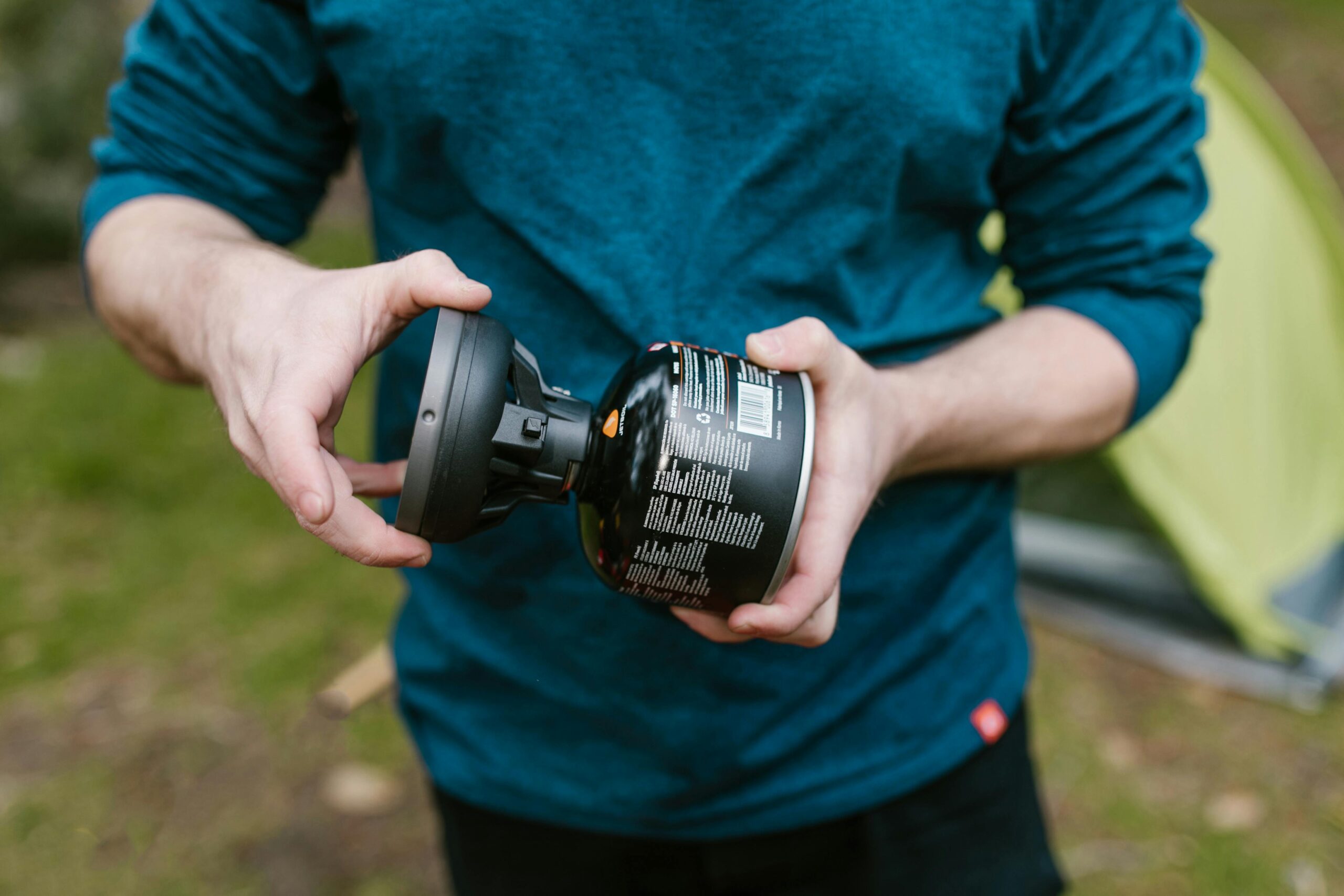
Properly store flammable materials like propane, gasoline, and kerosene in approved containers at safe distances from structures. Keep these materials in well-ventilated areas, never in living spaces, and ensure containers remain sealed when not in use.
Educate all cabin users about fire safety protocols. Guests may not understand the unique risks of mountain properties or proper operation of wood stoves and other equipment. Clear instructions and visible safety reminders help everyone contribute to cabin protection.
🔐 Preparing for the Worst While Hoping for the Best
Despite best efforts, fires sometimes still occur. Preparing for this possibility through documentation, insurance, and emotional readiness helps you recover more effectively should tragedy strike. Consider your cabin’s irreplaceable elements and how you might preserve memories even if the structure cannot be saved.
Photograph or video document your cabin’s contents, construction details, and improvements regularly. Store these records off-site or in cloud storage where they’ll remain accessible after a fire. This documentation streamlines insurance claims and helps prove loss values.
Keep digital copies of important documents including property deeds, insurance policies, permits, and improvement records. Physical copies stored in fireproof safes at the cabin may still be lost in severe fires, but digital backups remain accessible from anywhere.
Consider what makes your cabin truly special—perhaps it’s the hand-carved mantel, the family photographs on the walls, or your grandmother’s quilt. Create a prioritized list of irreplaceable items to grab during evacuations when time permits. Accept that possessions can be replaced but lives and truly precious heirlooms cannot.
Mountain retreats offer incredible experiences and lifetime memories, but they also demand responsible stewardship. Fire safety in remote cabins and chalets requires vigilance, investment, and ongoing commitment. By understanding risks, implementing proven prevention strategies, maintaining detection and suppression systems, and fostering safe daily practices, you dramatically improve your cabin’s chances of surviving fire threats. The peace of mind that comes from knowing you’ve done everything reasonable to protect your mountain sanctuary allows you to fully enjoy the beauty and tranquility that drew you there in the first place. Your cabin represents more than a building—it’s a refuge, a gathering place, and often a legacy. Protecting it through comprehensive fire safety measures honors that significance and ensures it remains available for future generations to cherish. 🏔️