
Nestled among towering peaks and crisp alpine air, mountain homes face unique climate challenges that make energy efficiency not just desirable, but essential for comfortable living.

☀️ Understanding Passive Solar Design in Mountain Environments
Passive solar heating represents one of nature’s most elegant solutions for warming mountain homes without relying heavily on conventional energy sources. This time-tested approach harnesses the sun’s predictable path across the sky, converting sunlight into usable heat through thoughtful architectural design and strategic material selection.
Mountain regions present both opportunities and obstacles for passive solar implementation. The high altitude typically means more intense solar radiation due to thinner atmosphere, yet colder temperatures and unpredictable weather patterns demand careful planning. Understanding these dynamics creates the foundation for homes that remain comfortable year-round while minimizing energy consumption and utility costs.
The core principle involves capturing solar energy during daylight hours, storing that thermal mass, and gradually releasing warmth throughout the evening and nighttime hours. This natural cycle eliminates the need for constant heating system operation, creating spaces that breathe with the rhythm of the sun itself.
🏔️ Site Selection and Orientation: Your Foundation for Success
Before any construction begins, positioning your mountain home correctly determines 80% of your passive solar success. South-facing slopes in the Northern Hemisphere (north-facing in the Southern Hemisphere) capture maximum sunlight throughout winter months when heating needs peak.
The ideal building site features unobstructed southern exposure, particularly during the critical hours between 9 AM and 3 PM when solar collection proves most effective. Even partial shading from neighboring peaks, dense forests, or other structures significantly diminishes thermal performance.
Evaluating Solar Access Throughout the Seasons
Mountain topography creates unique shadow patterns that shift dramatically between summer and winter solstices. Winter sun travels a lower arc across the sky, making it more susceptible to obstruction. Conducting a thorough solar site analysis using tools like sun path diagrams or digital modeling software helps predict year-round performance before breaking ground.
Consider these critical factors when selecting your building site:
- Solar window availability from 9 AM to 3 PM during winter months
- Protection from prevailing winds without blocking southern exposure
- Terrain slope that naturally complements building orientation
- Distance from large evergreen trees that cast year-round shadows
- Access to reflective surfaces like snow or water that amplify solar gain
🪟 Window Placement and Glazing: Your Solar Collection System
Windows serve as the primary solar collectors in passive heating design, functioning essentially as energy portals that invite warmth while maintaining views and natural light. Strategic glazing placement transforms simple openings into sophisticated thermal management systems.
The ideal passive solar home features 60-75% of its glazing on the south facade, with minimal windows on north walls where heat loss occurs most rapidly. East and west windows should be limited since they contribute less to winter heating while potentially causing summer overheating.
Choosing the Right Glass Technology
Modern glazing technology offers remarkable performance characteristics that dramatically impact thermal efficiency. Double-pane low-E windows represent the minimum standard for mountain climates, while triple-pane options provide even better insulation values crucial for harsh winter conditions.
High solar heat gain coefficient (SHGC) ratings between 0.55 and 0.65 work best for south-facing passive solar windows, allowing maximum solar transmission. Conversely, windows on other orientations benefit from lower SHGC values to minimize unwanted heat loss and gain.
| Window Orientation | Recommended Glazing | SHGC Range |
|---|---|---|
| South-facing | Double/triple-pane, high SHGC | 0.55-0.65 |
| North-facing | Triple-pane, low SHGC | 0.25-0.35 |
| East/West-facing | Double/triple-pane, moderate SHGC | 0.35-0.45 |
🧱 Thermal Mass: The Battery for Your Solar Heat
Collecting solar energy represents only half the equation. Storing that warmth for gradual release throughout cold mountain nights requires substantial thermal mass positioned strategically within your living spaces.
Dense materials like concrete, brick, stone, tile, and adobe excel at absorbing heat during sunny periods and radiating it back slowly as temperatures drop. The key lies in placing these materials where direct sunlight strikes them most intensely throughout the day.
Optimal Thermal Mass Applications
Concrete slab floors topped with dark tile or stained finishes create excellent thermal batteries, particularly when insulated underneath to prevent heat loss downward. Masonry walls positioned perpendicular to south-facing windows intercept morning and afternoon sun at optimal angles.
Interior thermal mass should be exposed to maximize surface area contact with room air. Covering concrete or masonry with carpeting, wood, or thick insulation defeats the purpose by blocking thermal exchange. A general guideline suggests 4-6 inches of thermal mass depth for each square foot of south-facing glazing.
Water storage presents another effective thermal mass option, with roughly four times the heat capacity per unit volume compared to masonry. Built-in water walls, though less common in modern construction, can dramatically enhance passive solar performance when properly integrated into architectural design.
🌡️ Insulation and Air Sealing: Keeping the Heat Where You Want It
Even the most sophisticated passive solar design fails without exceptional building envelope performance. Mountain climates demand aggressive insulation levels that far exceed standard building codes to combat extreme temperature differentials and harsh weather exposure.
Wall assemblies should achieve R-30 to R-40 values, while ceiling insulation needs R-50 to R-60 performance in most mountain regions. Foundation insulation proves equally critical, preventing heat migration into cold earth that acts as an infinite heat sink.
Air Sealing: The Invisible Energy Thief
Air infiltration undermines insulation performance by allowing conditioned air to escape while drawing cold outside air inward. Meticulous air sealing around windows, doors, electrical penetrations, and structural connections creates the continuous barrier necessary for energy efficiency.
Blower door testing quantifies air leakage, with passive solar mountain homes targeting 1.5 air changes per hour at 50 Pascals (ACH50) or better. This level of tightness requires mechanical ventilation to maintain indoor air quality, but the energy savings far exceed ventilation system costs.
⚖️ Balancing Solar Gain and Summer Comfort
Effective passive solar design must address both heating and cooling seasons. Mountain summers can surprise newcomers with intense solar radiation that quickly overheats spaces optimized for winter warmth collection.
Properly sized overhangs above south-facing windows block high-angle summer sun while allowing low-angle winter rays to penetrate deep into living spaces. Calculating precise overhang dimensions requires knowledge of your latitude and window head height, but generally ranges from 24 to 36 inches for most mountain locations.
Additional Summer Cooling Strategies
Operable windows positioned strategically enable natural cross-ventilation, flushing accumulated heat during cool mountain evenings. Stack ventilation through high clerestory windows releases warm air that naturally rises, creating airflow without mechanical assistance.
Deciduous trees planted on south and west sides provide summer shading while dropping leaves to admit winter sunlight. This biological thermostat adjusts automatically with seasonal transitions, though trees require years to reach effective size.
Interior thermal mass that warms homes during winter also stabilizes temperatures during summer, absorbing daytime heat and releasing it during cooler nights. This thermal flywheel effect moderates temperature swings in both directions.
🎯 Integrating Backup Heating Systems
Even well-designed passive solar homes in mountain environments need supplemental heating during extended cloudy periods or extreme cold snaps. The goal isn’t eliminating backup systems entirely but minimizing their runtime and energy consumption.
Radiant floor heating pairs beautifully with passive solar design, using thermal mass already present in floor assemblies as distribution network. High-efficiency heat pumps, wood stoves, or pellet heaters provide point-source warmth during peak demand periods without overwhelming carefully balanced thermal dynamics.
Zoned heating approaches match energy input to actual needs, avoiding the waste of heating unused spaces. Programmable thermostats and smart controls optimize backup system operation based on weather forecasts, time of day, and occupancy patterns.
💰 Economic Considerations and Return on Investment
Passive solar design elements typically add 5-10% to initial construction costs compared to conventional building methods. However, reduced utility expenses create payback periods ranging from 7-12 years in most mountain locations, after which the savings represent pure economic gain.
Energy independence carries particular value in remote mountain settings where utility connections prove expensive or unreliable. Homes that maintain comfortable temperatures during power outages offer both financial security and peace of mind.
Property values increasingly reflect energy performance as buyers recognize long-term operational costs. Passive solar homes command premium pricing while spending less time on the market, recovering initial investments through both monthly savings and enhanced resale value.
🛠️ Retrofitting Existing Mountain Homes
Not everyone starts with a blank slate. Existing mountain homes can incorporate passive solar principles through strategic renovations that dramatically improve thermal performance without complete reconstruction.
Adding south-facing windows or enlarging existing ones captures more solar energy, though this must be balanced with proper thermal mass installation to prevent overheating. Interior masonry walls, tile floors over concrete backers, or even phase-change materials provide thermal storage in retrofit applications.
Incremental Improvement Strategies
Enhancing insulation levels throughout the building envelope reduces heat loss, making passive solar gains more effective. Air sealing existing structures often delivers the highest return on investment, dramatically reducing infiltration losses for modest cost.
Installing proper overhangs or exterior shading devices addresses summer overheating while protecting windows from weather exposure. Even simple measures like thermal curtains or cellular shades minimize nighttime heat loss through glazing.
🌍 Environmental Impact Beyond Energy Savings
Passive solar mountain homes embody sustainability principles that extend far beyond reduced utility bills. Minimizing fossil fuel consumption directly decreases greenhouse gas emissions, while thoughtful design respects natural landscapes rather than dominating them.
Reduced heating demand means smaller backup systems requiring less manufacturing energy and raw materials. Simplicity inherent in passive solar design creates buildings with fewer mechanical systems to maintain, replace, or eventually dispose of in landfills.
Connection to natural cycles of sun and season fosters mindfulness about energy use and environmental stewardship. Living in harmony with climate rather than fighting against it represents a philosophical shift with implications reaching far beyond individual homes.
🏡 Living the Mountain Passive Solar Lifestyle
Occupant behavior significantly influences passive solar performance. Understanding how your home responds to weather patterns, adjusting window coverings appropriately, and managing thermal mass exposure maximizes natural heating potential.
Opening south-facing curtains on sunny winter mornings floods thermal mass with warmth, while closing them at dusk traps collected heat inside. Conversely, shading windows during summer days prevents unwanted gain, then opening them during cool evenings flushes accumulated warmth.
This active engagement with your home’s thermal performance creates a rewarding connection to place and season. Rather than setting a thermostat and forgetting it, passive solar living involves mindful participation in creating comfort through natural means.
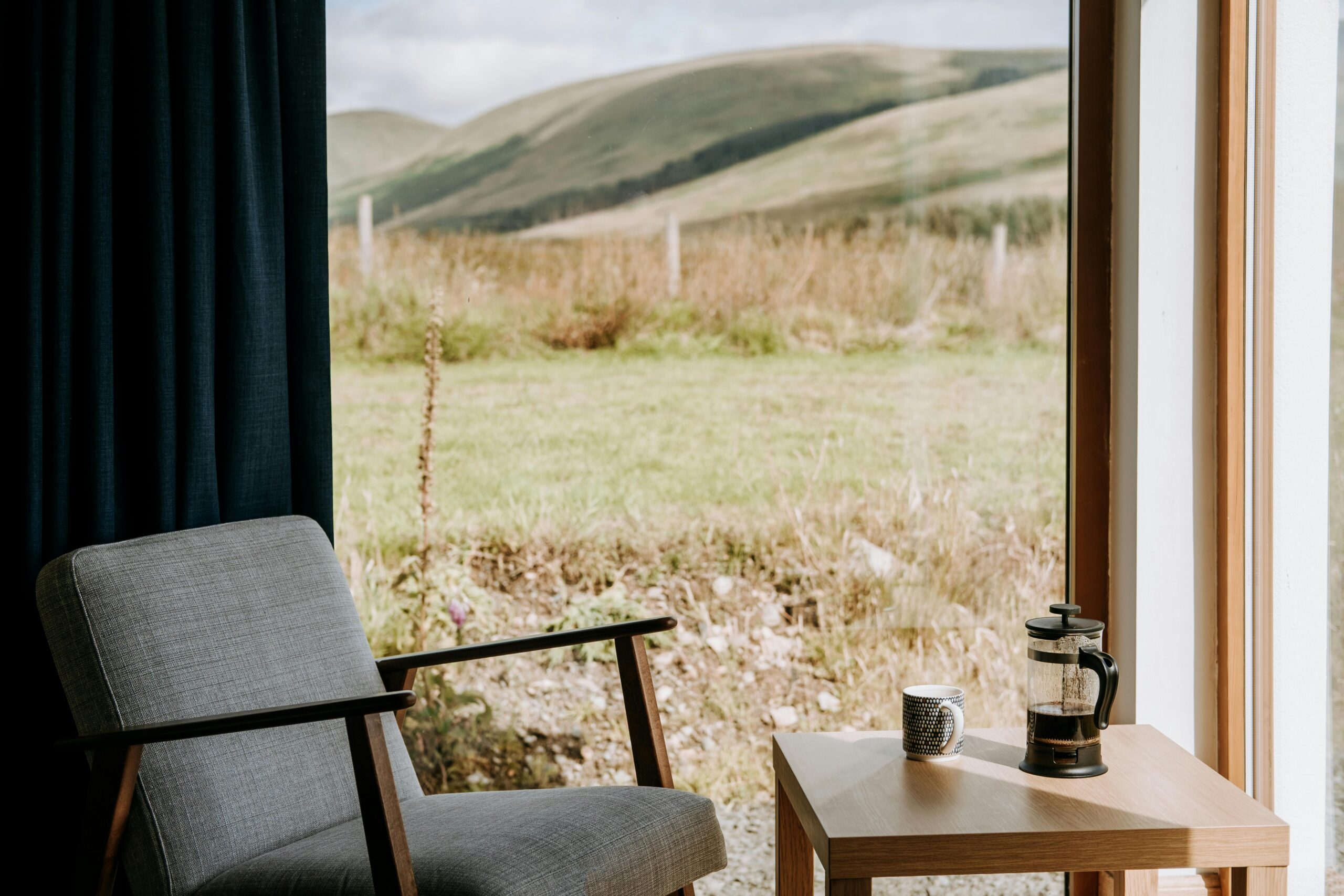
✨ Designing Your Mountain Solar Sanctuary
Creating a successful passive solar mountain home requires integrating multiple design elements into cohesive, beautiful architecture that enhances daily life while respecting environmental constraints. Work with architects and builders experienced in passive solar principles who understand mountain climate challenges.
Begin with computer modeling to predict performance before construction, avoiding costly mistakes that become permanent once buildings are complete. Energy modeling software calculates solar gains, thermal mass effects, and overall heating loads with remarkable accuracy, optimizing design decisions for maximum efficiency.
The result transcends mere energy efficiency, creating homes filled with natural light, connected to landscape and season, comfortable throughout the year, and gentle on both environment and budget. Mountain bliss becomes not just a romantic ideal but a practical reality achieved through timeless principles of solar design adapted to spectacular alpine settings.
As energy costs continue rising and climate concerns intensify, passive solar mountain homes represent proven solutions that deliver comfort, economy, and sustainability. These aren’t experimental concepts but mature technologies refined over decades, now enhanced by modern materials and analytical tools that make implementation easier than ever.
Your journey toward creating a cozy, energy-efficient mountain retreat begins with understanding these fundamental principles and working with qualified professionals to translate them into the unique home you envision. The sun rises each day offering abundant, free energy—passive solar design simply helps you capture and use that gift effectively throughout the year.