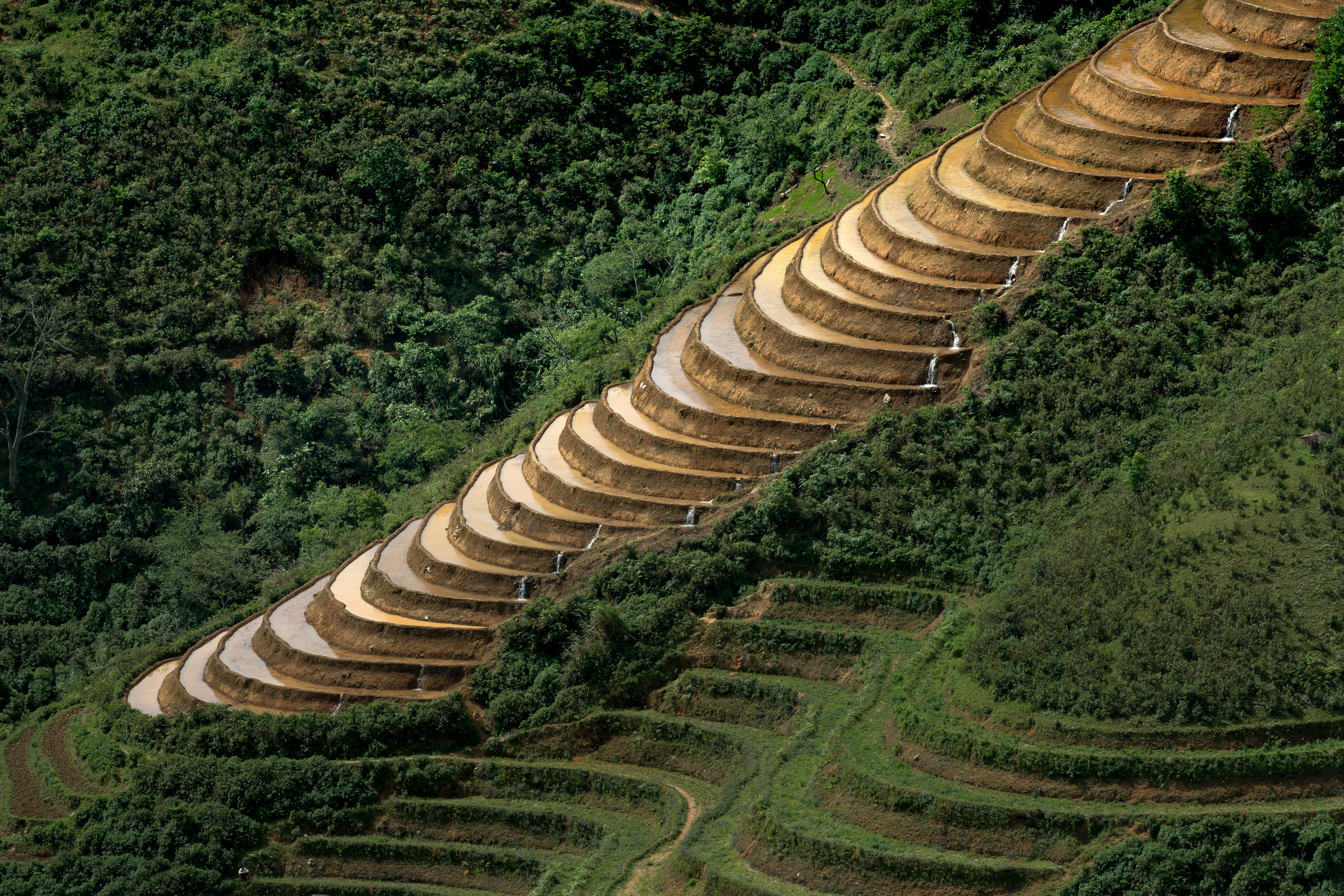
Alpine architecture has captivated designers and homeowners for centuries, blending natural materials with innovative engineering to create structures that harmonize beautifully with mountain landscapes.

🏔️ The Timeless Appeal of Alpine Architecture
When you think of mountain retreats, what comes to mind? Perhaps it’s the warm glow of timber chalets nestled against snow-capped peaks, or the solid permanence of stone cottages that seem to grow from the earth itself. Alpine structures represent more than just buildings—they embody a philosophy of living in harmony with nature while respecting the challenging conditions of mountain environments.
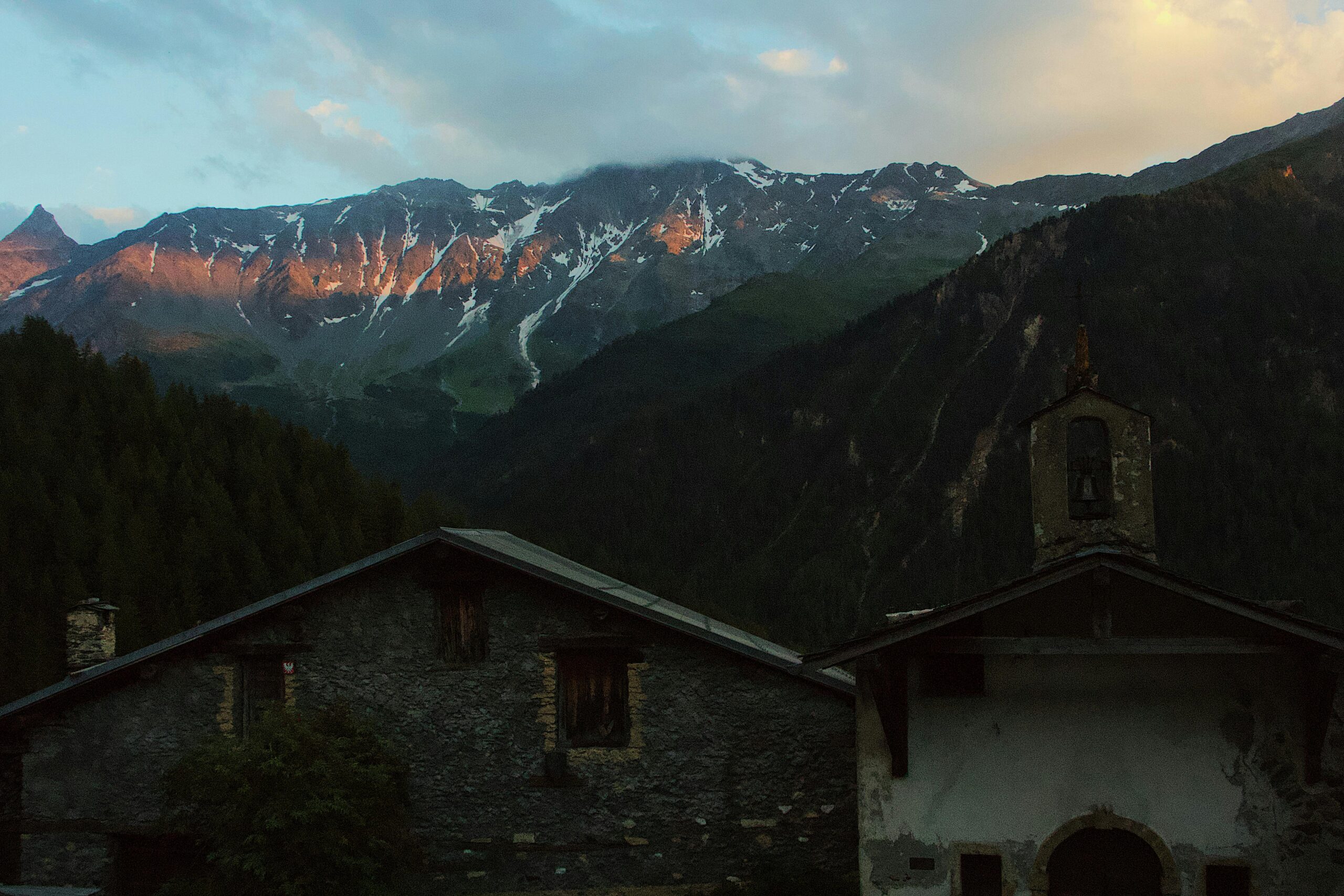
The beauty of alpine architecture lies in its honest use of materials. Stone, timber, and hybrid combinations have stood the test of time, not just aesthetically but functionally. These materials offer natural insulation, durability against harsh weather, and a visual warmth that synthetic alternatives simply cannot replicate.
Today’s alpine designs draw from centuries of traditional building wisdom while incorporating modern engineering and sustainability principles. Whether you’re planning a vacation home, a resort project, or a permanent mountain residence, understanding these fundamental materials will help you create something truly exceptional.
The Enduring Strength of Stone Structures 🪨
Stone has been humanity’s building companion since our earliest civilizations, and for good reason. In alpine environments, stone structures offer unparalleled durability and thermal mass properties that help regulate interior temperatures through extreme seasonal variations.
Why Stone Excels in Mountain Environments
Stone construction provides natural fire resistance—a critical consideration in forested mountain areas where wildfires pose significant risks. The thermal mass of stone walls absorbs heat during the day and releases it slowly at night, reducing heating costs and creating comfortable living spaces without constant temperature fluctuations.
Local stone sourcing connects your project to its geographical context. Granite, limestone, slate, and fieldstone each carry distinct colors and textures that reflect regional geology. This approach minimizes transportation costs and environmental impact while creating authentic aesthetic harmony with the surrounding landscape.
Design Considerations for Stone Alpine Buildings
Working with stone requires careful planning. The material’s weight demands robust foundations and structural engineering, especially on sloped terrain common to mountain sites. However, this apparent limitation becomes an advantage—properly designed stone structures can last centuries with minimal maintenance.
Modern stone construction techniques include dry-stacked walls, mortar-set masonry, and stone veneer systems. Each approach offers different aesthetic and structural characteristics. Dry-stacked walls showcase individual stone shapes and create rustic charm, while precisely cut and mortared stone presents a more refined appearance.
Interior stone features—fireplaces, accent walls, flooring—bring the mountain aesthetic inside while providing functional benefits. Stone floors in entryways handle wet boots and ski equipment without damage, while stone fireplaces create focal points that radiate warmth throughout living spaces.
The Warmth and Versatility of Timber Construction 🌲
Timber represents the heart of alpine building traditions. From Swiss chalets to Scandinavian mountain lodges, wood construction has defined mountain architecture across cultures and continents. The material’s natural beauty, workability, and renewable nature make it ideal for sustainable alpine projects.
Understanding Timber Construction Methods
Several timber building systems suit alpine applications. Log construction uses horizontal logs stacked and interlocked at corners, creating thick walls with excellent insulation. Timber frame construction employs large posts and beams to create the structural skeleton, with walls filled using various materials.
Post-and-beam architecture showcases the structural timber as a design feature, with exposed beams creating dramatic interior spaces. Cross-laminated timber (CLT) represents modern engineering, bonding wood layers to create panels that rival concrete in strength while maintaining wood’s aesthetic and environmental advantages.
Selecting the Right Wood Species
Wood selection significantly impacts your project’s performance and appearance. Douglas fir offers excellent strength-to-weight ratios and beautiful grain patterns. Western red cedar provides natural rot resistance and dimensional stability. Larch and spruce offer affordability while maintaining good structural properties.
Treated and properly maintained timber resists moisture, insects, and decay remarkably well. Modern wood treatments penetrate deep into fibers without toxic chemicals, protecting against biological threats while maintaining the wood’s natural appearance and breathability.
Timber’s Acoustic and Atmospheric Benefits
Wood interiors create acoustic environments that stone and concrete cannot match. Timber absorbs and diffuses sound naturally, reducing echo and creating warm, comfortable spaces perfect for relaxation and conversation. The organic compounds released by wood contribute to improved indoor air quality and psychological well-being.
Studies consistently show that wood interiors reduce stress and promote relaxation. This biophilic connection—humanity’s innate affinity for natural materials—makes timber particularly valuable in retreat settings where restoration and rejuvenation are primary goals.
Hybrid Structures: The Best of Both Worlds ⚡
Hybrid alpine structures combine stone, timber, and sometimes modern materials like steel and glass to optimize performance while creating visually stunning designs. This approach allows architects and builders to leverage each material’s strengths while mitigating individual weaknesses.
Strategic Material Placement in Hybrid Designs
Successful hybrid structures place materials where they perform best. Stone foundations and lower-level walls provide stability, moisture resistance, and thermal mass. Timber upper levels reduce structural loads while creating warm living spaces with better views through larger window openings.
The transition between materials creates visual interest and architectural character. Exposed timber framing against stone walls, wooden balconies extending from stone bases, and mixed-material facades all showcase thoughtful design that respects both materials’ properties.
Modern Materials as Complementary Elements
Contemporary hybrid designs often incorporate glass, steel, and engineered composites alongside traditional materials. Floor-to-ceiling windows frame mountain views while passive solar design principles reduce energy consumption. Steel moment frames allow open floor plans that would be impossible with load-bearing stone or timber alone.
These modern additions don’t compromise authenticity when thoughtfully integrated. Minimalist steel supports can highlight rather than compete with natural materials, while high-performance glazing systems provide energy efficiency that respects environmental values central to mountain living.
Climate Resilience and Environmental Performance 🌍
Alpine structures face extreme conditions—heavy snow loads, dramatic temperature swings, intense UV radiation at altitude, and potential avalanche or rockfall hazards. Material selection directly impacts how buildings weather these challenges over decades of use.
Thermal Performance Across Seasons
Stone’s thermal mass moderates temperature extremes, while timber provides natural insulation. Hybrid designs optimize these properties through strategic placement. South-facing stone walls absorb winter sun, releasing heat into living spaces during cold nights. Timber north walls provide insulation against cold winds without unnecessary thermal mass.
Modern insulation systems enhance natural material properties. Exterior insulation preserves interior stone and timber as thermal mass, while preventing thermal bridging that causes heat loss. Proper detailing at material transitions prevents air leakage that compromises performance regardless of insulation thickness.
Water Management and Durability
Mountain environments present unique moisture challenges—heavy snow accumulation, rapid spring melts, intense summer storms, and wide humidity variations. Proper water management begins with roof design: generous overhangs protect walls from precipitation, while adequate pitch ensures snow slides off before loads become dangerous.
Drainage systems must handle extreme events. Stone bases should include weep holes and drainage planes. Timber elements require vapor barriers positioned correctly for the climate, allowing walls to dry toward the appropriate direction. Foundation drainage prevents water accumulation that could undermine structures or create ice damage.
Sustainability and Local Material Sourcing 🌱
Alpine construction naturally aligns with sustainable building principles when approached thoughtfully. Stone and timber are renewable or abundant materials with low embodied energy compared to concrete, steel, and synthetic alternatives.
The Carbon Argument for Timber
Wood sequesters carbon throughout its life as building material, making timber structures carbon-negative when sustainably sourced. Managed forests produce timber continuously while maintaining ecosystem health, habitat diversity, and watershed protection.
Local timber sourcing reduces transportation emissions while supporting regional forestry economies. Many mountain communities depend on sustainable timber industries that provide employment while managing forests for multiple benefits including recreation, wildlife habitat, and climate resilience.
Stone Quarrying and Environmental Impact
Stone extraction creates environmental impacts that vary significantly by quarry practices. Local stone sourcing minimizes transportation, while responsible quarries implement restoration plans that return sites to beneficial use. Some quarries become wetlands, recreation areas, or wildlife habitats after extraction completes.
Stone’s extreme durability means environmental costs are amortized across centuries of use. A stone structure requiring minimal maintenance for 200 years has far less lifecycle impact than structures requiring replacement or major renovation every few decades.
Design Integration with Mountain Landscapes 🎨
The most successful alpine structures appear inevitable—as though they’ve always belonged to their sites. Achieving this requires careful attention to proportion, material palette, and siting decisions that respect topography and ecology.
Topographical Considerations
Steep slopes present challenges and opportunities. Stone retaining walls can create level building pads while adding character. Timber structures on piers minimize site disturbance while providing storage beneath main living levels. Split-level designs follow natural contours, reducing excavation while creating varied interior spaces.
Solar orientation optimizes passive heating and daylighting. South-facing glazing captures winter sun while overhangs prevent summer overheating. Strategic window placement frames views while maintaining privacy and controlling glare from snow and water reflections.
Respecting Viewsheds and Natural Settings
Scale matters profoundly in mountain contexts. Massive structures overwhelm landscapes, while appropriately sized buildings complement their settings. Breaking larger programs into multiple connected structures reduces visual impact while creating intimate relationships with surroundings.
Color palettes drawn from natural materials ensure buildings recede visually. Earth tones, natural wood colors, and stone grays blend with forests, meadows, and rock formations. Highly reflective or artificially colored materials disrupt visual harmony and appear jarring against organic backdrops.
Practical Considerations for Your Alpine Project 🛠️
Translating alpine architecture dreams into reality requires addressing practical concerns including budgets, timelines, contractors, and regulatory requirements. Understanding these factors early prevents disappointments and ensures successful project completion.
Cost Implications of Material Choices
Stone construction typically costs more upfront than timber or conventional building methods. However, lifecycle costs often favor stone due to minimal maintenance and exceptional durability. Timber costs vary widely depending on species, treatment, and construction method, with log and heavy timber generally more expensive than conventional framing.
Hybrid approaches can balance budgets by using stone strategically for foundations and focal elements while employing timber for primary structures. Value engineering during design development identifies opportunities to achieve desired aesthetics and performance within budget constraints.
Finding Qualified Contractors
Specialized skills are required for quality stone masonry and timber framing. Research contractors’ previous projects, verify references, and review examples similar to your vision. Regional contractors familiar with local materials and climate conditions often deliver better results than general contractors without alpine experience.
Building in remote mountain locations adds logistical challenges—material delivery, accommodation for workers, seasonal weather constraints. Experienced alpine contractors anticipate these issues and build appropriate contingencies into schedules and budgets.
Regulatory and Permitting Factors
Mountain jurisdictions often have specific requirements addressing wildfire resistance, snow loads, avalanche zones, and environmental protection. Early consultation with building departments prevents design conflicts requiring expensive revisions. Some areas restrict building envelopes, require wildlife corridors, or mandate specific aesthetic standards.
Historical districts or areas with design review processes may encourage or require traditional materials and construction methods. Understanding these requirements early ensures your design aligns with community standards while expressing your vision.
Creating Your Alpine Legacy 🏡
Choosing stone, timber, or hybrid construction for your alpine project means investing in architecture that transcends trends. These materials and methods have created beloved structures for centuries and will continue serving beautifully for generations beyond your lifetime.
The sensory experience of natural materials cannot be replicated artificially. Cool stone underfoot on summer mornings, warm timber glowing in firelight during winter evenings, the subtle fragrance of wood interiors—these qualities create emotional connections between occupants and places.
Whether you envision a stone refuge evoking ancient fortifications, a timber retreat celebrating traditional craftsmanship, or a hybrid design expressing contemporary alpine sensibilities, embrace the opportunity to work with materials that have proven themselves across centuries and continents. Your project will contribute to architectural traditions while creating personal sanctuary amidst the mountains.
The elements—earth, wood, sky—invite you to build something meaningful. Accept that invitation, honor these materials’ inherent qualities, and create alpine architecture worthy of its spectacular setting. The mountains have inspired humanity’s greatest structures; your project can join that noble lineage while serving your specific needs beautifully and sustainably.