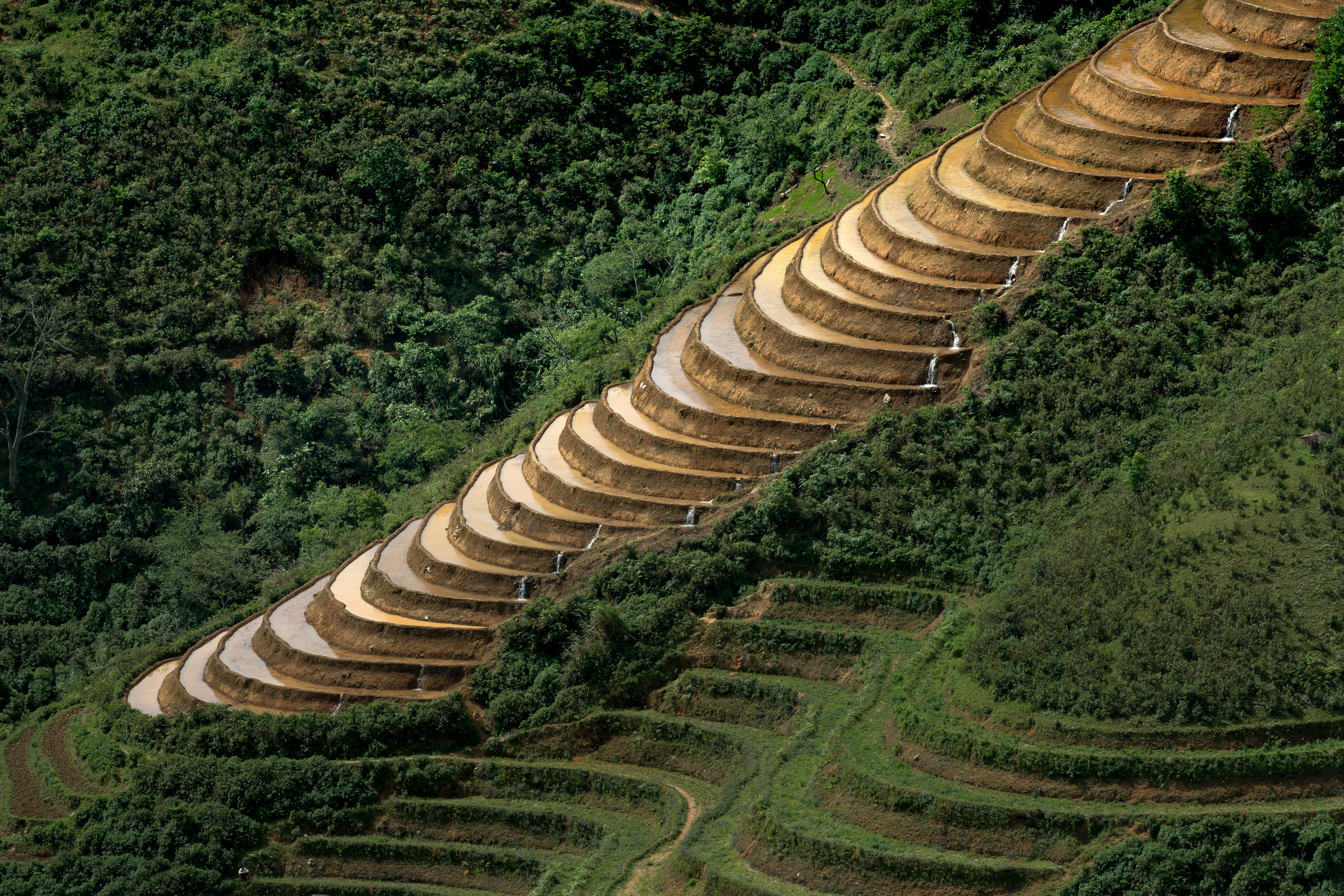
Modern alpine architecture merges breathtaking mountain landscapes with innovative design, creating spaces that celebrate both nature and human ingenuity in extraordinary ways.

🏔️ The Evolution of Mountain Architecture: From Traditional Chalets to Contemporary Masterpieces
Alpine architecture has undergone a remarkable transformation over the past century. What once consisted primarily of rustic wooden chalets with thick walls and small windows has evolved into a sophisticated architectural movement that respects tradition while embracing contemporary design principles. Today’s mountain dwellings incorporate cutting-edge sustainable technologies, expansive glazing systems, and materials that respond intelligently to harsh alpine environments.
The shift began in earnest during the mid-20th century when architects started questioning conventional approaches to mountain living. They recognized that while traditional chalets served their purpose admirably, new building technologies and materials offered opportunities to create structures that could better capture views, maximize natural light, and minimize environmental impact. This thinking has led to some of the most inspiring residential architecture in the world.
Contemporary alpine architecture doesn’t reject tradition—it reinterprets it. The pitched roofs that once served purely functional purposes now become dramatic design statements. Local materials like stone and timber remain prominent but are employed in innovative ways that showcase their natural beauty while meeting modern performance standards. The result is architecture that feels simultaneously timeless and progressive.
Thermal Performance: Engineering Comfort in Extreme Conditions
One of the defining challenges of alpine architecture is maintaining comfortable interior temperatures while withstanding extreme weather conditions. Mountain environments present unique thermal challenges, with intense solar radiation during the day, dramatic temperature drops at night, heavy snow loads, and fierce winds. Modern architects have developed sophisticated strategies to address these challenges.
High-performance insulation systems form the foundation of thermal comfort in contemporary alpine homes. Triple-glazed windows with low-emissivity coatings and insulated frames prevent heat loss while still providing the expansive views that make mountain living so appealing. Some projects incorporate dynamic insulation systems that adjust their thermal properties based on external conditions, providing optimal performance year-round.
Thermal mass plays a crucial role in many successful alpine designs. Concrete floors and stone walls absorb heat during sunny winter days and release it slowly overnight, reducing heating demands. When combined with radiant floor heating systems and heat recovery ventilation, these homes maintain exceptional comfort with surprisingly modest energy consumption.
Case Study: The Oberholz Mountain Hut, South Tyrol 🎿
Perched at 2,096 meters in the Italian Dolomites, the Oberholz Mountain Hut by Peter Pichler Architecture demonstrates how contemporary design can enhance the alpine experience. This stunning structure serves as both a restaurant and observation point, with a distinctive angular form that appears to grow from the mountainside.
The building’s exterior features charred larch cladding, a traditional preservation technique that creates a dark, weather-resistant surface while reducing maintenance requirements. This façade contrasts beautifully with the bright interior, where floor-to-ceiling windows frame panoramic mountain views. The angular geometry isn’t merely aesthetic—it responds directly to solar orientation, prevailing winds, and snow accumulation patterns.
Inside, the design prioritizes connection to the landscape through carefully positioned glazing and an open floor plan that allows visitors to appreciate the 360-degree mountain panorama. The material palette remains intentionally restrained, with light wood surfaces and minimal detailing that keeps focus on the extraordinary setting. Sustainable systems include solar panels integrated into the roof structure and a biomass heating system that uses local resources.
Integrating Glass: Transparency Without Compromise
The desire for panoramic mountain views must be balanced against thermal performance, structural requirements, and occupant privacy. Contemporary alpine architects have mastered the art of strategic glazing placement, creating homes that feel open to nature while maintaining high performance standards.
Corner glazing systems eliminate visual barriers between interior and exterior, creating seamless transitions that amplify the sense of space. These installations require sophisticated engineering to handle structural loads and thermal bridging, but the results justify the complexity. Some designs incorporate movable glass walls that can be opened completely during mild weather, blurring the boundary between indoor and outdoor living.
Privacy concerns in glazed mountain homes are often less significant than in urban settings, but architects still employ thoughtful strategies. Strategic positioning of solid walls, integration of operable screens, and careful site analysis ensure that private spaces remain comfortable while public areas celebrate openness. Smart glass technology, which can transition from transparent to opaque, offers another solution for spaces requiring occasional privacy.
Case Study: Chalet Anzère, Switzerland 🇨🇭
Located in the Swiss Alps, this private residence by SeARCH and Christian Müller Architects reimagines the traditional chalet typology through contemporary interpretation. The building’s most striking feature is its dramatic cantilevered upper volume, which appears to float above the landscape while providing shelter for outdoor spaces below.
The architects clad the structure in locally sourced larch shingles arranged in a gradient pattern that transitions from dense coverage at the base to more open spacing above. This creates visual interest while serving functional purposes—the denser lower sections provide additional weather protection where needed most. The building orientation maximizes southern exposure for passive solar gain while protecting northern facades against harsh winds.
Interior spaces feature a clever split-level design that creates distinct zones without sacrificing the open, flowing character essential to mountain living. Living areas occupy the upper level where large windows capture spectacular valley views. Bedrooms on the lower level maintain more intimate proportions and connect directly to the landscape through private terraces. The material palette emphasizes natural finishes—oak flooring, exposed concrete, and untreated wood surfaces that will develop character over time.
Material Authenticity: Choosing Finishes That Age Gracefully
The harsh alpine environment tests every material choice. Successful mountain architecture employs materials that not only withstand extreme conditions but improve with age, developing patinas that enhance rather than diminish their appearance. This approach reduces maintenance demands while creating buildings that feel increasingly connected to their environment over time.
Timber remains the quintessential alpine building material, but contemporary architects use it with greater sophistication than ever. Cross-laminated timber (CLT) panels allow for larger spans and more open floor plans while maintaining excellent thermal performance. Surface treatments like charring, oiling, or allowing natural weathering create distinctive appearances that protect the wood while showcasing its grain and texture.
Stone sourced from local quarries connects new buildings to regional traditions while providing unmatched durability. Modern cutting and finishing techniques allow architects to use stone in thinner sections and more varied applications than traditional construction methods permitted. When combined with contemporary materials like weathering steel and glass, these ancient materials feel fresh and relevant.
Sustainable Systems: Off-Grid Capabilities and Energy Independence ⚡
Remote mountain locations present both challenges and opportunities for sustainable design. Many contemporary alpine projects incorporate off-grid capabilities, reducing reliance on distant infrastructure while minimizing environmental impact. These systems have become increasingly sophisticated and reliable, making true energy independence achievable for mountain residences.
Photovoltaic arrays integrated into roof surfaces or mounted on dedicated structures generate electricity even in challenging mountain conditions. Battery storage systems ensure power availability during cloudy periods or at night. Modern inverters and control systems optimize performance and allow remote monitoring, essential features for properties that may be unoccupied for extended periods.
Water management requires careful planning in alpine environments. Many projects incorporate rainwater collection systems, greywater recycling, and composting toilets that reduce water consumption and eliminate the need for septic systems. Some innovative designs use snow melt as a water source, collecting and filtering it for domestic use. Heat pump systems can extract thermal energy from the ground or air even in cold climates, providing efficient heating and cooling with minimal environmental impact.
Case Study: Mountain House, Norway 🌲
This remote cabin by Fantastic Norway demonstrates how minimal interventions can create maximum impact in alpine settings. Positioned on a steep slope overlooking a fjord, the small structure uses a simple gabled form clad entirely in cor-ten steel panels that echo the rust-colored lichen covering nearby rocks.
The building’s modest 25-square-meter footprint contains surprisingly functional spaces through clever design. A large window wall on the valley-facing side floods the interior with light and frames spectacular views. Storage is integrated beneath a raised sleeping platform, maximizing usable space without cluttering the minimalist interior. The material palette is deliberately restrained—plywood panels for walls and ceiling, concrete flooring with radiant heating.
Sustainability features include a grass roof that provides insulation and helps the building blend into its surroundings. A wood-burning stove supplies heat using fallen timber from the surrounding forest. Solar panels and a battery system provide electricity for lighting and small appliances. The project proves that sustainable mountain living doesn’t require large budgets or complex systems—thoughtful design and appropriate scale can achieve remarkable results.
Landscape Integration: Working With Topography Rather Than Against It
Exceptional alpine architecture responds sensitively to site-specific conditions, working with existing topography rather than imposing predetermined forms on the landscape. This approach minimizes site disturbance, reduces construction costs, and creates buildings that feel like natural extensions of their environment.
Terracing and strategic placement allow buildings to nestle into slopes, reducing exposure to winds while maintaining views. Retaining walls that double as building foundations minimize grading requirements and can provide thermal mass benefits. Green roofs help structures disappear into their surroundings while providing insulation and managing snow loads.
Access considerations significantly influence design decisions in mountain locations. Steep sites may require funicular systems or creative parking solutions. Some projects position garages and service areas at road level with living spaces located on lower levels that open to downslope views. This approach protects primary spaces from road noise while creating more dramatic architectural experiences as residents descend into homes that reveal themselves gradually.
Interior Atmospheres: Creating Warmth Through Minimalist Restraint 🔥
Contemporary alpine interiors often appear deceptively simple, but careful attention to proportion, material selection, and detail creates spaces that feel both serene and welcoming. The minimalist aesthetic that characterizes much modern mountain architecture doesn’t mean cold or austere—rather, it allows natural materials and mountain views to take center stage.
Wood surfaces in various tones and textures provide warmth without visual clutter. Exposed structural elements like timber beams and concrete columns celebrate the craft of construction while adding visual interest. Built-in furniture and storage maintain clean lines while maximizing functionality in spaces where every square meter matters.
Lighting design plays a crucial role in creating atmosphere. Layered lighting schemes provide task illumination where needed while using indirect and accent lighting to highlight architectural features and create ambiance. Large fireplaces or wood stoves serve as focal points, providing both physical warmth and psychological comfort during long winter evenings.
Prefabrication and Modular Construction: Building Smart in Remote Locations
Constructing in remote mountain locations presents logistical challenges that make prefabrication and modular building techniques increasingly attractive. These approaches reduce on-site construction time, minimize weather-related delays, and can actually improve quality by allowing fabrication in controlled factory environments.
Modular systems range from simple prefabricated wall panels to complete volumetric units that arrive nearly finished and are craned into position. Advanced digital fabrication tools enable complex geometries and custom details while maintaining the efficiency benefits of prefabrication. This approach can significantly reduce construction costs and environmental impact compared to traditional building methods.
The aesthetic quality of prefabricated and modular buildings has improved dramatically in recent years. Contemporary examples demonstrate that these techniques don’t limit design possibilities—they simply require different thinking during the design phase. When architects embrace the constraints and opportunities of prefabrication from the project’s inception, the results can be indistinguishable from site-built construction while offering significant practical advantages.
Weather Protection: Designing for Snow, Wind, and Rain
Alpine architecture must address extreme weather conditions that would overwhelm conventional building systems. Heavy snow loads require robust structural design and roof geometries that manage accumulation and shedding. High winds demand secure cladding systems and aerodynamic forms that reduce loads. Driving rain and freeze-thaw cycles test every junction and detail.
Roof design significantly influences snow management. Steep pitches shed snow naturally, reducing structural loads and eliminating dangerous accumulations. Metal roofing allows snow to slide off smoothly, while standing seam systems accommodate thermal movement. Snow guards or rails control shedding to protect entry areas and prevent damage to lower structures or vegetation.
Cladding systems must create reliable weather barriers while allowing water vapor to escape, preventing trapped moisture that could damage structure or insulation. Rainscreen designs with ventilated cavities behind exterior finishes have become standard practice. Careful detailing of joints, penetrations, and transitions ensures long-term durability with minimal maintenance requirements.
Future Horizons: Technology and Innovation in Mountain Architecture 🚀
Emerging technologies promise to further transform alpine architecture in coming years. Smart building systems that integrate climate control, lighting, security, and entertainment into unified platforms are becoming more sophisticated and user-friendly. These systems can learn occupant preferences, optimize energy consumption, and provide remote monitoring and control.
Advanced materials like phase-change materials that store and release thermal energy, super-insulating aerogels, and self-healing concretes could significantly improve building performance. Transparent photovoltaic glass may eventually allow windows to generate electricity without compromising views. 3D printing technology might enable on-site fabrication of complex components, reducing transportation requirements and expanding design possibilities.
Climate change is already influencing alpine architecture as warming temperatures alter snow patterns, increase wildfire risks, and shift vegetation zones. Future mountain buildings will need to respond to these changing conditions while minimizing their own environmental impacts. The most successful designs will balance technological innovation with timeless principles of site-sensitive design and material authenticity.
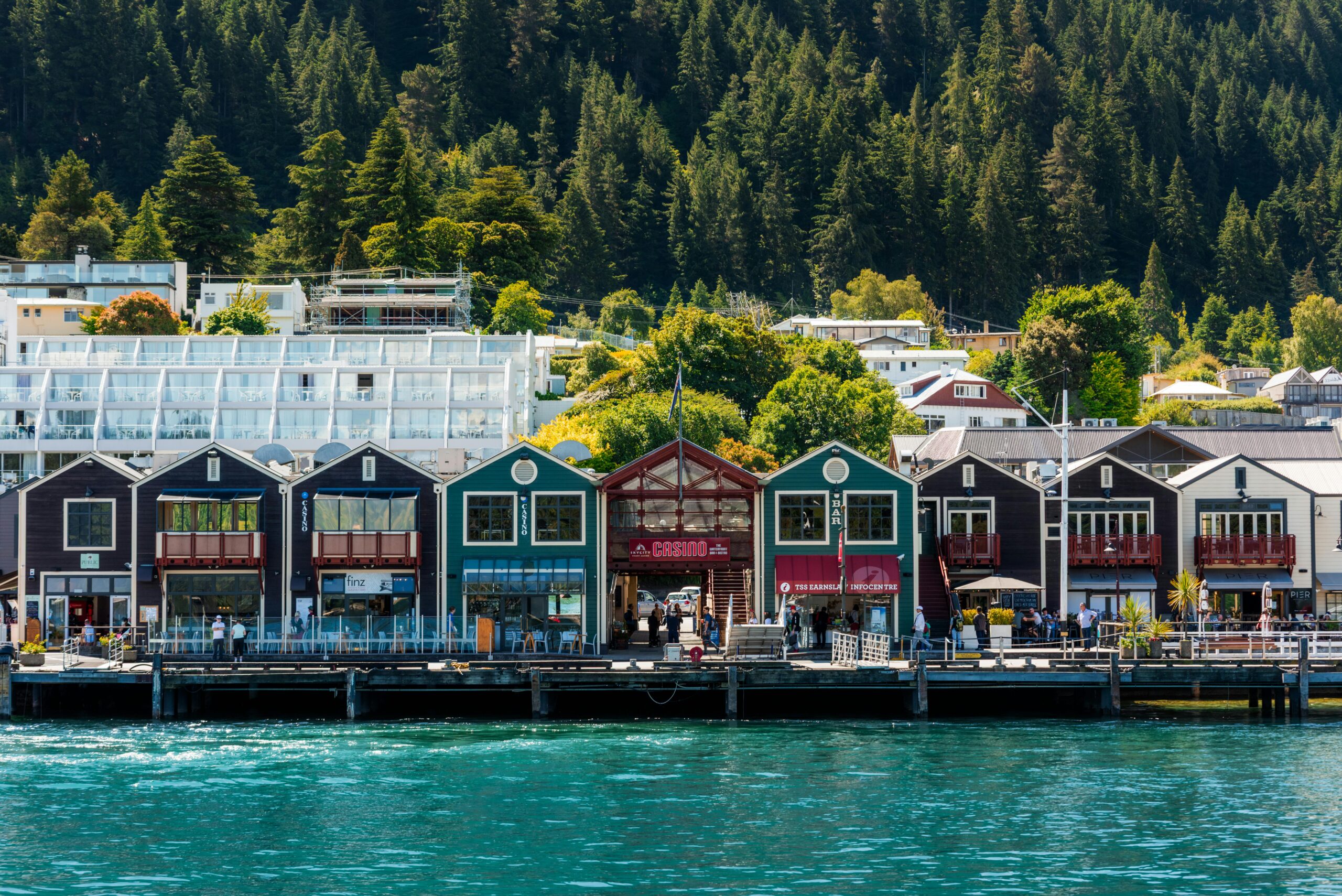
Bringing Mountain Design Principles Home: Lessons for Any Location 🏡
The principles that make alpine architecture successful can inform residential design in any setting. Emphasis on natural light, connection to outdoor spaces, and honest material expression creates homes that feel grounded and authentic regardless of location. Sustainable systems and high-performance envelopes reduce operating costs while improving comfort in any climate.
The careful restraint characteristic of contemporary mountain design offers an antidote to visual clutter and complexity. By limiting material palettes, embracing simple forms, and allowing quality rather than quantity to define spaces, architects create homes that feel serene and timeless. These qualities remain valuable whether a home overlooks alpine peaks or suburban streets.
Perhaps most importantly, the best alpine architecture demonstrates how buildings can enhance rather than diminish their settings. This respectful approach to site and context, combined with commitment to craft and detail, creates architecture that improves with age and brings lasting satisfaction to occupants. These are aspirations worth pursuing in any architectural project, mountain setting or not.