Mountains have shaped human civilizations for millennia, serving as natural sanctuaries where architecture becomes a profound expression of cultural identity and environmental adaptation.

🏔️ Where Earth Meets Sky: Architecture as Cultural Testament
Mountain architecture stands as one of humanity’s most remarkable achievements, representing far more than mere shelter against harsh alpine conditions. These structures embody centuries of accumulated wisdom, spiritual beliefs, and the indomitable human spirit that refuses to be conquered by elevation or climate. From the terraced villages of the Himalayas to the chalets of the Swiss Alps, mountain dwellings tell stories of communities who transformed vertical landscapes into thriving homelands.
The relationship between mountain peoples and their built environment reveals fundamental truths about cultural identity. Architecture in these elevated realms becomes a physical manifestation of how communities perceive themselves, their relationship with nature, and their place in the cosmos. Each timber joint, stone placement, and roof angle reflects generations of experimentation, adaptation, and cultural refinement.
The Language of Stone and Timber
Mountain architecture speaks through materials sourced from immediate surroundings, creating structures that seem to grow organically from the landscape itself. Stone foundations anchor buildings against avalanches and erosion, while timber frameworks provide flexibility during seismic events common in tectonically active mountain ranges.
In the Andes, indigenous communities developed distinctive stone-working techniques that created earthquake-resistant structures without mortar. These Incan engineering marvels demonstrate how cultural knowledge becomes embedded in architectural practice. The precisely cut stones fit together so perfectly that even centuries later, a knife blade cannot slip between them.
Similarly, the Norwegian stave churches combine Viking shipbuilding techniques with Christian symbolism, creating wooden structures that have survived for over 800 years in harsh Nordic conditions. The vertical planks, or staves, that give these churches their name represent a unique architectural solution to mountain forest environments where tall, straight timber was abundant.
Material Culture and Identity Expression
The choice of building materials in mountain regions extends beyond practical considerations into the realm of cultural identity. Alpine chalets feature wide, overhanging roofs that protect wooden facades from snow accumulation while creating distinctive silhouettes that have become synonymous with mountain culture. These architectural features communicate belonging, status, and aesthetic values specific to alpine communities.
In Bhutan, the traditional rammed-earth construction technique called “dekzhing” creates thick walls that provide thermal mass, keeping interiors cool in summer and warm in winter. The white-washed upper stories contrasting with natural earth-colored lower levels follow spiritual principles while creating visually distinctive structures that reinforce Bhutanese cultural identity.
Vertical Villages: Community in Three Dimensions
Mountain settlements challenge conventional urban planning concepts by developing vertically rather than horizontally. This three-dimensional approach to community building creates unique social dynamics and architectural solutions that reflect cultural priorities and values.
The cliff dwellings of the Ancestral Puebloans in Mesa Verde, Colorado, demonstrate how challenging topography inspires innovative community planning. These structures, built into natural alcoves on cliff faces, provided defensive advantages while creating microclimates that protected inhabitants from extreme temperature variations. The communal nature of these dwellings reflects social structures that prioritized collective security and cooperation.
In the Italian Dolomites, villages cluster around church towers that serve as both spiritual centers and visual anchors in the landscape. The tight arrangement of buildings reflects centuries of agricultural practice where arable land was too precious to waste on sprawling development. This architectural density fostered close-knit communities where social bonds remained strong across generations.
Terraced Landscapes as Architectural Achievement
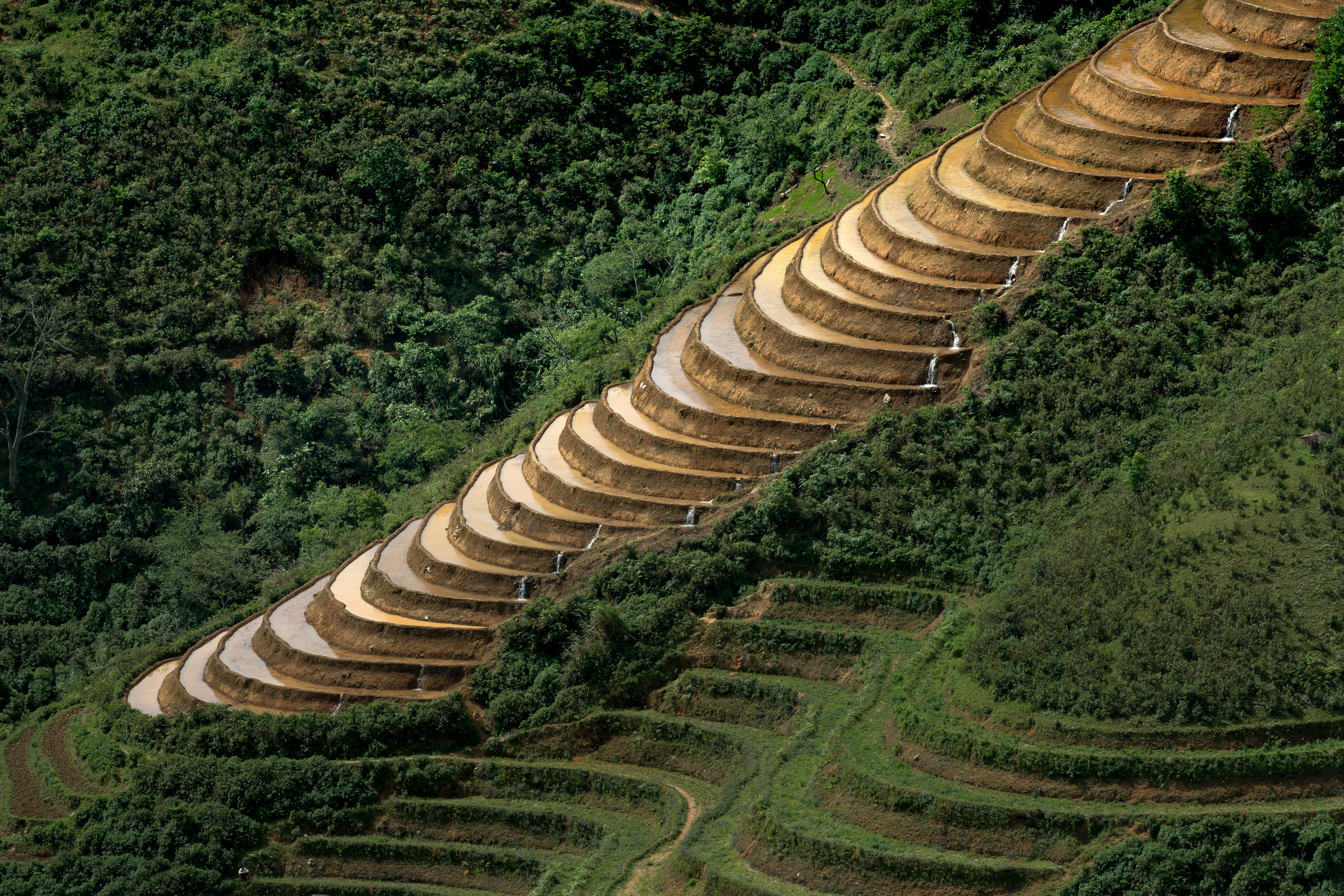
Perhaps nowhere is the integration of architecture and landscape more apparent than in agricultural terracing systems. These massive earthworks transform steep slopes into productive farmland while preventing erosion and managing water resources.
The rice terraces of the Philippine Cordilleras, often called the “Eighth Wonder of the World,” represent 2,000 years of continuous cultural practice. These terraces are not merely agricultural infrastructure but complex architectural systems that include irrigation channels, retaining walls, and integrated settlements. The Ifugao people consider the terraces living cultural landscapes where architecture, agriculture, and spirituality merge seamlessly.
Sacred Peaks: Spiritual Architecture in Mountain Settings
Mountains hold profound spiritual significance across cultures, and the architecture built in these settings often serves religious or ceremonial purposes that reinforce cultural identity through sacred space.
Buddhist monasteries perched on Himalayan cliffs like Tiger’s Nest in Bhutan represent architectural expressions of spiritual aspiration. The difficult access and dramatic settings symbolize the challenging path to enlightenment. These structures utilize minimal intervention in natural settings, reflecting Buddhist principles of harmony with nature while creating spaces conducive to meditation and spiritual practice.
In Japan, Shinto shrines nestled in mountain forests demonstrate how architecture can honor rather than dominate natural settings. The use of natural, unpainted wood and careful site selection create structures that feel temporary and humble despite their cultural importance. This architectural approach reflects Shinto beliefs about the sacred nature of natural landscapes and the impermanence of human constructions.
Pilgrimage Architecture
Mountain pilgrimage routes have inspired distinctive architectural forms designed to support spiritual journeys. The Kumano Kodo trails in Japan feature tea houses, shrines, and rest stations that create a rhythm of movement and contemplation. These structures mark the landscape while providing practical support for pilgrims undertaking physically demanding journeys.
Similarly, the alpine chapels scattered throughout the European Alps serve both practical and spiritual functions. These small structures provide shelter during sudden mountain weather while marking sacred sites where prayers for safe passage have been offered for centuries. Their simple, robust construction reflects the harsh environment while their decorative elements express local artistic traditions and religious devotion.
Climate Wisdom Built in Wood and Stone
Mountain architecture demonstrates sophisticated understanding of microclimates, seasonal variations, and environmental challenges. This climate wisdom, developed through generations of observation and experimentation, becomes encoded in building traditions that define cultural identity.
The traditional Nepali house features small windows on northern exposures to minimize heat loss while incorporating courtyards that capture solar heat and light. The multi-story design places animals on the ground floor, whose body heat rises to warm living spaces above. This integration of climate response, spatial organization, and agricultural practice reflects holistic cultural approaches to mountain living.
In the Swiss Alps, the traditional chalet features south-facing balconies decorated with flower boxes and intricate woodwork. These balconies serve multiple functions: they provide outdoor living space during brief summers, protect walls from weather, and allow for drying and storage of agricultural products. The decorative elements, far from being merely ornamental, demonstrate craftsmanship and cultural values of beauty and pride in one’s dwelling.
Seasonal Architecture and Transhumance
Some mountain cultures developed dual architectural systems supporting seasonal migration patterns. Alpine herders traditionally used substantial valley houses in winter and simpler mountain huts during summer grazing seasons. This transhumance lifestyle produced distinctive architectural forms optimized for specific elevations and seasonal uses.
The Norwegian “seters” or summer farms feature simple log construction with turf roofs that blend into alpine meadows. These structures provide basic shelter during the brief summer grazing season while minimizing environmental impact. Their temporary nature and minimal construction reflect cultural values of resourcefulness and respect for fragile alpine ecosystems.
Modern Interpretations: Bridging Tradition and Innovation
Contemporary mountain architecture faces the challenge of honoring cultural traditions while incorporating modern materials, technologies, and changing lifestyles. The most successful examples achieve this balance by understanding the cultural values embedded in traditional forms and reinterpreting rather than simply replicating them.
The Vals Thermal Baths in Switzerland, designed by Peter Zumthor, uses local quartzite stone in ways that reference traditional alpine construction while creating entirely contemporary spaces. The layered stone construction technique echoes traditional dry-stone walls while achieving modern architectural goals. This approach demonstrates how cultural identity can evolve without abandoning foundational principles.
In Bhutan, regulations require new buildings to follow traditional architectural guidelines, ensuring visual continuity and cultural preservation. However, these regulations allow for modern amenities and construction techniques behind traditional facades. This approach maintains cultural identity in the built environment while accommodating contemporary needs and expectations.
Sustainability and Cultural Continuity
Traditional mountain architecture offers valuable lessons for sustainable design in an era of climate change and resource constraints. The passive climate control strategies, local material use, and minimal environmental impact of traditional mountain dwellings provide models for contemporary ecological design.
The revival of traditional building techniques in mountain regions often serves dual purposes: preserving cultural heritage while promoting environmental sustainability. Timber construction using local forests, when properly managed, creates carbon-neutral buildings while supporting local economies and craftsmanship traditions that define cultural identity.
Tourism and the Architecture of Identity
The relationship between mountain architecture and tourism presents both opportunities and challenges for cultural preservation. Tourism can provide economic incentives for maintaining traditional buildings and construction techniques, but it can also lead to commodification and loss of authentic cultural expression.
In some alpine regions, “traditional” architecture has been reduced to superficial aesthetic elements applied to otherwise generic structures. This “Disneyfication” of mountain architecture creates picturesque villages that satisfy tourist expectations while lacking the functional logic and cultural depth of authentic traditional building.
Conversely, successful cultural tourism initiatives demonstrate how mountain architecture can educate visitors while supporting local communities. Living history villages and preserved traditional settlements allow people to experience mountain architecture within its cultural context, fostering appreciation for the sophisticated knowledge systems these structures represent.
🌍 Preserving Peak Heritage for Future Generations
The preservation of mountain architecture faces unique challenges including harsh climates, depopulation of mountain communities, and changing economic realities that make traditional construction methods economically unviable. However, the cultural value of this architectural heritage extends far beyond individual buildings.
Mountain architecture represents irreplaceable cultural knowledge about sustainable living in challenging environments. As climate change impacts mountain regions and populations worldwide confront resource limitations, the wisdom embedded in traditional mountain building practices becomes increasingly relevant.
Documentation efforts combining architectural measurement, oral history, and cultural context help preserve this knowledge even when physical structures cannot be maintained. Digital technologies enable virtual preservation and education, making mountain architectural traditions accessible to global audiences while supporting local preservation efforts.
Community-Based Preservation
The most successful preservation initiatives recognize that mountain architecture remains living cultural practice rather than museum artifact. Supporting mountain communities to maintain and adapt their architectural traditions ensures cultural continuity while respecting the dynamic nature of cultural identity.
Training programs teaching traditional construction techniques to younger generations combine cultural preservation with economic opportunity. Skilled craftspeople who can work with traditional materials and methods find employment in restoration projects and high-end construction where authentic craftsmanship commands premium value.
Lessons from the Heights: Architecture and Identity in Global Context
Mountain architecture offers profound insights into the relationship between built environment and cultural identity that extend beyond alpine regions. The principles demonstrated in mountain building—environmental adaptation, community-centered design, and cultural expression through form and material—remain relevant across all architectural contexts.
The integration of spiritual values, environmental knowledge, and aesthetic principles in mountain architecture challenges contemporary architectural practice to move beyond purely functional or formal concerns. These structures demonstrate how architecture can embody cultural values while meeting practical needs, creating built environments that strengthen rather than diminish cultural identity.
As globalization threatens cultural distinctiveness worldwide, mountain architecture stands as testament to the value of place-based, culturally rooted building traditions. The diversity of mountain architectural forms across cultures demonstrates that there is no single “correct” response to challenging environments, but rather multiple valid approaches reflecting different cultural values and priorities.
The continued vitality of mountain architectural traditions in the face of modernization demonstrates human capacity to maintain cultural identity while adapting to changing circumstances. This adaptive continuity, rather than rigid preservation of static forms, represents the true strength of cultural traditions rooted in deep environmental knowledge and community values.
Mountain architecture ultimately reminds us that buildings are more than shelter—they are expressions of who we are, where we come from, and how we understand our relationship with the natural world. In an era of climate crisis and cultural homogenization, the lessons encoded in centuries of mountain building practice offer guidance for creating sustainable, culturally meaningful architecture that honors both human community and environmental limits. 🏔️