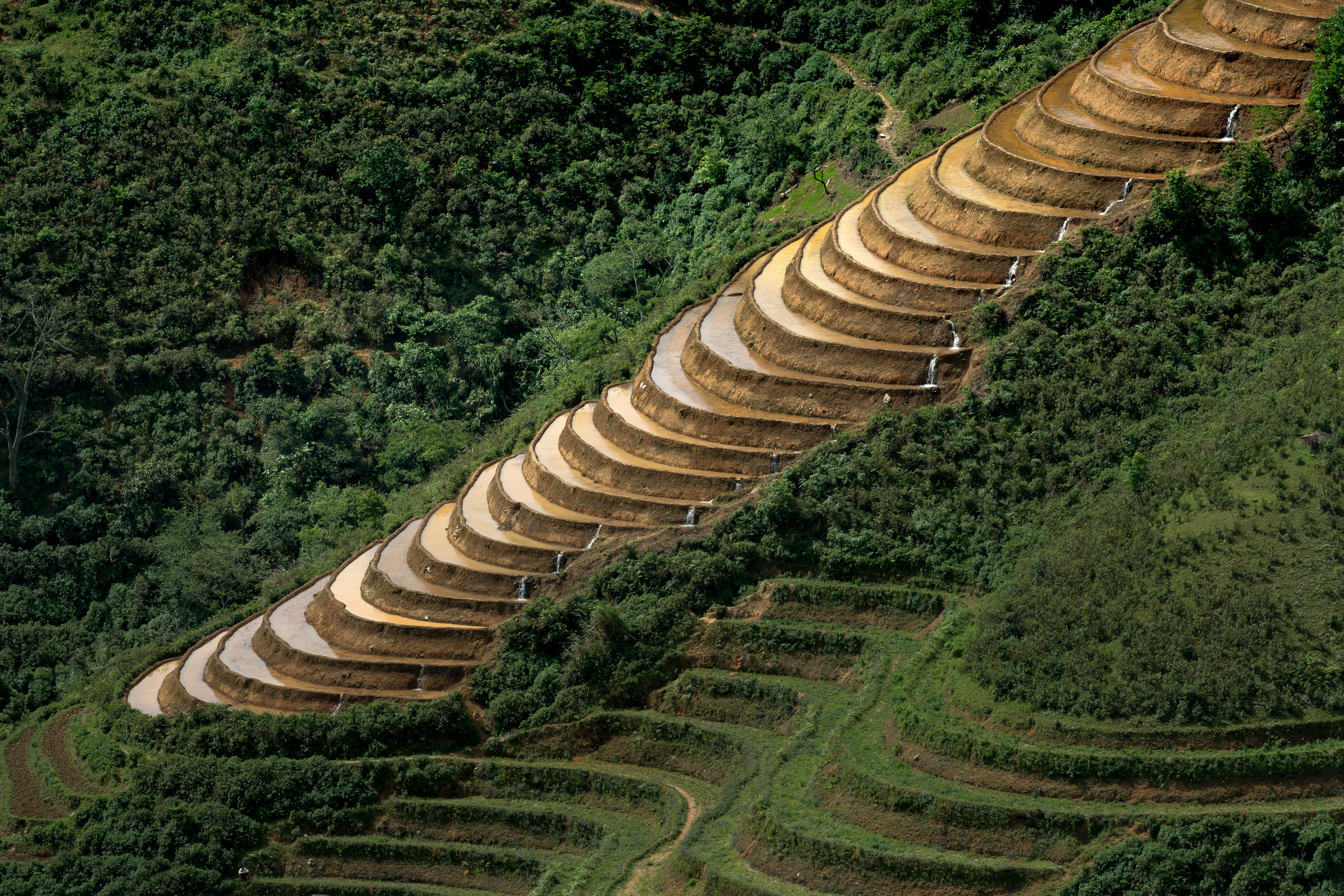
Building in the mountains is not for the faint of heart. Alpine construction faces unique challenges that test engineering prowess, logistics, and human determination.

🏔️ The Mountain Maze: Understanding Alpine Transportation Barriers
Alpine construction projects sit at the intersection of natural beauty and logistical nightmares. The very features that make mountain regions spectacular—steep grades, narrow valleys, unpredictable weather, and remote locations—create significant obstacles for transporting materials, equipment, and personnel.
Transportation constraints in alpine environments extend far beyond simple distance. A construction site that appears only thirty kilometers from the nearest town might require hours to reach, with roads that twist through hairpin turns, climb dizzying elevations, and disappear entirely during winter months. These challenges multiply costs, extend timelines, and demand innovative solutions.
The impact on project budgets is substantial. Transportation can account for 25-40% of total construction costs in alpine regions, compared to 10-15% in lowland areas. This dramatic increase stems from specialized equipment needs, longer transit times, weather delays, and the necessity of maintaining access routes throughout the construction period.
Seasonal Windows and Weather Warfare
Alpine construction operates on nature’s schedule, not human preference. Snow, ice, avalanches, and mudslides can shut down access routes for weeks or months. Many alpine projects face construction seasons limited to four or five months annually, compressing activities that might span an entire year at lower elevations.
Temperature fluctuations add another layer of complexity. Materials that travel through multiple elevation zones experience dramatic temperature swings that can affect concrete curing, adhesive performance, and material stability. A truck departing from a valley floor at 20°C might arrive at a high-altitude site where temperatures hover near freezing.
📦 Material Movement: Getting Resources to Remote Ridges
Transporting construction materials to alpine sites requires reimagining conventional logistics. Standard delivery trucks cannot navigate many mountain roads, particularly those built specifically for construction access. Weight restrictions, width limitations, and turning radius constraints eliminate traditional transportation methods.
The solution often involves a multi-modal approach combining various transportation methods. Materials might travel by heavy truck to a base camp, transfer to smaller vehicles for mountain roads, and finally reach construction sites via cable systems, helicopters, or even manual carrying.
Cable Car Systems: The Alpine Workhorse
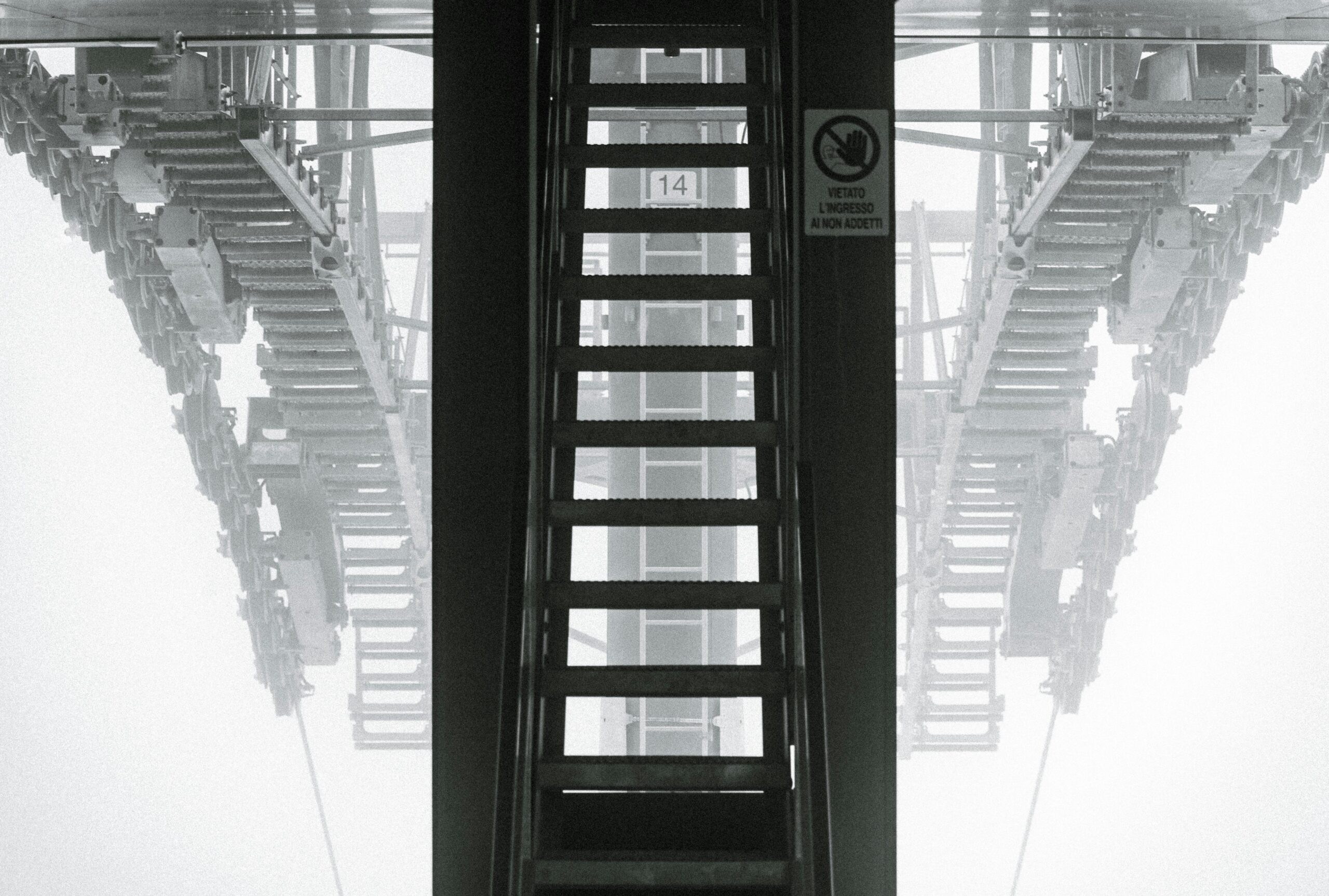
Aerial tramways and cable car systems have become indispensable for alpine construction. These installations can transport thousands of tons of materials over terrain that would otherwise be inaccessible. Modern construction cable systems move concrete, steel beams, prefabricated components, and heavy machinery with impressive efficiency.
Installing these temporary cable systems represents a significant upfront investment, but the payoff in transportation capacity and reliability typically justifies the expense. Some systems remain in place after construction completion, providing ongoing maintenance access or evolving into tourist attractions.
The planning phase for cable installations demands careful engineering. Towers must be positioned to avoid avalanche paths, support structures need adequate foundations in often challenging geology, and the entire system must withstand severe weather conditions including high winds and heavy snow loads.
Helicopter Heavy Lifting
When roads don’t exist and cable systems aren’t feasible, helicopters provide critical transportation capability. Helicopter operations excel at delivering oversized components, emergency supplies, and specialized equipment directly to remote construction sites.
However, helicopter transport comes with significant limitations. Weather sensitivity restricts operations—high winds, low visibility, and precipitation ground aircraft. Operating costs run approximately 10-20 times higher than ground transportation per ton-kilometer. Weight restrictions limit payload sizes, and the availability of heavy-lift helicopters capable of transporting construction equipment remains limited.
Successful helicopter operations require meticulous planning. Landing zones must be cleared and stabilized, flight schedules coordinate with weather windows, and ground crews need specialized training in loading, rigging, and safety procedures. Despite these challenges, helicopters often represent the only viable option for accessing truly remote alpine sites.
🚧 Road Construction and Maintenance: Building the Path Before the Project
Many alpine construction projects begin with building the access routes themselves. Temporary or permanent roads carved into mountainsides represent substantial engineering undertakings, often consuming months of time and significant percentages of project budgets before primary construction even begins.
Alpine road construction battles unique geological challenges. Unstable slopes, fractured rock, seasonal groundwater flows, and limited space for road beds complicate design and construction. Roads must incorporate protective measures against rockfall, avalanches, and erosion while maintaining grades that vehicles can actually navigate.
The Switchback Strategy
Switchbacks—roads that zigzag up mountainsides in tight turns—allow vehicles to climb steep terrain by spreading elevation gain across longer horizontal distances. However, these designs create their own challenges. Long vehicles struggle with tight turning radiuses, snow removal becomes complex, and ice accumulation on shaded corners creates dangerous conditions.
Construction traffic adds wear that rapidly degrades mountain roads. Heavy trucks carrying materials compact road beds, generate ruts, and accelerate erosion. Regular maintenance becomes essential, adding ongoing costs throughout the construction period. Some projects employ dedicated road crews whose sole responsibility is maintaining access routes.
⚙️ Equipment Conundrums: Machinery in the Mountains
Standard construction equipment often cannot reach or operate effectively at alpine sites. Size restrictions on access roads prevent transporting large machinery, while high altitude reduces engine power and equipment performance.
Diesel engines lose approximately 3% of power output for every 1,000 feet of elevation gain due to thinner air. At 10,000 feet, equipment operates at roughly 70% of sea-level capacity. This performance degradation necessitates oversized equipment, longer operation times, or acceptance of reduced productivity.
Specialized Alpine Machinery
Purpose-built alpine construction equipment addresses mountain challenges through innovative design. Compact excavators with reduced width profiles, modular cranes that can be assembled on-site, and all-terrain vehicles capable of navigating rough terrain expand capabilities in constrained environments.
Some equipment arrives piece by piece, disassembled for transport and reassembled at construction sites. This approach allows deploying larger machines than access routes could otherwise accommodate, though it adds complexity, time, and specialized labor requirements.
Equipment maintenance in alpine environments demands extra attention. Temperature extremes, dust, moisture, and continuous heavy use accelerate wear. Spare parts inventories must be maintained on-site since ordering replacements might involve multi-day delays. Mechanics capable of servicing diverse equipment types become invaluable team members.
👷 Human Factors: Moving Personnel and Managing Logistics
Transportation constraints affect not just materials and equipment but the workforce itself. Commuting to alpine construction sites can consume hours daily, reducing productive work time and increasing fatigue. Many projects address this through on-site accommodation, creating temporary worker camps at or near construction locations.
These camps require their own logistics infrastructure—food supplies, waste removal, medical facilities, and communication systems. Essentially, alpine construction projects must establish and maintain small temporary communities in remote locations, adding another dimension to transportation planning.
Safety and Emergency Response
Remote locations and limited access routes create serious safety considerations. Medical emergencies require evacuation capabilities, often involving helicopter transport to lowland hospitals. Emergency response plans must account for weather conditions that might prevent immediate evacuation.
Projects typically maintain enhanced medical facilities on-site, including personnel trained in wilderness medicine and trauma response. Communication systems with redundant capabilities ensure emergency contact despite alpine challenges like limited cell coverage and equipment failure in extreme conditions.
💡 Innovative Solutions: Technology Transforming Alpine Transport
Modern technology offers new approaches to age-old alpine transportation challenges. Drone technology, while still limited in payload capacity, provides reconnaissance, surveying, and small-item delivery capabilities. Autonomous vehicles designed for off-road operation show promise for reducing human labor in hazardous transport operations.
Advanced planning software models transportation logistics before projects begin, identifying bottlenecks, optimizing delivery schedules, and reducing inefficiencies. GPS tracking provides real-time visibility into material shipments, allowing dynamic scheduling adjustments as conditions change.
Prefabrication and Modular Construction
One of the most effective strategies for overcoming transportation constraints involves reducing what needs to be transported. Prefabrication and modular construction shift significant work from difficult alpine sites to controlled factory environments at lower elevations.
Complete building modules, wall panels, mechanical systems, and other components can be fabricated off-site, transported as complete assemblies, and quickly installed. This approach reduces on-site construction time, minimizes weather exposure, and decreases the volume of small materials and tools requiring transport.
The strategy requires precise planning and measurement. Modules must be designed within transportation constraints—fitting through narrow passages, staying under weight limits, and remaining structurally stable during transport. When executed effectively, modular approaches can reduce alpine construction timelines by 30-50% while improving quality and safety.
🌍 Environmental Considerations: Minimizing Mountain Impact
Transportation activities represent significant environmental impacts in sensitive alpine ecosystems. Road construction disturbs vegetation and soil, potentially triggering erosion. Vehicle emissions affect air quality in valley bottoms where temperature inversions concentrate pollutants. Noise from machinery and traffic disturbs wildlife.
Responsible alpine construction incorporates environmental protection into transportation planning. Limiting road widths to minimum functional requirements reduces habitat disruption. Scheduling restrictions during wildlife breeding seasons protect sensitive species. Erosion control measures, vegetation restoration, and careful drainage management mitigate long-term impacts.
Some projects commit to removing temporary infrastructure after construction completion, restoring landscapes to pre-project conditions. This adds cost and complexity but demonstrates environmental stewardship increasingly expected by regulators and communities.
📊 Cost Management: Balancing Budgets Against Barriers
The economic reality of alpine transportation requires sophisticated cost management. Project budgets must account for contingencies that rarely affect lowland construction—weather delays, equipment breakdowns in remote locations, and emergency response capabilities.
Accurate cost estimation depends on detailed site knowledge. Preliminary site visits, topographic surveys, geological investigations, and weather pattern analysis inform realistic transportation planning. Underestimating these challenges leads to budget overruns that can threaten project viability.
Value Engineering for Mountain Projects
Value engineering takes on special importance in alpine construction. Every design decision affects transportation requirements. Choosing materials available locally reduces shipping costs. Designing structures that minimize piece sizes, weights, and assembly complexity reduces transportation and installation challenges.
Alternative construction methods deserve consideration when conventional approaches prove prohibitively expensive. Shotcrete techniques that use materials pumped through hoses might replace poured concrete requiring forms and scaffolding. Tensioned fabric structures could substitute for conventional roof systems requiring heavy steel frameworks.
🔮 Future Horizons: Evolving Alpine Construction Transportation
The future of alpine construction transportation lies in continued innovation. Electric vehicles adapted for mountain conditions could reduce emissions and noise while providing reliable performance. Advanced materials—lighter, stronger, and more durable—will decrease transportation volumes and weights.
Automation and robotics promise to transform alpine construction. Robotic systems capable of navigating difficult terrain independently could transport materials without human operators exposed to hazardous conditions. Automated construction methods might complete significant work with minimal human presence at remote sites.
Climate change adds uncertainty to alpine construction planning. Warming temperatures alter seasonal patterns, potentially extending construction windows but also increasing instability in permafrost regions and changing avalanche patterns. Adaptation strategies must evolve alongside changing mountain conditions.
🎯 Strategic Planning: Keys to Alpine Transportation Success
Success in alpine construction transportation rests on comprehensive early planning. Understanding site-specific constraints, evaluating multiple transportation options, and building contingency plans creates resilient logistics frameworks capable of adapting to inevitable challenges.
Collaboration among all project stakeholders—designers, contractors, transportation specialists, equipment suppliers, and local authorities—ensures coordinated solutions. Regular communication, shared information systems, and collaborative problem-solving prevent small issues from escalating into project-threatening crises.
Experience matters enormously. Teams with alpine construction backgrounds bring invaluable knowledge that cannot be fully captured in manuals or specifications. Partnering with local contractors familiar with regional conditions, weather patterns, and available resources accelerates learning curves and improves outcomes.
🏗️ Building Above the Clouds: The Reward Beyond the Challenge
Despite formidable transportation challenges, alpine construction continues because mountain regions offer unique opportunities. Tourism facilities, renewable energy installations, communication infrastructure, and environmental research stations serve important purposes that justify the difficulties of building at elevation.
Each successful alpine project demonstrates human capability to overcome natural obstacles through ingenuity, determination, and careful planning. The transportation solutions developed for mountain construction often find applications in other challenging environments—remote islands, dense urban areas, and disaster recovery situations.
The mountains teach valuable lessons. Respecting nature’s power while working within its constraints produces better results than attempting to dominate challenging environments. Flexibility, adaptability, and creative problem-solving matter more than rigid adherence to conventional methods. Success comes from understanding that transportation is not merely a logistical detail but a fundamental project element requiring strategic attention from conception through completion.
Alpine construction transportation remains one of the industry’s most demanding specializations. Those who master these challenges gain capabilities that distinguish them in an increasingly competitive field. The peaks may impose constraints, but they also inspire solutions that push boundaries and expand what builders can achieve in the world’s most spectacular and challenging locations.