Living at high altitude demands more than physical adjustment—it requires embracing centuries-old wisdom and modern science to truly thrive where the air grows thin.

🏔️ The Challenge of Living Above the Clouds
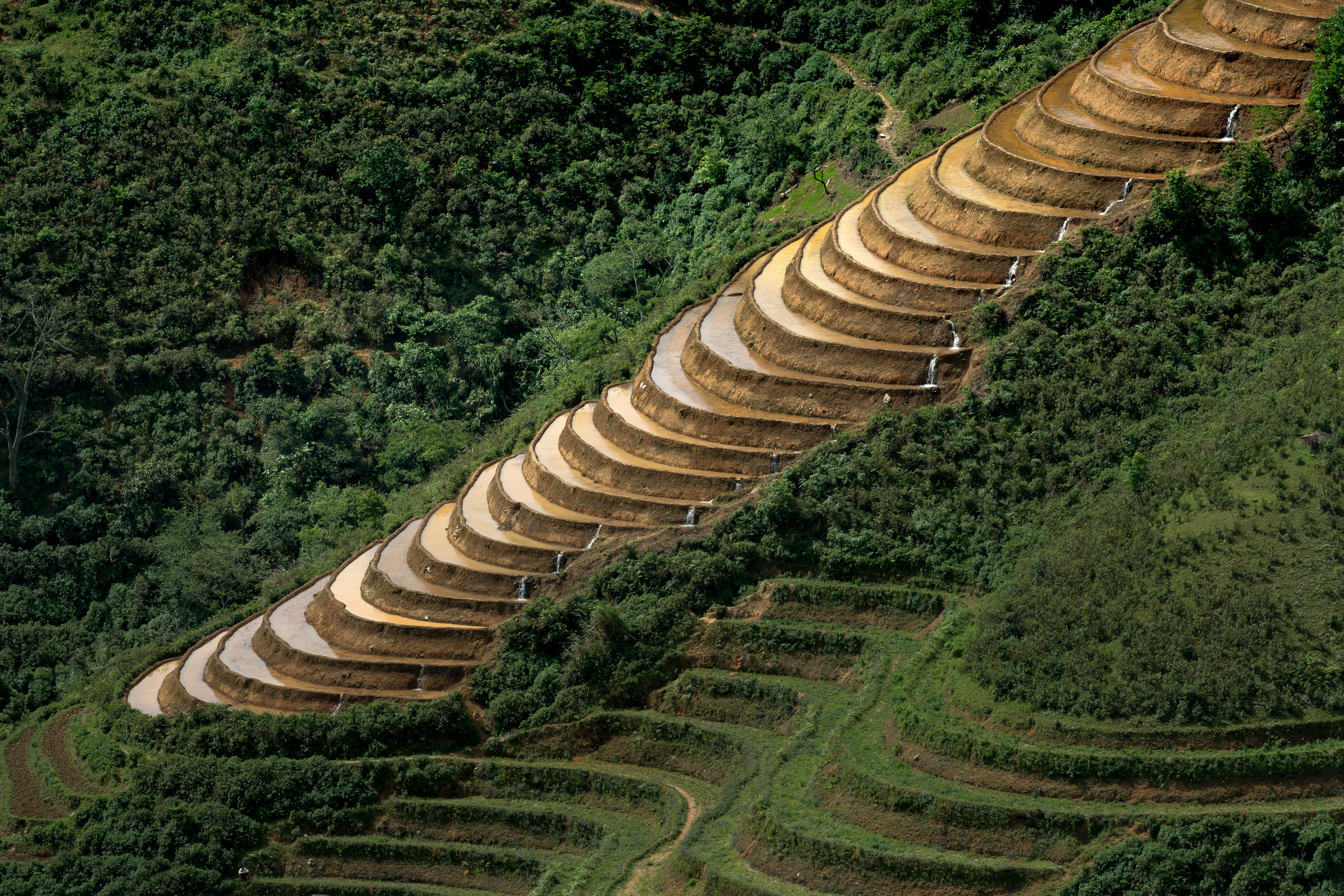
High altitude environments, typically defined as regions above 2,500 meters (8,200 feet) above sea level, present unique physiological and cultural challenges that have shaped human societies for millennia. From the Andean highlands of South America to the Tibetan Plateau in Asia, communities have not merely survived but flourished in these demanding conditions through remarkable cultural adaptations.
The reduced atmospheric pressure at high elevations means less oxygen per breath—at 3,600 meters, you’re breathing approximately 40% less oxygen than at sea level. This fundamental reality has driven indigenous populations to develop sophisticated strategies encompassing diet, architecture, social practices, and spiritual beliefs that collectively enable sustainable high-altitude living.
Ancient Wisdom Meets Modern Science
The remarkable adaptations of high-altitude cultures have fascinated researchers for decades. Communities like the Sherpa people of Nepal, the Quechua and Aymara of the Andes, and Tibetan highlanders demonstrate genetic, cultural, and behavioral modifications that provide valuable lessons for anyone seeking to adapt to thin air environments.
Scientific studies have revealed that these populations possess unique genetic variations affecting oxygen transport and utilization. However, genetics alone don’t tell the complete story—cultural practices passed down through generations play an equally crucial role in successful adaptation.
Dietary Adaptations That Make a Difference
High-altitude cultures have developed distinctive nutritional strategies that support life in oxygen-depleted environments. These aren’t arbitrary traditions but carefully evolved practices that address specific physiological needs.
- High-carbohydrate consumption: Traditional high-altitude diets emphasize complex carbohydrates, which require less oxygen to metabolize compared to fats and proteins
- Iron-rich foods: Increased hemoglobin production demands more iron, leading to dietary emphasis on quinoa, potatoes, and specific grains
- Coca leaves: In Andean cultures, coca leaf chewing aids oxygen absorption and provides essential minerals
- Butter tea: Tibetan po cha provides essential calories and helps prevent dehydration in the dry mountain air
- Fermented beverages: Chicha in the Andes and chang in Tibet offer nutrition and facilitate social bonding
Building for Breath: Architectural Intelligence
The structures people build at high altitudes reflect deep understanding of environmental demands. Traditional architecture in these regions demonstrates remarkable sophistication in addressing temperature extremes, wind exposure, and the need for optimal indoor air quality.
Andean homes traditionally feature thick stone or adobe walls that provide excellent insulation against dramatic temperature swings. Small windows minimize heat loss while strategic placement maximizes solar gain during short winter days. Interior spaces are often compact to reduce heating requirements and maintain oxygen-rich air concentration.
Tibetan architecture similarly emphasizes thermal mass and compact design, with distinctive flat roofs that facilitate drying of grains and collection of scarce fuel. The central hearth serves multiple purposes—cooking, heating, and creating a social focal point that strengthens community bonds essential for survival.
Modern Adaptations for Contemporary Living
Today’s high-altitude residents blend traditional wisdom with modern technology. Passive solar design principles complement ancient building techniques, while improved insulation materials enhance comfort without abandoning time-tested approaches. Ventilation systems now balance fresh air intake with heat retention, addressing both oxygen availability and energy efficiency.
⛰️ The Rhythm of High-Altitude Life
Successful adaptation requires adjusting daily rhythms and activity patterns to match the body’s changing capabilities in thin air. High-altitude cultures have developed temporal patterns that optimize human performance while respecting physiological limitations.
Traditional work schedules typically emphasize morning productivity when oxygen levels are relatively higher and temperatures more moderate. Afternoon rest periods aren’t mere luxury—they represent adaptive wisdom, allowing recovery from morning exertions while avoiding peak UV exposure and afternoon storms common in mountain environments.
Physical Activity and Energy Management
Indigenous high-altitude populations demonstrate remarkable efficiency in movement and energy expenditure. The characteristic measured pace of mountain dwellers isn’t slowness but optimization—maintaining sustainable effort levels that prevent oxygen debt accumulation.
This approach contrasts sharply with lowland rushing and multitasking. Tasks are performed sequentially rather than simultaneously, movements are economical, and rest is integrated naturally throughout the day. This cultural pattern of paced living represents sophisticated adaptation to physiological constraints.
Social Structures That Support Survival
High-altitude living demands cooperation and community cohesion to degrees uncommon in more forgiving environments. Cultural practices that strengthen social bonds aren’t merely pleasant traditions—they’re survival mechanisms encoded in community life.
Reciprocal labor systems like the Andean ayni ensure that labor-intensive tasks like planting, harvesting, and building receive adequate workforce despite challenging conditions. These arrangements create social safety nets where individual families might struggle alone.
Community celebrations and festivals serve multiple functions beyond entertainment. They redistribute resources, reinforce social connections, transmit traditional knowledge to younger generations, and provide psychological benefits crucial for mental health in isolated, demanding environments.
Knowledge Transmission and Education
High-altitude cultures have developed sophisticated systems for transmitting essential survival knowledge across generations. Unlike formal schooling focused primarily on literacy and numeracy, traditional education emphasizes experiential learning about weather prediction, resource management, and environmental reading.
Children learn through observation and gradual participation in adult activities, acquiring deep understanding of seasonal patterns, animal behavior, plant identification, and terrain navigation—skills essential for thriving rather than merely surviving at altitude.
🌬️ Breathing Techniques and Physical Practices
Conscious breathing practices common in high-altitude cultures optimize oxygen uptake and utilization. These aren’t modern exercise fads but ancient techniques refined over countless generations.
Tibetan Buddhist traditions include pranayama-like breathing exercises that increase lung capacity and efficiency. Similar practices appear in Andean cultures, often integrated into work routines or ceremonial activities rather than isolated as separate exercises.
Physical movement traditions also reflect altitude adaptation. Yoga practices in Himalayan regions emphasize breath control alongside postures. Traditional dances at Andean festivals feature measured, rhythmic movements that maintain activity without overwhelming oxygen delivery systems.
Mental and Spiritual Dimensions of Adaptation
Psychological resilience proves as important as physical adaptation when living at high altitude. The mental challenges of isolation, harsh conditions, and limited resources have shaped cultural approaches to consciousness, spirituality, and community psychology.
Mountain cultures typically exhibit profound spiritual connections to their landscape. Sacred peaks, mountain spirits, and animistic beliefs aren’t primitive superstition but psychological frameworks that foster respectful environmental relationships and provide meaning in challenging circumstances.
Meditation and Mental Clarity
The association between high altitudes and meditative practices isn’t coincidental. Reduced oxygen affects consciousness in ways that practitioners have learned to harness for contemplative purposes. Tibetan Buddhism’s development in high-altitude environments reflects this physiological reality transformed into spiritual practice.
Modern neuroscience confirms that altitude affects neurotransmitter production and brain function. Traditional cultures developed practices that work with these changes rather than against them, cultivating mental states suited to their environmental reality.
🏘️ Practical Guidance for Modern Adaptation
For those relocating to high-altitude environments today, cultural wisdom offers practical guidance complementing medical advice. Successful adaptation requires patience, humility, and willingness to learn from those who’ve mastered these challenges.
| Adaptation Area | Traditional Practice | Modern Application |
|---|---|---|
| Nutrition | High-carb, iron-rich diet | Emphasize whole grains, legumes, leafy greens |
| Hydration | Frequent warm beverage consumption | Maintain 3-4 liters daily fluid intake |
| Activity Patterns | Morning work, afternoon rest | Schedule demanding tasks early, build in recovery time |
| Social Connection | Community festivals and reciprocal labor | Actively participate in local events, build support networks |
| Breathing | Traditional breathing exercises | Practice conscious breath work, yoga, or meditation |
The First Weeks: Critical Adjustment Period
Initial adaptation requires particular attention to warning signs and gradual acclimatization. Traditional cultures recognize this vulnerable period, offering newcomers modified responsibilities and close monitoring by experienced community members.
Modern arrivals should resist the temptation to maintain lowland activity levels immediately. The first two weeks demand reduced exertion, increased hydration, and attention to symptoms like persistent headaches, sleep disruption, or unusual fatigue that might indicate inadequate acclimatization.
Climate Considerations and Seasonal Rhythms
High-altitude climates present extreme variations that demand seasonal adaptation strategies. Traditional cultures demonstrate remarkable attunement to these cycles, adjusting activities, diet, and social patterns throughout the year.
Winter at altitude brings intense cold, reduced daylight, and potential isolation. Traditional responses include food preservation techniques, indoor craft activities, extended family gatherings, and storytelling traditions that maintain community cohesion during harsh months.
Summer’s relative abundance requires intense activity—planting, building, gathering—to prepare for inevitable winter scarcity. This seasonal rhythm differs markedly from modern year-round consistency, yet respecting these patterns facilitates easier adaptation.
🌡️ Health Maintenance in Thin Air
Long-term health at altitude requires vigilance regarding specific challenges that traditional cultures address through preventive practices rather than reactive medicine.
Dehydration occurs more rapidly at altitude due to increased respiration and lower humidity. Traditional frequent beverage consumption—tea, soups, warm water—prevents this common problem. Modern residents should consciously maintain fluid intake beyond thirst signals.
UV exposure intensifies with elevation, increasing skin damage and eye problems. Traditional clothing styles featuring wide-brimmed hats, covered skin, and eye protection aren’t fashion choices but necessary adaptations that modern residents should emulate.
Recognizing When Adaptation Isn’t Working
Not everyone adapts successfully to high altitude, and traditional cultures recognize this reality. Persistent symptoms despite adequate time and proper practices may indicate physiological incompatibility requiring honest assessment.
Chronic mountain sickness, sleep-related breathing disorders, and cardiovascular complications can develop in long-term residents. Traditional communities typically maintain connections to lower-elevation areas, allowing seasonal or permanent relocation when necessary—wisdom that modern residents should respect.
Children and Families at High Altitude
Raising children at altitude presents unique considerations that high-altitude cultures address through specific practices. Infant care traditions emphasize warmth, protection, and gradual exposure to environmental stressors.
Traditional swaddling practices maintain body temperature effectively while allowing gradual cold adaptation. Extended breastfeeding provides optimal nutrition for high-altitude development. Close physical contact with caregivers helps regulate infant breathing and temperature.
Children born at altitude develop physiological advantages including increased lung capacity and more efficient oxygen utilization. However, they still require careful monitoring during growth spurts when oxygen demands increase rapidly.
🎯 Creating Your Adaptation Strategy
Successful high-altitude living requires personalized adaptation strategies that honor traditional wisdom while accommodating individual circumstances. No single approach works universally—flexibility and responsiveness to your body’s signals prove essential.
Begin by studying the specific culture where you’re living. Local practices evolved for particular altitude, climate, and environmental conditions. Generic mountain wisdom may not apply—3,000 meters in the Andes differs significantly from the same elevation in Tibet or Colorado.
Build relationships with long-term residents who can mentor your adaptation process. This social connection provides practical guidance while creating the support networks essential for thriving in challenging environments.
Monitor your adaptation progress through both subjective experience and objective measures. Resting heart rate, sleep quality, exercise tolerance, and mental clarity all indicate adaptation success. Keep records to track trends over your first year.
The Rewards of Successful Adaptation
Those who successfully adapt to high-altitude living often report profound rewards that extend beyond physical acclimatization. The slower pace, closer community connections, and intimate relationship with dramatic landscapes create life qualities difficult to achieve elsewhere.
Enhanced physical fitness naturally develops as the body adapts to oxygen scarcity. Many high-altitude residents report improved athletic performance when visiting lower elevations—a benefit documented in athletes who train at altitude.
Mental clarity and focus often improve once adaptation completes. The absence of lowland distractions combined with environments conducive to contemplation foster psychological benefits many find transformative.
Perhaps most significantly, successful adaptation connects you to ancient human traditions of environmental partnership rather than domination. Learning to thrive where air grows thin teaches humility, patience, and respect—qualities our modern world desperately needs.
Embracing the Mountain Way of Life
High-altitude living represents more than geographic relocation—it’s a fundamental lifestyle shift requiring cultural adaptation as much as physiological adjustment. The wisdom accumulated by mountain cultures over millennia offers invaluable guidance for this transformation.
Approach adaptation with patience and respect for both the environment and the people who’ve mastered it. Rush nothing, question your lowland assumptions, and remain open to radically different ways of organizing daily life. The thin air will gradually become home, revealing depths of human resilience and community that lowland abundance often obscures.
Whether you’re permanently relocating or spending extended time at altitude, cultural adaptation techniques transform survival into thriving. By learning from those who’ve walked these paths before us, we discover that breathing easy at high altitude isn’t about fighting the environment—it’s about becoming part of it. 🌄