The human body is an extraordinary machine capable of adapting to extreme environments, including the oxygen-depleted zones found high above sea level.

Every year, millions of adventurers, mountaineers, and travelers journey to high-altitude destinations, from the Andes Mountains to the Himalayas, seeking breathtaking views and personal challenges. However, ascending to these elevated regions presents unique physiological challenges that can affect anyone, regardless of fitness level. Understanding how our bodies adapt to reduced oxygen availability is crucial for anyone planning to venture above 8,000 feet (2,400 meters).
The process of acclimatization is not merely about enduring discomfort—it’s a remarkable biological transformation that enables humans to function in environments where the atmospheric pressure is significantly lower than at sea level. This journey of adaptation has fascinated scientists, medical professionals, and adventurers for centuries, revealing the incredible resilience and flexibility of human physiology.
🏔️ Understanding the High-Altitude Environment
At sea level, atmospheric pressure maintains oxygen at approximately 21% of the air we breathe. However, as altitude increases, atmospheric pressure decreases, which means that although the percentage of oxygen remains constant, the actual amount of oxygen available with each breath diminishes significantly.
At 10,000 feet (3,048 meters), the atmospheric pressure drops to roughly 70% of sea-level pressure. By 18,000 feet (5,486 meters), it’s only about 50%, and at the summit of Mount Everest (29,032 feet or 8,849 meters), atmospheric pressure plummets to approximately 33% of sea-level values.
This reduction in available oxygen creates a condition known as hypobaric hypoxia, where the body’s tissues receive less oxygen than they require for normal functioning. The immediate effects can range from mild breathlessness to severe altitude sickness, depending on the elevation reached and the speed of ascent.
The Critical Altitude Thresholds
Medical experts and mountaineering organizations typically categorize altitude into several zones, each presenting different challenges:
- High Altitude (8,000-12,000 feet / 2,400-3,600 meters): Most healthy individuals begin experiencing noticeable effects, including increased breathing rate and mild symptoms.
- Very High Altitude (12,000-18,000 feet / 3,600-5,400 meters): Altitude sickness becomes common without proper acclimatization, and physiological changes become more pronounced.
- Extreme Altitude (18,000-29,000 feet / 5,400-8,800 meters): Long-term adaptation is impossible; the body gradually deteriorates despite acclimatization.
- Death Zone (above 29,000 feet / 8,800 meters): The human body cannot survive for extended periods, regardless of acclimatization.
💓 The Body’s Immediate Response to Altitude
When you first arrive at high altitude, your body immediately recognizes the reduced oxygen availability and triggers several rapid compensatory mechanisms. These acute responses occur within minutes to hours and represent the body’s first line of defense against hypoxia.
The most noticeable immediate change is hyperventilation—you’ll find yourself breathing faster and more deeply. This response is controlled by specialized sensors called chemoreceptors located in the carotid arteries and brainstem. These sensors detect the decreased oxygen levels and signal the respiratory center to increase breathing rate.
Simultaneously, your heart rate increases to pump blood more quickly throughout the body, attempting to deliver available oxygen more efficiently to vital organs and tissues. Blood pressure may also rise slightly as blood vessels constrict in certain areas while dilating in others, redirecting blood flow to critical systems.
Understanding Altitude Sickness Symptoms
Despite these immediate adaptations, many people experience acute mountain sickness (AMS) within 6-12 hours of arrival at altitude. Common symptoms include:
- Headache (often the first and most common symptom)
- Nausea and loss of appetite
- Fatigue and weakness
- Dizziness or lightheadedness
- Difficulty sleeping
- Shortness of breath during physical activity
These symptoms typically peak within 24-48 hours and gradually improve as acclimatization progresses. However, ignoring severe symptoms can lead to life-threatening conditions such as high-altitude pulmonary edema (HAPE) or high-altitude cerebral edema (HACE).
🔬 The Remarkable Process of Acclimatization
True acclimatization is a multi-day or multi-week process involving complex physiological changes at the cellular, tissue, and systemic levels. This adaptation allows the body to function more effectively in the low-oxygen environment, reducing symptoms and improving performance.
One of the most significant changes occurs in your blood chemistry. Within the first 24-48 hours at altitude, your kidneys begin excreting bicarbonate to compensate for the respiratory alkalosis caused by hyperventilation. This adjustment helps restore blood pH balance and allows for sustained increased breathing without adverse effects.
Over the following days and weeks, your body dramatically increases red blood cell production through a process stimulated by erythropoietin (EPO), a hormone released by the kidneys in response to low oxygen levels. These additional red blood cells enhance the blood’s oxygen-carrying capacity, partially compensating for the reduced oxygen pressure in the atmosphere.
Cellular and Metabolic Adaptations
Beyond cardiovascular changes, acclimatization involves fascinating adaptations at the cellular level. Muscle tissue increases its concentration of myoglobin, an oxygen-storing protein similar to hemoglobin, which helps maintain oxygen availability during physical activity.
Cells also increase their density of mitochondria—the cellular powerhouses responsible for energy production. Additionally, metabolic pathways shift to become more efficient at extracting energy from limited oxygen supplies, though this comes with reduced overall energy production capacity.
Capillary density in tissues may increase over extended periods at altitude, improving oxygen delivery to cells. The body also produces higher levels of certain enzymes involved in cellular respiration, optimizing the oxygen utilization process.
⏰ Timeline of Acclimatization: What to Expect
Understanding the typical acclimatization timeline helps set realistic expectations for altitude adventures. While individual responses vary considerably based on genetics, fitness level, previous altitude exposure, and the specific elevation reached, some general patterns emerge.
Days 1-2: Initial acute responses dominate. Hyperventilation and increased heart rate are prominent. AMS symptoms typically appear and may worsen. Sleep quality often deteriorates due to periodic breathing patterns.
Days 3-5: Ventilatory acclimatization becomes established. AMS symptoms generally begin improving. Appetite may return, and energy levels start recovering. The body’s fluid balance stabilizes.
Days 7-14: Hematological changes become significant as red blood cell production increases. Physical performance improves noticeably. Most people feel substantially better and can engage in moderate activities with less difficulty.
Weeks 3-8: Near-complete acclimatization for the current altitude. Maximum benefit from increased red blood cells and other adaptations. Performance approaches (but doesn’t fully reach) sea-level capabilities.
It’s important to note that acclimatization is altitude-specific. If you acclimatize well to 10,000 feet, ascending to 14,000 feet will require additional acclimatization time, though the process typically occurs faster than the initial adaptation.
🎯 Strategies for Successful Acclimatization
The key principle for safe altitude acclimatization is captured in the mountaineering motto: “Climb high, sleep low.” This approach exposes the body to higher altitudes during the day, stimulating adaptation, while returning to lower elevations for sleep, where recovery occurs more effectively.
The Gradual Ascent Approach
Medical experts recommend limiting your sleeping elevation increase to no more than 1,000-1,500 feet (300-500 meters) per day once above 10,000 feet. This conservative approach significantly reduces the risk of altitude sickness and allows the body to adapt progressively.
Rest days are equally important. For every 3,000 feet (1,000 meters) of elevation gain, plan a rest day at the same altitude before ascending further. During these rest days, you can make day trips to higher elevations, reinforcing the “climb high, sleep low” principle.
Hydration and Nutrition Considerations
Proper hydration becomes critical at altitude. The dry mountain air and increased respiration lead to greater fluid loss through breathing. Aim to drink enough fluid to maintain clear or light-colored urine, typically requiring 3-5 liters daily at high altitude.
Nutrition also plays a vital role. While appetite often decreases at altitude, maintaining adequate caloric intake—particularly from carbohydrates—supports the body’s increased metabolic demands. Carbohydrates require less oxygen to metabolize compared to fats, making them the preferred fuel source at altitude.
Physical Activity Guidelines
During the first few days at altitude, moderate your physical activity significantly. Even if you feel fine, overexertion can trigger or worsen altitude sickness. Listen to your body and reduce your typical exercise intensity by at least 50% initially.
As acclimatization progresses, gradually increase activity levels. However, recognize that your absolute performance capacity will remain below sea-level capabilities even when fully acclimatized.
⚕️ Medical Interventions and Preventive Measures
While natural acclimatization is ideal, certain medications can assist the process or prevent altitude sickness in specific situations. Acetazolamide (Diamox) is the most commonly prescribed medication, working by acidifying the blood and stimulating breathing, which accelerates acclimatization.
Typically taken starting one day before ascent and continuing for 2-3 days at altitude, acetazolamide can reduce AMS incidence by approximately 50-75%. However, it comes with potential side effects, including increased urination, tingling sensations in extremities, and altered taste of carbonated beverages.
Dexamethasone, a steroid medication, can treat severe altitude sickness but doesn’t promote acclimatization—it merely masks symptoms. It’s generally reserved for emergency situations or situations where descent isn’t immediately possible.
Recognizing When to Descend
Understanding warning signs that require immediate descent can be life-saving. Descend immediately if you experience:
- Worsening symptoms despite rest and medication
- Severe, persistent headache unresponsive to pain relievers
- Loss of coordination or difficulty walking (ataxia)
- Confusion or altered mental status
- Persistent cough with pink, frothy sputum
- Severe breathlessness at rest
In these situations, descent of even 1,000-2,000 feet often produces dramatic improvement. Descent should never be delayed when serious symptoms appear.
🧬 Individual Variations in Altitude Response
Why do some people acclimatize easily while others struggle at relatively modest elevations? The answer lies in a complex interplay of genetic, physiological, and environmental factors that science is only beginning to fully understand.
Genetics plays a significant role. Populations native to high-altitude regions—including Tibetans, Andean peoples, and Ethiopian highlanders—have developed distinct genetic adaptations over thousands of generations. These populations show differences in oxygen saturation levels, hemoglobin concentrations, and breathing patterns compared to lowland populations.
Interestingly, physical fitness doesn’t guarantee easier acclimatization. While fitness helps you perform activities with less oxygen consumption, it doesn’t necessarily speed the acclimatization process or prevent altitude sickness. Elite athletes can suffer severe AMS just as readily as sedentary individuals.
Age appears to influence altitude response modestly, with children and older adults potentially being slightly more susceptible to altitude illness, though this varies considerably between individuals.
🌍 Long-Term Altitude Living: Permanent Adaptation
People who live permanently at high altitude undergo more extensive adaptations than temporary visitors. Beyond the changes associated with acclimatization, long-term residents develop additional physiological modifications that enhance survival and function in the chronic hypoxic environment.
High-altitude natives typically have larger lung volumes, greater chest circumference, and increased pulmonary diffusion capacity compared to lowland populations. Their ventilatory response to hypoxia differs, often showing less dramatic hyperventilation while maintaining adequate oxygenation through other mechanisms.
Interestingly, different high-altitude populations have evolved distinct adaptive strategies. Tibetans maintain relatively normal hemoglobin levels despite altitude, while Andean populations tend toward higher hemoglobin concentrations. These divergent paths to the same goal—adequate tissue oxygenation—highlight the multiple solutions evolution can produce for a single challenge.
🏃 Athletic Performance and Altitude Training
The relationship between altitude and athletic performance has fascinated sports scientists and coaches for decades. The 1968 Mexico City Olympics, held at 7,350 feet (2,240 meters), dramatically demonstrated altitude’s impact on performance, with endurance athletes particularly affected.
This observation led to the development of altitude training methodologies aimed at enhancing sea-level performance. The concept is straightforward: exposure to altitude stimulates increased red blood cell production, and when athletes return to sea level with this enhanced oxygen-carrying capacity, performance improves.
The “live high, train low” approach has gained popularity, where athletes sleep at altitude to stimulate adaptation but train at lower elevations where they can maintain workout intensity. Some facilities use altitude tents or chambers to simulate high-altitude conditions without geographic relocation.
🎒 Practical Wisdom for Mountain Travelers
Whether you’re planning a trek to Everest Base Camp, a ski vacation in Colorado, or a trip to Machu Picchu, several practical strategies can enhance your altitude experience and minimize difficulties.
If possible, spend at least one night at an intermediate elevation rather than flying directly from sea level to high altitude. For example, when traveling to Cusco, Peru (11,150 feet), consider first spending a night in Lima or a lower-elevation location.
Avoid alcohol and sleeping medications during the first few days at altitude, as both can depress breathing and worsen hypoxia during sleep. Similarly, avoid tobacco smoke, which reduces oxygen-carrying capacity.
Pack appropriate medications in consultation with your physician, including pain relievers for headaches, anti-nausea medications, and potentially acetazolamide if recommended for your specific situation.
Consider travel insurance that covers emergency evacuation, as serious altitude illness may require helicopter rescue or rapid transportation to lower elevations.
🔮 The Future of Altitude Medicine and Research
Ongoing research continues to unravel the complexities of altitude acclimatization, with implications extending beyond mountaineering into clinical medicine, particularly in understanding and treating conditions involving hypoxia such as chronic lung disease, heart failure, and sleep apnea.
Scientists are investigating genetic markers that predict altitude tolerance, potentially allowing for personalized recommendations for high-altitude travel. Advanced monitoring technologies, including portable oxygen saturation monitors and smartphone apps, are making altitude physiology more accessible to ordinary travelers.
Research into high-altitude populations’ genetic adaptations may yield insights applicable to treating lowland diseases. Understanding how Tibetan adaptations prevent excessive red blood cell production could inform treatments for polycythemia, while insights into their unique nitric oxide metabolism might benefit patients with pulmonary hypertension.
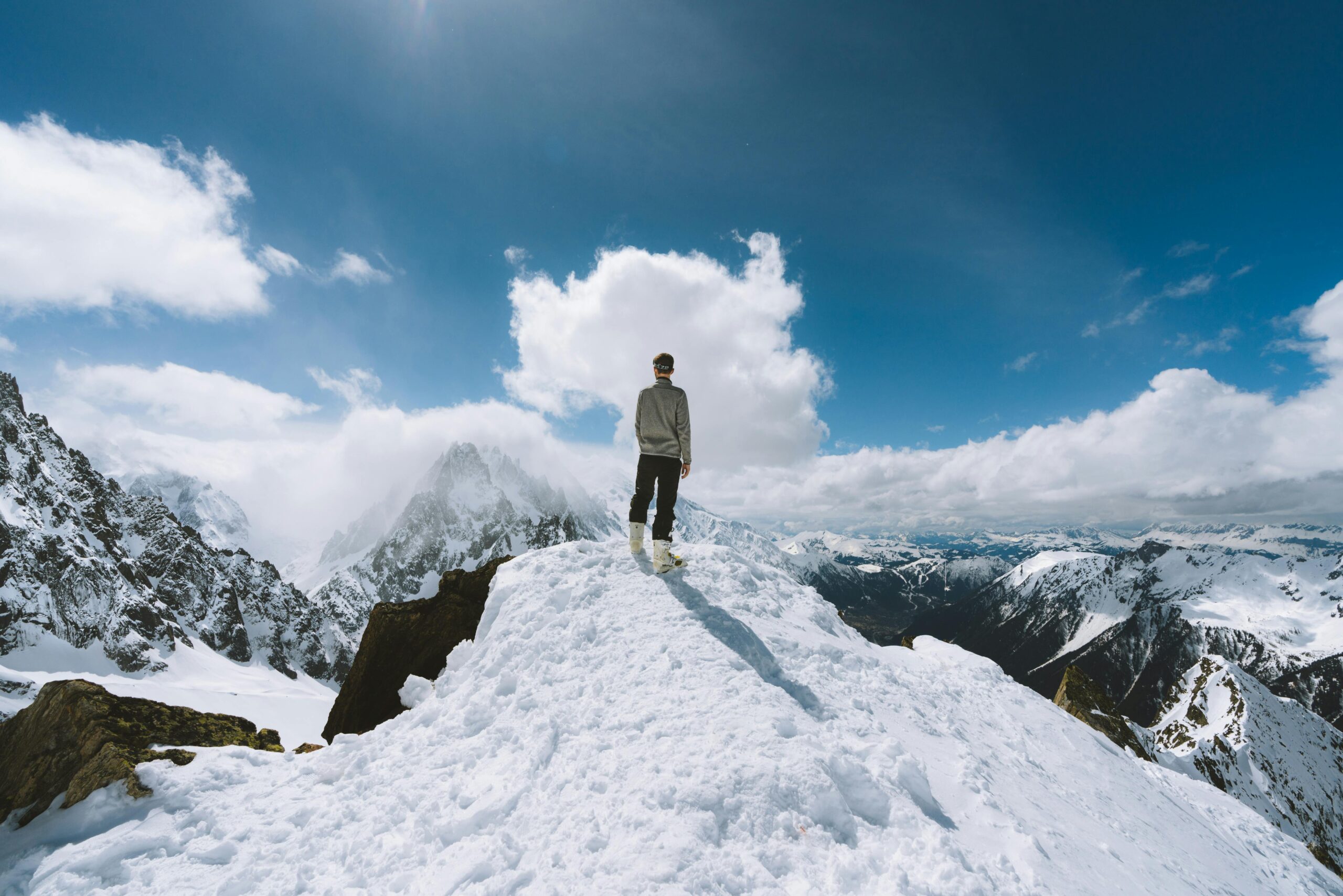
🌟 Embracing the Journey Upward
The journey to high altitude represents more than a physical challenge—it’s an opportunity to witness your body’s remarkable adaptive capabilities. Understanding acclimatization transforms anxiety about altitude into appreciation for human physiology’s extraordinary flexibility.
Success at altitude requires patience, respect for the environment, and willingness to listen to your body’s signals. The mountains will always be there; there’s no shame in descending when necessary or taking extra time to acclimatize properly.
By following evidence-based guidelines, ascending gradually, staying properly hydrated and nourished, and recognizing warning signs of serious illness, most people can safely enjoy high-altitude environments and the incomparable experiences they offer.
The thin air at elevation challenges us, humbles us, and ultimately reveals our resilience. Whether your goal is summiting a major peak or simply enjoying the beauty of mountain landscapes, understanding acclimatization empowers you to reach new heights safely and with greater confidence in your body’s ability to adapt to extraordinary conditions.