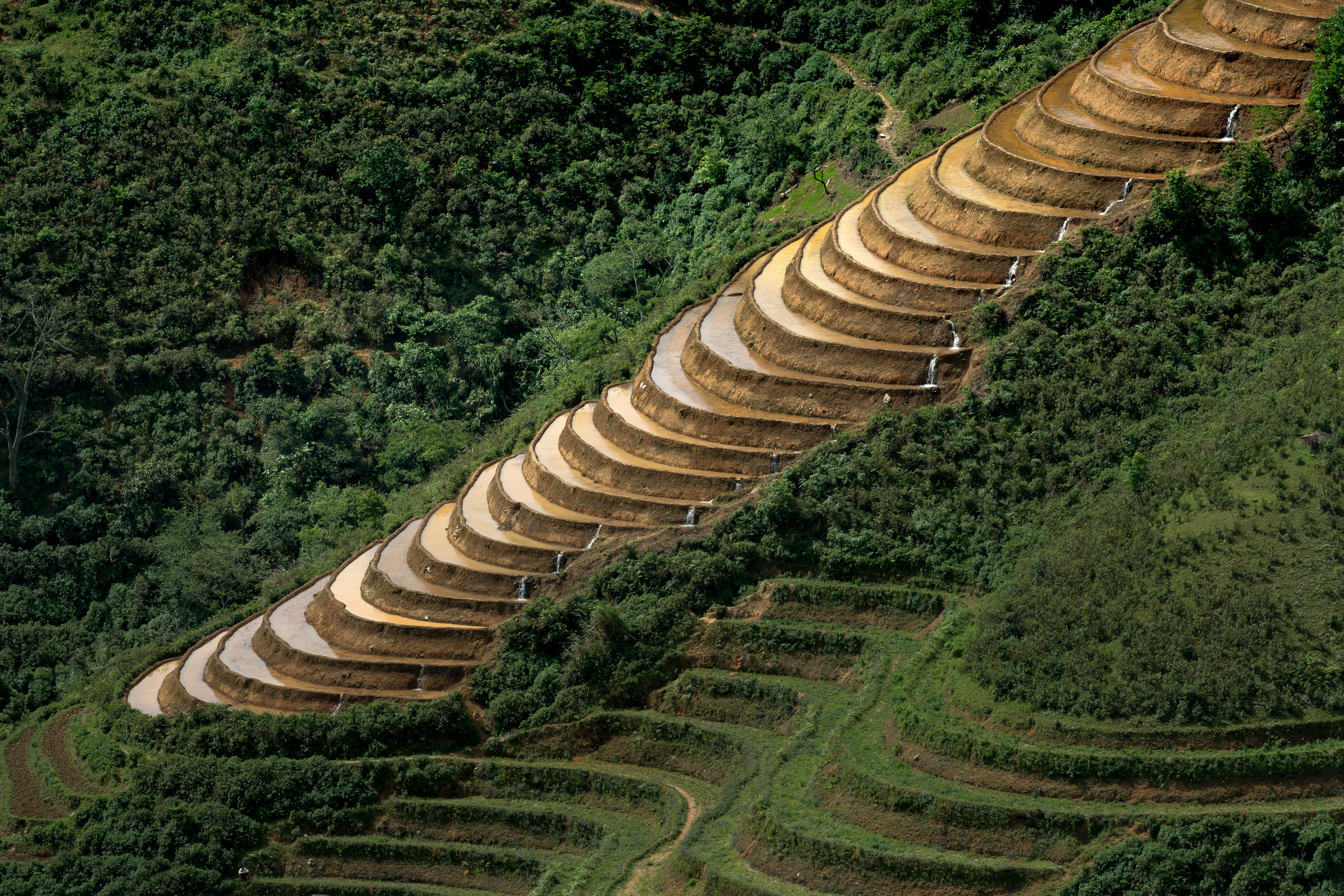
Living at high altitude isn’t just about breathtaking mountain views—it’s a lifestyle that may fundamentally transform your health in ways science is only beginning to fully understand.

For centuries, communities thriving in elevated regions have demonstrated remarkable physiological adaptations and health outcomes that have puzzled researchers and inspired athletes worldwide. From the Andean highlands to the Tibetan Plateau, populations living above 8,000 feet have developed unique biological advantages that translate into measurable health benefits. As our understanding of altitude’s impact on human physiology deepens, the evidence supporting long-term health advantages becomes increasingly compelling.
Whether you’re considering relocating to a mountain community, training at elevation, or simply curious about how geography influences wellness, understanding the profound effects of altitude on the human body offers fascinating insights into human adaptability and health optimization.
🏔️ The Physiological Symphony of High Altitude Living
When you first arrive at high altitude, your body immediately recognizes the reduced oxygen availability in the atmosphere. This decreased partial pressure of oxygen triggers a cascade of adaptive responses that begin within hours and continue evolving over months and years. These aren’t temporary adjustments—they represent fundamental physiological remodeling that can persist long after returning to sea level.
The most immediate response involves increased breathing rate and depth, allowing your lungs to capture more of the available oxygen. Your heart rate elevates to circulate oxygen-rich blood more rapidly throughout your tissues. While these initial responses might feel uncomfortable, they lay the groundwork for more sophisticated adaptations that emerge with prolonged exposure.
Hematological Transformations That Boost Oxygen Delivery
Perhaps the most significant adaptation to altitude involves changes in your blood composition. Within days of arriving at elevation, your kidneys increase production of erythropoietin (EPO), the hormone that stimulates red blood cell production. Over subsequent weeks and months, your red blood cell count gradually increases, enhancing your blood’s oxygen-carrying capacity by up to 50% compared to sea-level residents.
This natural “blood doping” effect is precisely why elite athletes train at altitude before major competitions. The increased hemoglobin concentration allows your body to deliver oxygen more efficiently to working muscles and vital organs, improving endurance and overall physical performance even when you return to lower elevations.
Cardiovascular Resilience: A Stronger Heart Through Elevation
Living at altitude essentially provides your cardiovascular system with a continuous, gentle workout. Your heart must work harder to maintain adequate oxygen delivery, strengthening cardiac muscle over time without the strain of intense exercise. Research indicates that long-term altitude residents often develop more efficient cardiovascular systems with enhanced capillary networks throughout their bodies.
Studies comparing populations living at various elevations have revealed intriguing patterns. Moderate altitude residents (between 5,000 and 8,000 feet) demonstrate lower rates of coronary heart disease and stroke compared to their sea-level counterparts. This protective effect appears particularly pronounced in individuals who have lived at elevation for extended periods, suggesting cumulative cardiovascular benefits.
Blood Pressure Paradox: Lower Readings at Higher Elevations
Counterintuitively, despite the initial increase in heart rate experienced during altitude acclimatization, long-term altitude residents often maintain lower resting blood pressure than sea-level populations. This paradox likely results from improved vascular efficiency, enhanced nitric oxide production promoting vessel dilation, and favorable changes in the autonomic nervous system’s regulation of cardiovascular function.
Research conducted in Colorado revealed that residents living between 6,000 and 10,000 feet exhibited significantly lower rates of hypertension compared to those at sea level, even after controlling for factors like diet, exercise, and genetics. This suggests an independent protective effect of altitude exposure on blood pressure regulation.
⚖️ Weight Management and Metabolic Advantages
One of the most practical benefits of high-altitude living involves its effects on body composition and metabolism. Multiple studies have documented that people living at elevation tend to have lower body mass indexes (BMIs) and reduced obesity rates compared to lowland populations, even when dietary habits are similar.
The mechanisms behind this phenomenon are multifaceted. Altitude exposure appears to suppress appetite through effects on hunger-regulating hormones like leptin and ghrelin. Many people naturally consume fewer calories at elevation without conscious restriction. Additionally, the increased metabolic demands of functioning in a low-oxygen environment mean your body burns more calories at rest simply maintaining normal physiological processes.
Enhanced Fat Metabolism and Insulin Sensitivity
Altitude living favorably influences how your body processes and stores energy. Research indicates that prolonged altitude exposure improves insulin sensitivity, reducing the risk of type 2 diabetes. Your cells become more efficient at utilizing glucose, and your body preferentially burns fat for fuel rather than storing it.
Studies on Andean populations have revealed remarkably low rates of metabolic syndrome—a cluster of conditions including high blood pressure, elevated blood sugar, excess abdominal fat, and abnormal cholesterol levels. While genetics certainly play a role, the altitude environment itself appears to confer significant metabolic protection.
💪 Longevity Secrets From the World’s Highest Communities
Perhaps the most compelling evidence for altitude’s health benefits comes from longevity research. Several studies have identified altitude as an independent predictor of increased lifespan. A comprehensive analysis of mortality data across the United States found that residents of counties at higher elevations lived significantly longer than their sea-level counterparts, even after adjusting for socioeconomic factors, healthcare access, and lifestyle variables.
The “Blue Zones”—regions where people live exceptionally long, healthy lives—include mountainous areas like the Sardinian highlands. While diet and social factors certainly contribute to longevity in these regions, altitude’s physiological effects likely play an underappreciated role in their residents’ remarkable healthspans.
Cellular Protection and Reduced Cancer Risk
Emerging research suggests that altitude living may offer protection at the cellular level. The mild hypoxic stress of elevation appears to activate cellular defense mechanisms, including enhanced DNA repair processes and increased production of protective antioxidants. These adaptations may explain epidemiological observations of reduced cancer mortality rates in high-altitude populations.
Multiple studies have documented lower rates of certain cancers—particularly lung, breast, and colon cancers—among long-term altitude residents. While the exact mechanisms remain under investigation, researchers hypothesize that chronic mild hypoxia may prevent tumor growth by inhibiting cancer cells’ ability to develop the blood supply networks they require for expansion.
🧠 Cognitive Benefits and Mental Health Enhancements
The brain’s remarkable plasticity allows it to adapt to altitude in ways that may enhance cognitive function over time. While acute altitude exposure can temporarily impair mental performance, long-term residents develop compensatory mechanisms that not only restore baseline function but may actually enhance certain cognitive domains.
Altitude-adapted populations demonstrate increased cerebral blood flow and enhanced capillary density in brain tissue, ensuring adequate oxygen delivery despite reduced atmospheric oxygen availability. These vascular adaptations may provide protective benefits against age-related cognitive decline and neurodegenerative diseases.
Mental Health and Mood Considerations
The relationship between altitude and mental health presents a more nuanced picture. While some research has identified higher rates of depression and suicide at very high elevations, moderate altitude living combined with outdoor lifestyle factors may support mental wellbeing. The increased sunlight exposure, opportunities for nature connection, and active lifestyles typical of mountain communities often contribute to improved mood and reduced stress levels.
Physical activity is often more integrated into daily life at altitude, whether through hiking, skiing, or simply navigating mountainous terrain. This regular movement, combined with stunning natural environments, supports mental health through both physiological mechanisms and psychological restoration.
🫁 Respiratory System Adaptations and Long-Term Health
Your respiratory system undergoes profound adaptations to altitude that strengthen lung function over time. Long-term altitude residents develop increased lung capacity, enhanced efficiency in gas exchange, and more effective oxygen utilization at the cellular level. These adaptations translate into improved respiratory health and potentially greater resilience against certain respiratory conditions.
Interestingly, altitude’s low humidity and reduced air density may benefit individuals with certain respiratory conditions. The crisp, dry mountain air contains fewer allergens, pollutants, and pathogens than lower elevation environments, potentially reducing asthma triggers and respiratory infections for susceptible individuals.
Athletic Performance Enhancement Through Altitude Training
Athletes have long recognized altitude’s performance-enhancing potential. The physiological adaptations developed through altitude exposure—increased red blood cell production, enhanced oxygen delivery, and improved metabolic efficiency—provide competitive advantages that persist for weeks after returning to sea level.
Many elite athletes employ “live high, train low” strategies, residing at altitude to gain physiological benefits while conducting high-intensity training at lower elevations where performance isn’t compromised by reduced oxygen availability. This approach optimizes adaptation while maintaining training quality, demonstrating altitude’s powerful effects on human performance capacity.
🌡️ Optimal Altitude: Finding the Sweet Spot for Health Benefits
Not all altitudes offer equal health benefits. Research suggests that moderate elevations between 4,000 and 8,000 feet provide the most favorable balance of physiological stress and adaptation without the complications associated with extreme altitude. At these elevations, your body experiences sufficient hypoxic stimulus to trigger beneficial adaptations without the more severe challenges posed by very high altitude.
Extremely high elevations (above 10,000 feet) present greater challenges, including more severe hypoxia, increased ultraviolet radiation exposure, and harsher environmental conditions. While some populations thrive at these extreme elevations through genetic adaptations developed over millennia, most people experience optimal health benefits at more moderate mountain elevations.
⚕️ Considerations and Potential Challenges
While altitude offers numerous health benefits for long-term residents, the transition requires proper acclimatization. Acute mountain sickness can affect anyone ascending too rapidly, causing headaches, nausea, and fatigue. Gradual ascent and adequate hydration help minimize these symptoms during the adjustment period.
Certain medical conditions require special consideration at altitude. Individuals with pre-existing heart or lung conditions should consult healthcare providers before relocating to elevation. Pregnancy at altitude also warrants medical supervision, though populations native to high elevations have successfully reproduced for generations with appropriate adaptations.
Individual Variation in Altitude Response
People respond to altitude with remarkable individual variability. Genetic factors influence how efficiently your body adapts, with some people developing robust adaptations quickly while others struggle with prolonged adjustment periods. Age, fitness level, and previous altitude exposure also affect your adaptation trajectory.
Understanding your individual response patterns helps optimize your altitude experience. Paying attention to how your body responds during the acclimatization period and adjusting activity levels accordingly supports successful adaptation and long-term health benefits.
🏡 Integrating Altitude into Your Wellness Strategy
You don’t necessarily need to permanently relocate to a mountain community to gain altitude benefits. Even periodic exposure through extended stays or regular visits can trigger physiological adaptations that enhance health and performance. Many people incorporate altitude training camps, mountain vacations, or seasonal mountain residence into their wellness routines.
For those unable to access natural altitude, altitude simulation technologies have emerged, including hypoxic training facilities and altitude simulation tents that recreate low-oxygen environments. While not identical to natural altitude exposure, these technologies offer some physiological benefits and may serve as accessible alternatives for lowland residents.

🌄 Embracing the Mountain Lifestyle for Holistic Wellness
The health benefits of altitude extend beyond pure physiology. Mountain communities often cultivate lifestyles that inherently support wellness—strong social connections, regular physical activity integrated into daily life, abundant outdoor recreation opportunities, and closer connections to natural rhythms. These lifestyle factors synergize with altitude’s physiological effects to create comprehensive health benefits.
The mountain environment naturally encourages movement, whether through hiking, skiing, mountain biking, or simply navigating terrain. This regular physical activity complements altitude’s metabolic effects, creating powerful synergies for weight management, cardiovascular health, and overall fitness.
Living at altitude represents far more than a geographic choice—it’s a health intervention with profound, measurable benefits that accumulate over time. From cardiovascular protection and metabolic optimization to enhanced longevity and cellular resilience, the advantages of high-elevation living continue revealing themselves through ongoing research.
As our understanding deepens, altitude emerges not merely as a place but as a physiological stimulus that fundamentally enhances human health and performance. Whether you’re drawn to the mountains for their beauty, recreational opportunities, or health potential, embracing elevation offers transformative benefits that extend well beyond the summit. The question isn’t whether altitude affects health—the evidence overwhelmingly confirms it does—but rather how you might harness its remarkable power to optimize your own wellness journey.
For those considering making the move or already calling the mountains home, understanding these profound adaptations helps appreciate the remarkable ways your body transforms to thrive at elevation, reaching new heights in both literal and metaphorical terms. 🏔️