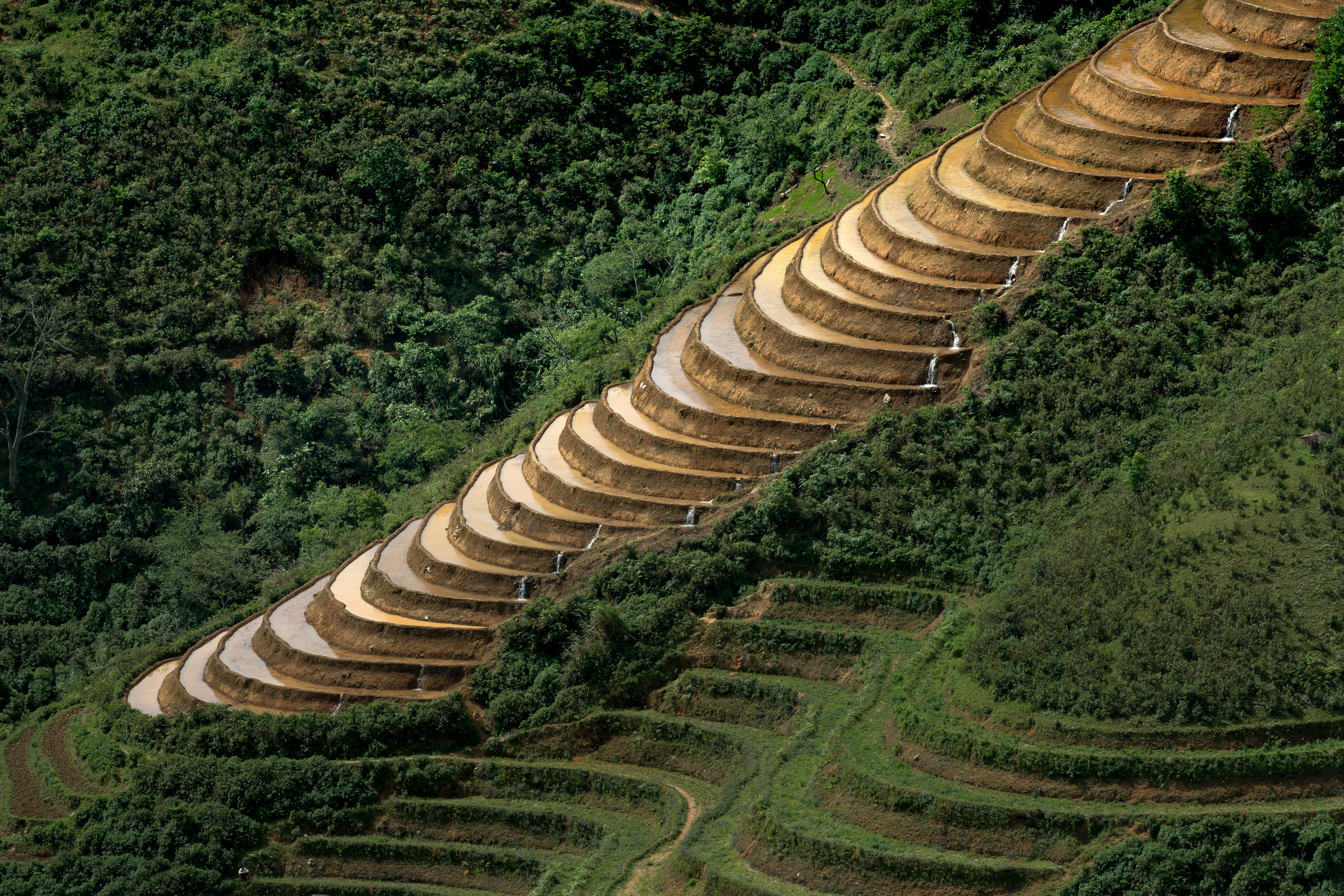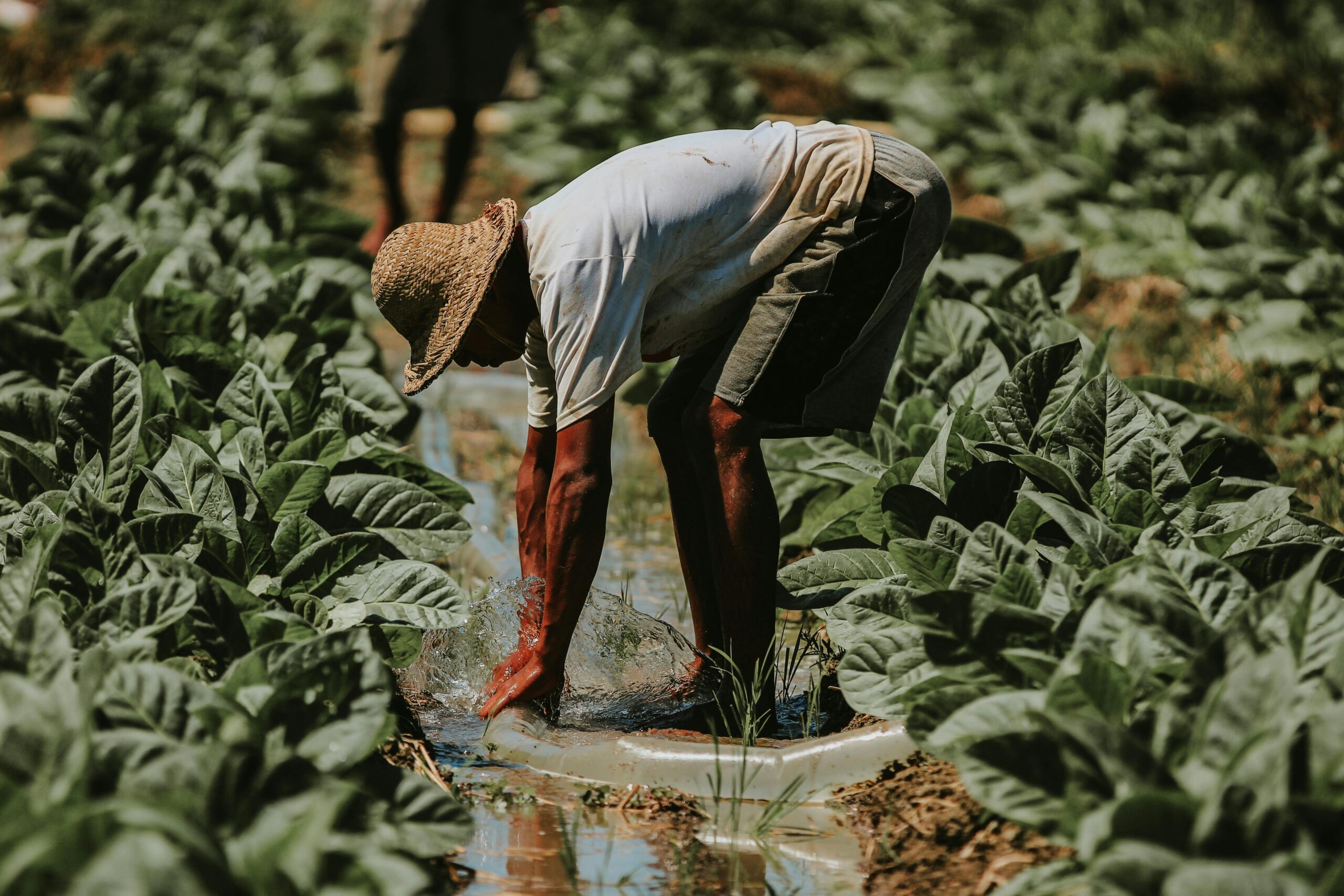
Mountain living offers unique challenges and rewards for those seeking sustainable agriculture. Perennial crops provide a revolutionary approach to farming at high altitudes, combining resilience with environmental stewardship.

🏔️ Why Perennial Crops Transform Mountain Agriculture
The secret to thriving in mountainous terrain lies beneath the soil. Unlike annual crops that require replanting each season, perennial plants establish deep root systems that anchor soil, prevent erosion, and create self-sustaining ecosystems. These remarkable crops return year after year, reducing labor, conserving water, and building soil health over time.
Mountain farmers face steep slopes, unpredictable weather patterns, and shorter growing seasons. Traditional annual farming often leads to soil degradation, nutrient depletion, and increased vulnerability to extreme weather events. Perennial crops offer a solution that works with nature rather than against it, creating agricultural systems that become more productive and resilient with each passing year.
The environmental benefits extend far beyond individual farms. Perennial root systems sequester significant amounts of carbon, contribute to watershed protection, and provide habitat for beneficial insects and wildlife. This approach transforms agriculture from an extractive practice into a regenerative one, healing landscapes while producing abundant harvests.
🌿 Essential Perennial Crops for Mountain Ecosystems
Fruit-Bearing Perennials That Thrive at Altitude
Apple trees represent one of the most reliable perennial crops for mountain regions. Heritage varieties adapted to cold climates can withstand temperatures that would devastate lowland cultivars. These trees require minimal intervention once established, producing fruit for decades while improving soil structure and creating microclimates that benefit surrounding plants.
Berry bushes offer incredible versatility for mountain growers. Blueberries thrive in acidic mountain soils, while raspberries and blackberries tolerate partial shade and create natural windbreaks. Currants and gooseberries withstand harsh conditions that challenge more delicate crops, providing reliable harvests with minimal maintenance.
Stone fruits like plums and cherries adapt surprisingly well to mountain conditions when proper varieties are selected. These trees blossom later than their lowland counterparts, avoiding late spring frosts that devastate early bloomers. Their deep taproots access water and nutrients beyond the reach of shallow-rooted plants, making them drought-resistant once established.
Perennial Vegetables for Year-Round Harvests
Asparagus stands as the champion of perennial vegetables, producing tender spears for twenty years or more from a single planting. This cold-hardy crop actually requires winter chilling to produce optimal yields, making mountain climates ideal. Asparagus crowns develop extensive root systems that improve soil structure while providing early spring harvests when fresh produce is scarce.
Rhubarb thrives in the cool temperatures that challenge many vegetables, producing abundant stalks from early spring through summer. This hardy perennial tolerates neglect, improves with age, and requires division only every five to ten years. Mountain gardeners treasure rhubarb for its reliability and productivity in challenging conditions.
Perennial onions, including walking onions and potato onions, provide continuous harvests without annual replanting. These hardy alliums multiply naturally, creating expanding beds that require minimal care. Their shallow root systems make them ideal companions for deeper-rooted perennials, maximizing growing space efficiently.
🌱 Designing Your Perennial Mountain Food Forest
Understanding Layers and Succession
Successful perennial systems mimic natural forest ecosystems by creating multiple productive layers. Tall fruit and nut trees form the canopy layer, providing shade and windbreak protection. Beneath them, smaller fruit trees and large shrubs occupy the understory, utilizing filtered light efficiently. Berry bushes and perennial vegetables fill the shrub layer, while herbs and ground covers complete the system at ground level.
This vertical diversity creates microclimates that extend growing seasons and protect sensitive plants from harsh conditions. Taller plants shelter shorter ones from drying winds and intense sun, while ground covers preserve soil moisture and suppress weeds. The result is a self-regulating system that becomes more productive and resilient over time.
Succession planning ensures continuous harvests throughout the growing season. Early spring brings asparagus and rhubarb, followed by strawberries and early greens. Summer delivers abundant berries, while tree fruits ripen in late summer and fall. Perennial herbs provide harvests from spring through frost, and many continue producing even under snow cover.
Soil Building Through Perennial Systems
Mountain soils often suffer from erosion, shallow depth, and nutrient limitations. Perennial crops address these challenges through continuous root growth, organic matter accumulation, and nutrient cycling. Deep-rooted plants break up compacted subsoil and bring minerals to the surface, while shallow-rooted plants capture nutrients before they leach away.
Fallen leaves, pruned branches, and plant residues create natural mulch that feeds soil organisms and builds humus. This organic matter improves water retention, enhances nutrient availability, and creates habitat for beneficial microorganisms. Over years, perennial systems transform poor mountain soils into rich, productive growing media.
Nitrogen-fixing perennials like Siberian pea shrub and autumn olive enrich soil naturally, eliminating the need for synthetic fertilizers. These plants form symbiotic relationships with soil bacteria that convert atmospheric nitrogen into plant-available forms. Interplanting nitrogen-fixers throughout perennial systems provides continuous fertility without external inputs.
💧 Water Management in Perennial Mountain Agriculture
Natural Water Harvesting Techniques
Mountain precipitation patterns create unique water management challenges and opportunities. Spring snowmelt provides abundant water, while summer droughts stress shallow-rooted plants. Perennial crops with established root systems access deep soil moisture unavailable to annuals, reducing irrigation requirements significantly.
Strategic placement of perennial plantings along contour lines slows water runoff and increases infiltration. Swales—shallow ditches following land contours—capture and distribute water throughout growing areas. Perennial roots stabilize these earthworks while benefiting from concentrated moisture and nutrients.
Mulching perennial beds with organic materials dramatically reduces water loss through evaporation. Wood chips, straw, and leaf litter create protective layers that moderate soil temperature, suppress weeds, and decompose into valuable organic matter. This mulch mimics forest floor conditions, creating ideal environments for perennial root systems.
Drought Resistance Through Deep Rooting
The true water efficiency of perennial systems reveals itself during drought conditions. While annual crops wither when surface soils dry out, established perennials continue thriving by accessing moisture several feet below the surface. This drought resistance provides food security in increasingly unpredictable climates.
Selecting drought-adapted perennial varieties enhances water efficiency further. Mediterranean herbs like rosemary, thyme, and oregano tolerate extended dry periods while providing valuable harvests. Native mountain plants evolved for local conditions often outperform introduced species, requiring minimal supplemental water once established.
🐝 Biodiversity and Ecosystem Services
Creating Pollinator Paradises
Perennial flowering plants provide continuous nectar and pollen sources throughout the growing season, supporting robust pollinator populations. Diverse perennial plantings attract various bee species, butterflies, and beneficial insects that enhance crop production while supporting ecosystem health. This biodiversity creates natural pest management systems that reduce reliance on chemical interventions.
Early-blooming perennials like fruit trees provide critical resources when pollinators emerge from winter dormancy. Mid-season herbs and berries maintain populations through summer, while late-blooming perennials like asters and goldenrod support insects preparing for winter. This succession ensures healthy pollinator communities that benefit all agricultural activities.
Natural Pest Management Systems
Diverse perennial systems resist pest and disease problems that plague monoculture plantings. Beneficial insects find habitat and alternative food sources throughout mixed perennial beds, maintaining populations that control pest species naturally. Birds attracted to perennial trees and shrubs consume vast quantities of insects, providing free pest management services.
Aromatic perennial herbs confuse pest insects and repel many common agricultural pests. Interspersing these plants throughout food production areas creates natural pest barriers without chemical applications. Strong-scented plants like tansy, wormwood, and rue protect vulnerable crops while providing additional harvests.
🌾 Perennial Grains and Protein Crops
Revolutionary Perennial Grain Development
Research institutions worldwide are developing perennial grain crops that could revolutionize mountain agriculture. Kernza, a perennial wheatgrass, produces nutritious grain while building soil and preventing erosion. Though yields currently trail annual wheat, perennial grains require fewer inputs and provide environmental benefits that compensate for reduced production.
Perennial grains establish root systems up to ten feet deep, accessing water and nutrients beyond the reach of annual crops. These roots remain alive year-round, holding soil in place and continuously building organic matter. For mountain regions vulnerable to erosion, perennial grains offer sustainable alternatives to traditional annual grain production.
Protein-Rich Perennial Legumes
Hardy perennial legumes provide protein-rich foods while enriching soil naturally. Groundnut produces edible tubers and beans, spreading through garden beds and fixing nitrogen continuously. Turkish rocket, a perennial relative of arugula, produces edible leaves and seeds rich in protein and beneficial oils.
Fava beans, though typically grown as annuals, readily reseed themselves in mountain gardens, creating semi-perennial populations. These cold-hardy legumes survive winter conditions that kill most crops, producing early spring harvests and improving soil fertility. Allowing some plants to self-seed ensures continuous production without annual planting.
🛠️ Practical Implementation Strategies
Starting Your Perennial System
Begin with site analysis and observation before planting anything. Study sunlight patterns, water flow, wind exposure, and microclimates throughout your property. Mountain environments create dramatic variations in growing conditions over short distances, and successful perennial systems work with these natural patterns rather than against them.
Start small with easily established perennials that provide quick returns. Strawberries, asparagus, and rhubarb offer harvests within one to two years while you develop longer-term tree and shrub plantings. This phased approach allows learning and adjustment without overwhelming initial investments of time and resources.
Source plants from high-altitude nurseries whenever possible, ensuring genetic adaptation to mountain conditions. Plants grown at similar elevations and climates establish faster and survive better than lowland varieties. Consider starting some perennials from seed, which often produces hardier plants adapted to your specific microclimate.
Maintenance and Long-Term Management
Perennial systems require different maintenance than annual gardens, focusing on pruning, mulching, and observation rather than planting and tilling. Annual pruning maintains plant health, encourages productivity, and provides valuable mulch materials. This work concentrates in late winter and early spring when other garden tasks are minimal.
Continuous mulching feeds soil organisms, suppresses weeds, and conserves moisture. Apply organic materials several inches deep around perennial plants, keeping mulch away from stems and trunks to prevent rot. As lower layers decompose, add fresh materials, creating a constantly renewing system that builds soil continuously.
Monitor plant health and productivity, replacing underperforming individuals with better varieties or different species. Perennial systems improve over time, but individual plants may decline or prove unsuited to specific locations. Regular assessment and strategic replacement optimize long-term productivity and resilience.
🌍 Climate Resilience Through Perennial Agriculture
Carbon Sequestration and Climate Mitigation
Perennial root systems sequester carbon continuously, removing atmospheric carbon dioxide and storing it in stable soil organic matter. Deep-rooted perennials capture significantly more carbon than annual crops, with some systems sequestering several tons per acre annually. This carbon storage mitigates climate change while improving soil health and productivity.
Mountain perennial systems provide food security while adapting to changing climatic conditions. Diverse plantings include species suited to various temperature and moisture scenarios, ensuring productivity across different seasonal patterns. As climates shift, perennial systems adapt through succession and natural selection, maintaining production without complete replanting.
Watershed Protection and Ecological Restoration
Mountain agricultural systems profoundly impact downstream water quality and quantity. Perennial vegetation protects watersheds by preventing erosion, filtering runoff, and moderating water flow. Dense root networks hold soil in place during heavy rains, while year-round ground cover prevents sediment movement that degrades streams and reservoirs.
Converting marginal agricultural land to perennial systems restores degraded mountain landscapes while providing sustainable harvests. Retired pastures, eroded slopes, and abandoned annual crop fields transform into productive food forests that heal ecosystems while feeding communities. This restoration agriculture creates environmental benefits that extend far beyond individual properties.
📊 Economic Benefits of Perennial Mountain Farming
Reduced Input Costs and Labor Requirements
Once established, perennial systems dramatically reduce annual input costs. No seed purchases, reduced tillage equipment needs, minimal irrigation requirements, and eliminated annual planting labor significantly lower operating expenses. These savings accumulate over decades of production, making perennial systems increasingly profitable compared to annual alternatives.
Labor requirements shift from intensive spring planting and summer maintenance to less time-sensitive pruning, mulching, and harvesting activities. This flexibility benefits mountain farmers juggling multiple enterprises or off-farm employment. Perennial systems accommodate irregular schedules better than annual crops with rigid planting and harvest windows.
Value-Added Products and Market Opportunities
Perennial crops lend themselves to value-added processing that increases profitability. Fruit preserves, dried herbs, medicinal tinctures, and craft beverages command premium prices while extending shelf life. Mountain-grown perennial products appeal to consumers seeking sustainably produced, locally harvested foods with unique regional character.
Agrotourism opportunities complement perennial production systems naturally. U-pick berry operations, farm tours, and educational workshops generate income while building community connections. Mature perennial landscapes create beautiful settings that attract visitors and showcase sustainable agriculture’s possibilities.
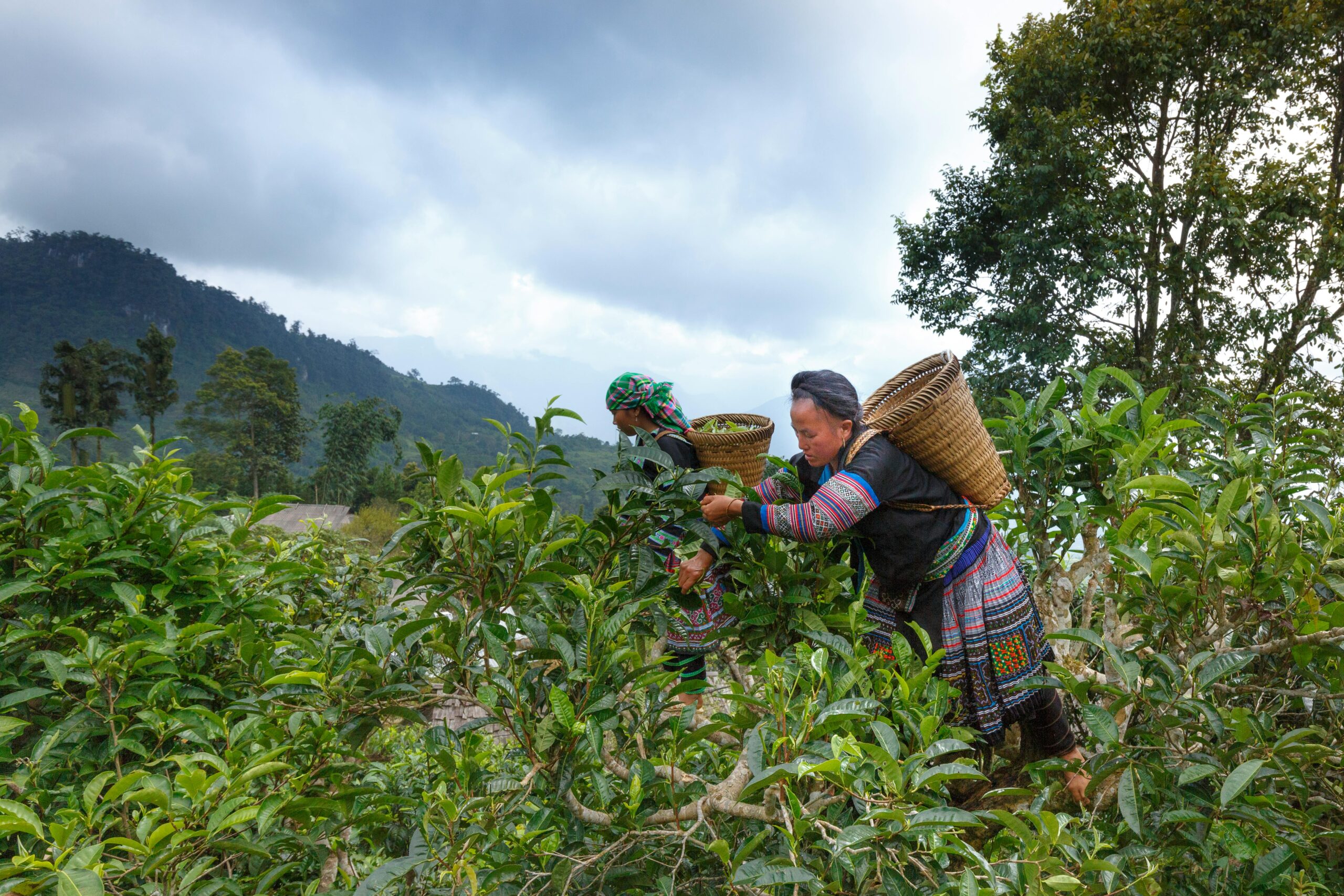
🔮 The Future of Mountain Food Production
Perennial agriculture represents the future of sustainable mountain farming, combining food security with environmental restoration. As climate challenges intensify and resource constraints tighten, perennial systems offer proven solutions that work with natural processes rather than against them. Mountain communities worldwide are rediscovering ancestral perennial farming practices while incorporating modern ecological understanding and improved varieties.
The transition from annual to perennial agriculture requires patience and vision, but rewards compound over time. Each year brings increased harvests, improved soil health, and enhanced ecosystem services. Mountain landscapes transformed through perennial agriculture demonstrate that productive farming and environmental stewardship are not opposing goals but complementary approaches to sustainable living.
Whether you’re managing acres of mountain land or developing a small homestead garden, perennial crops provide pathways to food security, economic viability, and ecological restoration. Start small, observe carefully, and let your perennial systems teach you the secrets of sustainable mountain agriculture. The harvests you plant today will nourish generations to come while healing the landscapes we all depend upon. 🌱