High-altitude crops are nature’s hidden treasures, cultivated in extreme environments where thin air and intense sunlight create nutritional powerhouses that can transform your health.

🏔️ The Extraordinary World of High-Altitude Agriculture
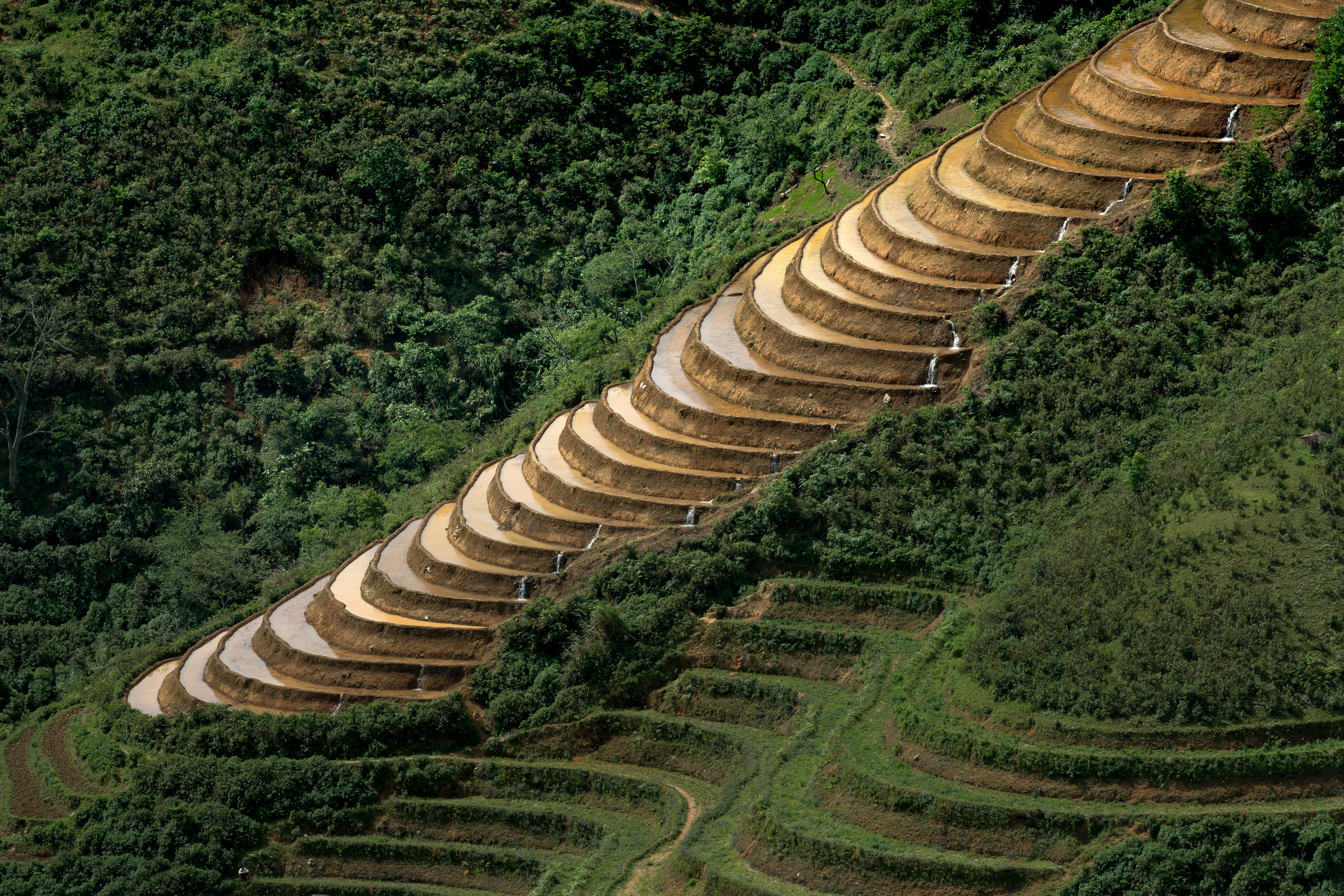
For thousands of years, indigenous communities living in mountainous regions have cultivated crops at elevations that would challenge most agricultural systems. These high-altitude environments, typically above 2,500 meters, present unique challenges including reduced oxygen levels, intense UV radiation, extreme temperature fluctuations, and decreased atmospheric pressure. Yet remarkably, the crops that thrive in these conditions develop extraordinary nutritional profiles as survival mechanisms.
The stress response triggered by these harsh conditions causes plants to produce higher concentrations of protective compounds, antioxidants, and essential nutrients. This phenomenon, known as environmental stress response, essentially forces plants to become nutritional superheroes. The result is produce with significantly higher nutrient density compared to their lowland counterparts.
Understanding Nutrient Density and Its Impact on Health
Nutrient density refers to the concentration of beneficial nutrients relative to the caloric content of food. High-altitude crops excel in this metric, offering more vitamins, minerals, antioxidants, and phytonutrients per serving than similar crops grown at sea level. This matters tremendously for modern health challenges.
Our contemporary diets often suffer from what nutritionists call “hidden hunger” – consuming adequate calories but insufficient micronutrients. High-altitude crops address this problem directly by delivering maximum nutritional value in every bite. Research demonstrates that these nutrient-dense foods can enhance immune function, reduce inflammation, improve cognitive performance, and support longevity.
The Science Behind Altitude and Nutrition
Plants grown at high altitudes face approximately 25% more UV radiation than those at sea level. To protect themselves, they synthesize higher levels of polyphenols, flavonoids, and carotenoids – the very compounds that provide powerful health benefits to humans. Studies have shown that high-altitude quinoa contains up to 40% more protein and significantly higher levels of essential amino acids compared to lowland varieties.
The cooler temperatures at elevation slow plant growth, allowing more time for nutrient accumulation in tissues. This extended maturation period results in sweeter, more flavorful produce with enhanced nutritional profiles. Additionally, the pristine mountain air and mineral-rich volcanic soils common in highland regions contribute trace elements often depleted in conventional agricultural lands.
🌾 Champion Crops from the World’s High Places
Quinoa: The Ancient Superfood
Originating in the Andean highlands of South America, quinoa thrives at altitudes between 2,500 and 4,000 meters. This pseudo-grain contains all nine essential amino acids, making it a complete protein source rare in the plant kingdom. High-altitude quinoa varieties show elevated levels of iron, magnesium, phosphorus, and B vitamins.
The antioxidant capacity of quinoa grown above 3,500 meters exceeds lowland versions by nearly 50%. These antioxidants include quercetin and kaempferol, compounds linked to reduced cancer risk, improved heart health, and anti-inflammatory effects. For athletes and active individuals, quinoa’s balanced macronutrient profile provides sustained energy without blood sugar spikes.
Himalayan Buckwheat: Gluten-Free Powerhouse
Cultivated across the Himalayan plateau at elevations up to 4,500 meters, buckwheat is technically a fruit seed that functions as a grain. High-altitude Himalayan buckwheat contains exceptional levels of rutin, a bioflavonoid that strengthens capillaries, improves circulation, and supports cardiovascular health.
This crop delivers impressive amounts of manganese, copper, magnesium, and fiber while remaining completely gluten-free. The resistant starch content in buckwheat promotes healthy gut bacteria, enhances digestive health, and improves metabolic markers. Traditional Himalayan communities attribute their longevity partly to regular buckwheat consumption.
Andean Maca Root: Energy and Endurance
Growing exclusively at altitudes between 3,800 and 4,400 meters in the Peruvian Andes, maca root has been cultivated for over 2,000 years. This cruciferous vegetable adapts to extreme conditions by concentrating bioactive compounds that support hormonal balance, energy production, and physical stamina.
Maca contains unique molecules called macamides and macaenes, which influence the endocrine system and enhance stress resilience. Studies demonstrate that maca supplementation improves athletic performance, increases libido, supports mood regulation, and may enhance fertility. The high-altitude varieties show the most potent effects due to their concentrated phytonutrient profiles.
Ethiopian Teff: The Smallest Grain with Mighty Benefits
This tiny grain, cultivated in the Ethiopian highlands at elevations around 2,000 to 3,000 meters, forms the foundation of traditional injera bread. Despite its size, teff packs remarkable nutritional density with exceptional calcium, iron, and protein content. It contains higher calcium levels than most other grains, supporting bone health naturally.
The resistant starch in teff regulates blood sugar effectively, making it beneficial for diabetic management and weight control. Its high fiber content promotes satiety and digestive health. The diverse mineral profile includes manganese, phosphorus, zinc, and copper, all concentrated through high-altitude cultivation.
💪 Performance Benefits for Modern Life
Athletic Performance and Recovery
High-altitude crops offer distinct advantages for athletes and fitness enthusiasts. The complete amino acid profiles support muscle protein synthesis and recovery. The concentrated antioxidants combat exercise-induced oxidative stress, reducing inflammation and accelerating healing between training sessions.
The complex carbohydrates provide sustained energy release without the crashes associated with refined grains. Many professional athletes have integrated quinoa, buckwheat, and teff into their nutrition protocols, reporting improved endurance, better recovery times, and enhanced overall performance. The natural adaptogens in crops like maca help the body manage physical stress more efficiently.
Cognitive Function and Mental Clarity
The nutrient density of high-altitude crops directly supports brain health and cognitive performance. B vitamins abundant in these foods facilitate neurotransmitter production and energy metabolism in brain cells. The iron content prevents cognitive fatigue associated with deficiency, while magnesium supports neural transmission and stress management.
Antioxidants protect brain tissue from oxidative damage linked to cognitive decline and neurodegenerative conditions. Regular consumption of nutrient-dense high-altitude crops has been associated with improved memory, enhanced focus, better mood regulation, and reduced brain fog in clinical observations.
Immune System Fortification
The concentrated phytonutrients, vitamins, and minerals in high-altitude crops provide comprehensive immune support. Zinc, selenium, iron, and vitamins C and E work synergistically to strengthen immune defenses. The prebiotic fibers nourish beneficial gut bacteria, where approximately 70% of immune function originates.
The anti-inflammatory compounds reduce chronic inflammation that underlies many modern diseases. Regular consumption supports a balanced immune response, neither overreacting to harmless substances nor underreacting to genuine threats. This balanced immunity promotes resilience against infections and chronic conditions alike.
🌍 Sustainability and Environmental Resilience
High-altitude crops offer more than personal health benefits – they represent sustainable agricultural solutions for a changing climate. These plants have adapted to harsh conditions over millennia, requiring minimal inputs while producing maximum nutrition. They typically need less water than conventional crops, resist many common pests naturally, and thrive in marginal lands unsuitable for industrial agriculture.
Cultivating these traditional crops supports biodiversity conservation and preserves agricultural heritage. Many high-altitude farming communities practice regenerative techniques that enrich soil health rather than depleting it. Supporting these crops economically empowers indigenous communities while promoting environmental stewardship.
As climate change creates more extreme weather patterns and agricultural challenges, the genetic resilience encoded in high-altitude crops becomes increasingly valuable. These plants offer genetic resources for developing future crop varieties capable of withstanding environmental stress while maintaining nutritional quality.
Practical Integration into Your Diet
Starting Your High-Altitude Nutrition Journey
Incorporating these powerful crops into your daily routine requires no dramatic dietary overhaul. Begin by substituting quinoa for rice or pasta in familiar dishes. Its mild, nutty flavor complements virtually any cuisine, from Mediterranean to Asian-inspired meals. Cook it like rice with a 2:1 water-to-quinoa ratio, and it’s ready in just 15 minutes.
Buckwheat makes excellent breakfast porridge, pancakes, or can be used as buckwheat flour in baking. Teff works wonderfully as a hot cereal alternative or ground into flour for gluten-free baking. Maca powder blends easily into smoothies, coffee, or energy balls, starting with small amounts (1/4 teaspoon) and gradually increasing as your body adapts.
Preparation Tips for Maximum Benefit
To optimize nutrient absorption from high-altitude grains, consider soaking them for several hours before cooking. This process reduces antinutrients like phytic acid that can interfere with mineral absorption. Rinsing quinoa thoroughly removes bitter saponins on the outer coating, improving flavor and digestibility.
Pair these crops strategically with complementary foods. Combining them with vitamin C-rich vegetables enhances iron absorption. Adding healthy fats like olive oil or avocado improves the absorption of fat-soluble vitamins and antioxidants. Fermentation, as practiced in traditional preparations like injera, increases nutrient bioavailability and adds beneficial probiotics.
📊 Nutritional Comparison: High-Altitude vs. Conventional Crops
| Nutrient | High-Altitude Quinoa | Lowland Rice | High-Altitude Buckwheat | Conventional Wheat |
|---|---|---|---|---|
| Protein (per 100g) | 14-16g | 7g | 13-15g | 10-13g |
| Iron (mg) | 4.6 | 0.8 | 2.5 | 3.6 |
| Magnesium (mg) | 197 | 25 | 231 | 126 |
| Fiber (g) | 7 | 1.3 | 10 | 10.7 |
| Antioxidant Capacity | High | Low | Very High | Moderate |
🔬 Research Frontiers and Future Potential
Scientific interest in high-altitude crops continues expanding as researchers uncover new health applications. Recent studies explore their potential in managing metabolic syndrome, supporting cardiovascular health, and potentially reducing cancer risk through concentrated phytonutrient content. The unique protein structures in some high-altitude crops show promise for developing novel therapeutics.
Agricultural scientists are investigating how traditional cultivation knowledge can inform climate-resilient farming practices globally. The stress-adaptation mechanisms these plants employ may hold keys to developing crop varieties capable of feeding growing populations under increasingly challenging environmental conditions.
Nutritional genomics research examines how the bioactive compounds in high-altitude crops interact with human genes, influencing expression patterns that affect health outcomes. This emerging field suggests personalized nutrition strategies based on individual genetic profiles and specific high-altitude crop combinations.
Making the Most of Mountain Medicine
Quality Sourcing Matters
Not all products labeled as high-altitude crops deliver equal benefits. Seek certified organic options when possible, and look for products that specify elevation of cultivation. Fair trade certifications ensure ethical sourcing that supports farming communities. Whole grain versions retain maximum nutrients compared to refined products.
Purchase from reputable suppliers who provide transparency about sourcing and processing methods. Some companies partner directly with highland farming cooperatives, ensuring authentic high-altitude cultivation and fair compensation for growers. Storage matters too – keep these grains in airtight containers in cool, dark places to preserve nutritional integrity.
Creating Sustainable Habits
The transition to incorporating high-altitude crops works best as a gradual, sustainable lifestyle shift rather than a temporary dietary experiment. Start with one or two crops, master preparing them deliciously, then expand your repertoire. Batch cooking quinoa or teff at the beginning of the week provides convenient, nutritious bases for multiple meals.
Experiment with different varieties and preparations to discover what resonates with your palate and lifestyle. Red, black, and white quinoa offer subtle flavor differences. Toasting buckwheat groats before cooking intensifies their nutty taste. Finding preparations you genuinely enjoy ensures long-term adherence and maximum health benefits.
🎯 Optimizing Your Vitality with Ancient Wisdom
The remarkable nutrient density of high-altitude crops represents thousands of years of natural selection and traditional agricultural wisdom. These foods sustained civilizations in challenging environments because they deliver maximum nutrition in compact packages – exactly what modern health challenges require. The oxidative stress, inflammation, and nutrient deficiencies plaguing contemporary populations find natural counterbalances in these mountain-grown powerhouses.
Embracing high-altitude crops means reconnecting with food as genuine nourishment rather than mere fuel. Each serving delivers not just calories but concentrated life-supporting compounds that optimize cellular function, support vitality, and promote longevity. The performance benefits extend beyond athletic achievement to encompass mental clarity, emotional resilience, and sustained energy throughout demanding days.
As we face unprecedented health and environmental challenges, these time-tested crops offer solutions rooted in ecological wisdom and nutritional excellence. They remind us that peak performance isn’t achieved through synthetic interventions but through aligning our diets with foods that have evolved to thrive under stress while maintaining exceptional nutritional integrity.
The path to optimal health and vitality lies not in exotic supplements or restrictive protocols, but in the simple wisdom of consuming nutrient-dense, whole foods that have nourished resilient populations for millennia. High-altitude crops invite us to elevate our nutrition literally and figuratively, harnessing the power of mountains to fuel our modern lives with ancient excellence.