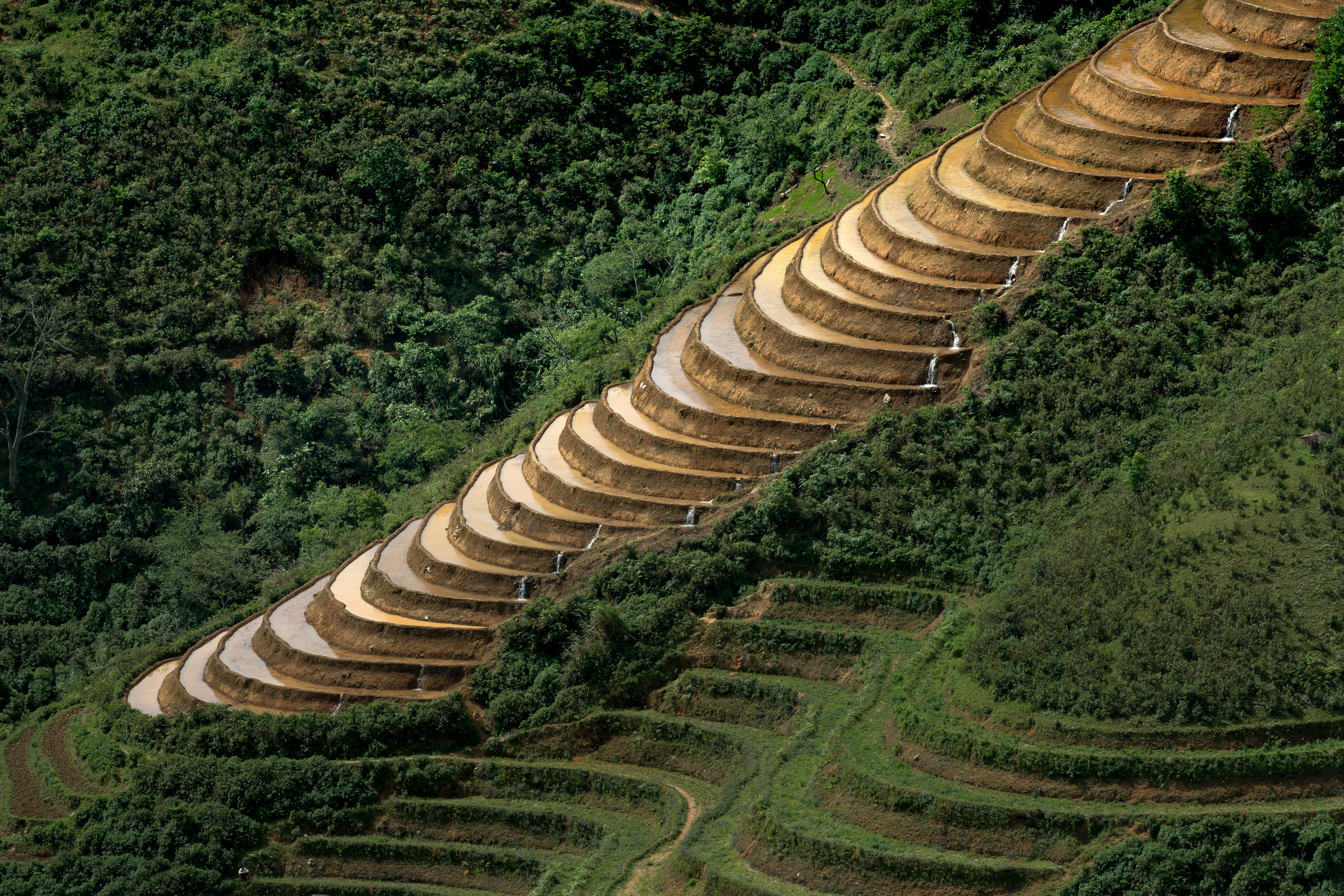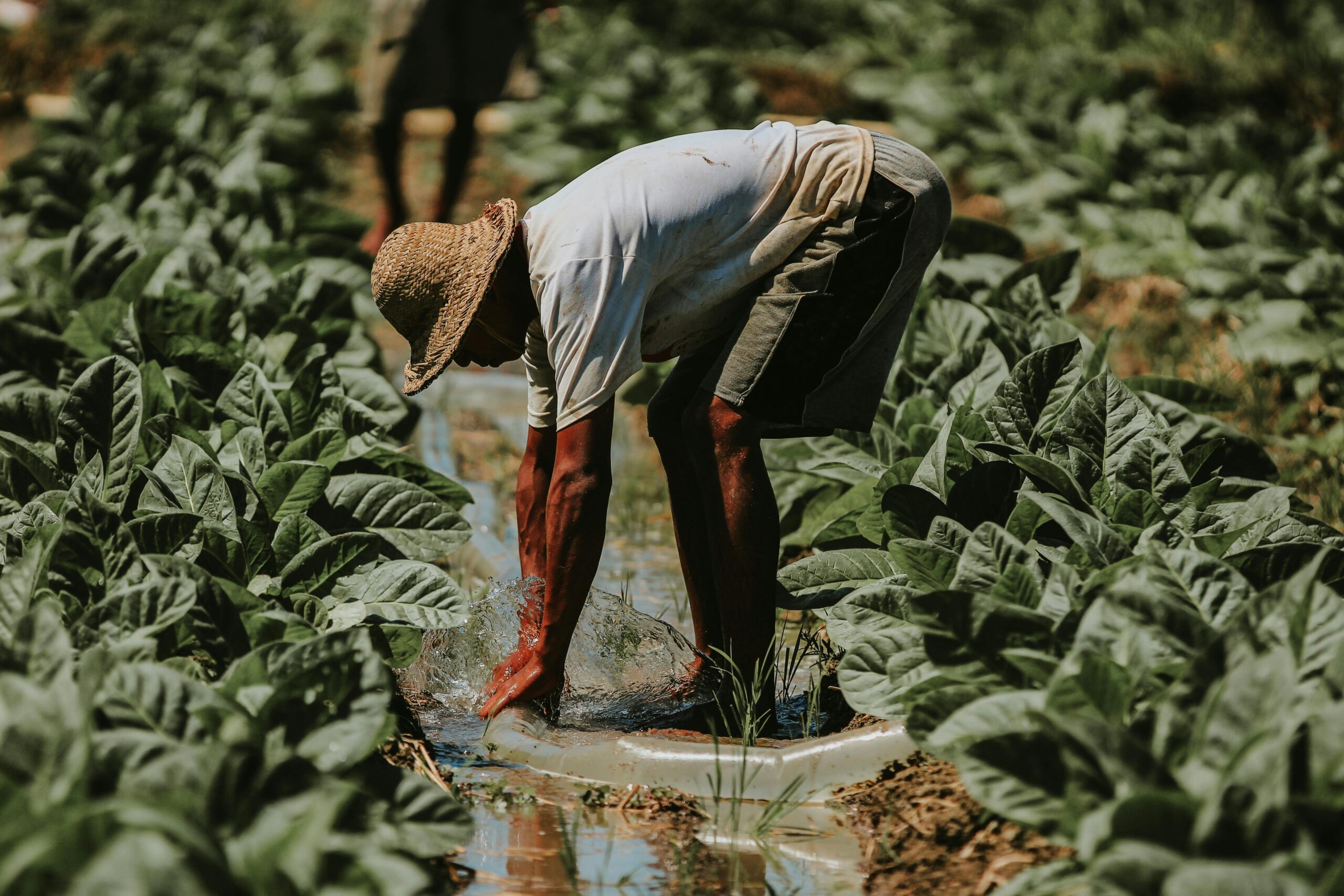
Alpine agriculture communities have long demonstrated resilience and innovation, creating unique economic models that balance tradition with modern sustainability demands while maintaining prosperity in challenging mountain environments.

🏔️ The Hidden Economic Engines of Mountain Farming
Nestled among towering peaks and verdant valleys, alpine agriculture communities represent some of the world’s most remarkable examples of sustainable economic development. These mountain regions, spanning the Alps, Pyrenees, Caucasus, and other high-altitude zones, have cultivated economic systems that have endured for centuries while adapting to contemporary challenges.
The economic models employed by these communities are far from simple. They integrate agricultural production, tourism, artisanal crafts, and environmental stewardship into cohesive systems that generate multiple revenue streams while preserving ecological balance. Understanding these models provides valuable insights for sustainable development initiatives worldwide, particularly in regions facing similar geographical constraints and environmental pressures.
Traditional Foundations: Time-Tested Economic Wisdom
Alpine agricultural economies are built upon practices refined over generations. Transhumance—the seasonal movement of livestock between lowland and mountain pastures—exemplifies this wisdom. This practice maximizes land productivity while preventing overgrazing and allowing pastures to regenerate naturally.
The communal management of alpine pastures, known as “alp” or “alm” systems in German-speaking regions, demonstrates sophisticated collective resource governance. These arrangements allocate grazing rights, distribute maintenance responsibilities, and share infrastructure costs among community members. Such systems have proven remarkably efficient at preventing the tragedy of the commons while maintaining social cohesion.
Diversification as Economic Insurance
Mountain farmers have always understood that relying on single revenue sources invites disaster. Traditional alpine households maintained diverse portfolios including dairy production, meat, wool, timber, and seasonal labor. This diversification strategy provided economic resilience against market fluctuations, weather events, and other uncertainties that disproportionately affect mountain regions.
The Premium Product Strategy: Quality Over Quantity
Geography constrains alpine farmers from competing on volume with lowland industrial agriculture. Instead, successful mountain communities have developed premium product strategies that leverage their unique environmental conditions and traditional methods as competitive advantages.
Alpine cheeses like Gruyère, Comté, Fontina, and countless regional varieties command premium prices in global markets. These products benefit from protected designation of origin (PDO) and protected geographical indication (PGI) certifications that legally connect product quality to specific mountain territories and production methods.
Key Elements of Alpine Premium Positioning
- Terroir storytelling: Connecting products to specific landscapes, climates, and cultural traditions
- Quality certifications: Obtaining and maintaining PDO, PGI, and organic certifications
- Limited production: Using scarcity as a value-creation mechanism rather than a limitation
- Traditional methods: Preserving time-honored techniques as authenticity markers
- Traceability systems: Providing transparent supply chains that build consumer trust
This premium positioning strategy transforms geographical constraints into marketing assets. The very factors that limit production volume—steep slopes, short growing seasons, difficult access—become proof points for authenticity and quality in consumer narratives.
🌱 Agritourism: Creating Experiential Value
The integration of tourism with agricultural production represents one of the most successful economic innovations in alpine regions. Agritourism generates additional income streams while creating markets for agricultural products and raising awareness about mountain farming challenges.
Farm stays, alpine hut experiences, cheese-making workshops, and agricultural festivals allow visitors to experience mountain life firsthand. These experiences command premium prices because they offer authenticity increasingly rare in commodified tourism markets.
Economic Benefits Beyond Direct Revenue
Agritourism creates ripple effects throughout alpine economies. Visitors purchase local products, patronize village restaurants and shops, and often return as loyal customers for mountain products. This creates stable demand channels independent of conventional retail distribution systems.
Additionally, agritourism helps justify continued agricultural activity in marginal areas. When combined income from farming and tourism exceeds what either activity could generate alone, families can remain economically viable in locations that pure agriculture could no longer support.
Cooperative Structures: Strength Through Collaboration
Alpine regions have pioneered cooperative economic structures that allow small producers to achieve economies of scale while maintaining independence. Agricultural cooperatives handle processing, marketing, and distribution, enabling individual farmers to focus on production while accessing markets and infrastructure beyond their individual reach.
The South Tyrolean Dairy Cooperative system in Italy exemplifies this model. By pooling milk from hundreds of small mountain farms, cooperatives operate modern processing facilities, maintain quality standards, coordinate marketing, and negotiate favorable terms with retailers. Individual farmers receive better prices than they could achieve independently while retaining ownership of their operations.
Modern Cooperative Innovation
Contemporary alpine cooperatives extend beyond traditional functions. Some operate renewable energy installations, sharing costs and revenues from solar panels and small hydroelectric facilities. Others coordinate agritourism offerings, operating collective booking platforms and quality assurance programs. This cooperative mindset creates economic resilience by distributing both risks and opportunities across community networks.
💰 Ecosystem Services: Monetizing Environmental Stewardship
Alpine agriculture provides critical ecosystem services that benefit society far beyond mountain communities themselves. These include water regulation, avalanche protection, biodiversity conservation, carbon sequestration, and landscape maintenance that supports tourism throughout broader regions.
Progressive alpine regions have developed payment mechanisms that compensate farmers for these services. Switzerland’s direct payment system provides substantial support for alpine agriculture based explicitly on multifunctional services rather than pure production metrics.
| Ecosystem Service | Economic Value Mechanism | Beneficiaries |
|---|---|---|
| Watershed protection | Water quality payments from downstream users | Urban water systems, hydropower operators |
| Avalanche mitigation | Infrastructure protection savings | Transportation networks, settlements |
| Biodiversity conservation | Conservation payments, ecotourism revenue | Regional tourism industry, global community |
| Cultural landscape maintenance | Tourism multiplier effects | Hospitality sector, regional economy |
| Carbon sequestration | Carbon credit markets, climate payments | Corporate offsets, climate policy goals |
These payment systems recognize that alpine agriculture generates value beyond marketed commodities. By creating revenue streams from ecosystem services, they improve farm economics while incentivizing environmental stewardship practices.
Digital Transformation in Mountain Valleys
Alpine agriculture communities are increasingly leveraging digital technologies to overcome geographical isolation and access broader markets. E-commerce platforms allow producers to sell directly to consumers worldwide, capturing retail margins that traditionally went to intermediaries.
Digital storytelling through social media creates emotional connections between producers and consumers. Farmers share seasonal rhythms, animal personalities, production processes, and landscape beauty, building brands based on authenticity and transparency. These direct relationships often translate into premium prices and loyal customer bases.
Technology Enhancing Traditional Practices
Precision agriculture technologies help mountain farmers optimize limited resources. GPS-based grazing management prevents overuse of sensitive areas. Weather monitoring systems improve decision-making about hay harvest and livestock movement. Blockchain traceability systems verify product authenticity and combat fraud in premium markets.
However, successful digital adoption in alpine regions requires addressing infrastructure gaps. Many mountain areas lack reliable internet connectivity, limiting technological opportunities. Progressive regional policies treat broadband access as essential infrastructure for rural economic viability, comparable to roads and electricity.
🌍 Climate Change: Challenge and Opportunity
Climate change presents existential challenges for alpine agriculture. Rising temperatures alter vegetation patterns, reduce snowpack, increase drought risk, and facilitate invasive species and pests. These changes threaten traditional practices and production systems.
However, some alpine communities are identifying opportunities within these challenges. Extended growing seasons allow cultivation of crops previously impossible at high elevations. Tourism patterns shift toward mountain regions as lowland areas become uncomfortably hot. Alpine water resources gain value as scarcity increases elsewhere.
Adaptive Economic Strategies
Forward-thinking alpine communities are developing climate adaptation strategies that maintain economic viability while building resilience. These include diversifying crop and livestock varieties, investing in water storage infrastructure, developing climate-adaptive tourism offerings, and positioning mountain products as climate-friendly alternatives to industrial agriculture.
Some regions market their agricultural products explicitly on climate mitigation credentials. Grass-fed alpine livestock raised on natural pastures without synthetic inputs present lower carbon footprints than industrial meat production. This messaging appeals to environmentally conscious consumers willing to pay premiums for climate-friendly products.
The Youth Challenge: Making Mountains Attractive Again
Perhaps the greatest threat to alpine agricultural economies is demographic decline. Young people historically left mountain regions for education and employment opportunities in urban areas. This exodus threatens the knowledge transmission and labor supply necessary for continued agricultural activity.
Successful alpine communities address this challenge through multifaceted strategies. Improving digital infrastructure reduces isolation and enables remote work opportunities. Supporting value-added processing creates diverse employment beyond farm labor. Investing in education and cultural amenities makes mountain communities attractive places to raise families.
New Mountain Farmers: Urban Return Migration
Interestingly, some alpine regions now attract “new mountain farmers”—urban refugees seeking lifestyle changes and meaningful work. These newcomers bring fresh perspectives, entrepreneurial energy, and professional skills that complement traditional knowledge. Programs that facilitate knowledge transfer between established farmers and motivated newcomers strengthen both groups.
This trend reflects broader societal shifts. As remote work becomes normalized, environmental concerns intensify, and urban living costs rise, mountain regions offer compelling alternatives for some demographic segments. Alpine communities positioning themselves to attract and retain these “lifestyle migrants” can reverse decades of population decline.
Policy Frameworks Supporting Mountain Prosperity 📋
Successful alpine economic models depend substantially on supportive policy frameworks at local, regional, and national levels. The most effective policies recognize mountain agriculture’s unique challenges and multifunctional contributions rather than applying standardized agricultural policies designed for lowland conditions.
Compensatory payments for natural disadvantages help level the playing field between mountain and lowland farmers. Quality certification systems protect authentic mountain products from imitation. Infrastructure investments in roads, telecommunications, and renewable energy reduce isolation costs. Education and advisory services tailored to mountain conditions improve farm management and innovation adoption.
International Frameworks
International agreements increasingly recognize mountain regions’ special status. The Mountain Partnership, established at the 2002 World Summit on Sustainable Development, promotes cooperation on mountain development issues. The UN’s recognition of mountains in Sustainable Development Goal 15 raises awareness about mountain ecosystem protection and sustainable use.
These international frameworks facilitate knowledge exchange among alpine regions worldwide, allowing communities to learn from successful models elsewhere while adapting strategies to local contexts.
🎯 Lessons for Global Sustainable Development
Alpine agricultural economic models offer valuable lessons extending far beyond mountain regions. Their emphasis on quality over quantity, diversification, cooperative structures, ecosystem service recognition, and cultural preservation provides templates for sustainable development in various contexts.
The alpine experience demonstrates that geographical constraints need not condemn regions to economic marginalization. When communities leverage unique characteristics as competitive advantages rather than accepting them as insurmountable limitations, sustainable prosperity becomes achievable even in challenging environments.
Furthermore, alpine models show that economic viability and environmental stewardship need not conflict. When ecosystem services receive appropriate economic recognition and premium markets reward sustainable practices, environmental quality becomes an economic asset rather than a production constraint.
Creating Resilient Mountain Futures
The path forward for alpine agriculture communities requires balancing continuity and change. Traditional practices and cultural identity provide foundations for authenticity and community cohesion, yet adaptation remains necessary for continued relevance in evolving markets and environmental conditions.
Successful communities selectively modernize while preserving core values and practices. They adopt technologies that enhance rather than replace traditional knowledge. They welcome newcomers while ensuring knowledge transmission from established practitioners. They market innovations alongside heritage, creating narratives that honor past while embracing future.
This balanced approach requires sophisticated community governance capable of navigating competing interests and managing change processes inclusively. When done well, it creates dynamic mountain economies that provide livelihoods, maintain cultural identity, steward landscapes, and contribute to broader regional prosperity.
Alpine agriculture communities stand at a fascinating juncture. Climate change, globalization, demographic shifts, and technological transformation create unprecedented challenges yet also open new opportunities. Those communities that successfully navigate this complexity by building on traditional strengths while embracing strategic innovation will achieve peak performance—sustainable growth and prosperity that benefits both mountain residents and the broader societies that depend on healthy mountain ecosystems. Their success provides hope and practical models for sustainable development far beyond alpine valleys, demonstrating that even small communities in challenging environments can craft resilient economic futures when they leverage unique assets creatively and cooperatively.