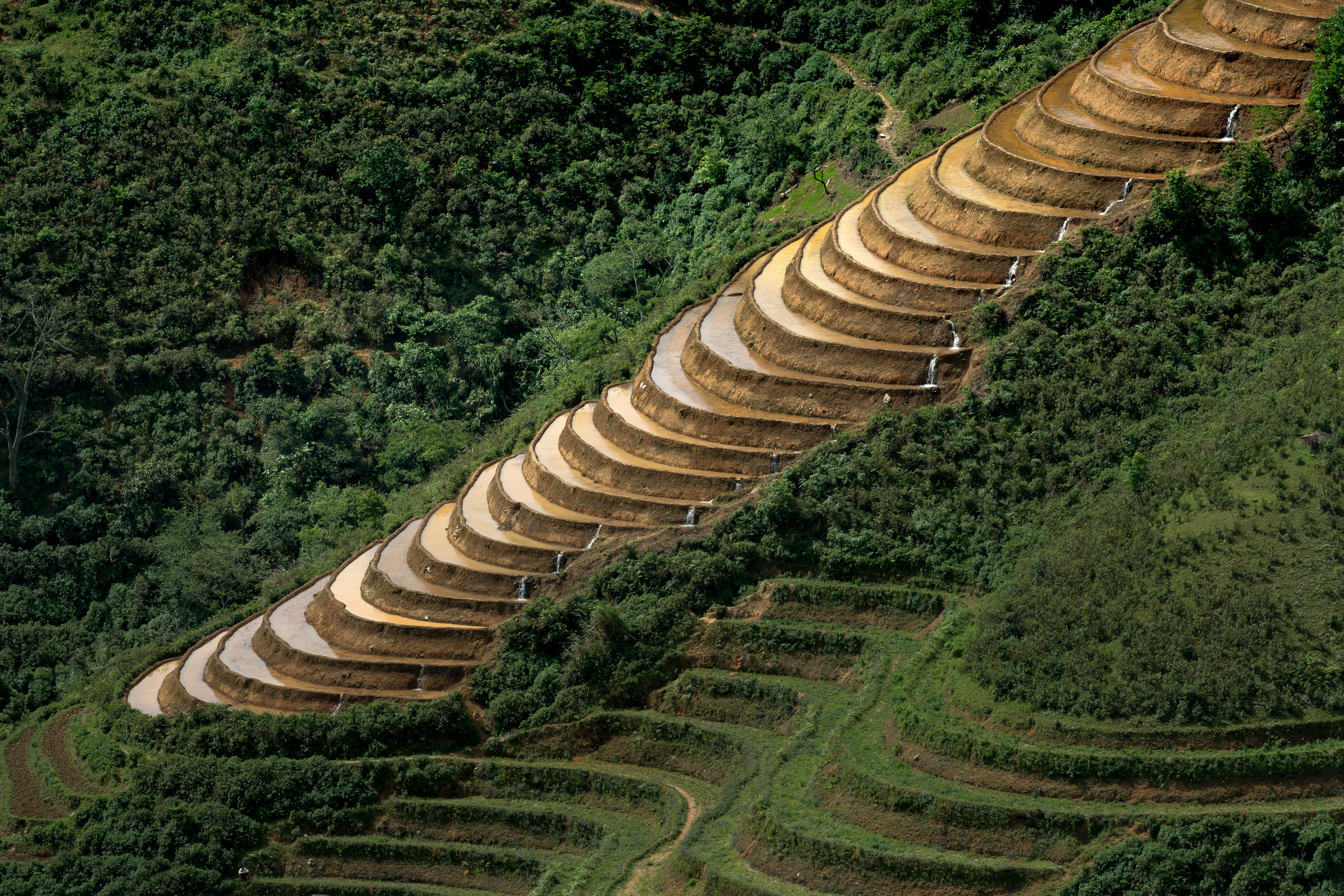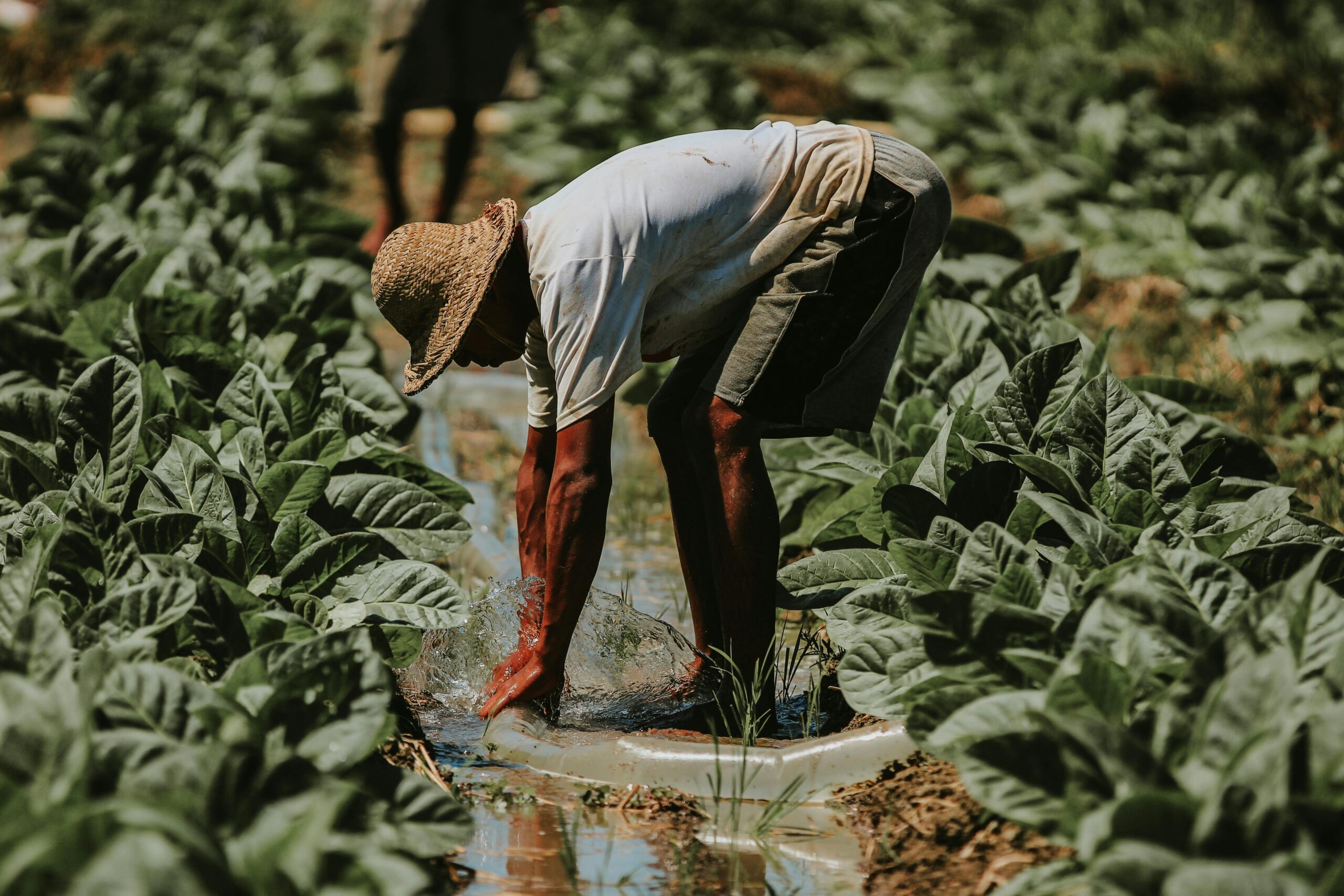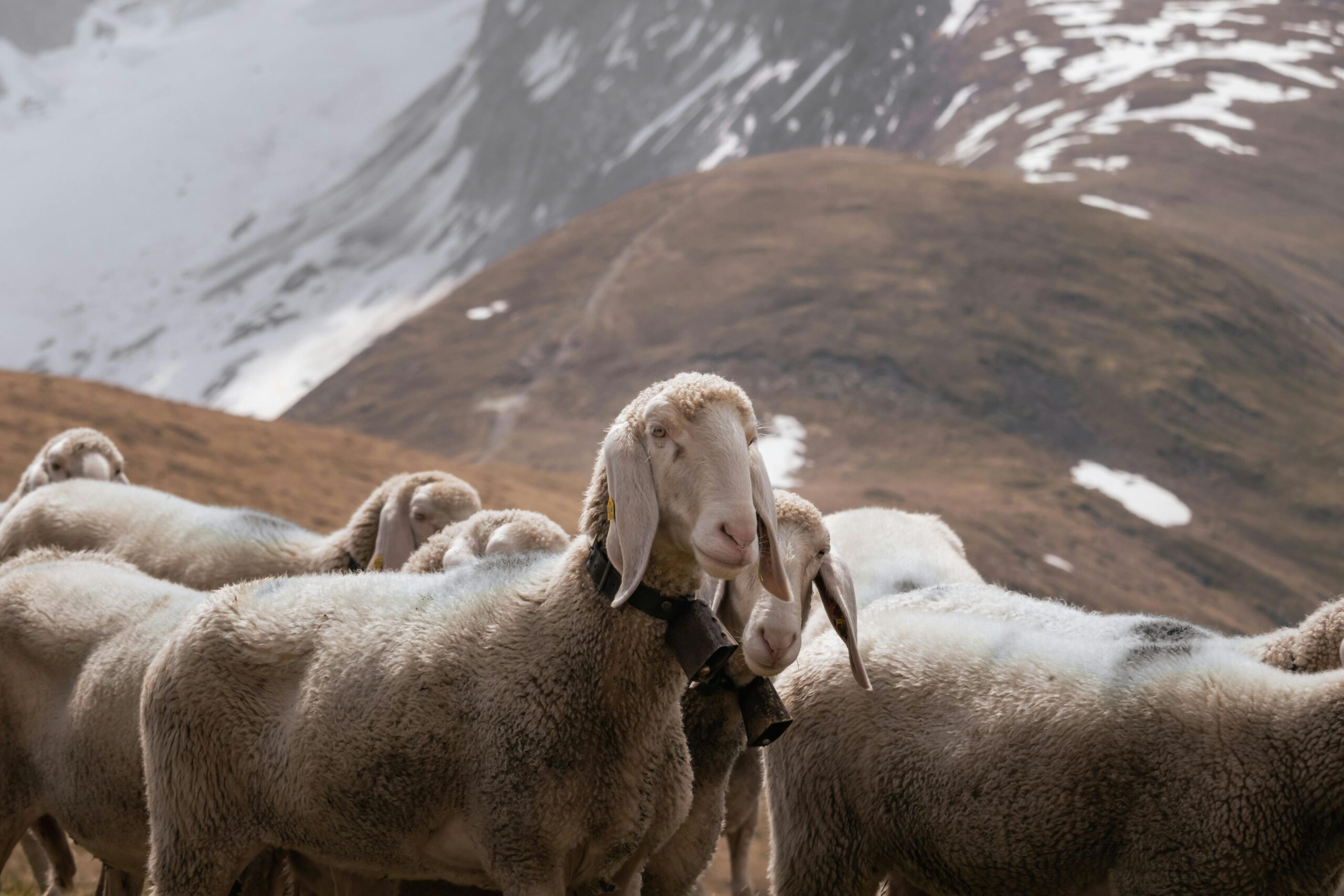
Alpine farming presents unique challenges, but selecting the right cold-resistant crop varieties can transform harsh mountain environments into productive agricultural landscapes that thrive despite freezing temperatures and short growing seasons.

🏔️ Understanding the Alpine Growing Environment
Alpine regions present some of the most challenging conditions for agriculture worldwide. These high-altitude areas are characterized by intense UV radiation, dramatic temperature fluctuations, shortened growing seasons, and unpredictable weather patterns that can bring frost even during summer months. Yet, farmers and gardeners in these regions have cultivated food for centuries by selecting varieties that have adapted to withstand these extreme conditions.
The key to successful alpine agriculture lies in understanding the specific environmental stressors that crops face. Temperatures can plummet below freezing at night even when daytime temperatures are pleasant. The growing season may span only 60 to 90 days in the highest elevations, compared to 120 to 180 days in lowland areas. Additionally, the thin atmosphere at altitude provides less insulation against temperature extremes, and strong winds can cause physical damage to plants while accelerating moisture loss.
Cold-resistant crops have evolved fascinating mechanisms to survive these conditions. Some produce natural antifreeze compounds that prevent ice crystal formation within their cells. Others enter dormancy quickly when temperatures drop, protecting their growing points from damage. Understanding these adaptations helps farmers select the most appropriate varieties for their specific microclimates.
🥔 Hardy Root Vegetables That Laugh at Frost
Root vegetables represent some of the most reliable crops for alpine conditions, with many varieties actually improving in flavor after exposure to light frost. These underground treasures store energy below the soil surface, protecting their most valuable parts from freezing winds and temperature swings.
Potato Varieties Built for the Mountains
Potatoes originally hail from the high Andes, making them naturally suited to alpine conditions. Varieties like ‘Yukon Gold,’ ‘Russian Blue,’ and ‘Keuka Gold’ demonstrate exceptional cold tolerance. The Peruvian varieties ‘Papa Amarilla’ and ‘Papa Huayro’ have been cultivated above 14,000 feet for millennia and continue to produce reliable harvests in the harshest conditions.
These potato varieties can tolerate light frosts during the growing season and continue development even when nighttime temperatures drop to near freezing. Plant them as soon as soil can be worked in spring, typically 2-3 weeks before the last expected frost. Their deep roots access moisture and nutrients unavailable to shallow-rooted crops.
Carrots and Beets That Sweeten with Cold
Carrots and beets undergo a remarkable transformation when exposed to cold temperatures. As a survival mechanism, they convert starches to sugars, which lower the freezing point of their cell contents while simultaneously enhancing their flavor profile. Varieties like ‘Napoli’ and ‘Mokum’ carrots, along with ‘Detroit Dark Red’ and ‘Chioggia’ beets, excel in alpine gardens.
These roots can be left in the ground even after the first heavy frosts, with proper mulching allowing harvest well into winter in many alpine regions. Some farmers practice “winter gardening,” where roots remain in frozen ground and are harvested during brief warming periods throughout the cold season.
🥬 Leafy Greens That Thrive in the Chill
Leafy vegetables adapted to cold conditions provide essential nutrition during periods when few other fresh foods are available. Many cold-hardy greens actually produce better texture and flavor when grown in cooler temperatures, avoiding the bitterness that develops in hot weather.
Kale: The Ultimate Cold-Weather Champion
Kale stands as perhaps the most frost-tolerant vegetable commonly grown, with some varieties surviving temperatures as low as 10°F (-12°C) without protection. Varieties such as ‘Winterbor,’ ‘Red Russian,’ and ‘Lacinato’ (also called ‘Dinosaur Kale’) have been selected specifically for their ability to withstand freezing conditions while maintaining excellent eating quality.
After exposure to frost, kale leaves become noticeably sweeter and more tender as the cold triggers sugar accumulation. In alpine regions, kale can be planted in early spring and harvested continuously through fall and winter, providing fresh greens for up to nine months in some locations. The curly varieties tend to be slightly more cold-hardy than flat-leafed types, though all kale varieties demonstrate impressive frost resistance.
Spinach and Swiss Chard for Extended Harvests
Cold-hardy spinach varieties like ‘Winter Bloomsdale,’ ‘Giant Winter,’ and ‘Space’ germinate in soil temperatures as low as 35°F (2°C) and continue growing through light frosts. These varieties develop quickly during the short alpine growing season, with many reaching harvest size in just 37-45 days from planting.
Swiss chard varieties, particularly ‘Fordhook Giant’ and ‘Winter King,’ demonstrate remarkable frost tolerance while providing continuous harvests. Unlike spinach, which tends to bolt in warm weather, chard maintains productivity throughout temperature fluctuations common in mountain environments.
🌾 Cold-Hardy Grains and Legumes
While grains and legumes are often overlooked in small-scale alpine agriculture, certain varieties offer excellent potential for farmers seeking crop diversity and soil improvement through rotation.
Winter Wheat and Rye Adaptations
Winter wheat varieties such as ‘Eltan’ and ‘Stephens’ have been bred for harsh climates, surviving under snow cover and resuming growth when conditions permit. These varieties require vernalization—a period of cold exposure—to trigger flowering, making them ideally suited to alpine regions where winter cold is guaranteed.
Rye demonstrates even greater cold tolerance than wheat, with varieties like ‘Aroostook’ surviving temperatures that would kill other cereal grains. Rye develops an extensive root system that prevents erosion on mountain slopes while improving soil structure for subsequent crops. Its ability to germinate and grow in cool soils makes it valuable for establishing quick ground cover in alpine areas.
Peas and Fava Beans
Pea varieties bred for cold tolerance, including ‘Alaska,’ ‘Glacier,’ and ‘Oregon Trail,’ germinate in cool soil and tolerate frost during establishment. These legumes fix atmospheric nitrogen, enriching alpine soils that are often nutrient-poor. Their early maturity—often 55-65 days—allows harvest before the first fall frosts in all but the highest elevations.
Fava beans display remarkable cold tolerance among legumes, with varieties like ‘Windsor’ and ‘Aquadulce’ surviving temperatures that would devastate other bean species. In milder alpine areas, favas can be autumn-planted for early spring harvest, maximizing use of the limited growing season.
🍓 Berries and Fruits for the Alpine Garden
Fruit production in alpine regions requires careful variety selection, but several species thrive in cold climates while providing valuable nutrition and economic opportunities.
Strawberry Varieties That Brave the Cold
Alpine strawberries (Fragaria vesca) are distinct from common garden strawberries and specifically adapted to mountain conditions. Varieties like ‘Rugen,’ ‘Alexandria,’ and ‘Mignonette’ produce small, intensely flavored fruits throughout the growing season. These plants tolerate temperatures down to -30°F (-34°C) when dormant and quickly resume production after cold snaps.
June-bearing strawberry varieties such as ‘Honeywye’ and ‘Kent’ demonstrate excellent cold hardiness while producing larger fruits than alpine types. These varieties benefit from winter snow cover, which insulates crowns from the most extreme cold and maintains more consistent soil temperatures.
Currants and Gooseberries: Forgotten Alpine Treasures
Red, white, and black currants all exhibit exceptional cold tolerance, surviving temperatures well below zero Fahrenheit. Varieties like ‘Red Lake,’ ‘White Imperial,’ and ‘Titania’ black currant produce abundant crops in alpine regions where many other fruits fail. These shrubs require minimal maintenance once established and often live productively for 20 years or more.
Gooseberries share the cold-hardiness of currants while offering unique flavors and culinary possibilities. ‘Invicta,’ ‘Hinnomaki Red,’ and ‘Pixwell’ varieties tolerate both extreme cold and the temperature fluctuations characteristic of mountain weather. Their early blooming can be protected from late frosts by siting plants in locations where cold air drains away naturally.
⚡ Strategic Planting Techniques for Alpine Success
Selecting cold-resistant varieties provides only part of the solution for alpine agriculture. Implementing proper planting techniques multiplies the natural resilience of frost-fighting crops, dramatically improving success rates in challenging environments.
Microclimate Management
Alpine properties contain numerous microclimates that can mean the difference between crop success and failure. South-facing slopes receive maximum solar radiation and warm earlier in spring, extending the effective growing season by 2-3 weeks compared to north-facing areas. Planting against stone walls, buildings, or rock outcroppings takes advantage of thermal mass that absorbs daytime heat and releases it slowly at night, moderating temperature extremes.
Cold air drainage represents a critical consideration in alpine planting. Cold air, being denser than warm air, flows downhill like water, pooling in low areas and valleys. Planting on slopes above these frost pockets can provide several degrees of frost protection—often the difference between crop survival and loss. Observing where frost lingers longest in your property helps identify areas to avoid for tender crops while marking ideal locations for the most cold-hardy varieties.
Season Extension Technologies
Even the most cold-resistant varieties benefit from season extension techniques that capture solar energy and protect against extreme weather events. Low tunnels constructed from wire hoops and clear plastic can add 4-6 weeks to both ends of the growing season while protecting plants from hail and driving winds common in mountain regions.
Row covers made from spun-bonded fabric provide 2-8 degrees of frost protection depending on weight and thickness, while allowing air, water, and light transmission. These lightweight covers can remain on crops throughout the growing season, protecting against both cold and insect pests without inhibiting growth. For intensive production, unheated high tunnels or cold frames provide even greater protection, allowing year-round production of cold-hardy greens in many alpine locations.
💧 Water and Soil Management in Cold Climates
Proper water and soil management becomes even more critical in alpine regions, where cold temperatures affect soil biology, nutrient availability, and water dynamics in unique ways.
Building Cold-Climate Soil Fertility
Alpine soils often develop slowly due to cold temperatures that suppress decomposition and biological activity. Adding organic matter through compost, aged manure, or cover crops improves both soil structure and nutrient content while enhancing the soil’s ability to retain warmth. Dark-colored compost spread on the soil surface absorbs solar radiation more effectively than bare soil, warming root zones and accelerating spring growth.
Cold temperatures reduce nutrient availability even in fertile soils, as the biological processes that convert organic nutrients to plant-available forms slow dramatically below 50°F (10°C). Applying compost tea or fish emulsion provides immediately available nutrients that support plants even in cold conditions. Mycorrhizal fungi inoculation helps plants access nutrients and water more efficiently in harsh alpine environments.
Irrigation Strategies for Mountain Gardens
Alpine regions often receive abundant moisture through snowmelt, but timing and distribution can be problematic. Spring soils may remain waterlogged long after planting season arrives, while late summer can bring drought stress as snowpack disappears and rainfall becomes sporadic. Raised beds improve drainage in wet periods while allowing earlier planting as soil warms faster than in flat ground.
Drip irrigation systems conserve water while allowing precise control over moisture levels. In alpine regions, these systems should be designed for easy winterization to prevent damage from freezing. Mulching around plants conserves moisture, moderates soil temperature, and suppresses weeds, but should be applied after soil warms in spring rather than too early, which can delay warming and plant establishment.
🌱 Seed Starting and Transplanting Considerations
The short alpine growing season makes efficient use of every available day critical for crop success. Starting seeds indoors extends the effective growing period while giving plants a head start against weeds and pests.
Begin cold-hardy crops like kale, cabbage, and broccoli indoors 6-8 weeks before the last expected frost date. These transplants can move to the garden 2-4 weeks before the frost-free date, as their cold tolerance allows establishment during cool spring weather. Hardening off remains essential—gradually exposing indoor-grown plants to outdoor conditions over 7-10 days prevents shock and strengthens plants against wind and temperature fluctuations.
Direct seeding works well for crops that dislike transplanting or mature quickly. Peas, radishes, carrots, and spinach can be sown directly as soon as soil can be worked. In alpine regions, this often means late April to early June depending on elevation and aspect. Succession planting every 2-3 weeks maximizes harvests of quick-maturing crops, ensuring continuous production throughout the growing season.
🎯 Matching Varieties to Your Specific Location
Not all alpine regions share identical characteristics, and successful crop selection requires understanding your specific conditions. Elevation, latitude, proximity to large water bodies, and local topography all influence which varieties perform best in your location.
Record-keeping provides invaluable information for refining variety selection over time. Note planting dates, first and last frost dates, variety performance, disease or pest issues, and harvest quantities. This information reveals patterns that guide future planting decisions, gradually building a customized list of varieties proven in your specific microclimate.
Connect with other alpine gardeners through local extension services, seed exchanges, and online forums dedicated to cold-climate growing. Gardeners in similar conditions often provide the most relevant and practical advice, including variety recommendations specific to your region. Regional seed companies frequently offer varieties selected for local conditions, providing better-adapted options than general catalogs.
🌟 Cultivating Resilience in Alpine Agriculture
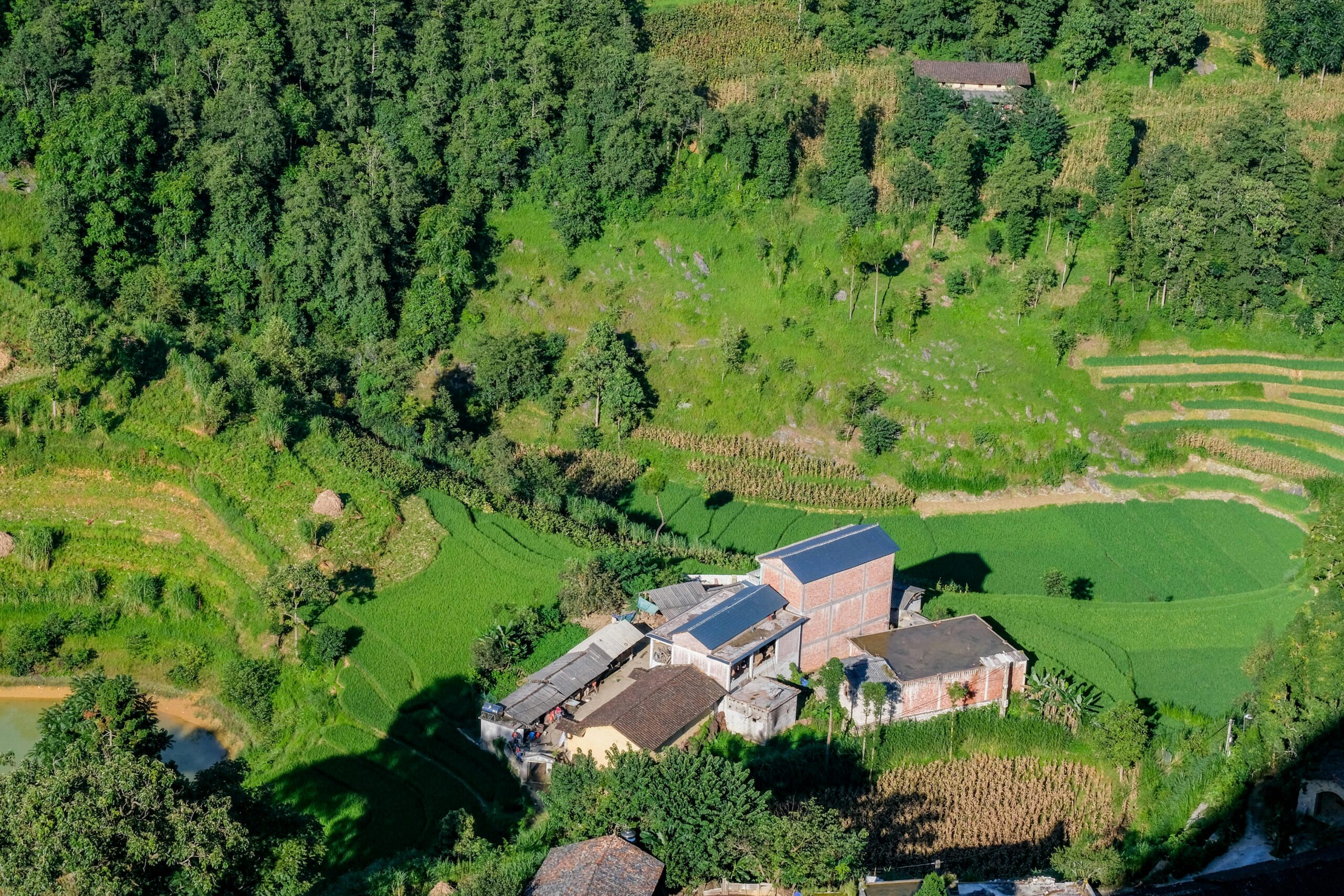
Growing food in alpine regions requires patience, observation, and willingness to work with nature rather than against it. Cold-resistant crop varieties provide the foundation for success, but thriving alpine agriculture emerges from combining hardy genetics with appropriate cultivation techniques, soil management, and strategic planning. The reward for these efforts extends beyond fresh, nutritious food to include the satisfaction of producing abundance in challenging conditions while stewarding mountain landscapes for future generations.
Alpine farmers and gardeners serve as innovators and preservers of agricultural knowledge, maintaining crop diversity and cultivation techniques that become increasingly valuable as climate patterns shift globally. The frost-fighting varieties that excel in mountain conditions today may prove essential for agriculture worldwide in the future, making alpine food production not just a local endeavor but a contribution to global food security and agricultural resilience.