Growing food in a short season doesn’t mean sacrificing yield or quality. With strategic planning and proven techniques, you can transform limited growing time into abundant harvests.

🌱 Understanding Your Short Growing Season Reality
Short growing seasons present unique challenges that require gardeners to think creatively and act strategically. Whether you’re dealing with late spring frosts, early fall freezes, or living in northern climates, understanding your limitations is the first step toward maximizing productivity.
The typical short growing season ranges from 90 to 120 frost-free days, compared to longer seasons that may extend beyond 200 days. This compressed timeframe means every decision counts, from seed selection to harvest timing. However, gardeners in these regions have developed innovative methods that often result in surprisingly productive gardens.
Climate change has also introduced unpredictability to traditional growing patterns. Even experienced gardeners must now adapt to shifting frost dates and unexpected weather events. This reality makes flexibility and contingency planning essential components of successful short-season gardening.
🎯 Strategic Crop Selection for Maximum Efficiency
Choosing the right varieties is perhaps the most critical decision for short-season success. Not all vegetables are created equal when time is limited, and selecting appropriate cultivars can mean the difference between feast and famine.
Fast-Maturing Vegetable Champions
Focus on vegetables specifically bred for quick maturity. Look for seed packets labeled with phrases like “early,” “quick,” or specific day counts under 70 days. Radishes can mature in as little as 25 days, making them perfect for succession planting. Lettuce varieties often reach harvest size within 45-50 days, while bush beans typically produce within 50-60 days.
Tomatoes deserve special attention in short-season planning. Determinate varieties like ‘Early Girl,’ ‘Stupice,’ and ‘Glacier’ are specifically bred to produce fruit quickly, often within 55-65 days. These compact plants put their energy into fruit production rather than continued vine growth, making them ideal for time-constrained environments.
Cold-Hardy Vegetables That Thrive
Embrace crops that tolerate or even prefer cooler temperatures. Brassicas including kale, broccoli, cabbage, and cauliflower actually develop sweeter flavors after exposure to light frosts. These vegetables can be planted earlier in spring and grown later into fall, effectively extending your growing window.
Root vegetables like carrots, beets, turnips, and parsnips are excellent choices for short seasons. Many can be direct-sown as soon as soil is workable and will continue developing even as temperatures cool. Some gardeners successfully overwinter certain root crops with adequate mulching.
⏰ Timing Strategies That Extend Your Season
Manipulating planting schedules allows you to squeeze additional productivity from limited growing time. Succession planting, strategic timing, and understanding microclimates within your garden all contribute to extended harvests.
The Power of Succession Planting
Rather than planting all your lettuce seeds at once, sow small amounts every two weeks. This technique ensures continuous harvests rather than overwhelming abundance followed by gaps. Quick-growing crops like radishes, spinach, arugula, and Asian greens are perfect candidates for this approach.
Create a planting calendar that maps out your entire season. Note your last expected spring frost and first expected fall frost, then work backward from these dates. Calculate when each crop needs to be planted to reach maturity before the season ends. Build in a safety margin of 7-10 days to account for unexpected weather.
Maximizing Cool Season Opportunities
Many gardeners overlook the potential of fall gardening in short-season climates. Cool-season crops planted in mid to late summer can produce abundant harvests well into autumn. The cooling temperatures actually reduce pest pressure and slow bolting in crops like lettuce and spinach.
Calculate backward from your first expected frost date, adding the days to maturity plus an extra two weeks (growth slows as days shorten). This tells you the latest safe planting date for fall crops. Mark these dates prominently on your calendar to avoid missing these crucial windows.
🏠 Season Extension Technologies and Techniques
Physical structures and protective measures can add weeks or even months to your effective growing season. These investments pay dividends through increased yields and expanded crop options.
Cold Frames and Row Covers
Cold frames act as miniature greenhouses, capturing solar heat and protecting plants from wind and frost. Simple constructions using old windows or polycarbonate panels can raise temperatures by 10-20 degrees Fahrenheit, allowing earlier spring planting and later fall harvests.
Floating row covers made from lightweight fabric provide frost protection while allowing light, air, and water to reach plants. These versatile covers can protect crops down to 28°F when used in single layers, and even lower temperatures with multiple layers. They also exclude many common pests, reducing the need for pesticides.
Hoop Houses and High Tunnels
For gardeners serious about season extension, hoop houses represent a significant but worthwhile investment. These unheated structures can extend the season by 4-8 weeks on both ends, essentially creating a climate zone one or two zones warmer than your actual location.
Inside a hoop house, you can grow heat-loving crops like tomatoes, peppers, and cucumbers that might otherwise struggle in short-season climates. The protected environment also allows for earlier transplanting of seedlings and protection from unexpected late-season cold snaps.
🌡️ Soil Temperature Management for Faster Growth
Warm soil is essential for seed germination and root development. In short-season climates, cold soil often limits early planting more than air temperature. Actively warming your soil can add crucial weeks to your growing season.
Black Plastic Mulch and IRT Films
Black plastic mulch absorbs solar radiation and transfers heat to the soil beneath, raising temperatures by 5-10 degrees. This warmth promotes faster germination, earlier planting, and accelerated growth rates. The plastic also suppresses weeds and conserves moisture.
Infrared-transmitting (IRT) mulches represent an advancement over standard black plastic. These specialized films warm soil like black plastic but reflect visible light, preventing excessive heat buildup that can damage shallow roots during summer. They’re particularly effective for heat-loving crops like melons and peppers.
Raised Beds for Superior Drainage and Warmth
Raised beds warm faster in spring because they’re exposed to solar radiation from all sides, not just the top. The improved drainage in raised beds also prevents waterlogging, which keeps soil temperatures cooler. Gardeners can often plant raised beds 1-2 weeks earlier than ground-level gardens.
Constructing beds 10-12 inches tall provides optimal benefits. Fill them with a mixture of quality topsoil, compost, and other organic amendments. Dark-colored raised bed materials absorb additional heat, further accelerating soil warming in spring.
💧 Water Management for Optimal Plant Performance
Consistent moisture is crucial for maximizing growth rates in compressed growing seasons. Stress from irregular watering slows development and reduces yields, something short-season gardeners can’t afford.
Drip Irrigation Systems
Drip irrigation delivers water directly to root zones with minimal waste. This efficiency ensures plants receive consistent moisture without the disease risks associated with overhead watering. Automated systems with timers eliminate the guesswork and ensure plants never experience water stress.
In short-season climates, drip systems can be installed permanently in raised beds or hoop houses, or set up seasonally in traditional garden plots. The initial investment is quickly recovered through water savings and improved plant performance.
Mulching for Moisture Conservation
Organic mulches like straw, grass clippings, or shredded leaves conserve soil moisture, regulate temperature, and suppress weeds. Apply 2-4 inches of mulch around established plants, keeping material away from direct contact with stems to prevent rot.
In early season, delay mulching until soil has warmed adequately. Applying mulch too early can insulate cold soil and delay warming. Once plants are established and soil temperatures are favorable, mulch provides significant benefits throughout the remainder of the season.
🌿 Starting Seeds Indoors for a Head Start
Indoor seed starting is essential for short-season success with warm-season crops. Starting seeds indoors 6-8 weeks before your last frost date allows you to transplant vigorous seedlings ready to grow immediately when conditions permit.
Essential Indoor Seed Starting Equipment
Invest in quality grow lights to provide sufficient illumination for sturdy seedling development. Standard fluorescent shop lights work adequately, but LED grow lights offer better spectral quality and energy efficiency. Position lights 2-3 inches above seedlings and raise them as plants grow.
Heating mats accelerate germination by warming soil to optimal temperatures (typically 70-80°F for most vegetables). These inexpensive devices can reduce germination time by several days, particularly important for slower-germinating crops like peppers and eggplants.
Hardening Off for Transplant Success
Seedlings grown indoors must be gradually acclimated to outdoor conditions through a process called hardening off. Begin this process 7-10 days before planned transplanting by placing seedlings outdoors in a sheltered location for progressively longer periods.
Start with just 1-2 hours of outdoor exposure, gradually increasing time and sun intensity daily. This process strengthens stems, thickens leaf cuticles, and prepares plants for the shock of transplanting. Properly hardened seedlings establish quickly and resume growth with minimal setback.
🥕 Maximizing Vertical Space and Intensive Planting
When your growing season is short, using every available space efficiently becomes critical. Vertical gardening and intensive planting techniques allow you to grow more food in limited square footage.
Trellising and Vertical Supports
Training vining crops like cucumbers, pole beans, peas, and indeterminate tomatoes vertically saves ground space and improves air circulation. Better airflow reduces disease pressure, an important consideration when trying to keep plants healthy until season’s end.
Vertical growth also makes harvesting easier and keeps fruits cleaner. Install sturdy supports at planting time to avoid disturbing roots later. Options include traditional stakes, wire cages, string trellises, or elaborate structures like cattle panel arches.
Interplanting and Companion Planting
Interplanting fast-growing crops among slower-maturing ones maximizes space utilization. Plant radishes or lettuce between tomato transplants; the quick crops will be harvested before tomatoes need the space. Sow carrots among onions, or plant bush beans beneath pole beans.
Companion planting goes beyond space efficiency to include beneficial relationships between plants. Basil planted near tomatoes may improve flavor and repel certain pests. Marigolds scattered throughout the garden deter some insects while attracting beneficial pollinators.
🔬 Fertilization Strategies for Accelerated Growth
Proper nutrition is essential for maximizing growth rates in compressed timeframes. Short-season gardeners can’t afford the stunted growth that results from nutrient deficiencies.
Building Fertile Soil as Your Foundation
Begin with a soil test to understand your baseline nutrient levels and pH. Most vegetables prefer slightly acidic to neutral soil (pH 6.0-7.0). Incorporate generous amounts of finished compost before planting—this single practice addresses multiple fertility needs while improving soil structure.
Compost provides slow-release nutrients, improves water retention, enhances beneficial microbial populations, and buffers against pH extremes. Apply 2-4 inches of quality compost and work it into the top 6-8 inches of soil. This foundation supports vigorous plant growth throughout the season.
Supplemental Feeding for Peak Performance
Even with excellent soil preparation, heavy-feeding crops benefit from supplemental fertilization during the growing season. Use balanced organic fertilizers or water-soluble options for quick nutrient availability. Fish emulsion and kelp extracts provide readily available nutrients plus beneficial trace elements.
Apply fertilizers according to package directions, generally every 2-4 weeks during active growth. Avoid over-fertilizing, which can promote excessive foliage at the expense of fruit production and may contribute to pest problems. Always water thoroughly after applying granular fertilizers to prevent root burn.
🐛 Integrated Pest Management for Short Seasons
Pest problems can devastate yields in any garden, but short-season gardeners have less time to recover from damage. Proactive pest management preserves plant health and protects harvests.
Prevention as Primary Defense
Healthy plants resist pests and diseases better than stressed ones. Provide optimal growing conditions including appropriate spacing for air circulation, consistent watering, and adequate nutrition. Strong, vigorous plants often outgrow minor pest damage that would devastate struggling plants.
Physical barriers like row covers exclude many common pests entirely. Covering plants immediately after planting prevents insects from laying eggs on crops. This simple strategy eliminates problems before they begin, without requiring any pesticides.
Monitoring and Early Intervention
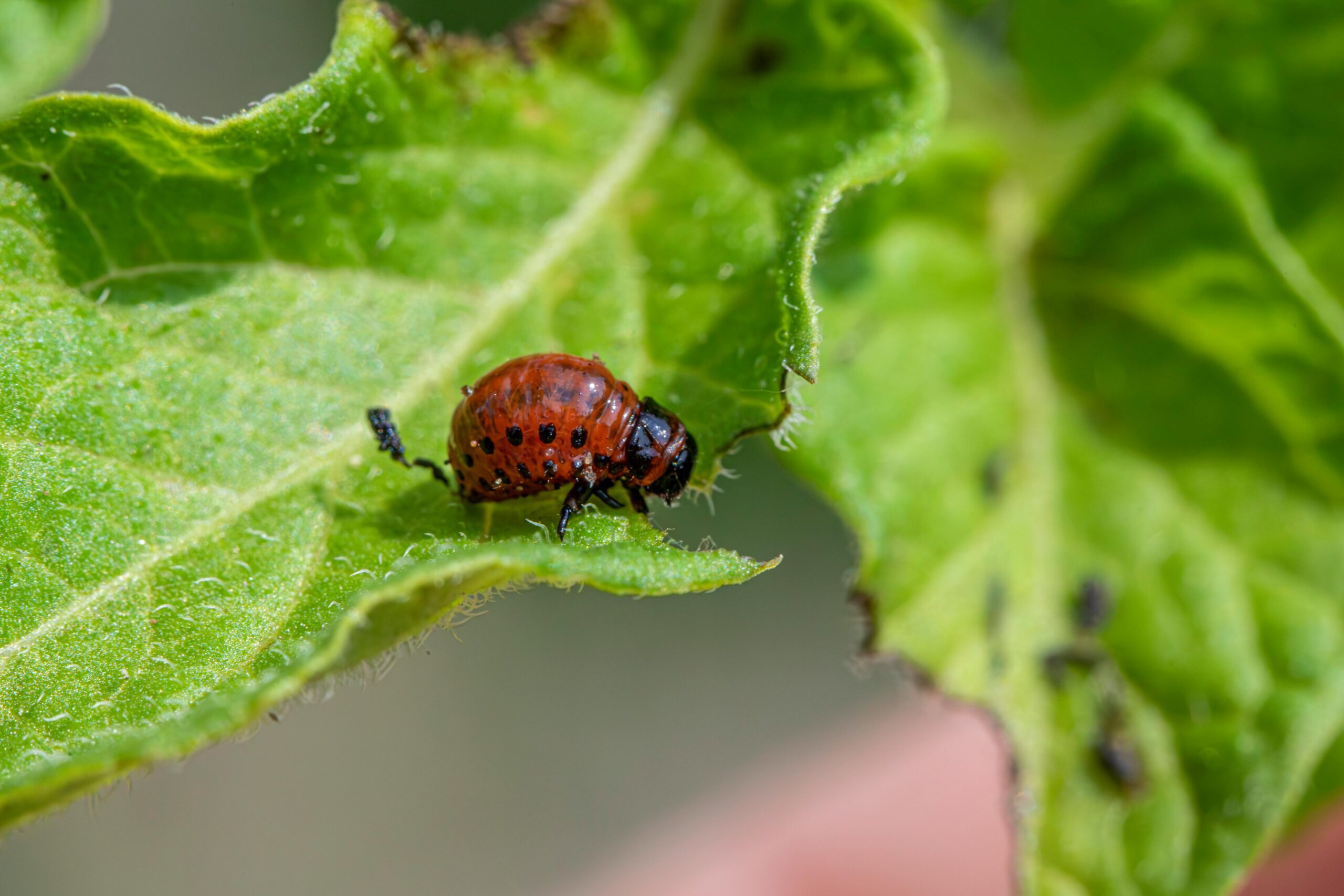
Inspect plants regularly for early signs of pest activity or disease. Catching problems early allows for targeted interventions before populations explode. Remove affected leaves, hand-pick large insects, or apply organic pesticides like insecticidal soap or neem oil at first signs of trouble.
Encourage beneficial insects by planting flowers throughout your vegetable garden. Ladybugs, lacewings, parasitic wasps, and other predators naturally control pest populations. Providing diverse habitat and avoiding broad-spectrum pesticides helps maintain healthy populations of these garden allies.
📊 Tracking Progress and Planning for Next Season
Maintaining detailed records transforms each growing season into a learning opportunity. Documentation helps you identify successful strategies and avoid repeating mistakes.
Essential Garden Records to Keep
Record planting dates, varieties grown, and harvest dates for all crops. Note weather events, first and last frost dates, and any unusual conditions. Document what worked well and what disappointed. These records become invaluable references for planning future seasons.
Photograph your garden throughout the season. Images capture details that written notes might miss and provide visual references for spacing, timing, and plant performance. Digital photos are easily organized by date, creating a chronological record of your garden’s development.
Continuous Improvement Through Reflection
At season’s end, review your notes and photos while memories are fresh. Identify your three biggest successes and three areas for improvement. Set specific goals for next season based on this analysis. Perhaps you’ll try two new varieties, experiment with a different succession planting schedule, or invest in a season extension structure.
Connect with other short-season gardeners through local gardening clubs or online communities. Regional knowledge is invaluable—experienced local gardeners understand your specific challenges and can recommend varieties and techniques proven in your climate.
🌟 Making Every Day Count in Your Garden
Success in short-season gardening requires intentional planning, strategic crop selection, and proactive management. Every decision matters when you’re working with limited time. However, the constraints of a short season often produce more engaged, knowledgeable gardeners who maximize every opportunity.
The techniques discussed here—from season extension structures to succession planting, vertical gardening to soil temperature management—work synergistically to multiply your harvests. Implementing even a few of these strategies can significantly increase your productivity and extend your harvest window.
Remember that gardening is as much art as science. Your unique microclimate, soil conditions, and personal preferences all influence what works best in your specific situation. Start with proven techniques, experiment thoughtfully, keep good records, and refine your approach each season.
Short growing seasons present undeniable challenges, but they also foster creativity and appreciation for every harvest. The tomato that ripens in September tastes all the sweeter when you’ve carefully nurtured it through a compressed season. The diverse succession plantings that provide continuous harvests represent thoughtful planning paying dividends.
With strategic planning and the right techniques, your short-season garden can rival the productivity of much longer growing seasons. Start planning now for your most successful season yet, implementing the strategies that best fit your garden’s needs and your personal goals. The abundant harvests await those who approach short-season gardening with knowledge, intention, and enthusiasm.