The Alpine mountains hold centuries of agricultural wisdom that modern farming is only beginning to rediscover. Traditional Alpine farming practices offer sustainable solutions to today’s environmental challenges.

🏔️ The Living Laboratory of Alpine Agriculture
High in the European Alps, where steep slopes meet unpredictable weather, farmers have cultivated land for over a thousand years. These mountain communities developed agricultural systems that worked with nature rather than against it, creating a blueprint for sustainability long before the term entered our vocabulary.
Traditional Alpine farming emerged from necessity. The challenging terrain, short growing seasons, and isolated communities forced farmers to become masters of resource efficiency. Every aspect of their agricultural practice was designed to maximize production while maintaining ecological balance—a lesson increasingly relevant as modern agriculture grapples with climate change and environmental degradation.
Today, researchers and sustainable agriculture advocates are turning their attention to these time-tested methods. What they’re discovering is remarkable: Alpine farming techniques contain sophisticated solutions to problems that conventional agriculture is only now beginning to address.
The Art of Rotational Grazing in Mountain Pastures
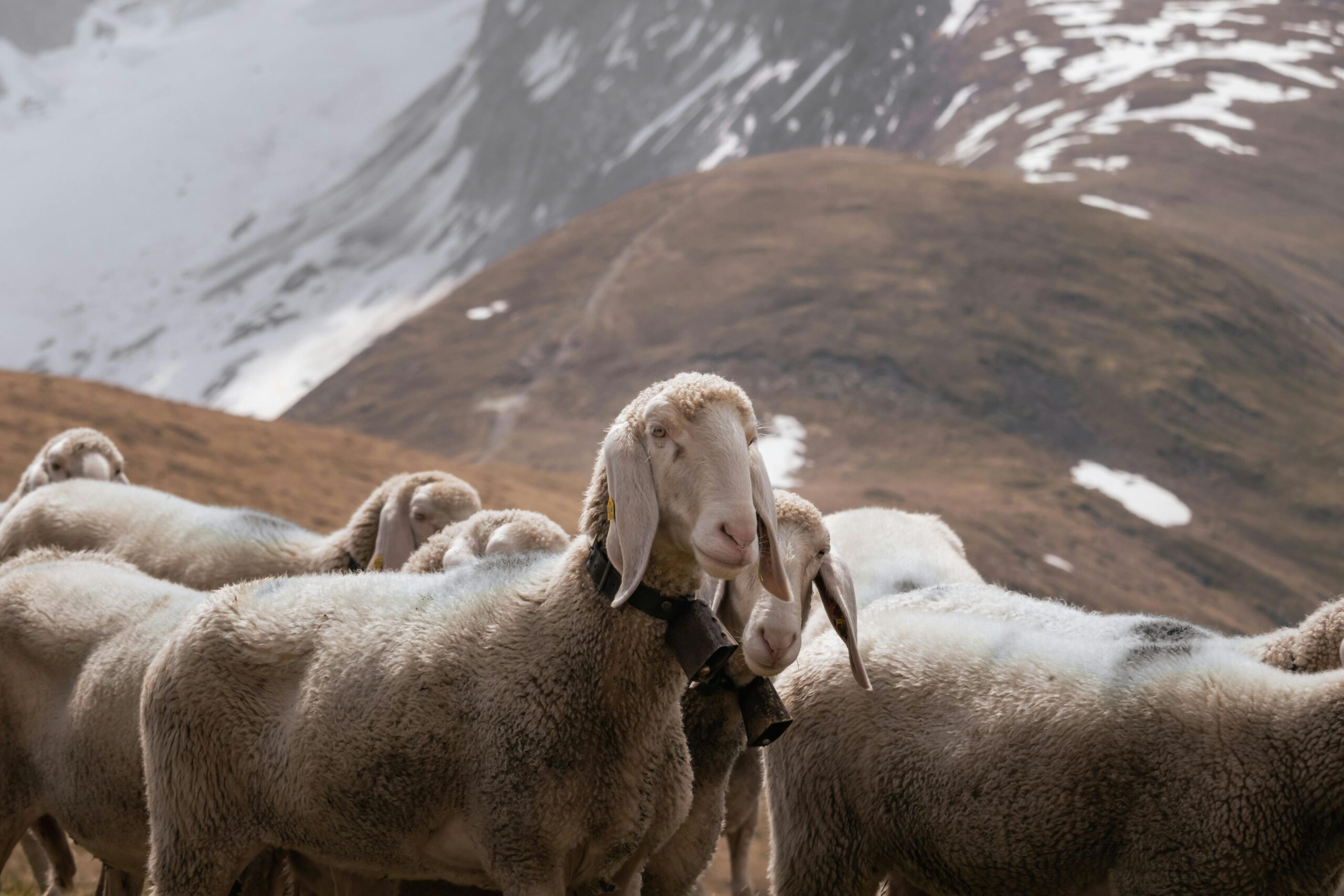
At the heart of Alpine farming lies the practice of transhumance—the seasonal movement of livestock between valley floors and high mountain pastures. This wasn’t simply about finding grass for animals; it was an intricate system of land management that prevented overgrazing, maintained soil health, and preserved biodiversity.
During summer months, cattle, sheep, and goats would ascend to alpine meadows, allowing lower elevation pastures to regenerate. This natural rotation cycle gave the land time to recover, preventing soil erosion and maintaining the delicate balance of mountain ecosystems. The animals’ grazing patterns actually enhanced biodiversity by creating varied habitat structures and dispersing seeds across vast areas.
Modern sustainable agriculture is now recognizing the genius of this approach. Rotational grazing systems inspired by Alpine traditions are being implemented worldwide, showing improvements in soil carbon sequestration, water retention, and pasture productivity. The key lies in timing and intensity—principles Alpine farmers perfected through generations of observation.
Seasonal Movement Patterns That Heal the Land
The traditional Alpine calendar was precisely calibrated to environmental conditions. Farmers didn’t simply move animals when convenient; they followed phenological indicators—the first blooming of certain flowers, snowmelt patterns, and temperature shifts. This deep connection to natural cycles ensured that grazing occurred at optimal times for both livestock nutrition and pasture recovery.
Research now shows that this timing was scientifically sound. Grazing at specific growth stages stimulates plants to produce deeper root systems, increases nutrient cycling, and enhances the pasture’s resilience to drought and disease. These benefits compound over years, creating increasingly productive and stable agricultural ecosystems.
Terraced Farming: Engineering Sustainability on Steep Slopes ⛰️
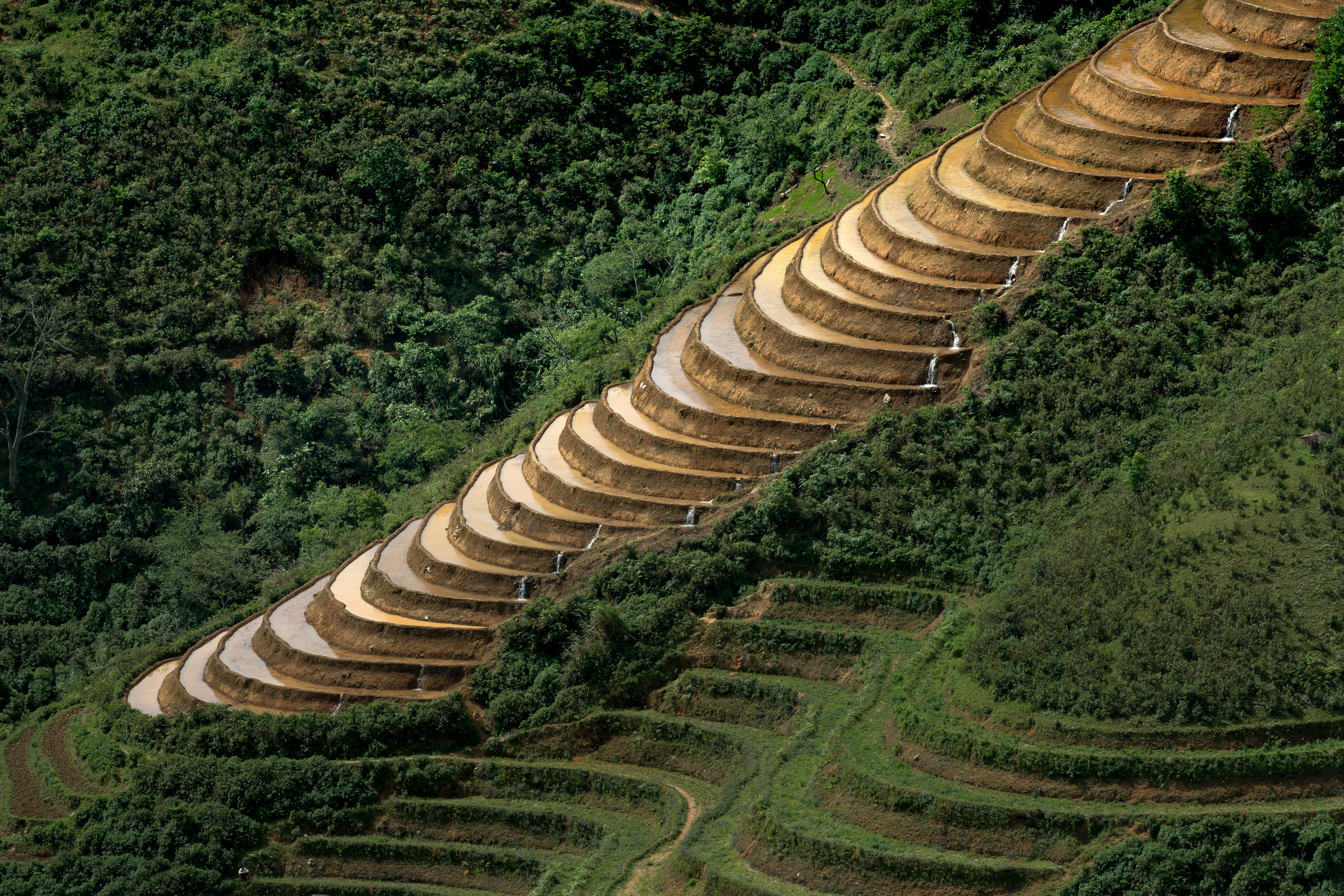
Perhaps no feature of Alpine agriculture is more visually striking than terraced fields carved into mountainsides. These stepped landscapes represent centuries of labor, but they’re far more than aesthetic marvels—they’re sophisticated erosion control systems that create productive farmland from otherwise unusable terrain.
Alpine farmers constructed terraces using local stone, creating retaining walls that could last centuries with minimal maintenance. These structures serve multiple functions: they prevent soil erosion, capture and distribute water efficiently, create microclimates that extend growing seasons, and increase the total cultivable area without expanding into natural ecosystems.
The soil management techniques associated with terracing are equally impressive. Farmers would carefully transport nutrient-rich soil from valley bottoms to terraces, mixing it with composted animal manure and local organic matter. This labor-intensive process built deep, fertile soils capable of sustaining crops in harsh conditions.
Water Management Through Traditional Wisdom
Alpine terraces incorporate ingenious water management systems. The design naturally slows water flow, allowing it to percolate into the soil rather than rushing down slopes and causing erosion. During heavy rains, excess water moves controlled from terrace to terrace, preventing both flooding and water loss.
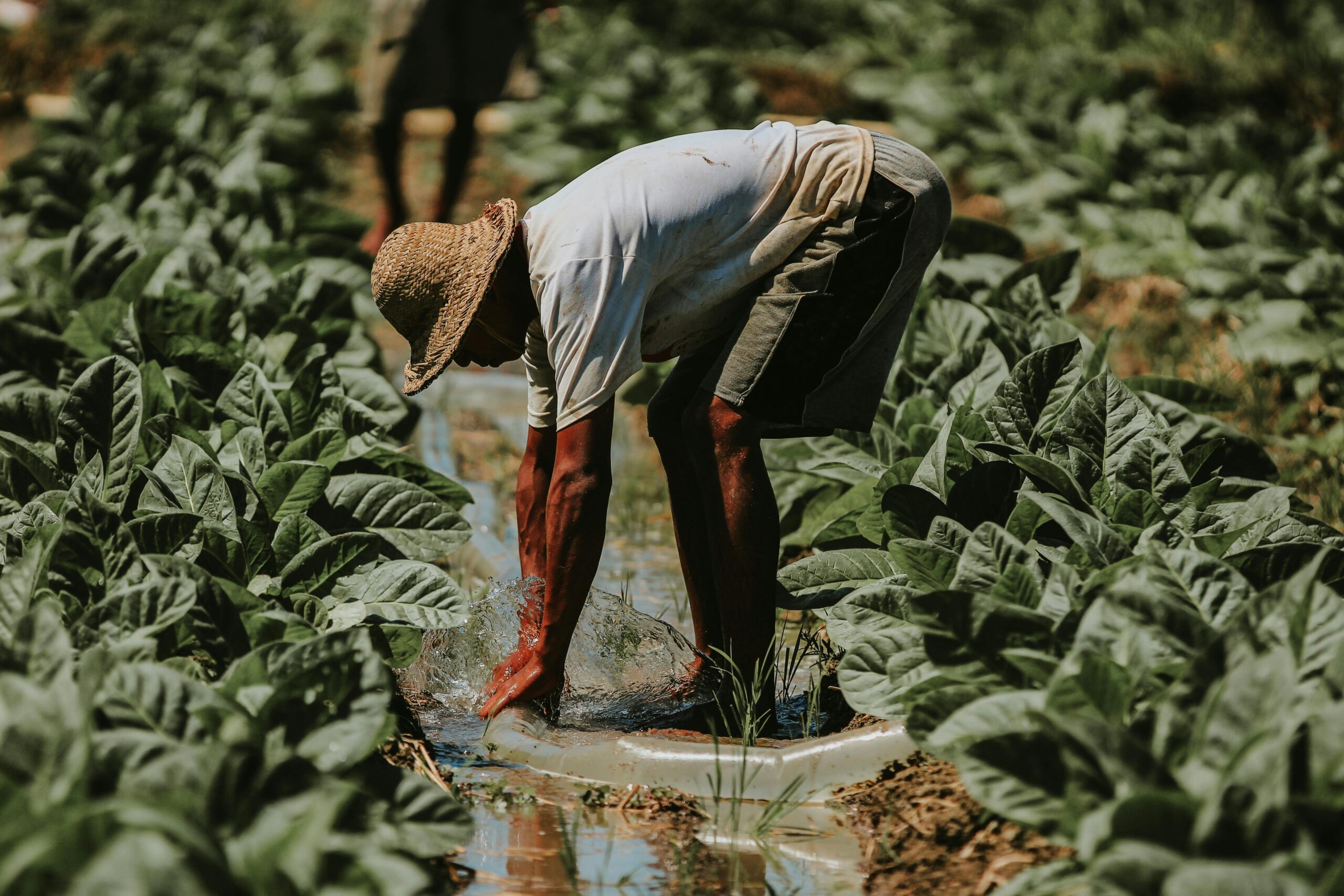
Some traditional Alpine communities developed sophisticated irrigation channels called “waale” or “bisse” that transported water across mountainsides to terraced fields. These gravity-fed systems required no energy input and distributed water with remarkable efficiency. Modern permaculture designers are now studying these ancient irrigation networks for insights into sustainable water management.
Biodiversity as an Agricultural Strategy
Traditional Alpine farms were remarkably diverse operations. Unlike modern monoculture systems, Alpine farmers cultivated dozens of crop varieties and maintained multiple livestock species. This diversity wasn’t accidental—it was an insurance policy against environmental uncertainty and a strategy for maximizing resource use.
Different crops were planted in various microclimates across the farm. Rye might grow on north-facing slopes, barley in sunnier locations, and hardy vegetables in protected terraces. This polyculture approach ensured that if one crop failed due to weather or pests, others would survive. It also meant continuous harvests throughout the short Alpine growing season.
Livestock diversity served similar purposes. Goats browsed on shrubby areas unsuitable for other animals, sheep grazed alpine meadows, and cattle provided milk, meat, and draft power while fertilizing fields. Each species filled a specific ecological niche, and together they utilized resources that single-species operations would waste.
Heritage Varieties: Genetic Treasures of the Mountains
Alpine communities preserved crop and livestock varieties specifically adapted to mountain conditions. These heritage breeds and heirloom seeds represent centuries of selection for traits like cold tolerance, disease resistance, and nutrient density. Many produce lower yields than modern varieties but with far greater resilience.
Today, as climate change increases agricultural uncertainty, these heritage genetics are invaluable. Scientists are studying Alpine varieties for traits that could help agriculture adapt to changing conditions. Some traditional Alpine grains show remarkable drought tolerance; heritage livestock breeds demonstrate efficient feed conversion and resistance to diseases affecting commercial breeds.
🌾 Integration of Forest and Farm
Alpine farming never separated agriculture from forestry—the two were intimately connected. Forests provided fodder for animals during winter, wood for construction and fuel, and protection from avalanches and erosion. This integrated approach created landscapes that were simultaneously productive and ecologically stable.
Farmers practiced selective forestry, maintaining mixed-age forests that continuously regenerated. They would harvest specific trees for timber while leaving others to stabilize slopes and provide habitat. This management created forest structures far more resilient than single-age plantations or completely unmanaged forests.
The practice of “leaf fodder” exemplifies Alpine resourcefulness. Farmers would harvest branches from specific tree species at particular times, drying the leaves as supplemental animal feed. This provided nutrition during long winters while performing what modern foresters call “thinning”—removing selected branches to improve tree health and forest productivity.
Community-Based Resource Management
Alpine agriculture succeeded not just through individual farm practices but through community cooperation. Common pastures, shared forests, and collective infrastructure required sophisticated governance systems. These “commons” were managed through traditional rules that balanced individual needs with collective sustainability.
Alpine communities developed detailed regulations about grazing rights, forest use, and resource distribution. These weren’t imposed from above but evolved through consensus, incorporating generations of ecological knowledge. Violations were taken seriously because everyone understood that overuse by one family threatened the entire community’s survival.
This governance model contradicts the “tragedy of the commons” theory, which suggests shared resources inevitably face overexploitation. Alpine commons demonstrate that with proper social structures, communities can sustainably manage resources for centuries. Modern environmental management is increasingly recognizing the value of these community-based approaches.
Cooperative Labor Systems and Knowledge Transfer
Traditional Alpine farming relied on cooperative labor arrangements. Major tasks like haymaking, cheese production, and animal movements were community efforts. These work parties weren’t just practical—they were opportunities for knowledge transmission, with experienced farmers teaching younger generations through direct participation.
The Alpine cheese-making tradition exemplifies this knowledge system. Complex techniques for producing different cheese varieties were perfected over centuries and passed down through apprenticeship. Each valley developed unique varieties adapted to local conditions, creating products that commanded premium prices and provided economic sustainability.
Building Resilience Through Seasonal Storage 🧀
Alpine farmers excelled at food preservation, developing techniques that ensured year-round nutrition despite short growing seasons. Cheese-making transformed abundant summer milk into protein that stored for months. Meat was smoked or dried, vegetables were fermented or stored in root cellars, and grains were carefully protected from moisture.
These preservation methods did more than extend shelf life—they often enhanced nutritional value. Fermented foods contained beneficial probiotics, and traditional storage methods maintained vitamin content better than many modern techniques. The diversity of preserved foods also ensured varied winter diets, preventing nutritional deficiencies.
Modern interest in artisanal and fermented foods is rediscovering these Alpine traditions. What was once necessity is now recognized as sophisticated food science, producing flavors and health benefits that industrial food systems struggle to replicate.
Adapting Alpine Wisdom to Contemporary Agriculture
The question facing sustainable agriculture today is how to apply Alpine farming principles beyond mountain regions. While specific practices may be location-dependent, the underlying principles—diversity, integration, careful resource management, and long-term thinking—are universally applicable.
Rotational grazing systems inspired by Alpine transhumance are now used successfully in flatland agriculture worldwide. The principle of moving livestock to allow land recovery works regardless of elevation. Similarly, the Alpine emphasis on crop diversity is being adopted by farms seeking resilience against climate variability and market fluctuations.
Urban and suburban farmers are implementing Alpine terracing concepts in hillside gardens, discovering the same erosion control and water management benefits. Community-supported agriculture programs echo Alpine cooperative traditions, creating direct connections between farmers and consumers while building community resilience.
Technology Meets Tradition
Modern technology can enhance rather than replace traditional Alpine wisdom. GPS tracking allows precise monitoring of rotational grazing patterns, documenting what Alpine farmers knew intuitively. Soil sensors provide data confirming the benefits of traditional composting and terracing practices. Genetic analysis reveals why heritage varieties possess particular resilience traits.
This combination of traditional knowledge and modern science creates powerful synergies. We can understand not just that Alpine methods work, but why they work, allowing us to adapt principles to different contexts while maintaining their ecological integrity.
Challenges in Preserving Alpine Farming Heritage 🏔️
Despite growing recognition of its value, traditional Alpine farming faces serious threats. Rural depopulation draws young people away from mountain communities, breaking chains of knowledge transmission. Modern economic pressures favor intensive agriculture over traditional methods. Climate change is altering the mountain environments that shaped these practices.
Many Alpine regions are experiencing agricultural abandonment, with terraces collapsing and pastures reverting to forest. While natural forest regeneration has ecological benefits, the loss of traditional agricultural landscapes eliminates both biodiversity associated with these ecosystems and centuries of accumulated knowledge.
Some regions are responding with programs to support traditional farming. Protected designation of origin certifications for Alpine products create market incentives for traditional methods. Agri-tourism allows farms to diversify income while educating visitors about sustainable practices. Government subsidies increasingly recognize the ecological services traditional farming provides.
Learning From the Mountains: A Path Forward
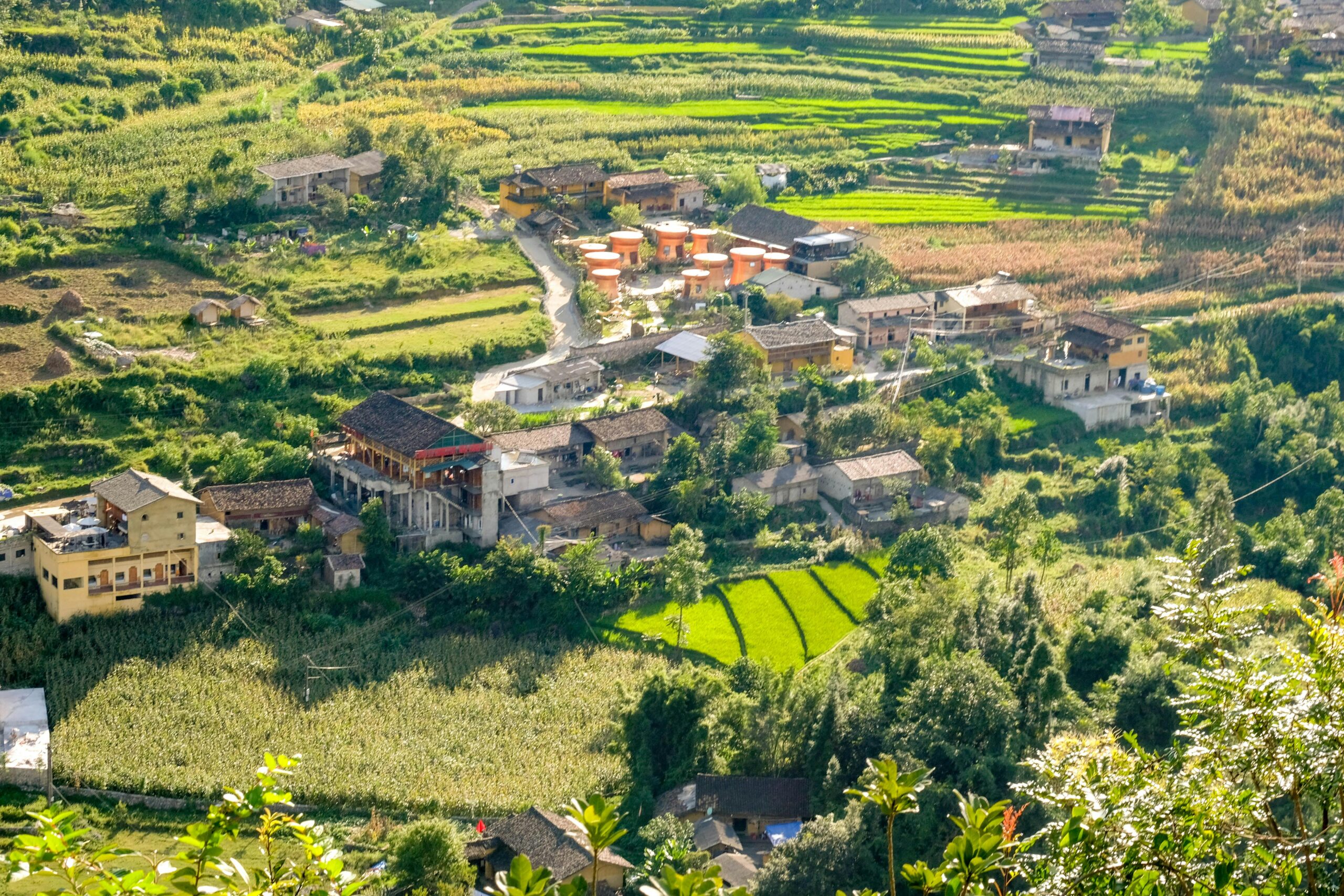
The secrets of traditional Alpine farming aren’t really secrets—they’re openly visible in every terraced hillside, every mountain pasture, and every traditional farm building. What’s required is the humility to recognize that pre-industrial farmers developed sophisticated solutions to problems we’re only beginning to understand.
These mountain communities achieved what modern agriculture desperately needs: productive systems that sustained human populations for centuries while maintaining ecological integrity. They did this not despite environmental constraints but by working creatively within them, developing practices that enhanced rather than depleted natural systems.
As we face climate change, soil degradation, and biodiversity loss, Alpine farming offers more than nostalgia—it provides proven strategies for building agricultural resilience. The challenge is adapting these principles thoughtfully, respecting both traditional knowledge and contemporary scientific understanding.
The future of sustainable agriculture may well be found in the past, preserved in the time-tested practices of Alpine farmers. By unlocking these secrets and applying them creatively to modern contexts, we can build food systems that nourish both people and planet for generations to come. The mountains have taught us well; now we must be wise enough to learn.