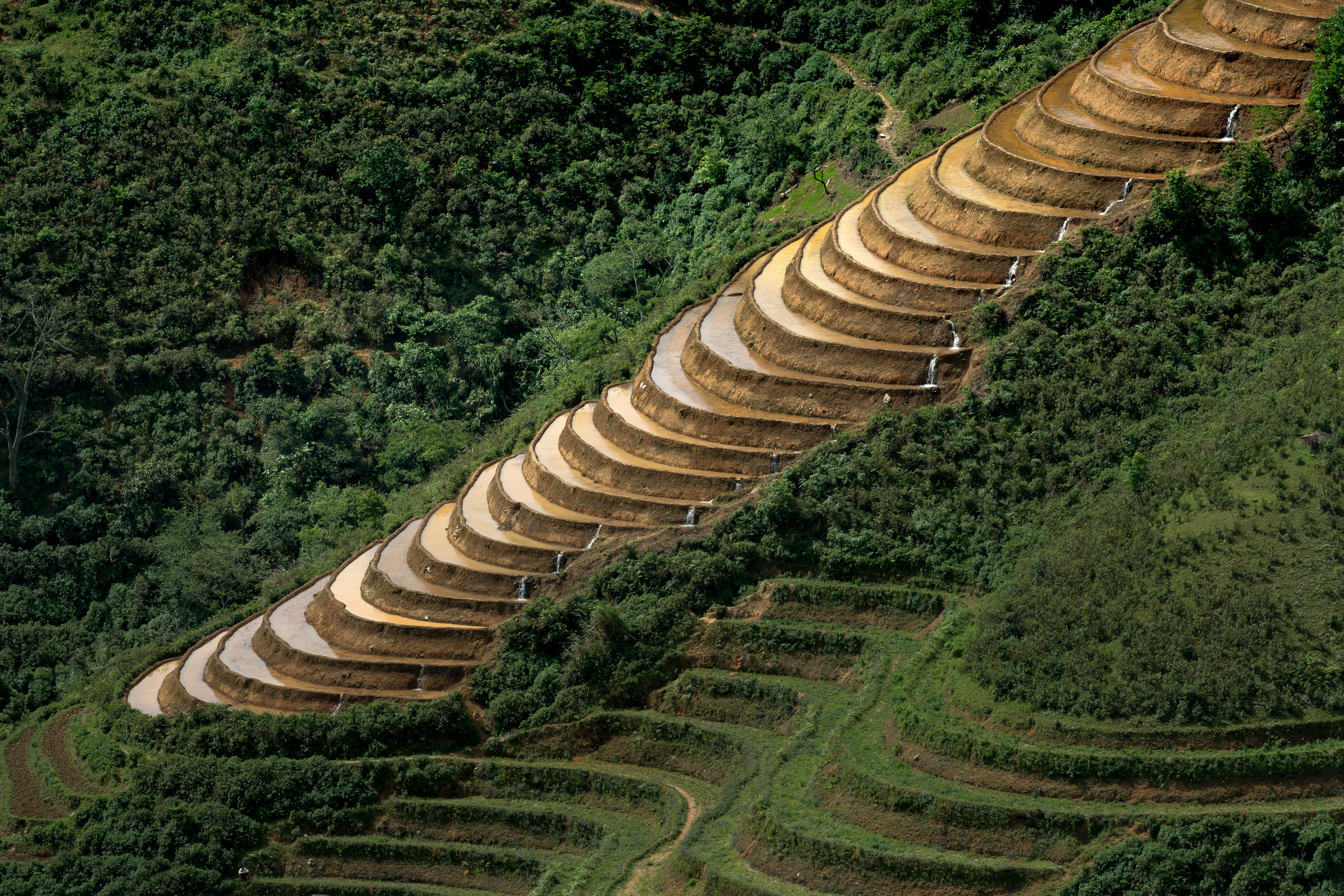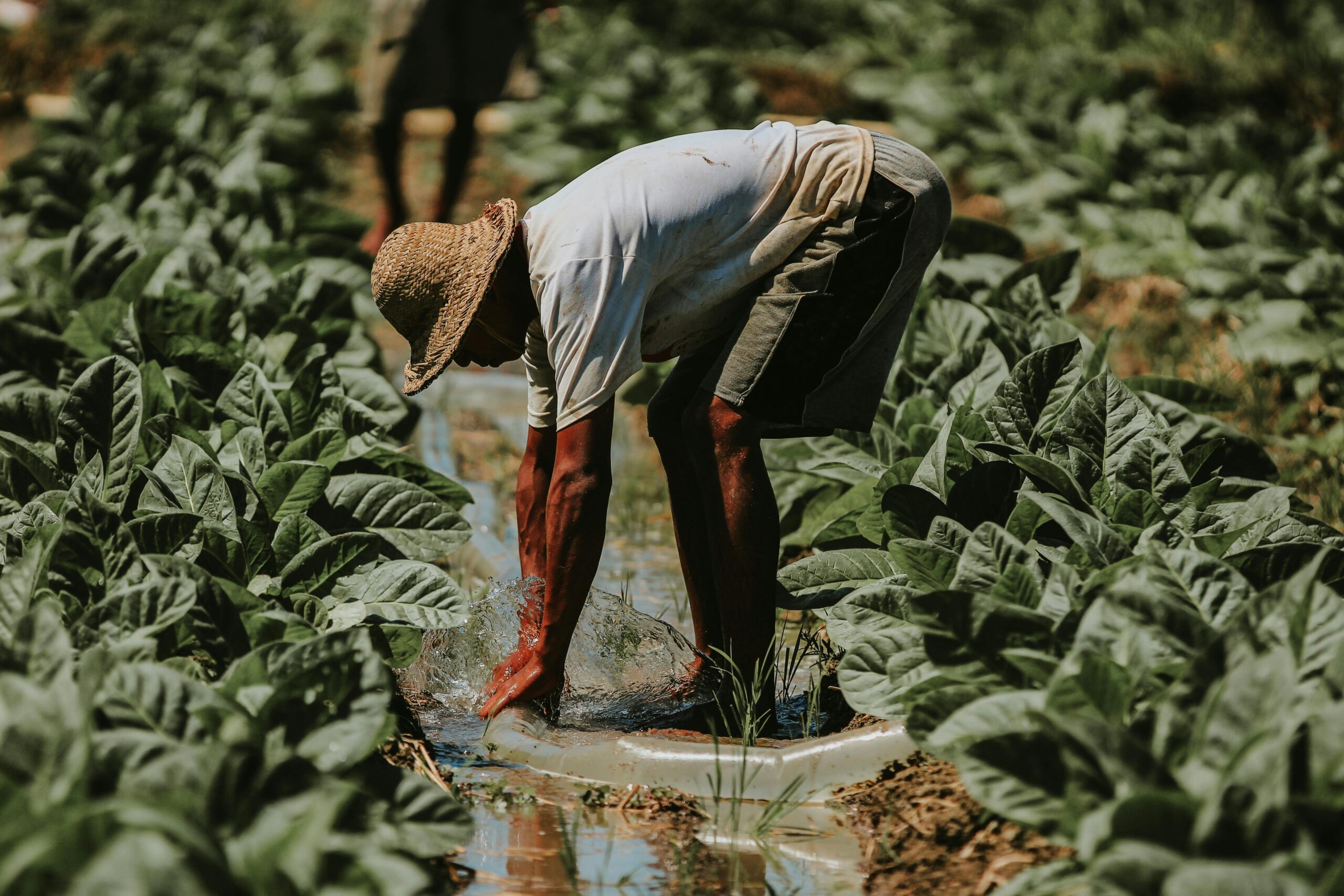
Mountain ecosystems face unique challenges that demand innovative solutions, and agroforestry emerges as a powerful approach to balance productivity with environmental stewardship in these fragile landscapes.

🏔️ Understanding Mountain Agroforestry Systems
Agroforestry in mountain environments represents a strategic integration of trees, crops, and sometimes livestock within the same land management unit. These systems work with natural topography rather than against it, creating sustainable production models that respect altitude gradients, microclimates, and soil dynamics unique to mountainous terrain.
The complexity of mountain landscapes requires tailored approaches that consider steep slopes, variable rainfall patterns, temperature fluctuations, and soil erosion risks. Traditional agricultural practices often fail in these conditions, leading to land degradation, reduced productivity, and increased vulnerability to climate events. Agroforestry provides a science-backed alternative that has sustained mountain communities for generations.
Modern mountain agroforestry combines indigenous knowledge with contemporary research, creating systems that enhance biodiversity, stabilize slopes, regulate water cycles, and provide diverse income streams for farming families. These practices transform potentially marginal lands into productive ecosystems that deliver environmental services alongside agricultural outputs.
The Science Behind Slope Stabilization 🌳
One of the most critical functions of agroforestry in mountain environments is slope stabilization. Tree roots create natural reinforcement networks that bind soil particles together, significantly reducing erosion rates on steep terrain. Research shows that properly designed agroforestry systems can reduce soil loss by up to 90% compared to conventional agriculture on similar slopes.
Deep-rooted perennial species penetrate multiple soil layers, creating anchoring systems that prevent landslides during heavy rainfall events. Shallow-rooted companion crops and ground covers provide surface protection, reducing raindrop impact and surface runoff velocity. This multi-layered root architecture essentially engineers soil stability while maintaining productive capacity.
The canopy structure in agroforestry systems also plays a vital role in intercepting rainfall, reducing the kinetic energy of precipitation before it reaches the ground. This interception reduces soil compaction, maintains soil structure, and allows better water infiltration. The result is improved watershed function that benefits both on-site productivity and downstream water quality.
Strategic Species Selection for Altitude Zones
Successful mountain agroforestry requires matching species to specific altitude zones and microclimates. Lower elevation zones typically support a wider variety of species including fruit trees, nitrogen-fixing legumes, and cash crops like coffee or cacao integrated with shade trees. These systems can be quite productive while providing erosion control and biodiversity benefits.
Mid-elevation zones often favor temperate fruit species, fodder trees, and timber species combined with vegetables, herbs, or small grains. These systems must accommodate greater temperature variations and sometimes shorter growing seasons, requiring species with appropriate cold tolerance and phenological characteristics.
High-elevation agroforestry systems typically feature hardy species adapted to harsh conditions, including cold-tolerant conifers, medicinal plants, and specialized crops. While productivity per unit area may be lower, these systems provide critical ecosystem services including carbon sequestration, wildlife habitat, and water regulation that benefit entire watersheds.
🌍 Climate Resilience Through Diversity
Mountain agroforestry systems build resilience against climate variability through functional diversity. Multiple species with different growth habits, rooting patterns, and resource requirements create complementary systems less vulnerable to individual stressors. When one component faces challenges from pests, disease, or weather extremes, other components continue functioning.
Temporal diversity also contributes to resilience, with different species producing at various times throughout the year. This staggered production reduces risk, provides continuous ground cover, and ensures more consistent income for farming families. The perennial nature of tree components offers stability that annual crops alone cannot provide.
Microclimate modification represents another resilience mechanism. Trees moderate temperature extremes, reduce wind speeds, and maintain humidity levels that protect understory crops from stress. These buffering effects become increasingly valuable as climate patterns become less predictable and extreme events more frequent.
Carbon Sequestration Potential in Mountain Systems
Mountain agroforestry systems offer significant carbon sequestration opportunities, storing carbon in both above-ground biomass and soil organic matter. Trees accumulate carbon over decades, while improved soil management increases soil carbon stocks. Studies indicate well-managed mountain agroforestry can sequester 5-15 tons of CO2 equivalent per hectare annually.
The permanence of tree components makes these systems particularly valuable for carbon storage compared to annual cropping systems. Additionally, reduced tillage, continuous ground cover, and organic matter inputs from tree litter enhance soil carbon accumulation. These combined effects position mountain agroforestry as a legitimate climate change mitigation strategy.
Water Management Excellence 💧
Effective water management proves essential in mountain environments where precipitation patterns can be highly variable and erosion risks substantial. Agroforestry systems excel at capturing, storing, and gradually releasing water, functioning as natural infrastructure that regulates watershed hydrology.
Tree canopies intercept rainfall, allowing gradual infiltration rather than rapid runoff that causes erosion and flooding. Root channels and organic matter accumulation increase soil porosity, enhancing water storage capacity. During dry periods, deep tree roots access moisture unavailable to shallow-rooted crops, maintaining transpiration that contributes to local rainfall patterns.
These systems also filter water as it moves through the landscape, removing sediments and nutrients before they reach streams and rivers. This filtering function protects downstream water quality, benefiting communities, aquatic ecosystems, and water infrastructure. The economic value of these watershed services often exceeds the direct agricultural production value.
🌾 Productivity and Economic Sustainability
While environmental benefits attract attention, economic viability determines whether farmers adopt and maintain agroforestry systems. Successful mountain agroforestry must deliver competitive returns through diverse product streams including timber, fuelwood, fruits, nuts, spices, medicinal plants, fodder, and traditional crops.
Product diversification reduces market risk and provides income throughout the year rather than concentrated at harvest time. This steady cash flow improves household financial stability and reduces pressure for unsustainable land use practices. Premium prices for shade-grown or organic products from agroforestry systems can enhance profitability further.
Labor requirements in mature agroforestry systems often decrease compared to intensive annual cropping, freeing time for value-added processing, off-farm employment, or other activities. Initial establishment requires investment in planning, materials, and labor, but long-term returns typically justify these upfront costs through sustained productivity and reduced input requirements.
Market Access and Value Chain Development
Connecting mountain agroforestry producers to markets remains a critical challenge and opportunity. Geographic isolation, limited infrastructure, and small production volumes can disadvantage mountain farmers. However, the unique products, environmental stewardship story, and quality characteristics of agroforestry systems offer marketing advantages.
Certification schemes for organic production, fair trade, bird-friendly, and carbon-neutral products provide price premiums and market access. Cooperative organization helps achieve economies of scale in processing, transportation, and marketing. Digital platforms increasingly connect remote producers directly with consumers seeking sustainably produced foods.
Implementation Strategies for Success 🎯
Successful implementation begins with thorough site assessment including topography, soil characteristics, water availability, existing vegetation, and socioeconomic context. This information guides design decisions including species selection, spatial arrangement, and management practices appropriate to specific conditions.
Participatory planning that engages farmers, technical advisors, and community members ensures designs reflect local knowledge, preferences, and constraints. This collaborative approach increases adoption rates and long-term maintenance because farmers understand system functions and value the diverse outputs.
Phased establishment often works better than attempting complete system installation immediately. Starting with key tree species and gradually adding components allows learning, reduces financial burden, and provides earlier returns. This adaptive approach accommodates unexpected challenges and opportunities that emerge during implementation.
Technical Support and Knowledge Transfer
Access to technical support significantly influences agroforestry success rates. Extension services, farmer field schools, and peer-to-peer learning networks help farmers develop necessary skills in tree propagation, pruning, pest management, and system optimization. Demonstration sites provide tangible examples that accelerate learning and build confidence.
Traditional knowledge holders possess valuable insights about local species, seasonal patterns, and management practices refined over generations. Integrating this indigenous wisdom with scientific research creates powerful knowledge systems that outperform either approach alone. Respectful collaboration between knowledge systems strengthens implementation outcomes.
🐦 Biodiversity Conservation Benefits
Mountain agroforestry systems serve as biodiversity refuges in landscapes where natural forests face conversion pressure. These systems provide habitat, food sources, and movement corridors for wildlife species including birds, pollinators, small mammals, and beneficial insects. Research documents significantly higher species richness in agroforestry compared to conventional agriculture.
Native tree species selection enhances biodiversity value by supporting specialist species adapted to local ecosystems. Structural complexity with multiple canopy layers, diverse ages, and varied management intensities creates habitat heterogeneity that accommodates diverse species requirements. This biodiversity delivers ecosystem services including pollination, pest control, and nutrient cycling that support agricultural productivity.
Conservation value extends beyond individual farms when agroforestry systems connect forest fragments, creating landscape-scale ecological networks. These connections allow species movement, genetic exchange, and population viability for wide-ranging species. Strategic agroforestry placement can restore landscape connectivity degraded by agricultural expansion.
Policy Frameworks and Institutional Support 📋
Supportive policies prove essential for scaling mountain agroforestry adoption. Land tenure security encourages long-term investment in tree-based systems where benefits accumulate over years or decades. Clear regulations regarding tree ownership, harvesting rights, and benefit sharing reduce uncertainty that deters adoption.
Financial incentives including payments for ecosystem services, carbon credits, and preferential credit terms can improve economic viability, particularly during establishment phases before systems generate significant income. Subsidies for planting materials, technical assistance, and certification costs reduce adoption barriers.
Research investment in mountain-specific agroforestry challenges including cold tolerance, site-adapted species varieties, and optimal system designs generates knowledge that improves implementation success. Participatory research approaches that involve farmers in identifying priorities and testing innovations enhance relevance and uptake.
🔄 Regenerating Degraded Mountain Landscapes
Agroforestry offers powerful tools for restoring degraded mountain lands where conventional reforestation proves impractical or uneconomical. Productive systems that generate income while rebuilding ecosystem functions motivate farmer participation and ensure long-term maintenance. This approach transforms restoration from a cost to an investment.
Pioneer species that tolerate harsh conditions establish initial canopy cover, creating microsites where more demanding species subsequently thrive. Nitrogen-fixing trees improve soil fertility, enabling crop production that provides return on restoration investments. This facilitation-based succession accelerates recovery compared to natural regeneration.
Restoration through agroforestry also addresses social dimensions of degradation including poverty, food insecurity, and rural out-migration. Productive landscapes support livelihoods that keep people on the land as stewards rather than driving them away. This human dimension proves crucial for sustained restoration success.
Monitoring and Adaptive Management 📊
Systematic monitoring allows assessment of whether agroforestry systems deliver intended outcomes and identification of adjustments needed for optimization. Simple indicators tracked regularly provide actionable information without requiring sophisticated equipment or expertise. Key metrics include tree survival and growth, crop yields, soil cover, water infiltration, and household income from system components.
Adaptive management responds to monitoring results, changing conditions, and new opportunities by modifying practices rather than rigidly following initial plans. This flexibility proves essential given the long timeframes and complexity of agroforestry systems. Regular reflection and adjustment cycles improve performance over time.
Participatory monitoring that engages farmers in data collection and interpretation builds ownership and understanding. Farmers develop observation skills that inform day-to-day management decisions beyond formal monitoring activities. This capacity building represents a lasting benefit that improves overall farm management.
🌟 Future Horizons for Mountain Agroforestry
Mountain agroforestry stands at an exciting threshold where growing recognition of its multiple benefits meets urgent needs for sustainable intensification, climate adaptation, and ecosystem restoration. Innovations in species selection, system design, and value chain development continue expanding possibilities for these transformative land use systems.
Digital technologies offer new opportunities for technical support, market access, and impact monitoring. Mobile applications connect farmers with expert advice, weather information, and market prices. Remote sensing allows landscape-scale monitoring of agroforestry adoption and environmental outcomes. These tools can accelerate scaling while reducing implementation costs.
Integration of agroforestry into broader landscape strategies including watershed management, conservation planning, and rural development programs enhances impact and sustainability. This systems perspective recognizes that individual farms function within larger ecological, social, and economic contexts. Coordinated interventions across scales generate synergies that multiply benefits.
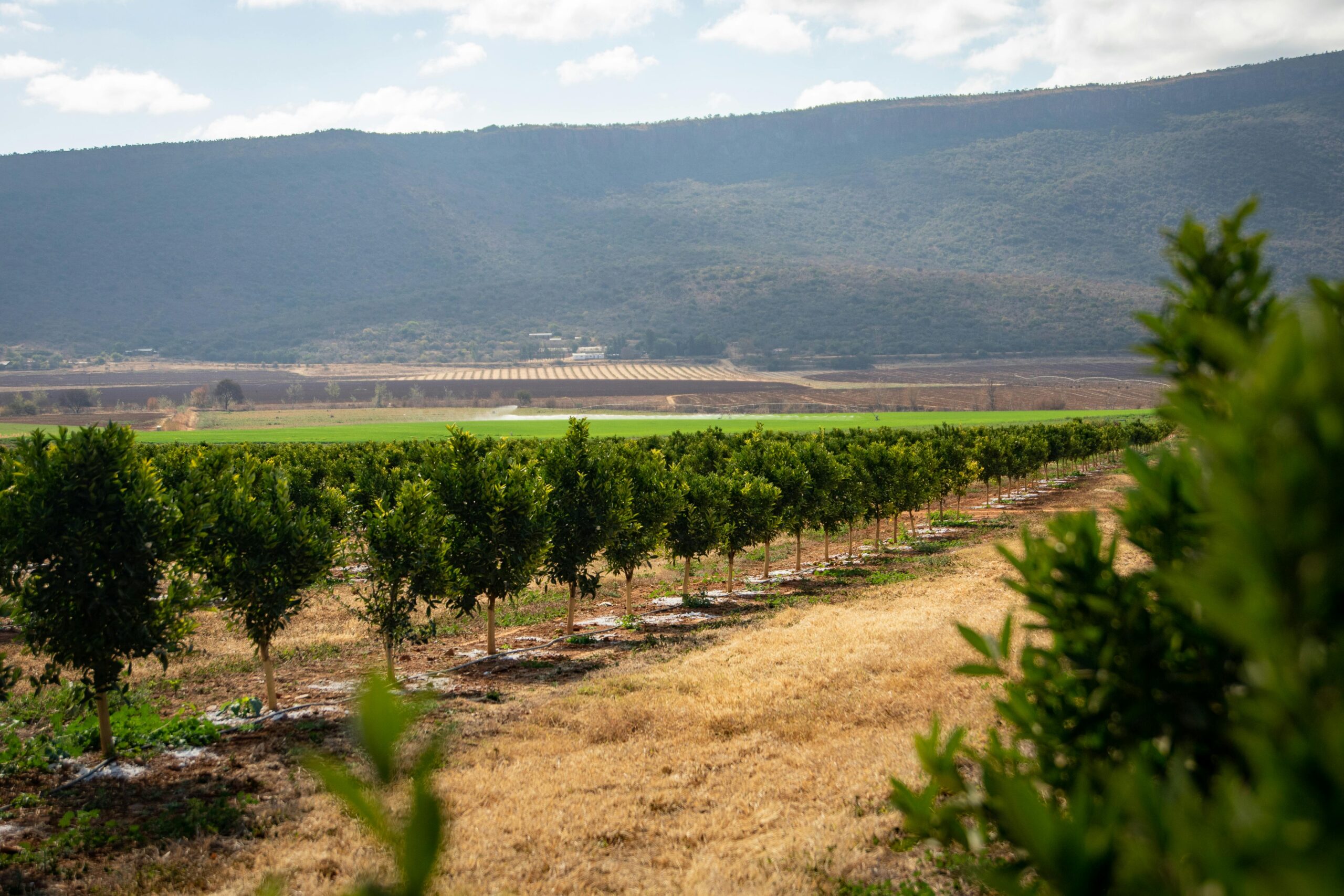
Cultivating Peak Performance in Mountain Ecosystems 🏆
Achieving peak performance in mountain agriculture requires rethinking conventional approaches that often prove unsustainable in these challenging environments. Agroforestry offers a proven pathway that harmonizes productivity with environmental stewardship, building resilience while diversifying livelihoods. The evidence clearly demonstrates that well-designed tree-based systems outperform conventional alternatives across multiple dimensions critical for long-term sustainability.
Success demands commitment to learning, adaptation, and collaboration among farmers, technical specialists, policymakers, and researchers. The knowledge exists to implement effective systems across diverse mountain contexts, but realizing potential requires supportive policies, adequate technical assistance, and market infrastructure that rewards sustainable practices. Investment in mountain agroforestry generates returns that extend far beyond individual farms to benefit entire watersheds, regions, and ultimately the global community.
The transformation of mountain agriculture through agroforestry represents more than technical change—it embodies a fundamental shift toward land stewardship that recognizes the interconnection between human wellbeing and ecosystem health. As climate change intensifies pressure on mountain environments and communities, agroforestry provides not just an adaptation strategy but a regenerative approach that actively rebuilds the foundation for enduring prosperity in these magnificent landscapes.