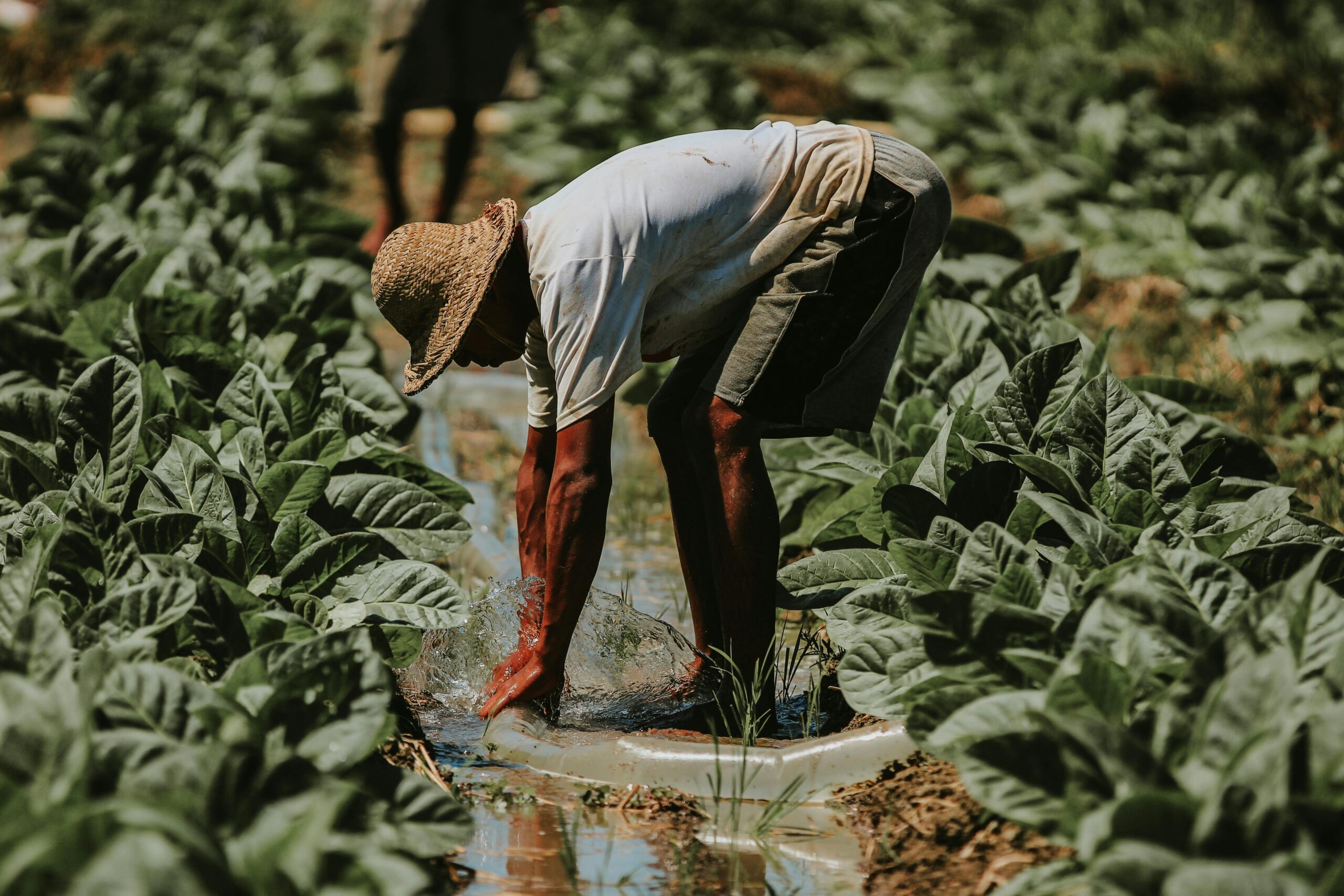
High-altitude environments present unique challenges and opportunities for agriculture, demanding specialized knowledge of soil composition, microbial life, and sustainable practices that unlock productivity in extreme conditions.

🏔️ Understanding the Unique Character of High-Altitude Soils
Mountain soils differ dramatically from their lowland counterparts, shaped by extreme temperature fluctuations, intense UV radiation, reduced atmospheric pressure, and distinct precipitation patterns. These factors create soil profiles that demand careful study and specialized management approaches for successful cultivation.
At elevations above 2,000 meters, soil formation processes slow considerably due to lower temperatures and shorter growing seasons. Weathering occurs at reduced rates, often resulting in younger, less developed soil profiles with unique mineral compositions. The decreased microbial activity in colder temperatures affects organic matter decomposition, creating distinct humus layers that influence nutrient availability.
High-altitude soils typically exhibit lower temperatures year-round, which fundamentally alters biological processes. Soil organisms adapt to these conditions, developing specialized survival strategies that affect nutrient cycling. Understanding these temperature-dependent processes becomes essential for farmers and gardeners working in mountainous regions.
Physical Properties That Define Mountain Agriculture
The physical structure of high-altitude soils reflects their formation under extreme conditions. Rocky substrates often dominate, with shallow soil depths limiting root penetration. Freeze-thaw cycles create unique aggregation patterns, affecting water infiltration and retention capabilities that differ significantly from lowland agricultural zones.
Soil texture in mountain environments tends toward coarser particles, with higher proportions of sand and gravel. This composition provides excellent drainage but reduces water-holding capacity, creating challenges during dry periods. The balance between drainage and moisture retention becomes a critical factor in successful high-altitude agriculture.
Erosion represents one of the most significant threats to mountain soils. Steep slopes, intense rainfall events, and reduced vegetative cover combine to accelerate soil loss. Sustainable practices must prioritize erosion control through terracing, contour planting, and strategic vegetation management to preserve these precious soil resources.
🌱 The Hidden Microbial World of Mountain Soils
Despite harsh conditions, high-altitude soils harbor diverse microbial communities adapted to extreme environments. These microscopic organisms play crucial roles in nutrient cycling, disease suppression, and plant health, representing untapped potential for sustainable agriculture in mountainous regions.
Cold-adapted bacteria and fungi have evolved specialized enzymes that function at low temperatures, enabling continued decomposition and nutrient release even when lowland soils become biologically inactive. These psychrophilic organisms represent valuable resources for biotechnology and agricultural applications beyond their native environments.
Mycorrhizal associations prove particularly important in high-altitude agriculture. These symbiotic relationships between plant roots and fungi enhance nutrient uptake, especially phosphorus, which often becomes limiting in mountain soils. Inoculating crops with adapted mycorrhizal strains can dramatically improve establishment and productivity in challenging alpine conditions.
Nitrogen Dynamics in Thin Mountain Air
Nitrogen availability often limits plant growth in high-altitude soils due to reduced microbial activity and slower decomposition rates. The nitrogen cycle operates differently at elevation, with nitrification and denitrification processes proceeding at altered rates compared to lowland systems.
Indigenous nitrogen-fixing bacteria adapted to high-altitude conditions offer sustainable solutions for improving soil fertility. Leguminous cover crops hosting these specialized rhizobia can enhance nitrogen availability while providing erosion control and organic matter inputs. Strategic rotation systems incorporating nitrogen-fixing species become essential components of sustainable mountain agriculture.
Atmospheric nitrogen deposition patterns also differ at altitude, with some high-elevation sites receiving greater inputs from precipitation. Understanding these natural nitrogen sources helps optimize fertilization strategies, reducing reliance on synthetic inputs while maintaining productivity and minimizing environmental impacts.
💧 Water Relations and Moisture Management Strategies
Water behaves differently in high-altitude soils due to reduced atmospheric pressure, lower temperatures, and altered evapotranspiration rates. These factors create unique moisture dynamics that require adapted irrigation strategies and water conservation approaches for successful cultivation.
Evaporation rates can be surprisingly high at altitude despite cooler temperatures, driven by intense solar radiation and low humidity. This paradox challenges conventional moisture management assumptions, demanding careful monitoring and responsive irrigation scheduling to prevent stress during critical growth stages.
Snowmelt represents a crucial water source for many high-altitude agricultural systems. The timing and quantity of spring snowmelt influence planting schedules and early-season moisture availability. Climate change impacts on snowpack accumulation and melting patterns create new uncertainties for mountain farmers adapting to shifting conditions.
Irrigation Innovation for Mountain Agriculture
Traditional flood irrigation proves wasteful and erosive on steep mountain slopes, necessitating more efficient delivery systems. Drip irrigation adapted to alpine conditions provides precise water application while conserving this precious resource. Solar-powered systems offer sustainable solutions where electrical infrastructure remains limited.
Rainwater harvesting takes on particular importance in high-altitude zones with limited water infrastructure. Strategic placement of collection systems capitalizes on concentrated runoff patterns, storing moisture for use during dry periods. Combined with mulching practices that reduce evaporation, these approaches enhance water security for mountain agriculture.
Soil moisture monitoring becomes essential for optimizing irrigation in variable mountain microclimates. Affordable sensor technologies now enable small-scale farmers to track moisture levels precisely, applying water only when needed and preventing both stress and waste. Data-driven approaches transform traditional practices, improving efficiency and sustainability.
🌾 Crop Selection and Adaptation for High-Altitude Success
Choosing appropriate crops represents the foundation of successful high-altitude agriculture. Species and varieties adapted to short growing seasons, temperature extremes, and intense radiation produce reliable harvests where poorly adapted plants fail completely.
Indigenous crop varieties developed over centuries of cultivation in mountain regions carry genetic traits enabling survival in harsh conditions. Potatoes, quinoa, barley, and buckwheat represent examples of crops naturally suited to high-altitude cultivation, offering both productivity and cultural significance for mountain communities.
Modern breeding programs increasingly focus on developing improved varieties combining traditional adaptation with enhanced yields and disease resistance. Participatory breeding approaches involving mountain farmers ensure new varieties meet practical needs while maintaining cultural appropriateness and environmental suitability.
Extending the Growing Season Through Strategic Planning
Short growing seasons constrain high-altitude agriculture, but innovative approaches extend productive periods. Cold frames, hoop houses, and polytunnels capture solar energy, warming soil and air to enable earlier planting and later harvests. These structures pay dividends in extended productivity and crop diversity.
Selecting early-maturing varieties maximizes the limited frost-free period available at altitude. Quick-growing crops like radishes, lettuce, and certain bean varieties complete their cycles before autumn cold arrives, fitting into narrow seasonal windows that defeat slower-maturing alternatives.
Succession planting strategies maintain continuous production throughout the growing season. Staggered plantings ensure steady harvests rather than boom-and-bust cycles, improving food security and market access for mountain farmers. Careful planning around microclimatic variations within individual farms optimizes these succession strategies.
🔬 Soil Testing and Fertility Management at Elevation
Understanding soil chemistry becomes crucial for effective fertility management in high-altitude systems. Standard soil testing protocols require adjustment for mountain conditions, accounting for unique pH patterns, mineral availability, and organic matter characteristics that differ from lowland references.
Mountain soils often tend toward acidity due to leaching and the nature of parent materials. Lime applications adjust pH to optimal ranges for crop production, but application rates must account for slow reaction times at cold temperatures. Regular monitoring ensures amendments maintain appropriate conditions over time.
Organic matter management takes on particular importance in high-altitude agriculture. Slow decomposition rates at cold temperatures mean organic inputs release nutrients gradually, requiring larger applications or more frequent additions than lowland systems. Compost, manure, and cover crop residues build soil organic matter while slowly releasing nutrients throughout extended growing periods.
Micronutrient Considerations in Mountain Systems
Micronutrient availability patterns differ at altitude, with certain elements becoming more or less available depending on soil chemistry and temperature. Iron, manganese, and zinc deficiencies appear more frequently in some high-altitude soils, requiring targeted supplementation for optimal crop performance.
Foliar applications of micronutrients provide rapid correction of deficiencies when soil conditions limit root uptake. This approach proves particularly valuable during cool periods when soil biological activity slows and nutrient availability decreases. Strategic timing of foliar feeds supports critical growth stages.
Chelated micronutrient products offer enhanced availability in challenging soil conditions. Though more expensive than standard formulations, these specialized products provide cost-effective solutions when standard applications fail to correct deficiencies. Soil testing guides targeted applications, avoiding wasteful over-application.
🌍 Sustainable Practices for Long-Term Mountain Soil Health
Sustainability takes on heightened importance in fragile mountain environments where erosion and degradation proceed rapidly once protective measures fail. Conservation-focused practices preserve soil resources for future generations while maintaining current productivity.
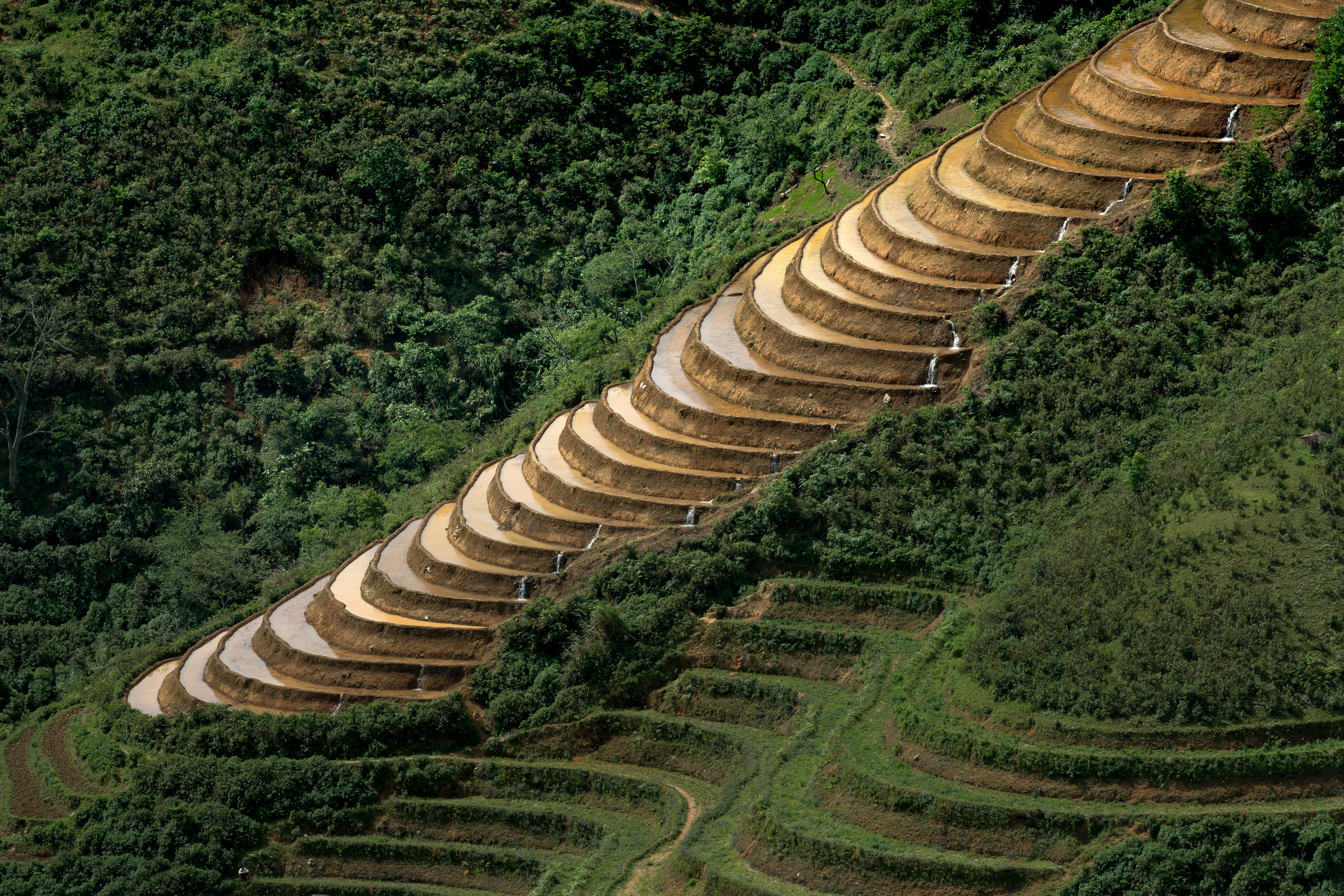
Contour farming and terracing represent time-tested approaches for reducing erosion on steep slopes. These physical modifications slow water movement, allowing infiltration while preventing destructive runoff. Though labor-intensive to establish, these structures provide decades of protection once constructed properly.
Permanent vegetation strips along contours trap sediment and nutrients, preventing their loss from agricultural fields. These buffer zones also provide habitat for beneficial insects and wildlife, enhancing biodiversity while protecting soil resources. Strategic placement maximizes conservation benefits without excessively reducing productive area.
Agroforestry Integration in Mountain Landscapes
Combining trees with agricultural crops creates synergies particularly valuable in mountain environments. Trees reduce wind speeds, moderate temperature extremes, and contribute organic matter through leaf fall. Their deep roots access nutrients beyond crop root zones, bringing resources to the surface through litterfall.
Nitrogen-fixing trees such as alder or locust species enhance soil fertility while providing erosion control and windbreak services. Fodder trees offer livestock feed, diversifying farm income while improving soil through animal integration. Carefully designed agroforestry systems transform marginal mountain land into productive, sustainable landscapes.
Fruit and nut tree cultivation adds economic value to steep terrain unsuitable for annual cropping. Many tree species tolerate the rocky, shallow soils common at altitude, producing valuable harvests with minimal inputs once established. Perennial systems also prevent erosion better than annual cultivation, protecting precious mountain soils.
📊 Monitoring Progress and Adapting Management
Successful high-altitude agriculture requires continuous observation and adaptive management responding to variable conditions. Record-keeping practices document what works and what fails, building knowledge over seasons and improving decision-making.
Simple monitoring protocols track soil health indicators including organic matter content, pH, nutrient levels, and biological activity. Annual or biennial testing reveals trends, enabling proactive management adjustments before problems become severe. Consistent sampling locations and timing ensure data comparability across years.
Visual soil assessment techniques provide rapid feedback on soil structure, organic matter, and biological activity without laboratory analysis. Training in these observational methods empowers farmers to make daily management decisions based on direct soil condition assessment, complementing periodic laboratory testing.
Climate Adaptation in Changing Mountain Environments
Mountain agriculture faces particular vulnerability to climate change impacts including shifting precipitation patterns, reduced snowpack, and altered temperature regimes. Adaptive strategies must anticipate these changes, building resilience into farming systems.
Diversification buffers against climate variability by spreading risk across multiple crops and enterprises. Diverse systems prove more resilient than monocultures when unexpected conditions favor certain species while disadvantaging others. Portfolio approaches to crop selection enhance stability in uncertain climates.
Water storage infrastructure becomes increasingly important as precipitation patterns shift and snowmelt timing changes. Investing in ponds, tanks, and soil water-holding capacity through organic matter additions provides insurance against drought periods that may become more frequent or severe.
🚜 Practical Implementation for Mountain Farmers
Translating knowledge into action requires practical, accessible approaches suited to mountain farming realities. Small-scale, low-cost interventions often provide the best entry points, building confidence and capacity before larger investments.
Starting with soil testing establishes baseline conditions, guiding initial improvement efforts. Local agricultural extension services often provide subsidized testing, making this crucial step affordable for small-scale farmers. Results direct amendments toward addressing actual deficiencies rather than guessing.
Compost production from farm and household waste provides cost-effective organic matter inputs while solving waste disposal challenges. Simple composting systems require minimal investment while producing valuable soil amendments. Over time, regular compost applications transform soil structure and fertility.
Farmer-to-farmer knowledge exchange accelerates learning and adoption of successful practices. Study groups, field days, and informal networks share experiences specific to local conditions, complementing formal extension services with peer-based learning more responsive to actual mountain farming conditions.
🌟 Unlocking the Potential of High-Altitude Agriculture
Mountain soils, though challenging, hold remarkable potential for sustainable agriculture when managed with understanding and care. The unique characteristics that make high-altitude cultivation difficult also create opportunities for distinctive products and resilient systems.
Specialty crops adapted to mountain conditions often command premium prices in markets valuing unique flavors and nutritional profiles. Quinoa, heritage potatoes, and mountain herbs exemplify products whose mountain origins add value. Strategic marketing of altitude-grown products captures this premium, improving farm economics.
The same harsh conditions that challenge conventional agriculture favor organic and low-input approaches. Reduced pest and disease pressure at altitude decreases reliance on pesticides, while intensive management becomes less critical for acceptable yields. Mountain agriculture naturally aligns with sustainable, organic principles that appeal to conscious consumers.
Carbon sequestration in mountain soils represents an underappreciated ecosystem service. Appropriate management practices build organic matter, capturing atmospheric carbon while improving productivity. Emerging carbon markets may provide additional income streams for mountain farmers adopting climate-friendly practices.
High-altitude agriculture connects people to landscapes in profound ways, sustaining mountain communities and cultures. Beyond economic production, these systems maintain traditional knowledge, preserve biodiversity, and protect watersheds serving lowland populations. Supporting mountain agriculture thus benefits entire regions, not just upland farmers.
The secrets of successful high-altitude soil management combine traditional wisdom with modern science, creating approaches responsive to both environmental realities and human needs. By understanding and working with mountain soils rather than against them, farmers and gardeners unlock productivity while ensuring sustainability for future generations. The journey to mastering high-altitude cultivation challenges us to observe carefully, adapt continuously, and respect the remarkable resilience of both soils and the communities that depend upon them.