
Navigating through whiteout conditions represents one of nature’s most challenging scenarios, where visibility drops to near zero and survival depends entirely on knowledge, preparation, and technique.

Whiteout conditions occur when atmospheric conditions create a uniform whiteness that eliminates contrast, depth perception, and the visible horizon. Snow, fog, blowing snow, or flat light can transform familiar terrain into a disorienting maze where even experienced outdoor enthusiasts can quickly lose their way. Understanding how to master navigation in these circumstances isn’t just about adventure—it’s about safety, survival, and the confidence to handle nature at its most demanding.
Whether you’re a backcountry skier, mountaineer, polar explorer, or simply someone who might encounter extreme winter weather, developing expert-level whiteout navigation skills could one day save your life. This comprehensive guide explores the techniques, tools, and mindset necessary to not just survive but thrive when visibility disappears and the environment becomes a featureless white expanse.
🌨️ Understanding the Whiteout Phenomenon
Before mastering navigation techniques, you must understand what causes whiteout conditions and how they affect human perception. A whiteout occurs when light reflects repeatedly between a snow-covered surface and a cloud layer or falling snow, creating a diffuse illumination that eliminates shadows and visual references.
The human brain relies heavily on visual cues to maintain spatial orientation and balance. During whiteout conditions, these cues vanish completely. The sky blends seamlessly with the ground, objects lose their three-dimensional appearance, and distance becomes impossible to judge accurately. Your brain literally has nothing to work with, creating a sensation similar to floating in a featureless void.
Meteorological whiteouts differ from ground blizzards. In meteorological whiteouts, falling snow reduces visibility, while ground blizzards involve wind-driven snow already on the ground. Both create dangerous navigation challenges, but understanding which type you’re experiencing helps determine the best survival strategy.
The Psychological Impact of Zero Visibility
The disorientation caused by whiteouts extends beyond physical navigation challenges. Studies show that humans in whiteout conditions experience significant psychological stress, including anxiety, vertigo, and spatial disorientation. Some people report feeling as though they’re walking uphill when moving on flat terrain, or being unable to tell whether they’re standing upright.
This psychological dimension makes whiteout navigation as much a mental challenge as a technical one. Panic becomes your greatest enemy, potentially leading to poor decisions that compound an already dangerous situation. Maintaining calm and trusting your instruments and techniques over your confused senses becomes paramount.
🧭 Essential Navigation Tools for Whiteout Conditions
Modern technology provides multiple navigation solutions, but whiteout conditions demand redundancy. Batteries fail in extreme cold, electronics malfunction, and GPS signals can be unreliable. A comprehensive navigation kit includes both high-tech and traditional backup methods.
GPS Devices and Smartphone Applications
GPS remains your primary navigation tool in whiteout conditions. Unlike compass navigation, GPS doesn’t require visual landmarks and provides accurate position data regardless of visibility. Quality GPS units designed for outdoor use offer superior battery life, durability, and reliability compared to smartphones.
However, smartphones running specialized navigation applications provide valuable backup options. Apps with offline map capabilities allow you to download terrain maps before venturing into remote areas, ensuring functionality without cellular service.
Modern navigation apps offer waypoint marking, track recording, and route planning features that prove invaluable when visibility disappears. The key is learning these tools thoroughly before emergency situations arise, ensuring you can operate them with cold, gloved hands under stress.
Traditional Compass and Map Skills
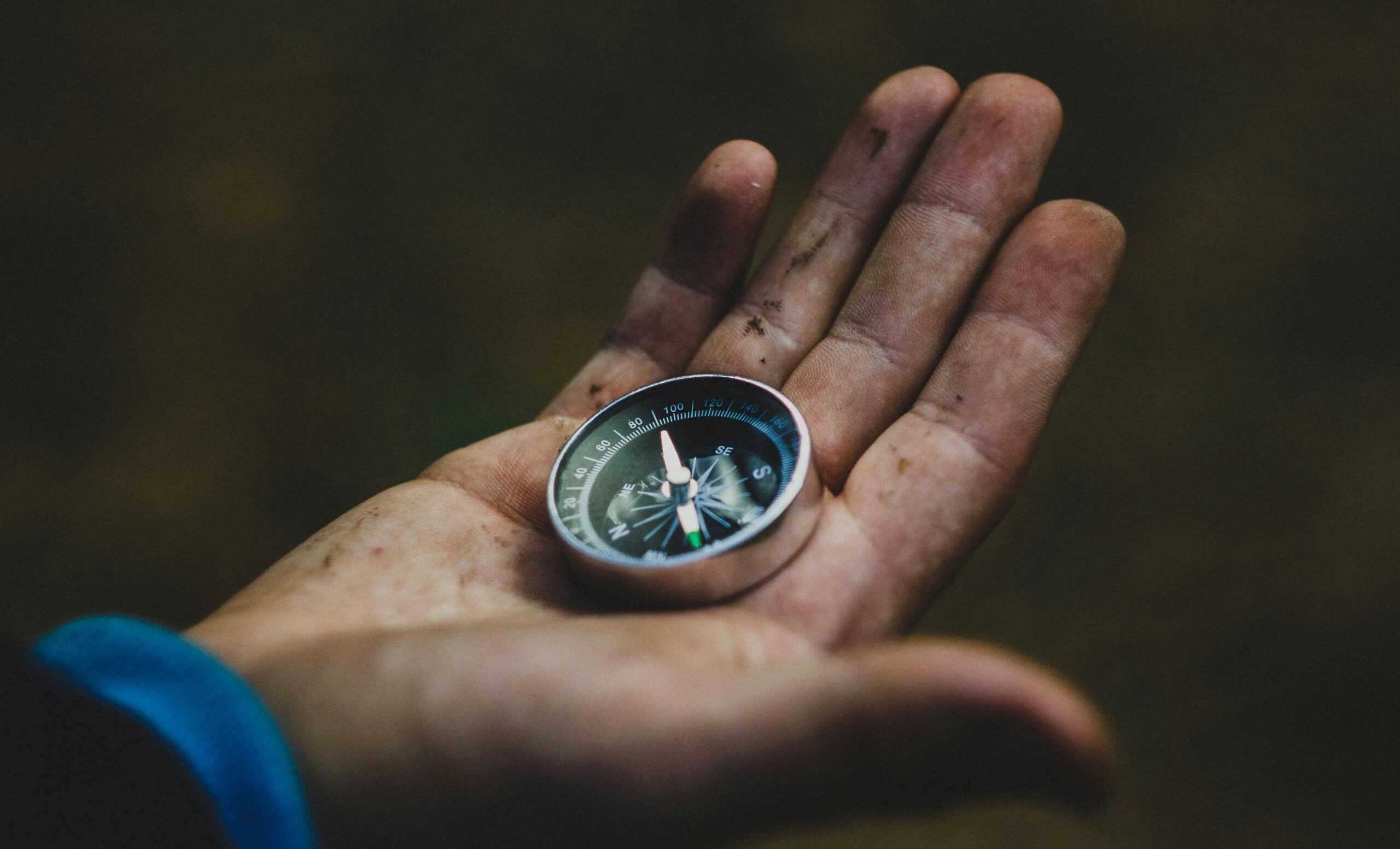
Despite technological advances, traditional navigation skills remain essential. A quality compass requires no batteries, won’t malfunction in extreme cold, and provides reliable directional information when everything else fails. Combined with properly protected topographic maps, compass skills offer genuine insurance against technological failure.
In whiteout conditions, compass navigation becomes more complex because you can’t identify landmarks for bearing shots. Instead, you’ll rely on dead reckoning—plotting a course based on direction, distance, and time—which requires careful attention and frequent position updates.
⛷️ Expert Techniques for Whiteout Navigation
Mastering whiteout navigation requires specific techniques that differ significantly from normal conditions. These methods focus on maintaining orientation when visual references disappear and ensuring you can reach safety without seeing your destination.
The Wand Navigation System
Professional mountaineers and polar explorers use wand systems to mark routes through areas prone to whiteouts. This technique involves placing bamboo wands or marker poles at regular intervals along your planned route. When whiteout conditions develop, these physical markers become visible guideposts even when nothing else is.
Effective wand placement requires strategic thinking. Spacing depends on visibility conditions—in areas experiencing frequent whiteouts, wands might be placed every 10-20 meters. Each wand should be tall enough to remain visible above snow accumulation and marked with high-visibility flagging.
For return navigation, wands should be placed with backward visibility in mind. What looks obvious when moving forward might be invisible when reversed, so testing visibility from both directions ensures the system works regardless of travel direction.
Team-Based Leapfrog Navigation
When traveling in groups during whiteout conditions, the leapfrog technique provides remarkable effectiveness. This method involves sending one team member forward on a compass bearing until they’re barely visible, then using them as a reference point to check direction and alignment.
The navigator maintains visual contact with the advance person while checking the compass bearing. If the advance member drifts off course, the navigator signals corrections. Once satisfied with alignment, the entire team moves forward to the advance position, and the process repeats.
This technique essentially creates human waypoints, allowing the team to maintain accurate navigation despite complete disorientation. It requires trust, clear communication systems, and patience, but dramatically improves navigation accuracy compared to individual travel.
Dead Reckoning in Zero Visibility
Dead reckoning becomes essential when no visual references exist. This technique involves plotting your position based on direction traveled, speed, and time. While less accurate than visual navigation, proper dead reckoning provides reasonably reliable position estimates.
Accurate dead reckoning requires knowing your pace count—how many steps you take to cover a known distance. This varies with terrain, load weight, snow conditions, and individual stride. Practicing on known terrain allows you to develop reliable pace counts for different conditions.
During whiteout travel, one team member should focus exclusively on navigation, counting paces while maintaining compass bearing. This person shouldn’t carry conversation or be distracted by other tasks. Regular position plotting on your map—every few hundred meters—allows you to track progress and adjust for errors before they become dangerous.
❄️ Reading Subtle Environmental Cues
Even during complete whiteouts, the environment provides subtle clues that skilled navigators can interpret. These cues won’t replace instruments but offer valuable confirmation and situational awareness.
Wind Direction and Consistency
Wind direction often remains consistent over several hours, providing a reliable directional reference. Before visibility deteriorates, note the wind direction relative to your planned route. During the whiteout, maintaining consistent wind angle to your body helps confirm you’re staying on course.
This technique requires understanding that wind direction can change, so it should supplement rather than replace instrument navigation. If wind shifts significantly, you must recognize the change rather than blindly trusting previous patterns.
Terrain Features Through Touch and Sound
When vision fails, other senses provide information. Changes in slope gradient, surface texture, and underfoot conditions reveal terrain features. Skilled navigators learn to recognize whether they’re traveling uphill, downhill, or traversing, even without visual confirmation.
Sound propagation changes with terrain. Voices carry differently in valleys versus open ridges. Wind noise varies with exposure. These subtle acoustic changes provide environmental information that helps confirm your position relative to known terrain features.
🎿 Safety Protocols and Decision-Making
Technical navigation skills mean little without sound judgment and safety protocols. Whiteout conditions demand conservative decision-making that prioritizes survival over objective completion.
Establishing Your Point of No Return
Before entering terrain where whiteouts might occur, establish clear criteria for turning back. This includes specific time limits, distance limits, and conditions that trigger immediate retreat. Writing these down and sharing them with your team creates accountability that overrides summit fever or goal fixation.
The point of no return considers energy reserves for the return journey, remaining daylight, weather forecasts, and team capability. Many accidents occur during return journeys when exhaustion and deteriorating conditions combine. Conservative planning acknowledges that reaching safety matters more than reaching summits.
Emergency Shelter and Bivouac Skills
Sometimes the best navigation decision is stopping. When whiteout conditions become so severe that safe navigation is impossible, establishing emergency shelter might be your safest option. This requires carrying appropriate equipment and having practiced shelter construction skills.
Snow caves, snow trenches, and emergency bivouac bags provide protection from wind and cold. The ability to construct effective emergency shelter transforms a potential crisis into a manageable situation. Many experienced mountaineers carry minimal bivouac equipment on every winter outing, regardless of planned duration.
🏔️ Training and Skill Development
Whiteout navigation skills aren’t acquired through reading alone. Deliberate practice in controlled environments builds the muscle memory and confidence necessary for real emergencies.
Progressive Training Approach
Begin skill development in safe environments with good visibility, learning tools and techniques without pressure. Practice GPS operation, compass bearings, and pace counting on familiar terrain. Once fundamental skills become automatic, gradually increase difficulty.
Simulated whiteout training using blindfolds or opaque goggles in safe areas allows you to experience navigation without visual references. This controlled practice develops confidence and reveals gaps in your skills before real conditions test you.
Seek instruction from experienced guides or mountaineering organizations. Professional instruction accelerates learning and ensures you’re developing correct techniques rather than reinforcing dangerous habits.
Mental Preparation and Stress Management
Physical navigation skills require complementary mental training. Visualization exercises where you mentally rehearse whiteout scenarios build psychological resilience. Considering potential problems and solutions before emergencies arise creates mental frameworks that support clear thinking under stress.
Meditation and breathing techniques help manage the anxiety that accompanies disorienting conditions. The ability to remain calm, think clearly, and trust your instruments despite your senses screaming otherwise comes from mental preparation as much as technical skill.
📱 Technology Integration and Modern Solutions
Contemporary navigation increasingly integrates multiple technologies into cohesive systems. Understanding how different tools complement each other creates robust navigation capabilities that remain functional even when individual systems fail.
Satellite Communication Devices
Two-way satellite communicators provide emergency backup beyond navigation. Devices allowing text messaging with rescue services or weather forecast updates offer peace of mind and practical utility. In whiteout emergencies, the ability to communicate your position and request assistance becomes invaluable.
These devices also allow you to share your position with people outside your immediate group, creating an additional safety layer. If you fail to check in at expected times, others know your last known position and can initiate rescue operations.
Augmented Reality and Future Technologies
Emerging navigation technologies include augmented reality displays that overlay directional information onto your field of view. While still developing for extreme conditions, these systems promise to revolutionize whiteout navigation by providing constant directional awareness without requiring you to reference separate devices.
Regardless of technological advances, the fundamental principle remains unchanged: redundancy and traditional skills provide essential backup when modern systems fail.
🌨️ Building Your Personal Whiteout Navigation System
Mastering whiteout navigation requires developing a personal system that integrates tools, techniques, and protocols into a cohesive approach. Your system should reflect your typical environments, activities, and personal strengths while addressing weaknesses.
Start by honestly assessing your current skill level. Identify gaps in knowledge or equipment, then systematically address each deficiency. Create a training plan that progresses from foundational skills to advanced techniques, with regular practice maintaining capabilities.
Document your system in writing. Create checklists for equipment, protocols for decision-making, and emergency procedures. This documentation serves both as learning material and as reference during actual events when stress might compromise memory.
Regularly review and update your system based on experience, new technologies, and changing circumstances. Navigation skill development is a continuous process rather than a destination. Each outing in challenging conditions provides learning opportunities that refine your capabilities.
🔍 Final Thoughts on Thriving in White Darkness
Whiteout conditions represent nature at its most challenging and unforgiving. The complete elimination of visual references creates an environment where human senses become unreliable and instinct can lead you astray. Yet with proper preparation, appropriate tools, and expert techniques, these conditions transform from insurmountable obstacles into manageable challenges.
The key to thriving in whiteouts lies in comprehensive preparation that addresses technical skills, psychological resilience, and safety protocols. Navigation during zero visibility isn’t about single techniques but rather integrated systems where multiple methods provide redundancy and reliability.
Technology offers powerful navigation tools, but traditional skills provide essential backup. The most capable navigators combine both, using GPS and digital maps for primary navigation while maintaining compass and dead reckoning skills for emergencies. This layered approach ensures you maintain capabilities even when individual systems fail.
Beyond technical proficiency, successful whiteout navigation demands mental strength and sound judgment. Recognizing when conditions exceed your capabilities and choosing safety over objectives demonstrates the wisdom that separates experienced outdoor enthusiasts from reckless adventurers. Sometimes the most skilled navigation decision is recognizing when to stop, shelter, and wait for conditions to improve.
Developing whiteout navigation expertise requires commitment to ongoing learning and practice. Skills deteriorate without regular use, and confidence comes only through experience. Seek opportunities to practice in controlled environments, pursue formal instruction, and gradually progress toward more challenging conditions as your capabilities grow.
Remember that mastering whiteout navigation isn’t about conquering nature but rather developing the skills to move safely through her most challenging moods. Respect for the environment, humility about your limitations, and commitment to continuous learning create the foundation for true expertise. With dedication and proper preparation, you can develop the confidence and capability to navigate safely even when the world disappears into white.