
Winter operations demand reliable infrastructure to keep people and goods moving safely through snow-covered landscapes. This comprehensive guide explores proven strategies for maintaining your snow transport systems throughout the coldest months.

❄️ Understanding the Critical Role of Winter Transport Infrastructure
When temperatures plummet and snowflakes begin their descent, the efficiency of your transport infrastructure becomes paramount to operational continuity. Snow transport infrastructure encompasses everything from roadways and railways to airport runways and delivery routes that must remain functional regardless of weather conditions. The economic impact of poorly maintained winter transport systems extends far beyond immediate inconvenience, affecting supply chains, emergency services, and community connectivity.
Organizations that prioritize proactive maintenance typically experience 40-60% fewer disruptions during winter months compared to those relying on reactive approaches. This substantial difference translates directly into cost savings, improved safety records, and enhanced reputation among stakeholders. Understanding the foundational principles of winter transport maintenance creates the framework for successful seasonal operations.
🚜 Essential Equipment for Year-Round Preparedness
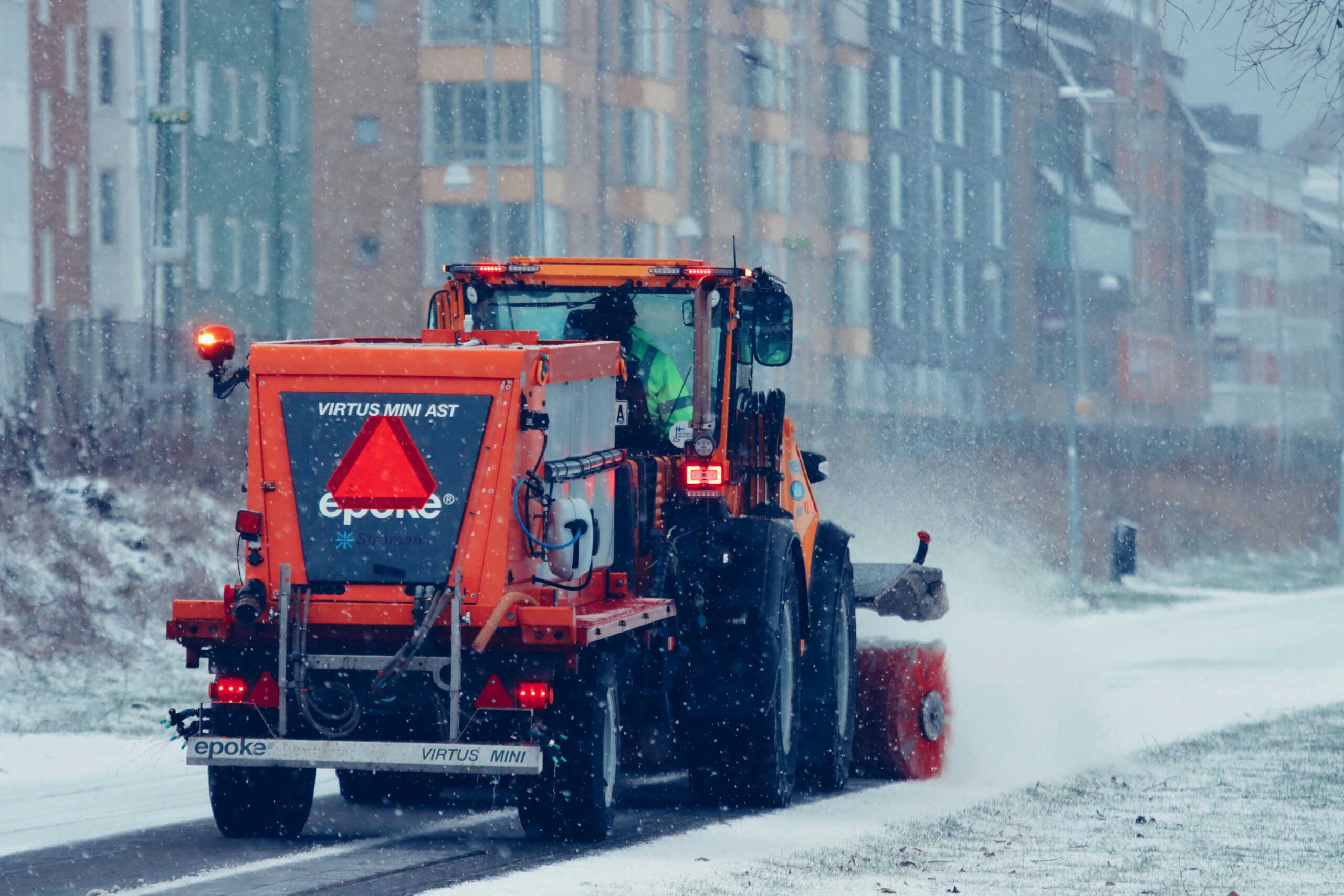
Maintaining effective snow transport infrastructure begins months before the first snowfall. Your equipment inventory should include specialized machinery designed specifically for winter conditions. Snowplows remain the workhorse of any winter maintenance fleet, but modern operations require diverse equipment portfolios that address various scenarios and surface types.
Salt spreaders and sand applicators provide crucial traction enhancement on treated surfaces. These systems must receive regular calibration to ensure appropriate material distribution rates that balance safety with environmental responsibility. Over-application wastes resources and damages surrounding ecosystems, while under-application creates hazardous conditions that compromise safety objectives.
Fleet Diversity and Specialized Machinery
Successful winter operations incorporate multiple equipment types suited to specific tasks. Rotary snowblowers excel at clearing heavy accumulations that overwhelm conventional plows. Underbody scrapers remove compacted snow and ice layers that standard plowing cannot address. Sidewalk equipment ensures pedestrian pathways remain accessible, demonstrating organizational commitment to comprehensive safety.
Investment in GPS-equipped vehicles revolutionizes operational efficiency by enabling real-time route tracking, automated reporting, and data-driven resource allocation. These technological enhancements provide transparency that satisfies stakeholder expectations while optimizing fuel consumption and labor deployment. Modern fleet management systems integrate weather forecasting data with equipment positioning to anticipate maintenance needs before conditions deteriorate.
🔧 Pre-Season Maintenance Protocols That Prevent Failures
August and September represent critical preparation months when comprehensive equipment inspections identify potential failure points before operational demands intensify. Hydraulic systems require particular attention, as cold temperatures dramatically affect fluid viscosity and seal integrity. Replacing worn hoses and checking cylinder operation prevents mid-storm breakdowns that leave routes unserviced during peak demand periods.
Cutting edge inspection reveals wear patterns that indicate alignment issues or improper installation. Replacing blade edges before the season ensures optimal snow removal efficiency throughout winter operations. Electrical systems demand thorough testing, particularly lighting arrays that enhance operator visibility during reduced daylight hours common to winter maintenance schedules.
Fluid System Preparation
Engine oil, transmission fluid, and coolant formulations must match anticipated temperature extremes. Winter-grade lubricants maintain proper viscosity at sub-zero temperatures, ensuring reliable cold-weather starting and component protection. Coolant concentration testing verifies adequate freeze protection while preventing corrosion that degrades radiator and engine block integrity.
Fuel system winterization includes additive treatment that prevents gelling and water contamination issues. Diesel fuel becomes increasingly problematic as temperatures decline, requiring preventive measures that ensure reliable engine operation regardless of conditions. Maintaining full fuel tanks between operations minimizes condensation accumulation that introduces water into fuel systems.
📊 Strategic Material Management and Storage Solutions
Deicing materials represent substantial budget allocations that require careful management to optimize effectiveness while controlling costs. Salt, sand, calcium chloride, and liquid brines each offer distinct advantages under specific temperature and precipitation conditions. Understanding these nuances enables intelligent material selection that maximizes performance per dollar invested.
Proper storage infrastructure protects material investments from moisture contamination and environmental exposure. Covered storage facilities prevent salt dissolution during rain events, preserving material quantity and effectiveness. Concrete or lined floors contain runoff that might otherwise contaminate groundwater, demonstrating environmental stewardship while complying with regulatory requirements.
| Material Type | Effective Temperature Range | Primary Application | Environmental Considerations |
|---|---|---|---|
| Rock Salt (NaCl) | Above 15°F (-9°C) | General roadway deicing | Moderate vegetation/water impact |
| Calcium Chloride | Down to -25°F (-32°C) | Extreme cold conditions | Higher cost, corrosive properties |
| Sand/Grit | All temperatures | Traction enhancement | Drainage system clogging concern |
| Liquid Brine | Above 15°F (-9°C) | Pre-treatment/prevention | Lower environmental impact |
Inventory Management Systems
Implementing computerized inventory tracking prevents material shortages during extended storm sequences while avoiding excessive stockpiling that ties up capital unnecessarily. Historical usage data combined with weather pattern analysis generates accurate forecasting models that inform purchasing decisions. Establishing relationships with multiple suppliers creates contingency options when primary sources experience supply disruptions.
🌨️ Real-Time Weather Integration and Response Planning
Modern winter maintenance operations leverage sophisticated weather monitoring systems that provide hyperlocal forecasting accurate to specific route segments. This granular data enables targeted resource deployment that addresses actual conditions rather than regional generalizations. Pavement temperature sensors embedded in critical roadway sections trigger automatic alerts when conditions favor ice formation, enabling proactive treatment before hazards develop.
Response planning matrices correlate predicted weather scenarios with appropriate equipment, personnel, and material deployments. These predetermined protocols eliminate decision-making delays during event onset, ensuring rapid mobilization that maintains service level objectives. Regular scenario training familiarizes teams with various response protocols, building institutional knowledge that improves execution under pressure.
Communication Infrastructure During Operations
Reliable communication systems form the backbone of coordinated winter maintenance efforts. Two-way radio networks provide immediate connectivity between field personnel and coordination centers, facilitating real-time adjustments as conditions evolve. Mobile data terminals in vehicles enable digital work order management, automated route completion reporting, and photographic documentation that supports accountability objectives.
Public communication strategies inform stakeholders about current conditions, treatment schedules, and expected service restoration timelines. Social media platforms, dedicated websites, and automated messaging systems create transparency that manages expectations while demonstrating operational responsiveness. Proactive communication reduces complaint volumes and builds public confidence in organizational capabilities.
👷 Personnel Training and Safety Culture Development
Equipment capabilities mean nothing without skilled operators who understand proper techniques and safety protocols. Comprehensive training programs address equipment operation, material application rates, route familiarization, and emergency procedures. Simulator-based training allows operators to develop skills in controlled environments before assuming responsibility for actual routes under challenging conditions.
Safety culture development extends beyond technical training to encompass fatigue management, situational awareness, and decision-making under stress. Winter maintenance operations frequently demand extended work periods during multi-day storm events, creating conditions where fatigue compromises judgment and reaction times. Implementing mandatory rest periods and crew rotation schedules protects personnel while maintaining operational effectiveness.
Certification and Continuing Education
Professional certification programs validate operator competency while promoting industry best practices. Organizations like the American Public Works Association offer Snow and Ice Control training that establishes standardized knowledge baselines across the profession. Ongoing education keeps teams current with emerging technologies, refined techniques, and evolving environmental regulations that govern winter maintenance activities.
🔍 Quality Assurance and Performance Measurement
Systematic quality assurance processes verify that maintenance activities achieve intended outcomes. GPS-based automatic vehicle location systems document actual service delivery, confirming route completion and identifying coverage gaps that require attention. Road weather information system data provides objective measurements of pavement conditions before, during, and after treatment applications, quantifying operational effectiveness.
Performance metrics should encompass multiple dimensions including response times, material usage efficiency, accident rate trends, and public satisfaction indicators. Establishing baseline measurements enables meaningful year-over-year comparisons that identify improvement opportunities and validate successful initiatives. Transparent performance reporting builds stakeholder confidence while demonstrating accountability for resource investments.
Continuous Improvement Methodologies
After-action reviews following significant weather events capture lessons learned while memories remain fresh. These structured debriefings identify both successes worth replicating and challenges requiring corrective measures. Documenting insights creates institutional memory that persists despite personnel turnover, building organizational resilience over time.
Benchmarking against peer organizations reveals innovative practices worth adapting to local circumstances. Industry conferences, professional associations, and collaborative networks facilitate knowledge exchange that accelerates improvement across the winter maintenance community. Organizations demonstrating curiosity and openness to external ideas consistently outperform those relying exclusively on internal experience.
💰 Budget Planning and Cost Control Strategies
Winter maintenance budgeting involves balancing preparedness investments with fiscal constraints. Fixed costs including equipment acquisition, facility maintenance, and base personnel represent controllable expenses determined during planning cycles. Variable costs tied to actual weather severity fluctuate significantly between seasons, requiring financial flexibility that accommodates unpredictable demand.
Cost control initiatives focus on efficiency improvements rather than service reductions that compromise safety. Route optimization reduces fuel consumption and equipment wear while maintaining coverage adequacy. Material application precision minimizes waste without sacrificing effectiveness. Preventive maintenance extends equipment service life, deferring capital replacement costs while maintaining operational reliability.
Financial Contingency Planning
Establishing dedicated reserve funds buffers organizations against severe winter seasons that exceed budget allocations. Multi-year averaging smooths financial impacts across varying weather patterns, preventing reactive budget cuts following expensive winters. Transparent communication with funding authorities about inherent weather unpredictability builds understanding that supports appropriate resource allocation.
🌍 Environmental Stewardship and Regulatory Compliance
Modern winter maintenance operations balance safety imperatives with environmental responsibility. Chloride contamination of groundwater and surface waters represents a growing concern that demands thoughtful material management. Implementing liquid pre-treatment programs reduces total salt usage by preventing snow-pavement bonds that require aggressive removal efforts. Calibrated spreader equipment ensures precise application rates that avoid excess material accumulation.
Vegetation management along treated routes minimizes salt spray impacts on sensitive species. Buffer zones protect ecologically significant areas from routine deicing operations. Alternative materials including agricultural byproducts, beet juice derivatives, and cheese brine offer reduced environmental footprints in appropriate applications, though cost considerations and performance characteristics require careful evaluation.
Regulatory compliance encompasses multiple dimensions including stormwater discharge permits, material storage requirements, and equipment emissions standards. Proactive engagement with environmental agencies demonstrates commitment to responsible operations while avoiding enforcement actions that damage organizational reputation and divert resources from core mission activities.
🚀 Emerging Technologies Transforming Winter Maintenance
Technological innovation continues reshaping winter maintenance capabilities and operational paradigms. Automated treatment vehicles equipped with artificial intelligence systems optimize material application based on real-time pavement condition sensing. These autonomous systems operate continuously without fatigue limitations, potentially revolutionizing service delivery models for organizations with sufficient route volumes to justify capital investments.
Thermal mapping technologies identify microclimates within service areas that experience different freezing patterns than surrounding regions. This granular understanding enables targeted treatments that address actual needs rather than applying uniform protocols across diverse conditions. Predictive analytics platforms integrate multiple data streams to forecast optimal treatment timing and intensity, moving operations from reactive response toward preventive intervention.
Data Integration and Decision Support Systems
Comprehensive management platforms consolidate weather data, asset tracking, material inventory, personnel scheduling, and financial information into unified dashboards that support informed decision-making. These integrated systems eliminate information silos that previously fragmented operational awareness. Mobile accessibility ensures supervisory personnel maintain situational awareness regardless of physical location, enabling remote coordination during multi-site operations.
🏆 Building Resilience Through Partnership and Collaboration
No organization operates in isolation, and winter maintenance effectiveness often depends on collaborative relationships with adjacent jurisdictions, private contractors, and emergency services. Mutual aid agreements establish frameworks for resource sharing during overwhelming events that exceed individual organizational capacities. Regular coordination meetings build relationships that facilitate smooth cooperation when urgent needs arise.
Private sector partnerships supplement public capabilities during peak demand periods, providing surge capacity without maintaining underutilized equipment year-round. Well-structured contracts align contractor incentives with service quality objectives while establishing clear performance expectations and accountability mechanisms. Competitive procurement processes ensure cost-effectiveness while maintaining sufficient vendor interest to sustain robust participation.
Emergency services integration ensures snow removal priorities align with critical access needs for police, fire, and medical responders. Dedicated communication channels facilitate real-time coordination that keeps emergency routes passable regardless of overall system stress levels. Joint training exercises build mutual understanding of respective capabilities and constraints that inform realistic expectations.
⏰ Sustaining Excellence Through Long-Term Vision
Organizations that maintain exceptional winter transport infrastructure view maintenance as an ongoing commitment rather than seasonal activity. Equipment replacement schedules based on lifecycle cost analysis ensure fleets remain reliable and efficient. Facility improvements accommodate evolving operational needs and regulatory requirements. Workforce development initiatives build deep expertise that organizational memory preserves across personnel transitions.
Strategic planning processes anticipate future challenges including climate pattern shifts, infrastructure aging, and changing community expectations. Scenario planning explores multiple potential futures, developing flexible strategies that remain viable across various circumstances. This forward-thinking approach positions organizations to adapt successfully rather than merely reacting to forces beyond their control.
Sustained investment in winter maintenance infrastructure demonstrates organizational values prioritizing safety, connectivity, and quality of life. Communities with reliable winter transport systems attract economic development, support vulnerable populations, and maintain normalcy during challenging seasonal conditions. The commitment to excellence in snow transport infrastructure maintenance generates returns far exceeding immediate operational costs, building resilient communities prepared for whatever winter brings.
Success in winter operations requires balancing technical competence, resource adequacy, and organizational commitment. By implementing comprehensive maintenance protocols, leveraging appropriate technologies, developing skilled personnel, and fostering collaborative relationships, organizations position themselves to navigate winter’s challenges effectively. The investment in robust snow transport infrastructure pays dividends through enhanced safety, economic continuity, and community confidence regardless of weather severity.