
For centuries, sleds and sledges have glided across snow-covered landscapes, carrying people and goods with an elegance that modern vehicles struggle to replicate.

🛷 The Ancient Origins of Sled Transportation
Long before the invention of the wheel in many northern regions, sleds represented humanity’s ingenious solution to winter travel. Archaeological evidence suggests that sled-like devices have been used for at least 7,000 years, with some of the earliest examples discovered in Scandinavia and northern Russia. These primitive yet effective transport systems revolutionized how communities survived and thrived in harsh winter climates.
The basic principle behind sled design has remained remarkably consistent throughout history: a smooth bottom surface that distributes weight evenly across snow or ice, minimizing friction and allowing for efficient movement. Ancient peoples crafted these vehicles from whatever materials were available—wood, bone, and hide—demonstrating remarkable ingenuity in their construction techniques.
Traditional sled transport wasn’t merely functional; it represented a cultural achievement that enabled trade, communication, and expansion into territories that would otherwise remain isolated during winter months. From the Arctic tundra to Alpine valleys, communities developed distinct sled designs perfectly adapted to their specific environmental conditions and cultural needs.
Regional Variations: A World of Sledding Traditions
The diversity of traditional sled designs across the globe reflects the creativity and adaptability of different cultures. Each region developed unique characteristics based on local materials, terrain, climate, and intended use.
Scandinavian Pulka and Ahkio Designs
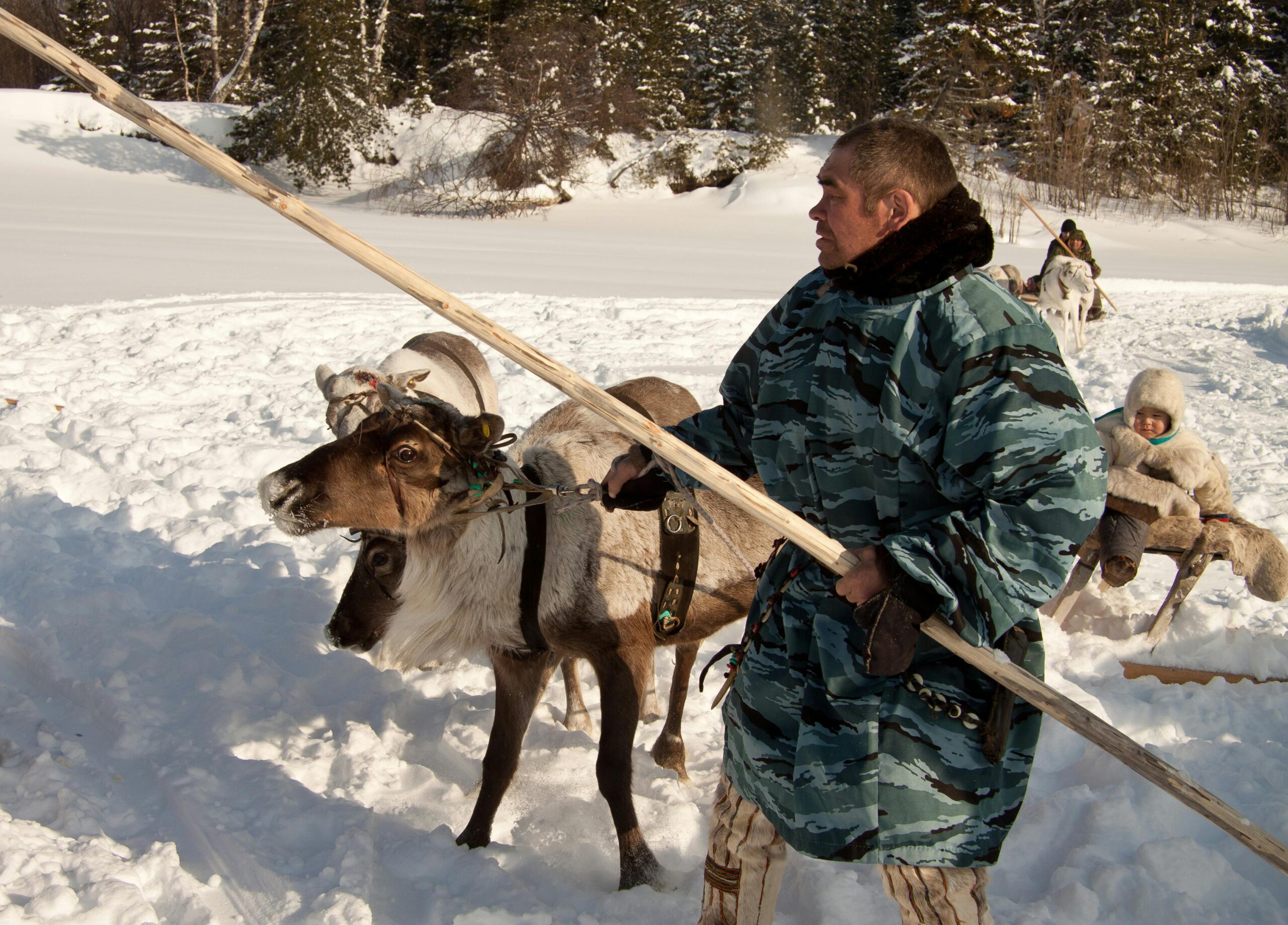
The Sami people of northern Scandinavia developed the pulka, a boat-shaped sled traditionally pulled by reindeer. These streamlined vessels featured low profiles to minimize wind resistance during long journeys across exposed tundra. The Finnish ahkio, similar in concept, typically had a more angular design and was used for transporting goods and occasionally injured people across frozen landscapes.
These Nordic sleds embodied practical elegance—every curve and joint served a purpose, from the upturned front to prevent catching on obstacles to the flexible construction that allowed the sled to navigate uneven terrain without breaking. Modern outdoor enthusiasts still appreciate these designs for winter camping and expedition use.
Russian Troika: The Aristocratic Sleigh
In Imperial Russia, the troika sleigh represented the pinnacle of winter elegance and speed. This distinctive vehicle was pulled by three horses arranged in a unique configuration—a center horse trotting beneath a high wooden arch while two flanking horses galloped at angles. The sleigh itself was often ornately decorated, featuring intricate woodwork, plush upholstery, and sometimes even heated compartments for wealthy passengers.
The troika wasn’t just transportation; it was a symbol of status and Russian cultural identity. The rhythmic sound of bells attached to the horses’ harnesses announced the approach of these magnificent vehicles, creating an atmosphere of excitement and grandeur on snowy roads between estates and cities.
North American Dog Sleds
Indigenous peoples of Alaska, Canada, and Greenland perfected dog sled technology over thousands of years. These sleds were engineering marvels—lightweight yet incredibly strong, flexible enough to traverse rough ice but stable enough to carry substantial loads. The traditional basket sled design featured flexible runners connected by crossbars lashed with rawhide, allowing the entire structure to twist and flex without breaking.
Dog sledding wasn’t merely about transportation; it represented a partnership between humans and animals that defined survival in the Arctic. The mushers developed deep bonds with their dog teams, understanding each animal’s personality and capabilities. This relationship transformed sledding from simple conveyance into a sophisticated system requiring skill, knowledge, and mutual respect.
❄️ The Engineering Elegance Behind Traditional Sleds
The enduring appeal of traditional sleds lies not just in their aesthetic charm but in their brilliant engineering. These designs represent solutions to complex problems, developed through generations of trial, error, and refinement.
Materials Matter: Traditional Craftsmanship
Historical sled builders possessed intimate knowledge of wood properties. They understood which species provided the necessary flexibility, strength, and durability for different components. Ash, birch, and hickory were favored for their resilience and ability to withstand extreme cold without becoming brittle.
The runners—the most critical component—required wood that could be smoothed to reduce friction while maintaining structural integrity. Traditional builders often applied protective coatings, from animal fat to resin, creating surfaces that glided effortlessly across snow. Some Arctic peoples even applied thin ice coatings to runners by spreading water mixed with moss or soil, creating ultra-smooth surfaces.
Design Principles That Transcend Time
Several core principles guided traditional sled construction across cultures:
- Weight Distribution: Properly designed sleds distribute loads evenly across runners, preventing them from breaking through crusted snow or sinking in powder.
- Flexibility: The best sleds incorporated flexibility, allowing them to traverse uneven terrain without structural failure or jarring passengers.
- Low Center of Gravity: Keeping weight close to the snow surface improved stability and reduced the risk of tipping on slopes or during turns.
- Streamlined Profiles: Minimizing wind resistance became increasingly important for sleds designed for speed or long-distance travel.
- Easy Repair: Traditional designs used simple joinery and lashing techniques that allowed repairs in the field with minimal tools.
The Golden Age of Pleasure Sleighing
During the 18th and 19th centuries, sleighing emerged as a fashionable winter pastime among European and North American elite. This era saw the development of increasingly ornate and comfortable sleigh designs that emphasized style as much as function.
Wealthy families commissioned custom sleighs featuring elaborate decorations, fine upholstery, and even musical bells arranged to create harmonious sounds. Sleighing parties became important social events, with participants dressing in their finest winter attire and traveling in processions through snowy landscapes and town streets.
The Albany cutter, developed in New York, exemplified American sleigh design during this period. Its distinctive curved body, plush seating, and elegant lines made it the vehicle of choice for fashionable winter outings. Similarly, the Portland cutter from Maine offered a more angular but equally sophisticated design that became popular throughout New England.
Victorian Winter Romance
Sleigh rides became deeply associated with courtship and romance during the Victorian era. Young couples would bundle under fur robes in intimate two-person cutters, enjoying privacy and conversation during moonlit rides through winter wonderlands. This romantic association persists in popular culture, with sleigh rides remaining a cherished winter activity for couples.
The literature and art of the period frequently depicted sleighing scenes, celebrating both the visual beauty of decorated sleighs against snowy backdrops and the social pleasures of winter gatherings. These cultural artifacts preserve a window into a time when sledge transport represented not just necessity but an art form and social institution.
🌟 Sled Transport in Practical Applications
Beyond pleasure and cultural significance, traditional sleds served critical practical functions that sustained communities through challenging winters.
Commercial and Agricultural Use
Before modern snowplows and winter road maintenance, sleds were essential for commerce during winter months. Farmers transported crops, livestock, and goods to market on large sledges pulled by horses or oxen. These working sleds prioritized cargo capacity and durability over aesthetics, though many still exhibited beautiful craftsmanship.
Logging operations particularly depended on sledges to transport timber from forests to mills and rivers. The enormous log sleds, sometimes pulled by teams of multiple horses, could carry loads weighing several tons across frozen landscapes. Ice roads—paths deliberately flooded and frozen smooth—were created specifically for these heavy sledges, representing sophisticated infrastructure adapted to winter conditions.
Medical and Emergency Transport
In remote northern communities, sleds often served as ambulances, carrying sick or injured people to medical care across vast distances. The basket sleds used for this purpose were designed for comfort and protection, with sides high enough to shield patients from wind and snow. These mercy missions sometimes covered hundreds of miles across brutal terrain, with drivers risking their own lives to save others.
Mail delivery by dog sled connected isolated communities to the wider world, with postal carriers maintaining regular routes regardless of weather conditions. The famous serum run to Nome, Alaska, in 1925—where sled dog teams relayed diphtheria antitoxin across nearly 700 miles of frozen wilderness—demonstrated both the reliability of traditional sled transport and the courage of those who depended on it.
The Artistic Heritage of Sled Decoration
Traditional sleds often served as canvases for artistic expression, with builders and owners decorating them with carvings, paintings, and metalwork that reflected cultural values and personal aesthetics.
Norwegian sleds frequently featured elaborate rosemaling—decorative folk painting characterized by flowing floral designs in rich colors. These intricate patterns transformed functional vehicles into moving works of art. Russian troikas displayed carved wooden elements depicting traditional motifs, from stylized animals to geometric patterns with symbolic meanings.
The decorated harnesses, bells, and tack used with draft animals added another layer of visual and auditory beauty to traditional sledding. Brass bells of different sizes were carefully selected to create pleasing tones, while leather harnesses might be tooled with decorative patterns or adorned with colorful woven bands.
🎿 Modern Revival and Contemporary Appreciation
Interest in traditional sled and sledge transport has experienced a remarkable revival in recent decades. This renewed appreciation stems from multiple sources: nostalgia for simpler times, recognition of sustainable transportation alternatives, and admiration for traditional craftsmanship.
Living History and Cultural Preservation
Museums and cultural centers across northern regions now maintain collections of historic sleds and offer demonstrations of traditional techniques. Living history programs allow visitors to experience authentic sleigh rides using period-appropriate vehicles and draft animals, providing connections to past ways of life.
Craftspeople are rediscovering traditional sled-building techniques, creating both faithful reproductions of historic designs and innovative new sleds inspired by traditional principles. These artisans often work with heritage breeds of horses and preserve the knowledge of traditional animal husbandry practices associated with sled transport.
Competitive Sledding Sports
Various competitive sports keep traditional sledding traditions alive while adapting them for modern audiences. Dog sled racing, particularly events like Alaska’s Iditarod, celebrates the heritage of Arctic sled transport while showcasing the athletic prowess of both mushers and dogs. These races honor traditional techniques while incorporating modern safety equipment and veterinary care.
Draft horse competitions include categories for traditional sleigh driving, where participants are judged on both the handling of their teams and the authenticity and condition of their equipment. These events help preserve breed lines of traditional draft horses while maintaining knowledge of historical driving techniques.
Sustainable Winter Transportation Lessons
As modern societies grapple with climate change and sustainability concerns, traditional sled transport offers valuable lessons. These human-powered or animal-powered vehicles produced zero emissions, used renewable and biodegradable materials, and could operate effectively in conditions that stymie modern machinery.
Some northern communities are rediscovering traditional sledding as part of eco-tourism initiatives. Visitors seeking authentic, low-impact winter experiences increasingly appreciate dog sled tours, horse-drawn sleigh rides, and even human-powered sled expeditions as alternatives to snowmobile-based recreation.
The durability and repairability of traditional sled designs also contrast sharply with planned obsolescence in modern products. A well-built wooden sled can last for generations with proper care, and damaged components can be replaced or repaired without specialized tools or expertise.
⛷️ Experiencing Traditional Sledding Today
For those interested in experiencing the timeless elegance of traditional sled transport, numerous opportunities exist worldwide. Many northern destinations offer authentic sleigh ride experiences using historic vehicles and traditional practices.
Scandinavian countries provide particularly rich opportunities, from reindeer-pulled pulka rides with Sami guides to romantic horse-drawn sleigh dinners in winter wonderlands. The Canadian Rockies and Alaska offer dog sledding adventures ranging from brief introductory experiences to multi-day expeditions into backcountry wilderness.
Eastern European destinations, particularly in Russia and Poland, maintain traditions of troika rides, allowing visitors to experience the distinctive speed and elegance of this unique sledding system. These experiences often include traditional music, costume, and cuisine, creating immersive cultural encounters.
Preserving Heritage for Future Generations
The continued relevance of traditional sled and sledge transport systems depends on dedicated individuals and organizations working to preserve knowledge, maintain breeding lines of draft animals, and pass skills to new generations.
Educational programs teaching traditional sled building provide hands-on connections to heritage crafts while developing practical woodworking skills. Youth involved in competitive dog sledding or draft horse activities gain appreciation for animal welfare, outdoor skills, and historical knowledge while participating in contemporary sports.
Documentation efforts, including oral histories with elders who remember when sleds were primary winter transportation, help preserve contextual knowledge that might otherwise be lost. These stories capture not just technical information but the cultural significance and daily realities of life dependent on sledge transport.
The Enduring Appeal of Gliding Through Winter
There remains something magical about sliding across snow-covered landscapes in a traditional sled or sledge. Perhaps it’s the silence, broken only by the whisper of runners on snow and the breathing of draft animals. Maybe it’s the slower pace that allows appreciation of winter’s beauty. Or possibly it’s the tangible connection to countless generations who experienced the same sensations.
Traditional sled transport represents more than historical curiosity—it embodies sustainable technology, cultural heritage, artistic achievement, and human ingenuity. These elegant vehicles remind us that solutions to transportation challenges need not be complex or technologically sophisticated to be effective and beautiful.
As we navigate an increasingly fast-paced, technology-dependent world, the timeless elegance of traditional sleds offers perspective. They demonstrate that sometimes the oldest solutions remain among the best, that beauty and function can coexist perfectly, and that connections to heritage practices enrich contemporary life.
Whether experienced through museum visits, living history demonstrations, recreational sleigh rides, or personal sled-building projects, these traditional transport systems continue to captivate imaginations and provide pleasure. Their graceful forms gliding across winter landscapes create scenes of beauty that transcend time, linking us to past generations while offering sustainable alternatives for future ones.
The next time you see a traditional sled or sledge—whether in a museum, at a winter festival, or carrying passengers through snowy streets—take a moment to appreciate the centuries of knowledge, skill, and cultural significance embodied in its design. These elegant vehicles represent humanity’s creative response to winter’s challenges, transformed into art forms that continue to inspire and delight.