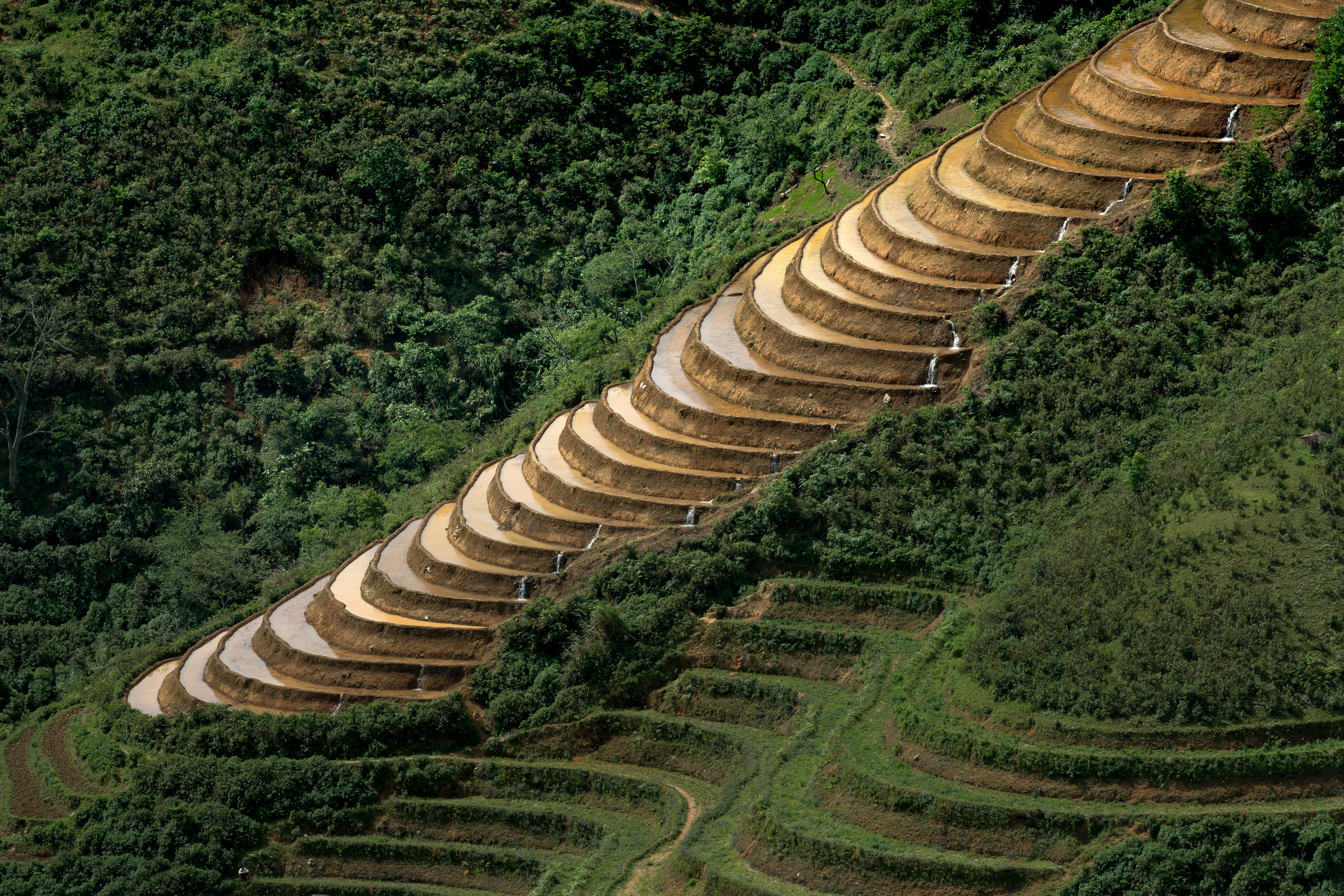
Mountain architecture is evolving rapidly, blending sustainability, innovation, and breathtaking design to redefine how we experience high-altitude environments and their unique challenges.

🏔️ The Rising Demand for Mountain Architecture
The allure of mountain living has never been stronger. As urban populations seek refuge from city life, mountain regions are experiencing unprecedented development. This surge isn’t just about building more structures—it’s about reimagining how architecture can harmonize with some of Earth’s most dramatic landscapes while addressing climate change, sustainability, and human comfort.
Modern mountain architecture represents a fascinating intersection of engineering prowess, environmental stewardship, and aesthetic ambition. Architects working in these challenging terrains must consider extreme weather conditions, seismic activity, avalanche risks, and the ecological fragility of alpine ecosystems. The future of this architectural discipline promises solutions that are as innovative as they are beautiful.
Adaptive Design: Buildings That Respond to Their Environment
Tomorrow’s mountain structures will feature adaptive systems that respond dynamically to changing conditions. Smart building technologies are enabling facades that adjust to temperature fluctuations, windows that optimize natural light based on sun position, and roofing systems that manage snow loads automatically.
These intelligent buildings will incorporate sensors monitoring everything from structural stress to indoor air quality. Machine learning algorithms will predict weather patterns and adjust heating, ventilation, and lighting systems proactively. This responsiveness reduces energy consumption while enhancing occupant comfort—a critical consideration when external temperatures can plummet dramatically.
Kinetic Architecture in Alpine Settings
Kinetic elements are emerging as game-changers in mountain design. Retractable roof sections allow buildings to open during favorable weather and seal during storms. Adjustable louvers manage solar gain and wind exposure. Some conceptual designs even feature entire structures that can rotate to optimize views, sun exposure, or protection from prevailing winds.
This movement-based architecture isn’t merely aesthetic—it’s functional. By responding physically to environmental conditions, these buildings significantly reduce their energy footprint while providing unprecedented flexibility for their inhabitants.
Sustainability at Elevation: Zero-Impact Mountain Living
The environmental fragility of mountain ecosystems demands that future architectural projects achieve near-zero impact. This commitment extends beyond energy efficiency to encompass water management, waste reduction, and habitat preservation.
Innovative mountain architects are pioneering closed-loop systems where buildings generate their own energy through solar panels, wind turbines, and geothermal systems. Greywater recycling and composting toilets minimize water usage, while modular construction techniques reduce construction waste and site disturbance.
Regenerative Design Principles
The next evolution beyond sustainability is regenerative design—architecture that actively improves its environment. Mountain buildings incorporating regenerative principles might include:
- Green roofs that provide insulation while supporting native plant species and pollinators
- Bioretention systems that filter runoff and prevent erosion
- Wildlife corridors integrated into development plans
- Carbon-negative materials that sequester more CO2 than their production releases
- Habitat restoration initiatives tied to construction projects
These approaches transform buildings from environmental liabilities into ecological assets, contributing positively to the mountain landscapes they inhabit.
🌲 Material Innovation: Building with Nature
The materials revolution is profoundly impacting mountain architecture. Traditional materials like stone and timber are being reimagined alongside cutting-edge alternatives that offer superior performance in harsh alpine conditions.
Cross-laminated timber (CLT) has emerged as a favorite for mountain construction. This engineered wood product offers exceptional strength-to-weight ratios, excellent seismic performance, and significant carbon sequestration benefits. CLT buildings can be prefabricated off-site, minimizing construction impact in sensitive mountain areas.
Advanced Composite Materials
New composite materials are pushing boundaries in mountain architecture. Transparent aluminum offers glass-like transparency with dramatically improved strength and insulation. Aerogel-infused panels provide unprecedented insulation values in minimal thickness. Self-healing concrete incorporates bacteria that repair cracks automatically, extending building lifespan in freeze-thaw cycles.
Bio-based materials are also gaining traction. Mycelium-based insulation, hempcrete walls, and algae-derived plastics offer sustainable alternatives to petroleum-based products while performing excellently in mountain conditions.
Integration with Topography: Disappearing into the Landscape
Future mountain architecture increasingly emphasizes visual integration with natural surroundings. Rather than imposing geometric forms onto organic landscapes, architects are creating structures that nestle into hillsides, mirror natural contours, and sometimes virtually disappear from view.
Earth-sheltered designs bury portions of buildings into mountainsides, providing natural insulation and wind protection while minimizing visual impact. Living roofs covered with native vegetation blend seamlessly with surrounding terrain. Reflective and camouflaging facades mirror sky, forest, and stone, making buildings nearly invisible from certain angles.
Minimal Foundation Strategies
Traditional foundations can be extremely disruptive in mountain environments. Innovative architects are developing minimal-impact foundation systems including adjustable screw piles, tensioned cable anchors, and floating platform designs that adapt to terrain without extensive excavation.
These approaches preserve existing drainage patterns, minimize soil disturbance, and allow buildings to be more easily removed or relocated if necessary—an important consideration as climate change alters mountain environments.
🔥 Climate Resilience: Designing for Extreme Conditions
Climate change is intensifying mountain weather extremes. Future architectural designs must anticipate more severe storms, greater temperature fluctuations, increased wildfire risk, and changing precipitation patterns including rain-on-snow events that trigger avalanches.
Resilient mountain architecture incorporates multiple redundant systems ensuring habitability even when primary systems fail. This includes backup power generation, water storage, emergency shelter spaces, and fire-resistant materials and clearances.
Wildfire-Resistant Design
As wildfire frequency increases in mountain regions worldwide, architectural responses are becoming more sophisticated. Future designs will feature:
- Non-combustible exterior materials including metal, stone, and fiber cement
- Minimal roof overhangs that don’t trap embers
- Tempered glass windows that resist heat-induced shattering
- Ember-resistant vents and enclosed eaves
- Automated external sprinkler systems activated by smoke detection
- Defensible space landscaping with fire-resistant plant selections
These measures don’t merely protect individual structures—they contribute to community-wide fire resilience that can save entire mountain developments.
Technology Integration: The Smart Mountain Home
Technology is transforming how we interact with mountain architecture. Smart home systems optimized for alpine conditions monitor and control everything from snow accumulation to indoor air quality.
Advanced weather stations provide hyperlocal forecasting, allowing automated systems to prepare buildings for incoming storms. Structural health monitoring detects stress or damage from seismic activity or snow loads. Remote monitoring capabilities let owners check on properties from anywhere, addressing security concerns common with seasonal mountain homes.
Connectivity in Remote Locations
Reliable connectivity has historically been challenging in mountain locations, but emerging technologies are changing this. Satellite internet systems now provide high-speed connections virtually anywhere. Mesh networking allows multiple buildings to share connectivity, creating resilient communication infrastructure.
This connectivity enables remote work from mountain locations, changing the economic equation for mountain communities and reducing the environmental impact of commuting and urban living.
⛷️ Multi-Seasonal Functionality
Mountain architecture is moving beyond seasonal use patterns. Future designs accommodate year-round habitation with spaces that transform based on season and need.
Convertible spaces might function as ski rooms in winter and outdoor living areas in summer. Flexible furniture systems and movable walls allow rooms to expand or contract. Modular additions enable buildings to grow or shrink based on occupancy, reducing heating and cooling demands during low-use periods.
Transitional Spaces
The threshold between interior and exterior is particularly important in mountain architecture. Innovative transitional spaces—mudrooms, atriums, covered decks—create gradual climate transitions while providing practical areas for gear storage and temperature acclimation.
These liminal zones also enhance the psychological experience of mountain living, framing views and creating moments of anticipation as inhabitants move between sheltered interiors and dramatic landscapes.
Community-Centered Mountain Developments
Future mountain architecture is shifting from isolated structures toward integrated communities that share resources and infrastructure. Co-housing developments, shared amenity buildings, and collaborative ownership models are emerging as alternatives to traditional single-family mountain homes.
These community-oriented approaches offer sustainability benefits through shared energy systems, reduced per-capita land use, and collective maintenance of common spaces. They also address the social isolation that can occur in remote mountain locations, fostering connections between residents.
Mixed-Use Mountain Villages
The most innovative mountain developments integrate residential, commercial, and recreational uses, creating walkable communities that reduce automobile dependence. These compact villages preserve open space while providing services and social opportunities within walking distance.
Architectural guidelines in these developments often emphasize visual coherence while allowing individual expression—creating communities that feel unified without being monotonous.
Prefabrication and Modular Construction
The logistical challenges of mountain construction make prefabrication increasingly attractive. Off-site manufacturing of building components or entire modules reduces on-site construction time, weather exposure, and environmental impact.
Advanced prefabrication techniques now produce high-quality, architecturally distinctive buildings that rival traditional stick-built construction. Precision manufacturing improves energy efficiency through tighter building envelopes and more consistent quality control.
Shipping Container and Adaptive Reuse
Repurposed shipping containers and other adaptive reuse strategies are finding applications in mountain architecture. These approaches offer rapid deployment, inherent structural strength, and sustainability benefits from material reuse.
While aesthetic challenges exist, creative architects are transforming industrial components into striking mountain retreats that challenge conventional expectations about what mountain architecture should look like.
🌟 Biophilic Design in Alpine Contexts
Biophilic design—architecture that emphasizes human connections with nature—is particularly relevant in mountain settings. Future designs will maximize these connections through generous glazing, natural materials, indoor-outdoor flow, and incorporation of natural elements like water features and living walls.
Research demonstrates that biophilic design reduces stress, enhances cognitive function, and improves overall wellbeing—benefits particularly valuable in mountain environments where weather may restrict outdoor access for extended periods.
Maximizing Natural Light
Light is precious in mountain environments, especially during winter months. Innovative daylighting strategies including skylights, light tubes, clerestory windows, and reflective surfaces distribute natural light deep into building interiors.
Dynamic glazing technologies automatically adjust tint levels to optimize light while preventing heat loss, glare, and UV damage—maintaining comfortable, naturally lit interiors across changing conditions.
Cultural Sensitivity and Vernacular Inspiration
The most successful mountain architecture respects regional building traditions while incorporating contemporary innovations. This approach honors cultural heritage and produces designs inherently adapted to local climate and available materials.
Alpine chalets, Himalayan stone houses, and Andean terraced structures evolved over centuries to address specific environmental challenges. Contemporary architects studying these vernacular traditions extract underlying principles applicable to modern sustainable design.
Indigenous Knowledge Integration
Indigenous communities have inhabited mountain regions for millennia, developing sophisticated understandings of alpine ecosystems. Progressive architectural practices are incorporating this traditional ecological knowledge into contemporary design, creating buildings that work with rather than against natural systems.
This respectful collaboration produces architecture that is both innovative and deeply rooted in place—designs that honor the past while embracing the future.
Economic Models for Sustainable Mountain Development
The economics of mountain architecture are evolving beyond traditional ownership models. Fractional ownership, timeshares, and short-term rentals are being reconsidered in light of community impacts and sustainability concerns.
Alternative models including community land trusts, deed-restricted affordable housing, and conservation easements are preserving mountain communities’ character while ensuring locals can afford to live where they work. These approaches balance development pressures with community needs and environmental protection.
🏗️ The Path Forward: Vision and Implementation
The future of mountain architecture demands collaboration between architects, engineers, ecologists, climatologists, and communities. This multidisciplinary approach ensures designs address technical challenges while respecting environmental limits and community values.
Education and policy will play crucial roles in realizing this vision. Building codes must evolve to encourage innovation while ensuring safety. Professional training should emphasize ecological literacy alongside technical skills. Public awareness campaigns can build support for development approaches that prioritize long-term sustainability over short-term profits.
Mountain architecture stands at an exciting threshold. The convergence of advanced materials, smart technologies, ecological understanding, and design innovation offers unprecedented opportunities to create buildings that enhance rather than diminish the magnificent landscapes they inhabit. As climate pressures intensify and human populations continue seeking mountain experiences, the architectural responses we develop today will shape mountain environments for generations to come.
The peak performance we should seek isn’t measured only in structural efficiency or aesthetic achievement, but in architecture’s ability to foster sustainable relationships between humans and the awe-inspiring mountain environments that inspire, challenge, and ultimately humble us all. This is the true frontier of mountain architectural design—creating built environments that honor both human needs and ecological imperatives, demonstrating that development and conservation need not be opposing forces but can work together toward a more sustainable future. 🌄