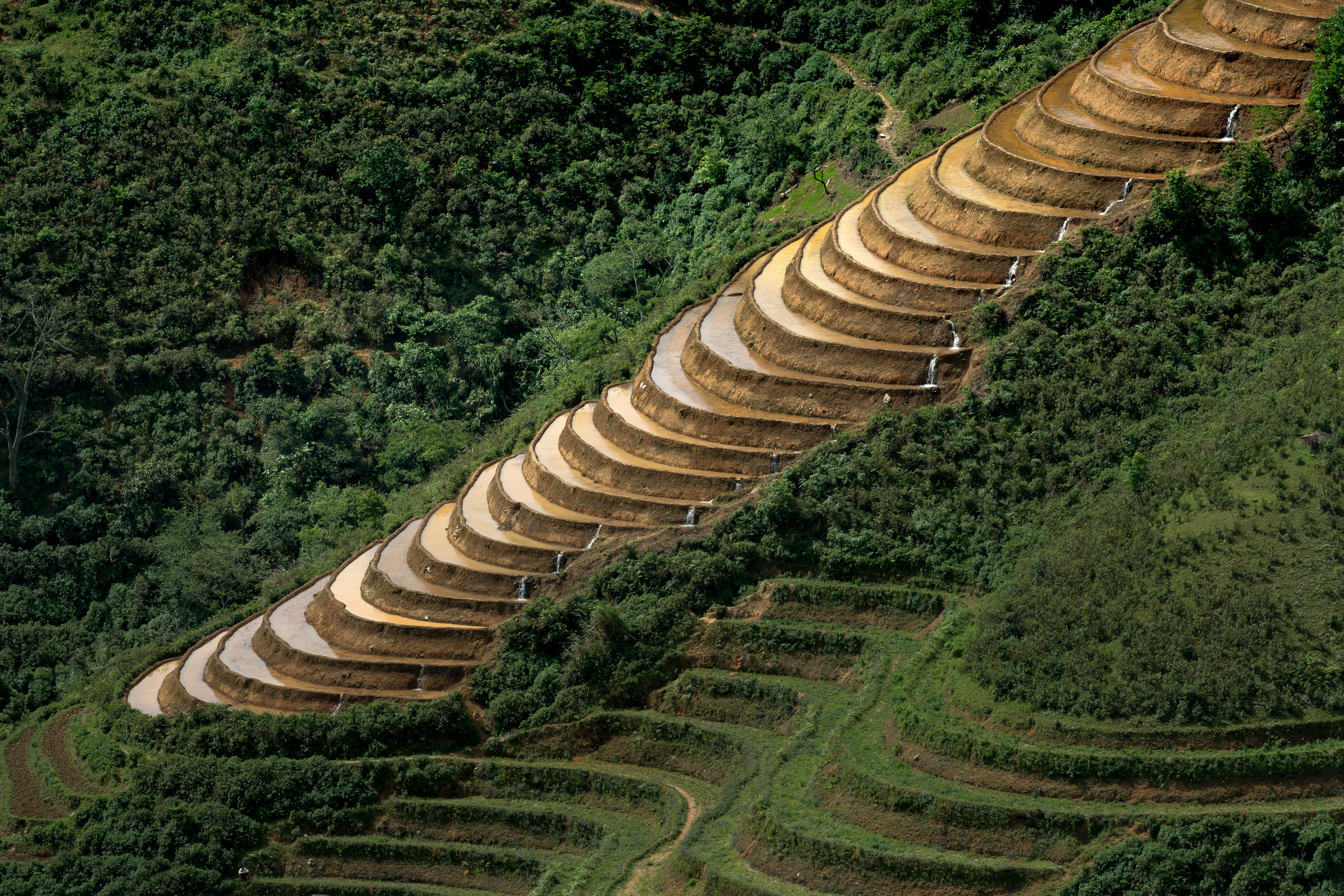
Alpine regions present unique challenges and opportunities for sustainable architecture. Earth-sheltered design offers solutions that harmonize human habitation with mountainous landscapes while reducing environmental impact.

🏔️ Understanding Earth-Sheltered Architecture in Mountain Environments
Earth-sheltered architecture represents a sophisticated approach to building design that integrates structures partially or completely into the surrounding terrain. In mountainous regions, this architectural philosophy takes on special significance, offering protection from harsh alpine conditions while maintaining minimal visual and environmental impact on pristine landscapes.
The concept involves using the earth’s natural thermal mass and insulating properties to create stable interior environments. Mountains provide ideal topography for this approach, with natural slopes and terrain variations that facilitate seamless integration of buildings into hillsides. This method has roots in ancient civilizations but has evolved dramatically with modern engineering capabilities and sustainable design principles.
Contemporary earth-sheltered structures in alpine settings combine cutting-edge materials, sophisticated ventilation systems, and renewable energy technologies. These buildings leverage the constant temperature of the earth—typically between 50-60°F (10-15°C) at depths of six feet or more—to reduce heating and cooling demands significantly.
The Science Behind Underground Mountain Dwellings
The thermal performance of earth-sheltered homes depends on several factors. Soil conducts heat much more slowly than air, creating a buffer against temperature extremes common in mountainous areas. During winter, when alpine temperatures can plummet dramatically, the surrounding earth prevents heat loss from the interior. Conversely, in summer, the cool earth absorbs excess heat, maintaining comfortable indoor conditions.
Geotechnical considerations play a crucial role in mountain earth-sheltered construction. Soil composition, drainage patterns, and seismic activity must be thoroughly analyzed. Rocky mountainous terrain often provides excellent structural support but requires specialized excavation techniques. Proper waterproofing becomes paramount, as alpine regions typically receive substantial precipitation in the form of snow and rain.
🌿 Environmental Benefits of Alpine Earth-Sheltered Design
The environmental advantages of earth-sheltered architecture in mountainous regions extend far beyond energy efficiency. These structures represent a holistic approach to sustainable living that addresses multiple ecological concerns simultaneously.
Energy consumption in traditional mountain homes can be extraordinarily high due to extreme weather conditions and remote locations. Earth-sheltered designs can reduce heating and cooling costs by 50-80% compared to conventional structures. This dramatic reduction translates directly into lower carbon emissions and decreased reliance on fossil fuels—particularly important in isolated alpine communities where energy access may be limited or expensive.
The visual impact on mountain landscapes is minimized through earth-sheltered construction. Rather than imposing structures that disrupt natural vistas, these buildings blend seamlessly into hillsides. This preservation of scenic beauty protects tourism economies and maintains the aesthetic integrity of mountain ecosystems.
Preserving Alpine Ecosystems Through Thoughtful Construction
Mountain ecosystems are particularly fragile and slow to recover from disturbance. Earth-sheltered architecture reduces the building footprint at ground level, preserving vegetation and wildlife corridors. Root systems remain largely undisturbed, preventing soil erosion—a critical concern on steep slopes where traditional construction might destabilize terrain.
Native vegetation can often be replanted on rooftops, creating green roofs that support local flora and fauna. These living roofs provide habitat for pollinators, birds, and small mammals while managing stormwater runoff. In alpine environments where every growing season is precious, maintaining vegetative cover becomes especially important for ecosystem health.
⚡ Technical Innovations for Mountain Earth-Sheltered Homes
Modern earth-sheltered architecture in mountainous regions incorporates advanced technologies that overcome traditional challenges associated with underground or partially buried structures. These innovations address concerns about natural lighting, air quality, moisture control, and structural integrity.
Natural lighting systems have evolved dramatically, eliminating the dark, cave-like atmosphere once associated with underground dwellings. Light tubes, clerestory windows, and strategically placed south-facing openings flood interiors with daylight. In mountain settings, careful orientation capitalizes on intense alpine sunlight while managing glare and solar heat gain.
Advanced ventilation systems ensure continuous fresh air circulation without compromising energy efficiency. Heat recovery ventilators (HRVs) and energy recovery ventilators (ERVs) exchange stale indoor air with fresh outdoor air while transferring thermal energy between streams. This technology proves especially valuable in sealed earth-sheltered structures where natural ventilation may be limited.
Waterproofing and Drainage Solutions
Moisture management represents perhaps the most critical technical challenge in earth-sheltered mountain construction. Multiple waterproofing layers, including bentonite clay membranes, synthetic rubber sheets, and spray-applied polyurethane coatings, create redundant barriers against water infiltration.
Comprehensive drainage systems direct water away from structures. French drains, gravel beds, and perforated pipes intercept groundwater before it reaches building envelopes. In alpine regions with substantial snowmelt, these systems must handle seasonal surges in water volume. Proper grading around exposed walls ensures surface water flows away from the structure rather than pooling against it.
🏗️ Design Principles for Successful Alpine Earth-Sheltered Projects
Creating effective earth-sheltered structures in mountainous terrain requires careful attention to site-specific conditions and thoughtful integration of design elements. Successful projects balance aesthetics, functionality, and sustainability while respecting the unique characteristics of alpine environments.
Site selection represents the first critical decision. Ideal locations feature stable soil or bedrock, good solar orientation, and natural drainage away from the building site. South-facing slopes in the Northern Hemisphere (north-facing in the Southern Hemisphere) maximize passive solar gain while providing natural protection from prevailing winds.
The degree of earth integration varies based on site conditions and design goals. Berm-style homes feature earth banking against exterior walls with an exposed front facade. Completely underground structures require more extensive excavation and sophisticated ventilation but offer maximum thermal stability and minimal visual impact.
Integrating Renewable Energy Systems
Earth-sheltered mountain homes provide ideal platforms for renewable energy integration. Reduced energy demands mean smaller solar photovoltaic arrays or wind turbines can meet household needs. South-facing roof sections or cleared adjacent areas accommodate solar panels that benefit from high-altitude solar intensity and natural cooling from mountain breezes.
Geothermal heat pump systems work synergistically with earth-sheltered design. These systems use the constant ground temperature to improve heating and cooling efficiency. In mountainous areas with suitable geology, ground-source heat pumps can provide highly efficient climate control with minimal environmental impact.
🛠️ Construction Challenges and Solutions in Mountain Terrain
Building earth-sheltered structures in alpine regions presents unique logistical and technical challenges that require specialized expertise and careful planning. Understanding these obstacles and implementing appropriate solutions ensures project success and long-term structural integrity.
Accessibility represents a primary concern in remote mountain locations. Transporting heavy equipment, materials, and crews to construction sites may involve navigating narrow roads, steep grades, and seasonal closures. Careful scheduling around weather patterns becomes essential, as mountain construction seasons may be limited to snow-free months.
Excavation in rocky mountain terrain requires specialized equipment and techniques. Blasting may be necessary in solid bedrock, though this must be carefully managed to avoid disturbing surrounding structures or triggering slides. Environmental regulations in many mountain regions restrict excavation methods to protect watersheds and ecosystems.
Structural Engineering for Alpine Conditions
Earth-sheltered structures must withstand significant loads from surrounding soil and snow accumulation on roofs. Reinforced concrete construction typically provides the necessary strength, with walls and roofs designed to resist both lateral earth pressure and vertical loads. Steel reinforcement patterns must account for potential seismic activity common in many mountainous regions.
Snow load calculations in alpine areas require special attention. Green roofs on earth-sheltered structures may accumulate several feet of snow, creating substantial weight. Structural designs must account for maximum expected snow loads while incorporating drainage systems that manage spring snowmelt without overwhelming the structure or surrounding area.
🏡 Living Spaces: Interior Design for Earth-Sheltered Mountain Homes
Interior environments in earth-sheltered alpine dwellings can rival or exceed the comfort and aesthetic appeal of conventional homes when thoughtfully designed. Modern earth-sheltered interiors challenge stereotypes about dark, cramped underground spaces, creating bright, spacious living areas that connect occupants with surrounding mountain landscapes.
Strategic window placement transforms interior atmospheres. Large south-facing windows provide expansive views, abundant natural light, and passive solar heating. Floor-to-ceiling glazing creates visual continuity between indoor and outdoor spaces, allowing residents to experience mountain scenery while enjoying the shelter and comfort of their homes.
Interior layouts in earth-sheltered homes often follow an open floor plan that maximizes natural light penetration. Living spaces typically occupy southern exposures with large windows, while bedrooms, storage areas, and utility rooms utilize northern sections where earth sheltering provides maximum thermal benefit. Skylights and light tubes illuminate interior rooms that lack exterior walls.
Materials and Finishes for Mountain Living
Material selection influences both aesthetics and functionality in earth-sheltered mountain homes. Natural materials like wood, stone, and clay plaster complement the organic nature of earth-integrated design while providing warmth and texture. These materials also offer excellent thermal mass properties that enhance passive temperature regulation.
Moisture-resistant finishes prove essential in underground or partially buried spaces. Concrete floors sealed with epoxy or polished to a smooth finish provide durable, attractive surfaces that resist moisture problems. Vapor barriers in walls prevent condensation while allowing structures to breathe appropriately. Dehumidification systems maintain optimal indoor humidity levels, protecting both occupants and building materials.
💰 Economic Considerations and Long-Term Value
The financial aspects of earth-sheltered mountain construction involve complex calculations that extend beyond initial building costs. While upfront expenses may exceed conventional construction, long-term savings and value appreciation often justify the investment, particularly for environmentally conscious buyers seeking sustainable mountain properties.
Construction costs for earth-sheltered homes typically run 10-20% higher than comparable conventional structures. Specialized engineering, enhanced waterproofing, mechanical ventilation systems, and excavation expenses contribute to increased initial investment. However, these costs vary significantly based on site conditions, design complexity, and regional labor markets.
Operating cost savings accumulate rapidly due to dramatically reduced energy consumption. Mountain homes face some of the highest heating and cooling costs in residential construction. Earth-sheltered designs can reduce these expenses by thousands of dollars annually, providing return on investment within 10-15 years in many cases.
Property Value and Market Appeal
The market for sustainable mountain properties continues growing as environmental awareness increases and energy costs rise. Earth-sheltered homes appeal to buyers seeking unique architectural solutions, reduced environmental footprint, and lower operating costs. These properties often command premium prices in mountain real estate markets where sustainable design is valued.
Resale potential depends partly on local market familiarity with earth-sheltered design. In regions where this architectural approach is well-established, properties sell readily. In areas where the concept remains novel, additional marketing efforts may be required to educate potential buyers about benefits and dispel misconceptions about underground living.
🌍 Global Examples of Alpine Earth-Sheltered Excellence
Earth-sheltered architecture in mountainous regions has been implemented successfully across diverse climates and cultures worldwide. These exemplary projects demonstrate the versatility and effectiveness of earth-integrated design principles in alpine environments.
The Swiss Alps feature numerous earth-sheltered structures that blend seamlessly into steep mountainsides. Traditional Swiss building techniques combined with modern sustainable design create homes that honor regional architectural heritage while incorporating contemporary comfort and efficiency. Stone facades and green roofs ensure these structures complement rather than compete with surrounding alpine beauty.
In Norway’s mountainous regions, earth-sheltered homes take advantage of dramatic topography and harsh winter climates. Norwegian architects have pioneered designs that maximize limited sunlight during long winters while providing protection from extreme weather. These structures often feature extensive glazing on southern exposures and complete earth integration on northern elevations.
North American Mountain Earth-Sheltered Innovations
The Rocky Mountains of North America host numerous earth-sheltered projects that address challenges of high altitude, temperature extremes, and wildfire risk. These structures demonstrate how earth-sheltering provides protection from wildfires—an increasingly critical concern in western mountain regions experiencing longer fire seasons and more intense blazes.
Canadian earth-sheltered mountain homes excel at managing extreme cold and deep snow loads. Advanced insulation techniques and sophisticated heating systems ensure comfort during long winters when temperatures may remain well below freezing for months. These projects prove that earth-sheltered design functions effectively even in the most challenging alpine climates.
🔮 Future Directions for Sustainable Mountain Architecture
The evolution of earth-sheltered design in mountainous regions continues accelerating as climate change intensifies pressure to reduce building energy consumption and environmental impact. Emerging technologies and design approaches promise to make these structures even more efficient, comfortable, and accessible to broader populations.
Smart home technologies integrate seamlessly with earth-sheltered design, optimizing energy use and indoor environmental quality. Automated systems monitor temperature, humidity, air quality, and lighting, making real-time adjustments to maintain comfort while minimizing energy consumption. Machine learning algorithms can predict seasonal patterns and adjust building systems proactively.
Advances in building materials continue improving earth-sheltered construction. Self-healing concrete, aerogel insulation, and advanced waterproofing membranes enhance durability and performance. These materials reduce maintenance requirements—particularly valuable in remote mountain locations where repairs involve logistical challenges and high costs.
Community-Scale Earth-Sheltered Developments
Future mountain communities may embrace earth-sheltered design at neighborhood or village scales. Clustered earth-sheltered structures minimize land disturbance while preserving open space and wildlife corridors. Shared infrastructure and renewable energy systems improve efficiency and reduce costs for individual homeowners.
These planned communities could incorporate earth-sheltered commercial spaces, community facilities, and recreational amenities. Underground parking and utilities further reduce surface impact, allowing mountain landscapes to retain natural character while supporting human populations. This approach offers models for sustainable mountain tourism development that protects environments while providing economic benefits.
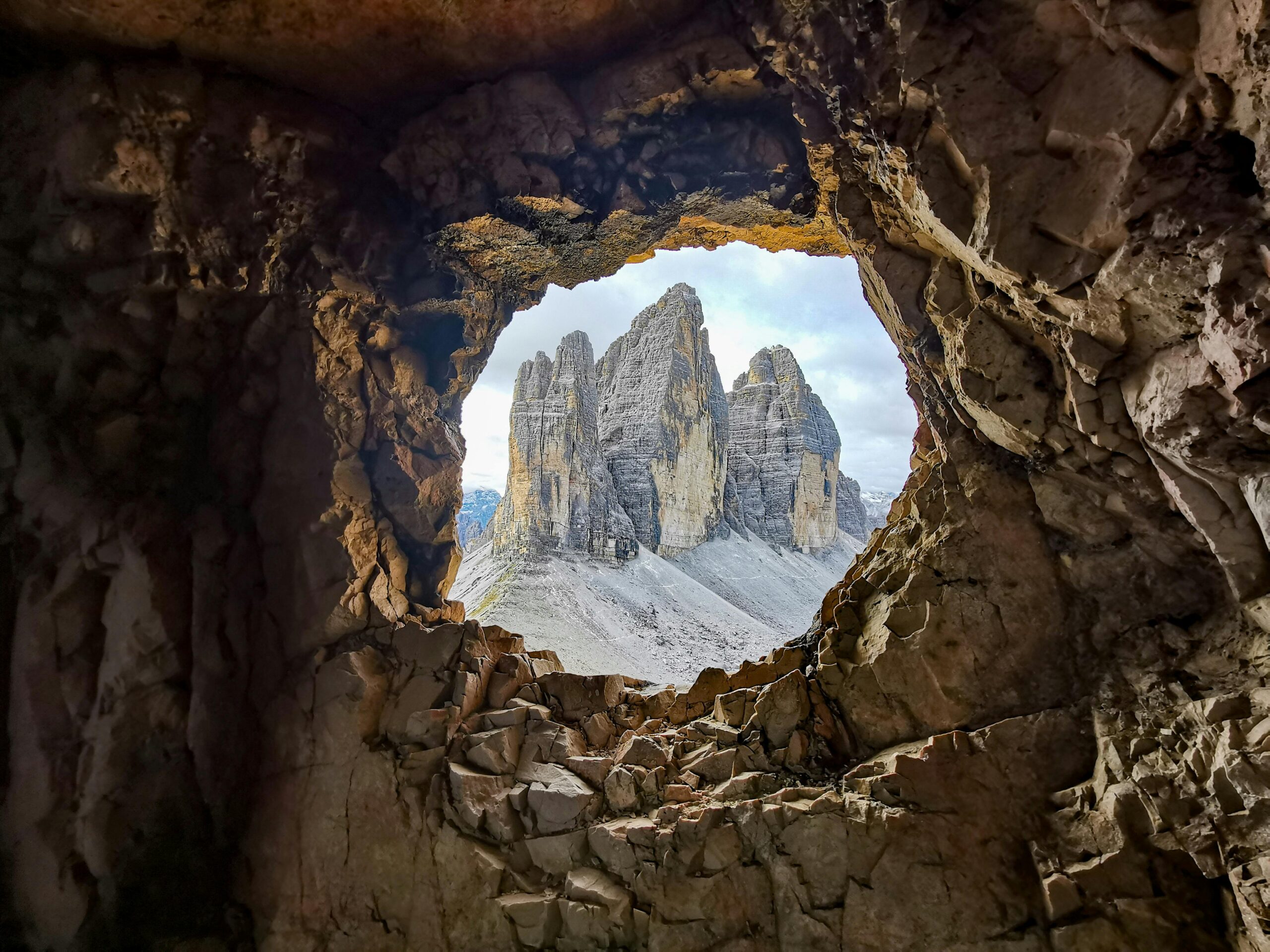
🌟 Embracing the Alpine Oasis Lifestyle
Living in an earth-sheltered mountain home represents more than architectural choice—it embodies a lifestyle philosophy that prioritizes harmony with nature, environmental stewardship, and resilient design. Residents of these alpine oases report high satisfaction levels, citing connection to landscape, energy independence, and year-round comfort regardless of external weather conditions.
The psychological benefits of earth-sheltered mountain living deserve recognition alongside environmental and economic advantages. These homes provide genuine shelter in the most fundamental sense—protection from harsh elements while maintaining visual and physical connection to spectacular natural surroundings. The constant interior temperatures and earth’s protective embrace create feelings of security and comfort.
As global awareness of climate change and resource limitations grows, earth-sheltered architecture in mountainous regions offers proven solutions for sustainable living. These structures demonstrate that human habitation can integrate successfully with sensitive alpine ecosystems, reducing environmental impact while enhancing quality of life. The alpine oasis concept transforms mountain living from an exercise in conquering harsh environments into an opportunity for harmonious coexistence with nature’s most dramatic landscapes.