Mountain communities have mastered the art of building resilient structures for centuries, blending environmental wisdom with architectural innovation to create homes that stand the test of time.

🏔️ The Ancient Wisdom Behind Mountain Architecture
Traditional mountain building techniques represent far more than simple construction methods—they embody generations of accumulated knowledge about surviving and thriving in some of Earth’s most challenging environments. These time-tested practices have evolved through careful observation, trial and error, and an intimate understanding of natural forces that shape mountainous terrain.
The craftspeople who developed these techniques understood something modern builders are only beginning to rediscover: sustainable construction isn’t just about using eco-friendly materials, it’s about creating structures that work in harmony with their surroundings. Mountain builders recognized that fighting against nature was futile; instead, they learned to dance with the elements, creating buildings that could breathe with seasonal changes and flex with geological movements.
These traditional methods prioritized local materials, minimal environmental impact, and designs that could withstand extreme weather conditions ranging from heavy snowfall to fierce winds and seismic activity. The result was architecture perfectly adapted to its environment, requiring minimal maintenance and lasting for generations.
Foundation Principles: Building on Solid Ground
The foundation of any mountain structure begins with understanding the terrain itself. Traditional builders spent considerable time studying the land before breaking ground, observing water flow patterns, soil composition, sun exposure, and wind corridors. This preliminary investigation wasn’t merely practical—it was essential for survival.
Mountain foundations typically employed several key strategies that modern sustainable architecture is now embracing. Stone foundations, set deep into bedrock where possible, provided unmatched stability. These weren’t simply dug and poured; they were carefully positioned to distribute weight across natural load-bearing features of the landscape.
Drainage systems were integrated from the very beginning, recognizing that water management was critical in environments where spring melts could turn gentle slopes into torrents. Traditional builders created elaborate networks of channels and retention areas that directed water away from structures while preventing erosion.
Stone Selection and Placement Techniques
The art of selecting and placing foundation stones required years of apprenticeship. Master builders could identify stones that would withstand freeze-thaw cycles, recognizing subtle variations in rock composition that determined durability. Placement followed principles of interlocking stability, where each stone supported its neighbors in a three-dimensional puzzle that grew stronger under pressure.
These foundations rarely used mortar in the traditional sense. Instead, builders relied on precise shaping and strategic positioning, sometimes using clay-based materials that allowed for minor movements without compromising structural integrity. This flexibility proved crucial in regions prone to earthquakes or gradual soil settlement.
Timber Framing: The Skeleton of Mountain Homes
Wood from mountain forests provided the primary structural material for traditional buildings, but not just any timber would suffice. Builders selected trees based on species, age, growth conditions, and even the season of harvest. Trees grown at higher elevations developed denser wood with tighter grain patterns, making them naturally more resistant to harsh conditions.
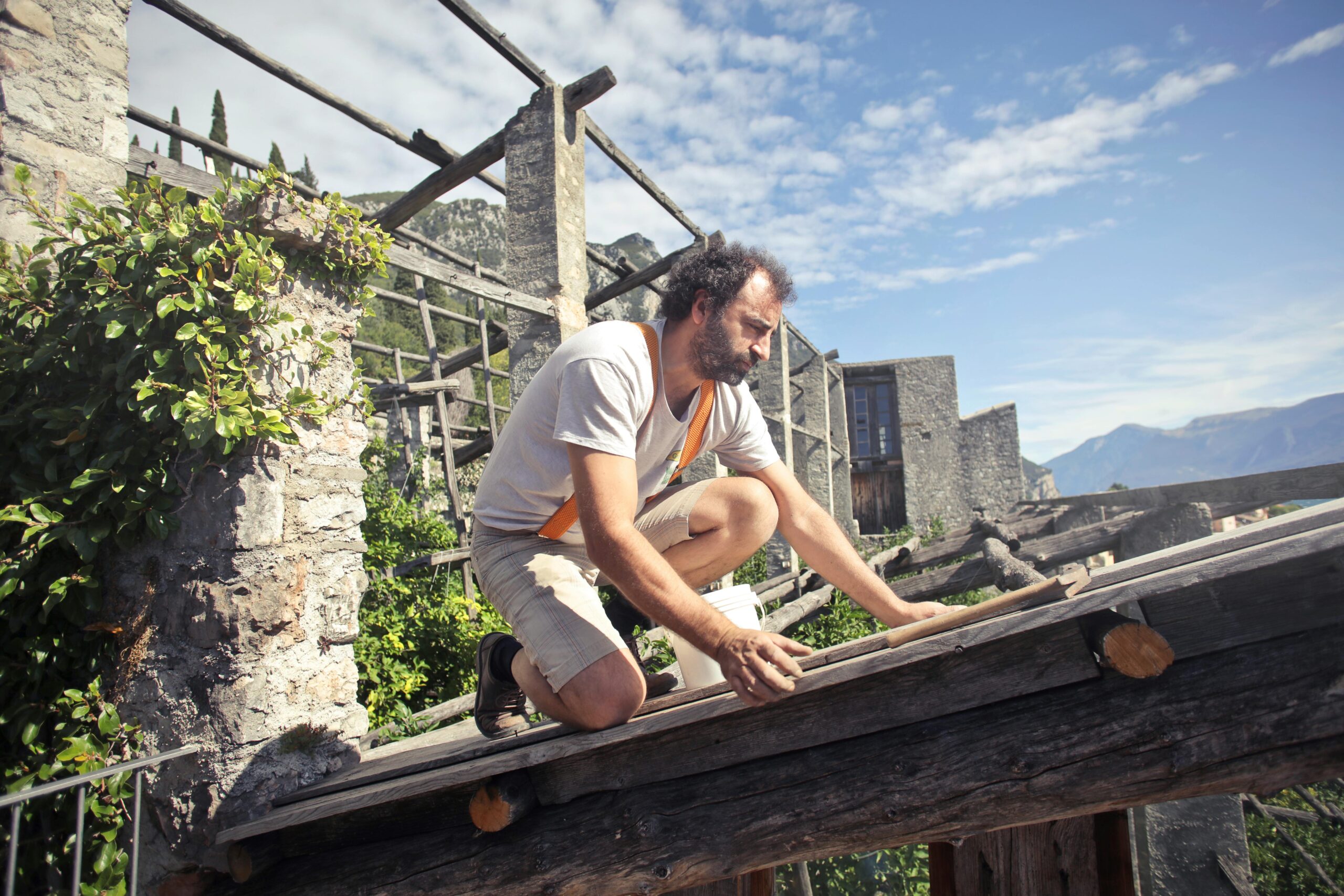
Traditional timber framing techniques employed complex joinery systems that required no nails or metal fasteners. Mortise and tenon joints, dovetails, and lap joints created connections stronger than the wood itself. These joints allowed frames to move slightly during temperature fluctuations and seismic events without failing.
The geometry of timber frames also reflected deep understanding of load distribution. Builders used triangulation extensively, recognizing that triangular configurations were inherently stable and resistant to racking forces. This principle appears in everything from roof structures to wall bracing systems.
Preservation Through Traditional Methods
Protecting timber from moisture, insects, and decay was accomplished through multiple strategies. Wood was air-dried for extended periods, sometimes years, before use. Natural treatments using oils, resins, and smoke curing created protective barriers without toxic chemicals. Proper ventilation was designed into structures, preventing the moisture accumulation that leads to rot.
Overhanging eaves, a hallmark of mountain architecture, served multiple purposes: they shed snow and rain away from walls, provided shaded areas during summer, and created protected outdoor spaces. These features weren’t decorative additions but integral components of the building’s defense system against the elements.
Wall Systems: Thermal Mass and Insulation
Traditional mountain walls balanced multiple competing needs: thermal insulation, structural strength, moisture management, and fire resistance. Different regions developed unique solutions based on available materials and specific climate challenges, but certain principles remained consistent across cultures.
Stone walls, often several feet thick, provided exceptional thermal mass. They absorbed heat during sunny days and released it slowly at night, moderating interior temperatures. In regions with abundant timber, log construction created interlocking walls with natural insulating properties enhanced by careful chinking.
Many traditional techniques employed composite wall systems combining different materials. An outer layer of stone might protect an inner layer of earth or straw-clay mixture, creating walls that were weatherproof, insulating, and fire-resistant. These multi-layer approaches anticipated modern understanding of building envelope performance.
Breathing Wall Technology
Unlike modern vapor barriers that attempt to seal buildings completely, traditional mountain walls were designed to breathe. They allowed water vapor to migrate through wall assemblies while preventing liquid water infiltration. This permeability prevented the moisture accumulation that causes structural damage and unhealthy indoor environments.
Natural materials like lime plasters, clay renders, and wood siding facilitated this vapor exchange while protecting underlying structures. These finishes required periodic maintenance but could be repaired locally using readily available materials, supporting long-term sustainability.
Roofing Solutions for Extreme Conditions ❄️
Mountain roofs face extraordinary demands: heavy snow loads, high winds, intense UV exposure, dramatic temperature swings, and in some regions, seismic forces. Traditional roofing systems met these challenges through thoughtful design and material selection that modern sustainable building practices are rediscovering.
Steep roof pitches, characteristic of mountain architecture, served multiple functions. They shed snow efficiently, preventing dangerous accumulations while directing meltwater away from foundations. Steep pitches also maximized interior space under rooflines, creating valuable storage or living areas.
Traditional roofing materials varied by region but shared common characteristics: durability, local availability, and repairability. Stone slates, wood shingles, and thatch each offered specific advantages when properly installed. The key was understanding material properties and installation techniques that maximized performance.
Structural Considerations for Snow Loads
Traditional builders intuitively understood engineering principles that modern codes now quantify. Roof structures incorporated massive timber members spaced to distribute snow loads safely. Collar ties, king posts, and diagonal bracing created roof frames capable of supporting several feet of wet, heavy snow without deflection.
Snow retention systems, now being reintroduced for safety and energy efficiency, were standard features. Log barriers or strategically placed projections prevented dangerous snow slides while allowing controlled melting. These features protected entryways, windows, and outdoor spaces from sudden snow avalanches.
Passive Climate Control Through Design Intelligence
Traditional mountain buildings achieved remarkable comfort levels without mechanical heating or cooling systems. This wasn’t accidental—it resulted from sophisticated passive design strategies that manipulated sun angles, thermal mass, ventilation, and spatial organization to create naturally comfortable interiors.
Building orientation was carefully considered. Structures typically faced south (in northern hemisphere locations) to maximize solar gain during winter months while careful roof overhangs prevented overheating in summer. Window placement balanced natural lighting needs with thermal performance, often featuring smaller openings on north-facing walls and larger glazing areas facing south.
Interior spaces were organized vertically to exploit natural convection. Living spaces occupied middle levels where temperatures remained most stable. Lower levels, built partially underground, maintained cooler temperatures perfect for food storage. Upper levels, warmed by rising heat, provided comfortable sleeping areas during cold nights.
Thermal Mass and Daily Temperature Cycles
Stone fireplaces and masonry heaters, central features in traditional mountain homes, functioned as thermal batteries. These massive structures absorbed heat from fires and radiated warmth for hours afterward, smoothing out temperature fluctuations and maintaining comfort with minimal fuel consumption.
Thick walls and floors provided additional thermal mass, creating stable interior environments despite extreme exterior temperature swings. This passive temperature regulation reduced heating needs significantly, an energy-saving strategy perfectly aligned with modern sustainability goals.
Water Management: The Lifeblood of Mountain Settlements
Traditional mountain communities developed sophisticated water management systems addressing both supply and drainage. These systems recognized water as simultaneously essential for life and potentially destructive if improperly managed, requiring careful balance and constant attention.
Roof water harvesting systems collected and stored precipitation for household use. Cisterns, often built into foundations or cellars, provided water reserves during dry periods. These systems incorporated filtration through sand and gravel layers, producing surprisingly clean water without modern treatment technologies.
Drainage systems channeled water away from structures using gravity, berms, swales, and underground conduits. Traditional builders understood watershed dynamics, positioning buildings to avoid flood zones while directing runoff to beneficial uses like irrigation or erosion control.
Spring Development and Protection
Natural springs provided reliable water sources for many mountain settlements. Traditional methods for developing springs involved careful excavation and protection structures that maintained flow while preventing contamination. Stone springhouses, built over water sources, provided cool storage spaces while protecting water quality.
These installations demonstrated remarkable hydraulic understanding, using simple technologies to achieve consistent results. Overflow systems, sediment traps, and access designs all reflected generations of refinement and problem-solving.
Material Sourcing: Local Resources and Sustainability
The sustainability of traditional mountain building began with material selection. Builders used resources available within walking distance, minimizing transportation impacts while supporting local economies. This localization created structures that harmonized visually and functionally with their environments.
Timber harvesting followed sustainable forestry principles long before the term existed. Selective cutting maintained forest health while providing building materials. Coppicing techniques encouraged regrowth from stumps, creating renewable wood sources. Trees were often marked years before harvest, allowing builders to plan while ensuring proper seasoning time.
Stone quarrying similarly emphasized minimal environmental impact. Surface stones and field clearing provided abundant materials without extensive excavation. When quarrying was necessary, traditional methods created smaller disturbances that natural processes could heal relatively quickly.
Earth and Clay-Based Materials
Soil-based building materials—adobe, rammed earth, cob, and clay plasters—offered sustainable solutions with minimal processing requirements. These materials provided excellent thermal properties, were completely recyclable, and required only human labor and simple tools for fabrication.
Traditional builders understood soil composition intuitively, knowing which materials would work for structural applications versus finishes. They tested soils through simple methods: feel, workability, and small-scale trials. This empirical knowledge, passed through apprenticeship, proved remarkably accurate.
Community Building and Knowledge Transfer
Traditional mountain construction was inherently communal. Barn raisings, house building parties, and collective projects reinforced social bonds while accomplishing necessary work. This community involvement ensured knowledge transmission and maintained building standards across generations.
Apprenticeship systems trained new craftspeople through hands-on experience under master builders. Learning occurred on actual projects, with increasing responsibility matching growing competence. This educational model produced builders who understood not just techniques but underlying principles, enabling creative problem-solving and adaptation.
Oral traditions, stories, and songs preserved building knowledge. Rhythmic work songs coordinated group efforts while embedding technical information in memorable formats. Stories about building failures and successes served as cautionary tales and aspirational examples, creating cultural memory that guided future construction.
Modern Applications of Ancient Wisdom 🌱
Contemporary sustainable architecture increasingly draws inspiration from traditional mountain building techniques. These time-tested methods offer solutions to modern challenges: climate change, resource scarcity, and the need for resilient infrastructure. The revival isn’t about nostalgia—it’s about recognizing that traditional builders solved problems we’re still grappling with today.
Modern materials science validates many traditional practices. Research confirms that breathing wall assemblies outperform sealed systems in many climates. Studies document the superior seismic performance of flexible timber-frame structures. Analysis proves the thermal efficiency of thick-wall construction and passive solar design.
Integration of traditional techniques with modern technologies creates hybrid approaches combining the best of both worlds. Computer modeling optimizes traditional designs for specific sites. Modern fasteners and adhesives can supplement traditional joinery where appropriate. Engineered timber products extend traditional framing concepts to larger spans and greater loads.
Certification and Building Codes
Incorporating traditional methods into modern construction faces regulatory challenges. Building codes developed around industrial materials and standardized practices often don’t accommodate alternative approaches. Progressive jurisdictions are creating pathways for natural building techniques through performance-based codes and alternative compliance methods.
Green building certifications increasingly recognize traditional practices. Points for local materials, low embodied energy, and passive design strategies reward approaches that traditional mountain builders employed instinctively. This validation helps mainstream sustainable techniques drawn from traditional knowledge.
Preserving Heritage While Building the Future
As interest in sustainable construction grows, preserving traditional mountain building knowledge becomes increasingly urgent. Master craftspeople possessing these skills are aging, and without active knowledge transfer, invaluable wisdom could disappear. Documentation projects, apprenticeship programs, and educational initiatives work to preserve and revitalize these traditions.
Living heritage sites where traditional techniques remain in active use provide laboratories for studying these methods. Research at such locations generates data supporting traditional practices while identifying opportunities for thoughtful modernization. These sites also serve educational functions, allowing architects, builders, and students to observe traditional techniques firsthand.
The revival of traditional building methods supports cultural continuity in mountain communities. When local people build using traditional techniques and materials, they maintain connections to heritage while creating economic opportunities. This cultural sustainability complements environmental sustainability, recognizing that healthy communities need both.
Lessons for a Sustainable Future
Traditional mountain building techniques offer profound lessons extending beyond construction specifics. They demonstrate the possibility of creating comfortable, durable structures with minimal environmental impact using locally available resources. They prove that buildings can work with natural forces rather than against them. They show that craftsmanship and beauty need not be sacrificed to sustainability—indeed, they’re integral to it.
Perhaps most importantly, these traditions remind us that sustainable building isn’t a new invention requiring revolutionary technologies. Humans have built sustainably for millennia; we simply forgot these lessons during an era of cheap energy and abundant resources. As we face climate change and resource limitations, traditional mountain building techniques provide tested solutions waiting to be rediscovered and adapted.
The path forward isn’t about rejecting modern advances but about wisdom: knowing when contemporary technologies improve on traditional methods and when ancient practices remain superior. This balanced approach, respecting both innovation and tradition, offers our best hope for creating truly sustainable built environments that serve current needs without compromising future generations’ ability to meet theirs.
Mountain builders understood something we must relearn: buildings should be part of their landscapes, not impositions upon them. Structures should respond to climate rather than fighting it. Materials should come from nearby and return to earth harmlessly. Construction should build community along with buildings. These principles, perfected over centuries in mountain regions worldwide, chart a course toward sustainable architecture that honors both human needs and planetary boundaries.