
Building in cold climates demands innovative architectural approaches that balance comfort, sustainability, and cost-effectiveness while maintaining optimal energy performance throughout harsh winters.

🏔️ Understanding the Cold Climate Challenge
Cold climate architecture faces unique challenges that set it apart from construction in moderate or warm regions. The fundamental issue revolves around heat retention and energy consumption during extended winter periods. Buildings in these environments can lose up to 60% of their heat through poorly designed envelopes, leading to astronomical energy bills and environmental impacts.
The architectural response to cold climates has evolved dramatically over recent decades. Traditional approaches often relied on massive heating systems and excessive energy consumption. Today’s strategies integrate passive design principles, advanced materials, and intelligent building systems to create structures that work with nature rather than against it.
Understanding thermal dynamics becomes paramount in cold climate design. Heat moves from warm to cold areas through conduction, convection, and radiation. Effective architectural strategies address all three heat transfer methods simultaneously, creating comprehensive solutions that maximize energy savings while maintaining comfortable interior environments year-round.
❄️ The Building Envelope: Your First Line of Defense
The building envelope serves as the primary barrier between interior comfort and exterior cold. This critical system includes walls, roof, foundation, windows, and doors. Each component must perform optimally to prevent heat loss and minimize energy consumption.
Advanced Insulation Technologies
Modern insulation materials have revolutionized cold climate construction. High-performance options include spray foam insulation with R-values exceeding R-50, vacuum insulated panels offering exceptional thermal resistance in minimal thickness, and aerogel products that provide superior performance in space-constrained applications.
The strategic placement of insulation matters as much as the material itself. Continuous insulation eliminates thermal bridges, those problematic areas where heat escapes through structural elements. By wrapping buildings completely in insulation, architects can reduce heat loss by 30-40% compared to conventional cavity insulation alone.
Airtight Construction Principles
Air leakage represents one of the most significant energy losses in cold climate buildings. Even small gaps and cracks allow warm interior air to escape while drawing cold exterior air inside. Achieving airtight construction requires meticulous attention during every construction phase.
Blower door testing has become standard practice for verifying airtightness. Buildings should target air changes per hour (ACH50) of 1.5 or less for optimal performance. This level of airtightness, combined with proper ventilation systems, creates healthy, energy-efficient environments without compromising indoor air quality.
🪟 Window Strategies for Maximum Thermal Performance
Windows present both challenges and opportunities in cold climate design. While they allow beneficial solar heat gain and natural light, they can also become major sources of heat loss if poorly designed or positioned.
Triple-glazed windows with low-emissivity coatings and argon or krypton gas fills offer U-values as low as 0.15, dramatically reducing heat loss compared to standard double-pane units. High-performance window frames made from fiberglass or thermally broken materials prevent frame-related heat transfer.
Strategic window placement maximizes passive solar gain. South-facing windows (in northern hemisphere locations) capture winter sun, reducing heating demands by 15-25%. Minimizing north-facing window area limits heat loss while still providing necessary natural light. East and west windows should be carefully sized to balance daylight needs with thermal performance.
Dynamic Shading and Insulation Systems
Movable insulation systems provide flexibility for windows. Insulated shutters, honeycomb shades, and automated curtain systems allow buildings to capture solar heat during day while minimizing nighttime losses. These dynamic elements can improve window thermal performance by 50% or more during non-daylight hours.
☀️ Harnessing Passive Solar Design
Passive solar design leverages free solar energy for heating, reducing dependence on mechanical systems. This time-tested approach requires careful building orientation, thermal mass integration, and intelligent glazing distribution.
Thermal mass materials like concrete, brick, or stone absorb solar heat during the day and release it slowly overnight. Strategic placement of thermal mass behind south-facing windows maximizes this effect. A properly designed passive solar building can derive 50-70% of its heating needs from solar gain alone.
Overhangs and shading devices prevent summer overheating while allowing winter sun penetration. The geometry depends on latitude—buildings at higher latitudes require different calculations than those in more moderate cold climates. Sophisticated design tools help architects optimize these critical dimensions.
🏠 Form and Orientation Considerations
Building shape significantly impacts energy performance. Compact forms with minimal surface area relative to volume reduce heat loss potential. A cubic or near-cubic shape minimizes exterior wall exposure compared to elongated or complex geometries.
Surface-to-volume ratio calculations guide optimal building massing. Smaller ratios mean less exterior surface through which heat can escape. Multi-story designs typically outperform sprawling single-level structures from an energy perspective, though site-specific factors may influence final decisions.
Site orientation establishes the foundation for energy efficiency. Positioning the longest building axis east-west maximizes south-facing exposure for solar gain while minimizing north-facing cold walls. Wind patterns also factor into orientation decisions—sheltering from prevailing winter winds reduces infiltration and convective heat loss.
🌬️ Ventilation Without Wasting Energy
Maintaining indoor air quality while minimizing heat loss presents a significant challenge. Traditional ventilation simply exhausts warm interior air, wasting valuable energy. Modern solutions recover this energy through heat recovery ventilation (HRV) or energy recovery ventilation (ERV) systems.
HRV systems transfer heat from outgoing stale air to incoming fresh air without mixing the airstreams. These systems can recover 70-95% of heat from exhaust air, dramatically reducing ventilation-related energy losses. In extremely cold climates, HRVs prevent the energy penalty associated with continuous fresh air introduction.
Balanced ventilation systems maintain neutral building pressure, preventing infiltration problems that plague many buildings. Proper system design ensures adequate fresh air delivery to all occupied spaces while maximizing heat recovery efficiency throughout the building.
🔥 Heating System Selection and Integration
Even highly efficient building envelopes require supplemental heating in cold climates. System selection impacts long-term energy consumption, operating costs, and environmental performance.
High-Efficiency Heating Technologies
Modern heating options include condensing boilers with efficiency ratings exceeding 95%, air-source heat pumps that function efficiently even at temperatures below -25°C, ground-source heat pumps that leverage stable earth temperatures, and biomass systems using renewable fuel sources.
Radiant floor heating provides comfortable, efficient heat distribution. By warming occupants directly rather than heating all interior air, radiant systems reduce overall energy consumption while improving comfort. Lower operating temperatures compared to forced-air systems further enhance efficiency.
Zoning and Smart Controls
Multi-zone heating allows targeted temperature control, avoiding energy waste in unoccupied spaces. Smart thermostats learn occupancy patterns and adjust temperatures automatically, optimizing comfort while minimizing energy use. Studies show smart controls can reduce heating energy consumption by 10-15% without compromising comfort.
🏗️ Foundation and Below-Grade Considerations
Foundations and below-grade spaces require special attention in cold climates. Frost penetration, thermal bridging through concrete, and moisture management all impact performance.
Insulating foundations externally prevents thermal bridging and protects waterproofing membranes. Continuous insulation from footing to above-grade walls eliminates cold bridges. Underslab insulation reduces heat loss to the ground—particularly important for heated basement or slab-on-grade designs.
Frost-protected shallow foundations reduce excavation costs while maintaining structural integrity. Strategic insulation placement directs heat into the ground beneath footings, preventing frost heave even with reduced foundation depth. This approach saves construction costs while maintaining energy performance.
📊 Quantifying Energy Performance
Measuring and predicting energy performance allows architects to optimize designs before construction begins. Energy modeling software simulates building performance under various conditions, identifying opportunities for improvement.
| Strategy | Typical Energy Savings | Implementation Cost |
|---|---|---|
| High-performance insulation | 25-35% | Moderate |
| Triple-glazed windows | 15-20% | Moderate-High |
| Airtight construction | 15-25% | Low-Moderate |
| HRV/ERV systems | 20-30% | Moderate |
| Passive solar design | 30-50% | Low |
Performance standards like Passive House provide rigorous benchmarks for cold climate construction. Passive House buildings use up to 90% less heating energy than conventional structures while maintaining superior comfort. Achieving certification requires meeting specific targets for airtightness, thermal bridging, and overall energy demand.
🌱 Sustainable Materials and Life-Cycle Thinking
Material selection impacts both operational energy and embodied carbon. Choosing locally sourced, low-embodied-energy materials reduces environmental impact while often improving regional economic outcomes.
Wood construction offers excellent thermal performance with lower embodied carbon than concrete or steel. Advanced wood products like cross-laminated timber enable efficient multi-story construction while storing atmospheric carbon. Properly detailed wood buildings perform excellently in cold climates when moisture management is addressed.
Life-cycle assessment evaluates total environmental impact from material extraction through demolition. Materials requiring significant manufacturing energy may still prove optimal if operational energy savings over the building’s lifetime offset initial impacts. This holistic perspective guides truly sustainable design decisions.
💡 Integrating Renewable Energy Systems
On-site renewable energy generation complements efficiency strategies, moving buildings toward net-zero energy performance. Solar photovoltaic systems generate electricity even in cold climates—panels actually perform more efficiently in cold temperatures despite shorter daylight periods.
Battery storage systems enable buildings to use solar energy generated during day for evening and nighttime needs. As battery costs decline, economically viable storage solutions expand access to renewable energy benefits in cold climate applications.
Wind energy potential often increases in cold climate regions. Small-scale wind turbines integrated into building design or placed on properties can supplement solar systems, providing energy during low-sun winter periods when heating demands peak.
🔧 Retrofit Strategies for Existing Buildings
Most cold climate buildings exist already, making retrofit strategies essential for widespread energy improvements. Deep energy retrofits can achieve 50-75% energy reductions in existing structures through comprehensive interventions.
Exterior insulation retrofit systems wrap existing buildings in continuous insulation, dramatically improving thermal performance without reducing interior space. Combined with air sealing, window replacement, and mechanical system upgrades, these retrofits transform energy performance.
Phased retrofit approaches spread costs over time while still achieving significant improvements. Prioritizing measures with best cost-benefit ratios allows building owners to make progress within budget constraints. Even partial improvements generate measurable energy savings and comfort benefits.
🎯 Cost-Benefit Analysis and Financial Incentives
Understanding economic implications helps stakeholders make informed decisions. While high-performance cold climate construction may increase upfront costs by 5-15%, operational savings typically provide payback periods of 7-12 years, with benefits continuing for the building’s lifetime.
Many jurisdictions offer financial incentives for energy-efficient construction. Tax credits, rebates, and preferential financing programs reduce effective costs. Utility company programs may provide additional support for efficiency measures that reduce peak demand.
Energy modeling combined with financial analysis reveals optimal investment strategies. Identifying the most cost-effective combination of measures maximizes return on investment while achieving ambitious energy targets.
❄️ Future-Proofing Cold Climate Design
Climate change affects cold regions, with warming trends and changing precipitation patterns. Forward-thinking design anticipates these shifts, creating resilient buildings that perform well under evolving conditions.
Flexible mechanical systems adapt to changing climate conditions. Designing for current extremes while anticipating warmer average temperatures ensures long-term performance. Integrated cooling capacity addresses potential future overheating risks in super-insulated buildings.
Monitoring and optimization systems enable buildings to improve performance over time. Real-time energy tracking identifies inefficiencies, while automated controls adapt to changing conditions. This continuous improvement approach maximizes efficiency throughout the building’s operational life.
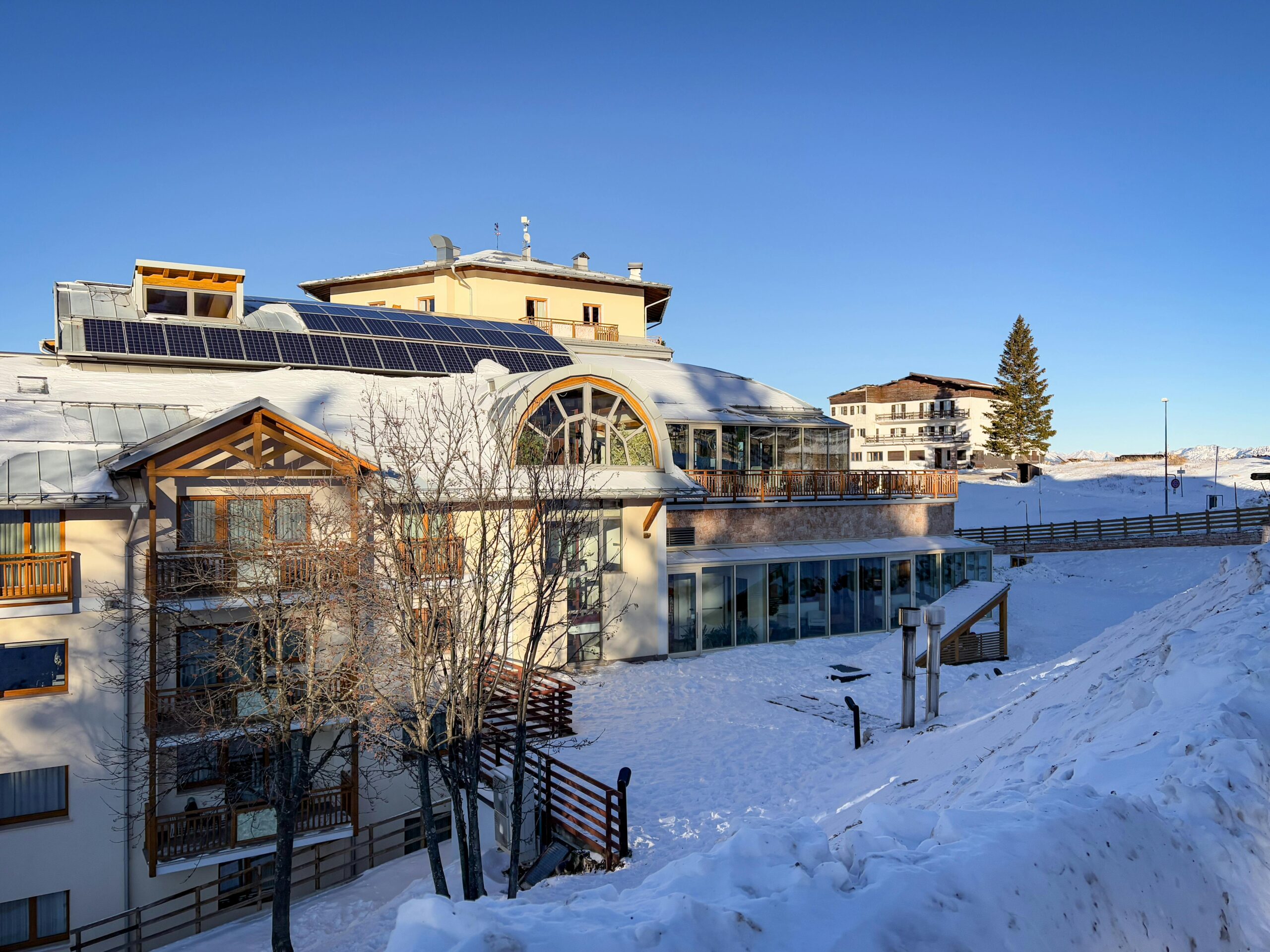
🌟 Excellence in Cold Climate Architecture
Achieving optimal energy savings in cold climates requires integrating multiple strategies into cohesive architectural solutions. No single measure provides complete answers—successful projects combine building envelope optimization, passive design principles, efficient systems, and intelligent controls.
The path forward embraces innovation while respecting fundamental thermal principles. Advanced materials and technologies enhance traditional design wisdom, creating buildings that shelter occupants comfortably while minimizing environmental impact. Every design decision—from site orientation to window specification to heating system selection—contributes to overall performance.
Cold climate architecture exemplifies how constraints inspire creativity. The demanding environment pushes designers toward elegant solutions that deliver comfort, efficiency, and beauty simultaneously. These strategies prove that sustainability and quality need not conflict but rather reinforce one another.
As energy costs rise and climate concerns intensify, efficient cold climate design transitions from optional to essential. Buildings constructed today will operate for decades—investing in performance now yields benefits far into the future. The architectural strategies outlined here provide proven pathways toward that high-performance future, creating comfortable, affordable, and sustainable buildings regardless of how cold winter becomes.