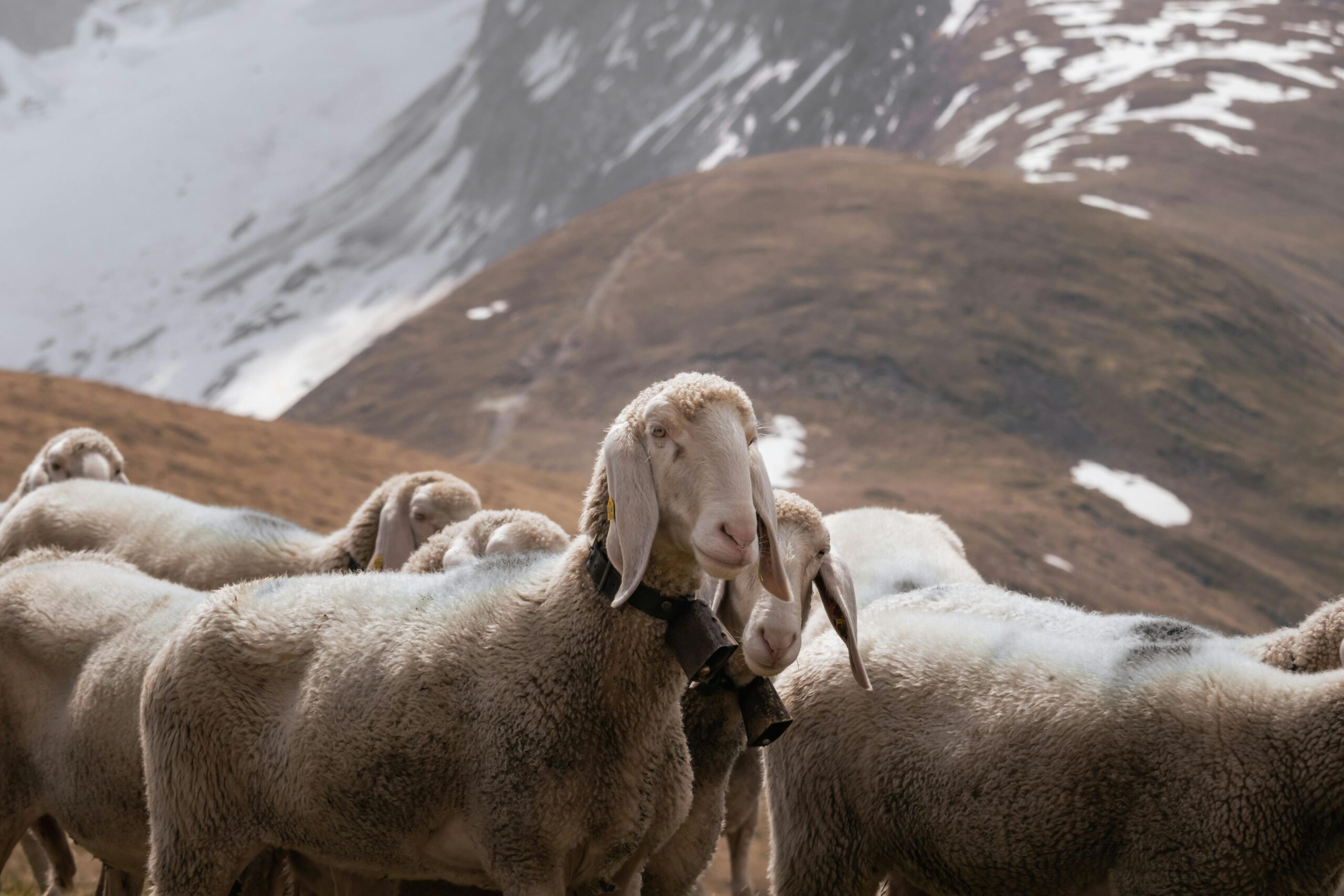
Surviving and thriving in cold mountain environments requires mastering one critical skill: moisture control. This comprehensive guide reveals expert techniques for conquering challenging alpine conditions.

❄️ The Hidden Danger: Why Moisture Is Your Greatest Enemy in the Mountains
When most people think about cold mountain survival, they immediately focus on temperature. However, experienced mountaineers and outdoor experts know that moisture management is actually the most critical factor determining success or failure in alpine environments. Wet clothing loses up to 90% of its insulating properties, turning your protective layers into a dangerous liability that can lead to hypothermia in minutes.
Understanding moisture dynamics in cold mountain settings goes beyond simply avoiding rain. Your body constantly produces perspiration during physical exertion, ambient humidity fluctuates with altitude changes, and environmental moisture from snow, ice, and condensation creates multiple challenges. Each of these factors requires specific strategies and expert techniques to manage effectively.
The consequences of poor moisture control extend beyond discomfort. Wet conditions accelerate heat loss through conduction and evaporation, increase energy expenditure as your body works harder to maintain core temperature, and create conditions for frostbite, trench foot, and other cold-weather injuries. Mastering moisture control isn’t just about comfort—it’s about survival.
🌡️ Understanding the Science Behind Mountain Moisture Dynamics
Cold mountain environments present unique moisture challenges that differ significantly from lowland conditions. As altitude increases, atmospheric pressure decreases, affecting how moisture behaves and how your body responds to environmental stressors. This creates a complex interplay between temperature, humidity, exertion levels, and equipment performance.
The Altitude-Moisture Connection
At higher elevations, the air becomes exponentially drier due to reduced atmospheric pressure. This creates a deceptive situation where you might not feel wet from external sources, but your body loses moisture rapidly through respiration and insensible perspiration. For every 1,000 feet of elevation gain, the air’s capacity to hold moisture decreases approximately 3-5%, meaning you’re constantly losing water vapor to the atmosphere.
Simultaneously, physical exertion in thin air requires increased respiratory rates, further accelerating moisture loss. Mountain climbers can lose 2-4 liters of fluid daily just through breathing in extreme alpine conditions. This internal moisture loss must be managed alongside external wetness from precipitation and snow contact.
Temperature Gradients and Condensation
The dramatic temperature differences between your warm body and the frigid mountain environment create constant condensation challenges. Warm, moist air from your skin meets cold fabric layers, forming water droplets that accumulate in clothing fibers. This phenomenon becomes particularly problematic during high-exertion activities followed by rest periods, when your metabolic heat production drops but accumulated moisture remains.
Understanding vapor pressure gradients—the movement of moisture from high concentration areas to low concentration areas—is essential for effective layering strategies. Moisture always travels toward colder areas, which in mountain environments means it moves outward from your body through clothing layers until it either escapes or condenses in the outer layers.
⛰️ The Foundation: Selecting Moisture-Resistant Base Layers
Your first line of defense against moisture problems begins with proper base layer selection. These garments directly contact your skin and must perform the critical function of moving perspiration away from your body while providing thermal insulation. The wrong choice here compromises your entire clothing system, regardless of how excellent your outer layers might be.
Material Science: What Works and What Fails
Natural merino wool remains the gold standard for cold mountain base layers because of its unique fiber structure. The crimped nature of wool fibers creates air pockets that maintain insulation even when wet, while the hydrophilic core absorbs moisture vapor and the hydrophobic outer surface resists liquid water. Quality merino can absorb up to 30% of its weight in moisture while still feeling relatively dry against skin.
Synthetic materials like polyester and polypropylene offer different advantages, particularly in extreme cold where even minimal moisture retention becomes problematic. These hydrophobic fabrics repel water completely, wicking moisture to the outer surface where it evaporates. The trade-off is less odor resistance and reduced comfort in variable temperature conditions.
Cotton and cotton blends represent the most dangerous choice for mountain environments. Cotton fibers swell when wet, holding moisture against your skin while losing virtually all insulating capacity. Even small amounts of cotton in blended fabrics create significant problems in cold conditions. The old mountaineering saying “cotton kills” reflects decades of hard-learned lessons.
🧥 Mastering the Art of Strategic Layering
Effective moisture control in mountains requires understanding and implementing proper layering systems. The traditional three-layer approach—base, insulation, and shell—provides a framework, but expert moisture management demands more nuanced strategies adapted to specific conditions and activity levels.
The Dynamic Insulation Layer
Your middle insulation layer must balance warmth retention with breathability. Synthetic insulated jackets using PrimaLoft or similar materials maintain loft when damp and dry quickly, making them ideal for high-output activities. Down insulation provides superior warmth-to-weight ratios in dry conditions but becomes nearly useless when wet, requiring careful moisture management and water-resistant treatments.
Fleece garments occupy a middle ground, offering good breathability for active pursuits while maintaining reasonable insulation when damp. Grid-fleece designs enhance moisture transport by creating air channels while reducing fabric contact with skin. The key is matching insulation weight and breathability to your anticipated activity level and environmental conditions.
The Critical Shell Layer Decision
Your outer shell layer represents the final barrier between your body’s microclimate and harsh mountain conditions. Waterproof-breathable fabrics using technologies like Gore-Tex, eVent, or proprietary membranes attempt to solve the fundamental challenge: blocking external moisture while allowing internal moisture vapor to escape.
Understanding breathability ratings helps select appropriate shells. Fabrics rated at 20,000+ grams per square meter per 24 hours (g/m²/24hr) provide excellent moisture vapor transmission for high-intensity activities, while lower ratings of 10,000-15,000 g/m²/24hr work adequately for moderate exertion levels. However, no current technology fully eliminates condensation during intense exercise in very cold conditions.
💧 Active Moisture Management Techniques During Mountain Activities
Static gear selection provides the foundation, but expert moisture control requires active management throughout your mountain activities. Successful alpinists constantly adjust their systems based on changing conditions, exertion levels, and environmental factors.
The “Stay Cool” Principle
Counterintuitively, staying slightly cool during exertion represents one of the most effective moisture control strategies. Many inexperienced mountain travelers overdress during active phases, causing excessive sweating that saturates clothing layers. Expert mountaineers often feel slightly chilly when beginning physical activity, knowing their metabolic heat will soon bring them to optimal temperature.
This approach requires discipline and experience to implement correctly. You must learn to distinguish between the temporary discomfort of being slightly cool and the dangerous cold that signals inadequate insulation. The guideline is simple: if you’re comfortably warm while moving in cold mountains, you’re wearing too much and will soon be wet.
Ventilation: The Underutilized Tool
Modern outdoor clothing incorporates numerous ventilation features—pit zips, chest vents, back vents, and leg zippers—designed to dump excess heat and moisture during high-output activities. Using these features aggressively before you start sweating prevents moisture accumulation rather than attempting to manage it after saturation occurs.
Opening vents creates chimney effects where warm, moist air rises and escapes from upper openings while cooler, dry air enters at lower points. This air circulation dramatically increases moisture evacuation rates compared to relying solely on fabric breathability. During ascents, consider opening vents completely and tolerating some cold air infiltration to prevent sweat accumulation.
🏔️ Camp-Based Moisture Control Strategies
Moisture management challenges intensify during rest periods when metabolic heat production drops but accumulated dampness remains. Expert techniques for base camp and bivouac situations differ significantly from active movement strategies.
The Evening Clothing Transition
Establishing a systematic routine for transitioning from active to camp clothing prevents the common mistake of cooling down in damp layers. Immediately upon reaching camp, change out of potentially damp base layers into completely dry clothing kept reserved specifically for camp use. This separation between “active” and “camp” clothing systems is non-negotiable for extended mountain trips.
Store your dry camp clothing in waterproof stuff sacks or dry bags, positioned in the center of your pack where body heat and pack compression provide additional moisture protection. Many mountaineers keep these items in their sleeping bag stuff sack for maximum protection. The slight inconvenience of strict separation pays enormous dividends when you have guaranteed dry clothing each evening.
Drying Techniques in Sub-Zero Conditions
Drying wet gear in freezing temperatures requires understanding sublimation—the process where frozen moisture transitions directly to vapor without becoming liquid. Hang damp items in areas with good air circulation, fully extended to maximize surface area. Surprisingly, frozen items often dry more effectively than damp ones because ice crystals sublimate readily in dry mountain air.
Body heat drying represents another valuable technique where slightly damp items are placed inside your sleeping bag, positioned strategically to dry without creating excessive moisture inside the bag. Socks, gloves, and thin base layers work well for this method, though truly wet items should never enter your sleeping bag as they’ll create more problems than they solve.
🧤 Extremity Protection: Hands, Feet, and Face
Your extremities face the greatest moisture challenges in cold mountains due to limited circulation, contact with snow and ice, and the difficulty of maintaining adequate vapor transmission in thick protective layers.
The Hand Protection Dilemma
Hands require dexterity for technical tasks while needing protection from cold and moisture. The mittens-versus-gloves debate continues, but expert mountaineers typically use a combination approach: lightweight glove liners for dexterity during technical work, insulated gloves for moderate conditions, and waterproof mittens for severe weather or rest periods.
Moisture accumulates rapidly in hand protection due to high sweat gland density in palms and fingers. Carrying multiple pairs of gloves in different weights allows rotation as items become damp. Synthetic insulation in gloves outperforms down for this application because hand protection almost inevitably gets wet from handling snow or condensation.
Foot Care and Vapor Barrier Systems
Feet produce significant moisture through perspiration—up to one cup per day per foot—creating substantial challenges for boot insulation systems. Traditional approaches use moisture-wicking sock systems, but expert mountaineers increasingly employ vapor barrier liner (VBL) socks for extended cold expeditions.
VBL socks create a waterproof barrier between your skin and insulation layers, containing foot moisture against the skin where it cannot migrate into boots and freeze. This counterintuitive approach keeps feet damp but warm, preventing the accumulation of ice in boots during multi-day trips. The system requires adaptation and isn’t suitable for everyone, but it revolutionizes moisture management on serious expeditions.
🎒 Equipment Care and Moisture Prevention
Proper equipment maintenance and storage practices prevent moisture problems before they start. Small habits implemented consistently make enormous differences in long-term gear performance and reliability.
Pack Organization for Moisture Protection
Internal pack organization should follow moisture-protection principles: critical items like sleeping bags, electronics, and reserve clothing in waterproof dry bags or stuff sacks; intermediate items in the pack’s main compartment protected by the pack’s rain cover; items that can tolerate moisture like cookware and fuel in exterior pockets for easy access.
Even “waterproof” packs allow moisture infiltration through seams, zippers, and compression under wet snow weight. Relying solely on pack waterproofing courts disaster. Multiple-barrier systems using stuff sacks inside waterproof compression sacks inside pack compartments provide redundant protection.
Sleeping Bag Moisture Management
Your sleeping bag represents your most critical comfort and safety equipment, making moisture protection paramount. Down sleeping bags suffer catastrophic loft loss when wet, while synthetic bags maintain reasonable insulation but still perform much better when dry. Never store bags in stuff sacks when not in use—compression prevents loft recovery and traps residual moisture.
During multi-day trips, air your sleeping bag whenever possible by draping it inside your tent during the day or hanging it from external pack attachment points during clear weather breaks. Solar radiation provides effective moisture removal even in cold temperatures. At night, keep your face outside the sleeping bag opening to prevent breath moisture from condensing inside the bag.
🌨️ Weather Reading and Adaptive Planning
Expert moisture control extends beyond gear and technique to include weather awareness and adaptive planning. Understanding mountain meteorology allows proactive adjustments before moisture problems develop.
Recognizing Moisture-Generating Conditions
Certain weather patterns create particularly challenging moisture conditions. Temperature inversions, where warmer air overlays cold air, trap moisture at specific elevation bands. Approaching warm fronts bring precipitation preceded by increasing humidity. Rapid weather clearing after storms creates high sublimation rates that can actually aid drying efforts.
Learn to recognize cloud formations, wind patterns, and pressure changes that indicate moisture-related weather developments. Lenticular clouds signal strong winds and potential precipitation. Increasing winds from the south or southwest in northern hemisphere mountains often precede moisture-laden systems. Falling barometric pressure warns of approaching weather systems, allowing time to prepare gear and shelter.

🔥 Final Thoughts on Mountain Moisture Mastery
Conquering cold mountain environments through expert moisture control synthesizes knowledge, gear selection, active management techniques, and constant vigilance. Success doesn’t come from any single piece of equipment or isolated technique, but rather from the integrated application of principles adapted to specific conditions.
The journey from novice to expert moisture manager requires experience gained through both successes and failures. Each mountain trip provides learning opportunities about how your body responds to cold, how your gear performs in real conditions, and how environmental factors interact. Keep detailed notes about what worked and what didn’t, building a personal knowledge base that guides future decisions.
Remember that moisture control strategies must adapt to specific circumstances. A technique perfect for a day hike in the Cascades might prove disastrous on a multi-week Himalayan expedition. Consider activity duration, temperature ranges, precipitation likelihood, group size, and individual physiology when planning your moisture management approach.
The mountaineering community continues developing new materials, techniques, and understanding about moisture dynamics in cold environments. Stay current with gear developments, but remember that fundamental principles—staying cool during exertion, aggressive ventilation use, system layering, and equipment separation—remain constant regardless of technological advances.
Invest time in mastering moisture control, and the mountains will reward you with safer, more comfortable, and ultimately more successful adventures. The difference between a transformative mountain experience and a survival ordeal often comes down to something as seemingly simple as staying dry. Master this critical skill, and you’ll have conquered one of the most challenging aspects of cold mountain environments.