Imagine waking up to pristine mountain air, complete silence broken only by birdsong, and total independence from utility bills and urban chaos.

Off-grid mountain living represents more than just a lifestyle change—it’s a fundamental shift toward self-sufficiency, environmental consciousness, and reconnection with nature. As modern society becomes increasingly connected yet paradoxically disconnected from the natural world, thousands are discovering the profound satisfaction of creating sustainable mountain retreats powered by innovative housing systems designed specifically for remote locations.
The appeal of escaping the grid has never been stronger. Rising energy costs, environmental concerns, and the desire for authentic experiences are driving a renaissance in off-grid living. But today’s mountain homesteaders aren’t roughing it in primitive cabins—they’re embracing cutting-edge technology that makes remote living comfortable, sustainable, and surprisingly luxurious.
🏔️ Why Mountain Off-Grid Living Captures Our Imagination
Mountains have always held a special place in human consciousness. They represent challenge, beauty, and solitude—qualities increasingly precious in our hyperconnected world. Off-grid mountain living combines this timeless appeal with modern sustainability principles, creating a lifestyle that’s both primal and progressive.
The psychological benefits are substantial. Studies consistently show that people living closer to nature experience reduced stress levels, improved mental health, and enhanced overall well-being. When you add the satisfaction of energy independence and reduced environmental impact, the appeal becomes irresistible for many seeking meaningful change.
Financial considerations also play a significant role. While initial setup costs for off-grid systems require investment, the long-term savings are remarkable. Eliminating monthly utility bills, reducing dependence on fluctuating energy markets, and building equity in land that typically appreciates creates a compelling economic argument alongside the lifestyle benefits.
Revolutionary Housing Systems Designed for Remote Terrain
Modern off-grid housing has evolved dramatically from the rustic cabins of previous generations. Today’s innovative systems combine architectural ingenuity with sustainable technology to create homes that function seamlessly in challenging mountain environments.
Modular and Prefabricated Solutions
Modular housing systems have transformed what’s possible in remote locations. These engineered structures arrive in sections that can be transported via narrow mountain roads and assembled on-site with minimal environmental disruption. Advanced prefabrication ensures quality control while dramatically reducing construction time—critical when working in mountain climates with limited building seasons.
The beauty of modular systems lies in their adaptability. Whether you need a compact 400-square-foot retreat or a spacious 2,000-square-foot family home, modular construction scales to meet your needs. Many systems allow for future expansion, letting your mountain home grow as your requirements evolve.
Shipping Container Conversions
Repurposed shipping containers have emerged as surprisingly elegant off-grid housing solutions. Their structural integrity makes them ideal for mountain environments where snow loads and wind resistance matter. Modern container homes bear little resemblance to their industrial origins, featuring expansive windows, open floor plans, and sophisticated insulation systems.
Container homes excel in remote settings because they arrive as weatherproof shells requiring primarily interior finishing. This dramatically reduces the materials that must be transported to isolated sites. Strategic placement and stacking create multi-level designs that maximize views while minimizing the building footprint.
Earthship and Earth-Sheltered Designs
Earth-integrated architecture takes advantage of the mountain itself as a thermal mass regulator. Partially buried structures maintain remarkably stable temperatures year-round, reducing heating and cooling demands to minimal levels. These designs work with the landscape rather than against it, creating homes that feel like natural extensions of their environment.
Earthship principles incorporate recycled materials, passive solar design, and integrated growing systems. The thick walls provide exceptional insulation while thermal mass stabilizes interior temperatures. When properly oriented, these homes capture winter sun for warmth while remaining cool during summer months.
⚡ Power Systems That Actually Work in Mountain Conditions
Energy independence forms the foundation of successful off-grid living. Mountain locations present unique challenges and opportunities for power generation that require thoughtful system design.
Solar Energy in Alpine Environments
Mountains offer exceptional solar potential despite common misconceptions. Higher elevations mean thinner atmosphere and increased solar radiation. Snow-covered surroundings create reflective surfaces that boost panel efficiency. Modern photovoltaic systems generate substantial power even during winter months when positioned and angled correctly.
Battery storage technology has revolutionized solar reliability. Lithium-ion battery banks store excess generation for use during cloudy periods or nighttime. Properly sized systems provide consistent power year-round, even in locations with significant seasonal variation. Smart inverters and charge controllers optimize system performance while protecting components from mountain weather extremes.
Wind Power Integration
Mountain ridges and passes naturally concentrate wind, creating ideal conditions for small-scale wind generation. Modern residential wind turbines operate quietly and efficiently at lower wind speeds than earlier models. When combined with solar panels, wind turbines provide complementary power generation—often producing electricity when solar panels cannot.
Hybrid systems that integrate both solar and wind create remarkably resilient power solutions. Cloudy, stormy weather that reduces solar output typically brings wind for turbines. This natural complementarity provides more consistent power than either system alone.
Micro-Hydro Possibilities
Properties with year-round water flow possess a tremendous off-grid advantage. Micro-hydro systems generate continuous electricity from even modest streams, providing baseload power that solar and wind cannot match. A small stream with adequate vertical drop can power an entire mountain home 24/7 with minimal environmental impact.
Micro-hydro requires careful site assessment and proper permitting, but offers unmatched reliability and efficiency. Systems range from simple installations producing a few hundred watts to sophisticated setups generating several kilowatts continuously.
💧 Water Solutions for Mountain Independence
Water availability and quality management are critical considerations for off-grid mountain properties. Fortunately, mountains typically offer abundant water resources when properly captured and treated.
Spring and Well Water Development
Natural springs provide the ideal off-grid water source—gravity-fed, continuous flow requiring minimal energy. Professional spring development involves protecting the source, installing collection systems, and creating storage that maintains water quality. Many mountain properties include springs that previous landowners never fully developed.
Drilled wells offer reliable water access when springs aren’t available. Modern drilling technology reaches productive aquifers even in challenging geology. Solar-powered well pumps eliminate ongoing energy costs while providing dependable water supply.
Rainwater Harvesting Systems
Mountain climates often provide substantial precipitation, making rainwater harvesting a valuable supplementary or primary water source. Properly designed collection systems capture runoff from roofs and other surfaces, directing it through filtration into storage tanks. Modern filtration and UV treatment make rainwater safe for all household uses.
Storage capacity should match both collection potential and consumption patterns. Many systems incorporate multiple tanks providing backup capacity during dry periods. Placement considerations include freeze protection, gravity-fed distribution, and maintenance access.
Greywater Recycling and Blackwater Management
Water conservation extends beyond collection to include reuse systems. Greywater from sinks, showers, and laundry contains valuable nutrients that can irrigate landscaping after proper treatment. Simple filtration and distribution systems significantly reduce total water consumption.
Composting toilet systems eliminate water waste associated with conventional flush toilets while creating valuable soil amendments. Modern designs operate odor-free and maintenance-free, representing a substantial improvement over primitive outhouse alternatives.
🌡️ Climate Control Without Grid Connection
Maintaining comfortable temperatures in mountain environments requires thoughtful design rather than brute-force heating and cooling. The most successful off-grid homes incorporate multiple passive and active strategies.
Passive Solar Design Principles
Proper orientation and window placement harness the sun’s energy for natural heating. South-facing windows (in the Northern Hemisphere) capture low-angle winter sun while overhangs shade against high summer sun. Thermal mass flooring and walls store heat during the day and release it gradually overnight.
Insulation standards for off-grid homes exceed conventional construction requirements. High-performance insulation in walls, floors, and roofs minimizes heat loss, reducing heating demands to levels easily met by efficient wood stoves or small backup heaters. Air-sealing prevents infiltration that undermines insulation effectiveness.
Wood Heat and Backup Systems
Modern wood stoves bear little resemblance to smoky, inefficient stoves of the past. High-efficiency models extract maximum heat from fuel while producing minimal emissions. Many mountain homesteaders harvest deadfall timber from their own land, creating truly renewable heating fuel at no cost.
Propane or diesel heaters provide backup heat for extended absences or extreme cold snaps. Minimal fuel consumption makes infrequent tank refills manageable even in remote locations. Radiant floor heating powered by solar-thermal systems offers luxurious comfort while maintaining off-grid independence.
📡 Connectivity Options for Remote Mountain Living
Off-grid doesn’t necessarily mean disconnected from communication and internet access. Modern technology enables reliable connectivity even in extremely remote locations, letting you maintain professional activities or simply stay in touch with distant loved ones.
Satellite internet services have evolved dramatically, with new low-earth-orbit constellations providing broadband speeds comparable to urban connections. Systems require minimal power and function reliably regardless of terrain or weather conditions. While subscription costs exceed traditional internet, the service enables full connectivity from virtually anywhere.
Cellular signal boosters amplify weak signals from distant towers, often providing usable service in locations where phones indicate no connection. Directional antennas positioned on high points can capture signals from towers dozens of miles away, routing them to interior repeaters that create local coverage.
🏗️ Building Your Mountain Dream: Practical Implementation
Transitioning from inspiration to reality requires careful planning and execution. Successful off-grid projects follow systematic approaches that address the unique challenges of mountain construction while maintaining flexibility for inevitable surprises.
Property Selection and Site Assessment
Location determines the feasibility and cost of your off-grid project. Ideal properties offer southern exposure for solar gain, adequate water resources, buildable terrain, and legal access. Zoning regulations and building codes vary dramatically by jurisdiction—some counties embrace off-grid living while others impose restrictions that make it impractical.
Professional site assessment evaluates solar potential, wind resources, water availability, soil conditions, and access logistics. This information guides system sizing and housing selection, preventing expensive mistakes. Many mountain properties include multiple potential building sites with significantly different characteristics.
Phased Development Approaches
Smart builders often implement phased development strategies. Initial phases might include road access, well drilling, and small temporary structures. This allows you to experience the property through seasons before committing to final home placement and design. Temporary structures can later serve as guest quarters, workshops, or storage.
Phased approaches also spread costs over time and allow for adjustments based on actual experience rather than assumptions. Living on-site during development provides invaluable insights into sun patterns, wind exposure, water behavior, and practical access considerations.
Working with Specialized Contractors
Off-grid construction requires expertise beyond conventional building. Seek contractors with demonstrated mountain and off-grid experience. References from satisfied clients provide better information than marketing claims. The best contractors understand the unique challenges of remote construction and design systems appropriate for conditions.
Owner-builder approaches can significantly reduce costs for those with appropriate skills and available time. However, certain elements—electrical systems, water development, and structural engineering—benefit from professional expertise even in otherwise DIY projects.
🌱 Living Harmoniously with Mountain Ecosystems
Successful off-grid mountain living requires understanding and respecting the ecosystems you inhabit. Wildlife considerations, fire management, and environmental stewardship aren’t optional extras but fundamental aspects of sustainable remote living.
Wildlife-aware design includes proper food storage, waste management, and landscaping choices that don’t create conflicts with bears, mountain lions, and other large animals. Electric fencing protects gardens and small livestock while respecting wildlife territories. Many mountain homesteaders find that wildlife observation becomes one of the greatest pleasures of their new lifestyle.
Fire risk management shapes every decision from building materials to defensible space maintenance. Mountain properties in fire-prone regions require ongoing vegetation management and fire-resistant construction. These measures protect both your investment and surrounding wildlands.
The Investment: Real Numbers for Real Projects
Understanding the financial requirements helps transform dreams into achievable plans. Off-grid mountain homes span enormous cost ranges depending on size, systems, location, and finish level.
Basic off-grid cabins using simple systems can be built for $50,000-$100,000 including land in affordable regions. Mid-range projects with quality systems and comfortable sizing typically run $150,000-$300,000. Luxury off-grid homes with extensive systems and high-end finishes reach $400,000 and beyond.
System costs break down approximately as follows: Solar power systems range from $15,000-$50,000 depending on capacity. Water development varies from $5,000 for simple spring systems to $30,000+ for deep wells. Septic systems designed for mountain conditions cost $10,000-$25,000. These figures provide rough guidance—actual costs depend heavily on site-specific conditions and local requirements.
🎯 Your Path Forward: From Dream to Reality
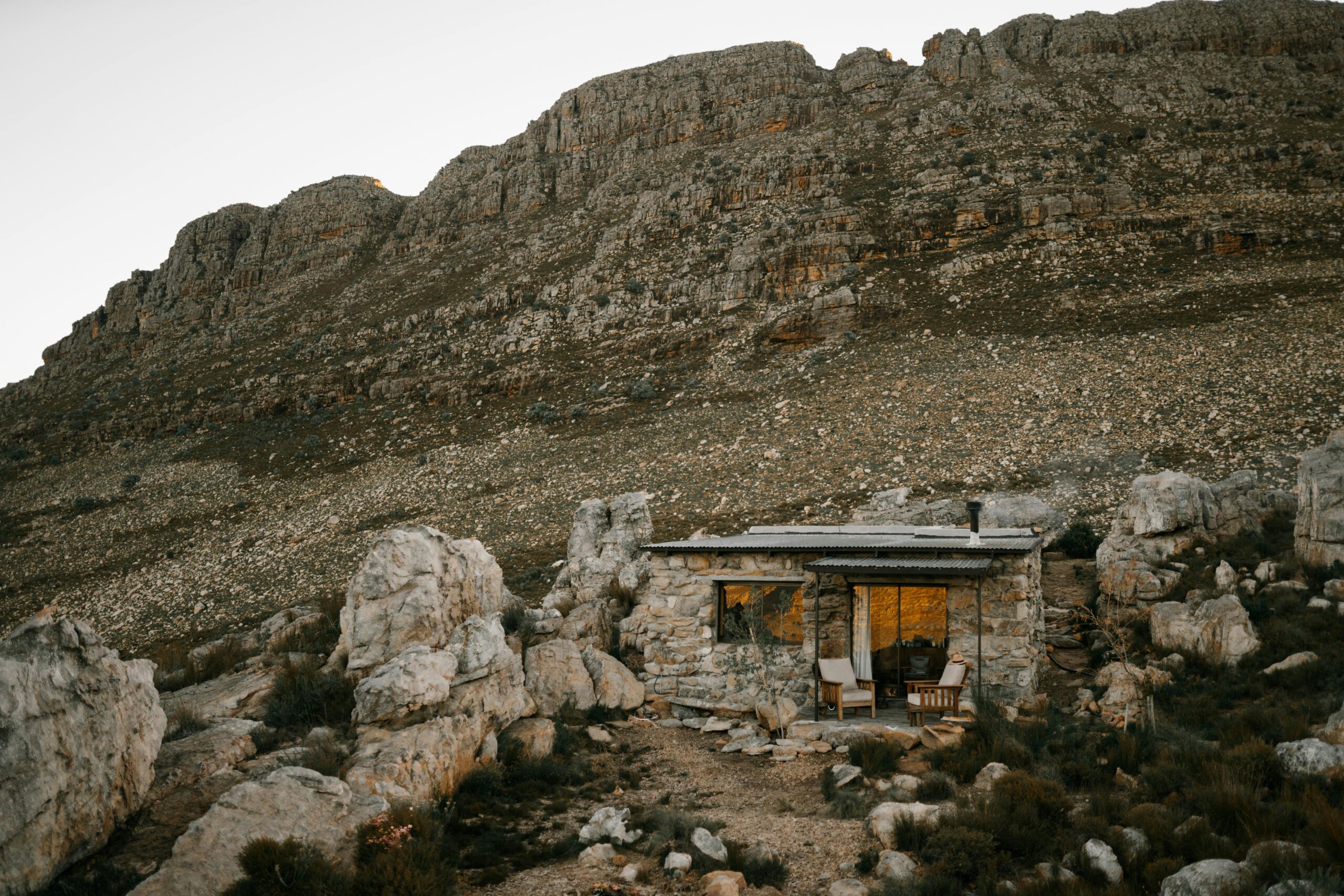
The journey to off-grid mountain living begins with education and careful planning but ultimately requires the courage to act. Thousands have successfully made this transition, discovering that the challenges pale beside the rewards of independent, sustainable living in spectacular natural settings.
Start by visiting existing off-grid properties and talking with people already living the lifestyle. Their practical insights reveal both the realities and possibilities more effectively than any article. Many off-grid communities welcome visitors interested in learning about sustainable mountain living.
Consider renting off-grid properties through vacation platforms to experience the lifestyle before committing. A week or month in an off-grid mountain home provides invaluable perspective on whether this direction aligns with your true preferences and tolerance for the inherent challenges.
The ultimate off-grid mountain living experience isn’t about escaping problems—it’s about embracing solutions. It’s choosing energy independence over utility dependence, natural beauty over urban convenience, and self-sufficiency over passive consumption. Modern innovative housing systems make this lifestyle accessible to anyone willing to learn, plan, and commit to the journey.
Your mountain retreat awaits, offering not just shelter but transformation—a chance to live deliberately, sustainably, and joyfully in harmony with the natural world. The grid you’re escaping isn’t just electrical infrastructure; it’s the entire system of dependence, compromise, and disconnection from what truly matters. The mountains are calling, and innovative off-grid housing systems provide the tools to answer that call with confidence and comfort. ⛰️