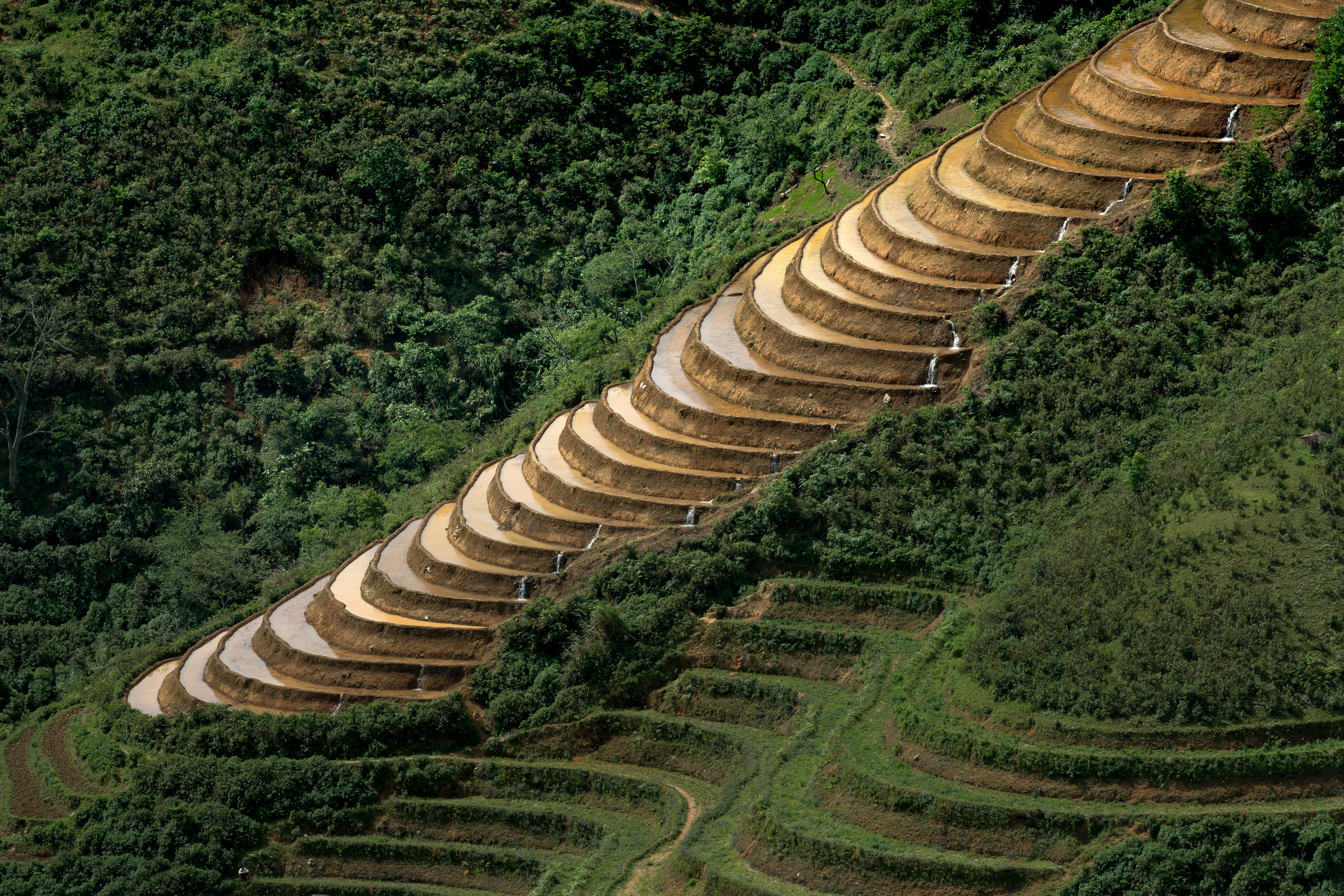
Mountain structures hold centuries of stories, weathered by time yet standing resilient. Adaptive reuse breathes new life into these architectural witnesses, transforming them into vibrant spaces for modern communities.

🏔️ The Heritage Hidden in Mountain Architecture
Across mountainous regions worldwide, historic buildings tell tales of human perseverance and ingenuity. From abandoned mining facilities in the Alps to forgotten monasteries in the Himalayas, these structures represent more than just old buildings—they embody cultural identity, historical significance, and architectural craftsmanship that modern construction often cannot replicate.
Mountain architecture developed unique characteristics born from necessity. Thick stone walls provided insulation against harsh winters, steep roofs shed heavy snow loads, and strategic positioning offered protection from avalanches and rockfalls. These time-tested design principles remain relevant today, making historic mountain structures ideal candidates for adaptive reuse rather than demolition.
The sustainability argument for preserving these buildings grows stronger each year. Demolishing and rebuilding generates massive carbon emissions and waste, while adaptive reuse significantly reduces environmental impact. Historic mountain structures already contain embodied energy—the total energy consumed during their original construction—which would be lost forever if demolished.
Understanding Adaptive Reuse in Alpine Contexts
Adaptive reuse transforms buildings originally designed for one purpose into spaces serving contemporary needs. In mountain communities, this practice faces unique challenges and opportunities. The remote locations, extreme weather conditions, and limited accessibility that characterize mountain regions require specialized approaches to renovation and repurposing.
Successful adaptive reuse projects balance three critical elements: preservation of historical character, integration of modern functionality, and respect for the surrounding landscape. This balance becomes particularly delicate in mountain settings where tourism, environmental conservation, and local community needs often intersect and sometimes conflict.
Mountain regions typically feature specific building types ripe for transformation. Old chalets and farmhouses become boutique hotels or vacation rentals. Historic barns convert into event venues or community centers. Abandoned industrial structures from mining or textile industries transform into museums, galleries, or mixed-use developments that anchor community revitalization.
The Economic Catalyst Effect 💰
When executed thoughtfully, adaptive reuse projects generate substantial economic benefits for mountain communities. These renovated structures often become tourist attractions themselves, drawing visitors interested in heritage tourism and authentic cultural experiences. The resulting economic activity supports local businesses, creates employment opportunities, and can reverse population decline in struggling mountain villages.
Property values typically increase in areas surrounding successful adaptive reuse projects. Historic buildings transformed into high-quality accommodations or cultural facilities raise the profile of entire neighborhoods, attracting further investment and development. This ripple effect can transform economically depressed mountain towns into thriving destinations.
Architectural Challenges in Mountain Renovations
Renovating historic mountain structures presents formidable technical challenges. Accessibility issues complicate material transport and equipment delivery. Harsh weather limits construction seasons to brief summer windows. Historic building codes may conflict with modern safety regulations, requiring creative solutions and variance applications.
Structural assessments often reveal hidden problems. Water infiltration over decades may have compromised timber framing. Freeze-thaw cycles crack stone foundations. Outdated electrical and plumbing systems require complete replacement. These discoveries demand flexible budgets and adaptive project management approaches.
However, mountain buildings also possess inherent advantages. Their robust construction using local materials often means structural bones remain sound despite cosmetic deterioration. Traditional building techniques employed natural, breathable materials that actually improve with proper restoration, unlike many modern synthetic materials.
Integrating Modern Systems Thoughtfully
Contemporary comfort expectations require integrating heating, cooling, insulation, and technology infrastructure into historic structures never designed for such systems. Accomplished sensitively, these upgrades enhance usability without compromising architectural integrity.
Modern insulation techniques can dramatically improve energy efficiency while preserving original facades. Radiant floor heating systems eliminate bulky radiators and ductwork. Low-profile LED lighting provides illumination without visible modern fixtures. Wireless technology reduces the need for cable runs that would damage historic fabric.
Renewable energy systems offer particular promise for remote mountain locations. Solar panels positioned on non-visible roof sections generate electricity without impacting historic appearance. Geothermal systems leverage constant ground temperatures for efficient heating and cooling. Small-scale hydroelectric installations can harness mountain streams where historically they once powered mills.
🌲 Environmental Stewardship Through Preservation
The environmental case for adaptive reuse strengthens continually as climate change concerns intensify. Construction and demolition waste constitutes nearly 40% of total solid waste in many developed nations. Preserving existing structures dramatically reduces this waste stream while avoiding the carbon emissions associated with manufacturing new building materials.
Historic mountain buildings typically used locally sourced materials—stone quarried nearby, timber from surrounding forests, clay from local deposits. This localized material palette created structures harmonizing naturally with their landscapes. Modern renovations can continue this tradition by sourcing materials locally when additions or repairs are necessary.
Mountain ecosystems are particularly fragile and vulnerable to development impacts. Adaptive reuse concentrates development within existing building footprints rather than consuming undeveloped land. This approach protects sensitive alpine meadows, forests, and watersheds from sprawling new construction that would fragment wildlife habitat and increase erosion risks.
Biodiversity Conservation Connections
Thoughtful building renovations can actually enhance biodiversity outcomes. Old structures often provide habitat for species adapted to coexist with human presence—barn owls, bats, swallows, and various insects. Sensitive renovations can maintain these habitat features through bat boxes, owl nesting platforms, and preserved roof spaces.
Landscape restoration accompanying adaptive reuse projects offers opportunities to reestablish native plant communities and improve ecological connectivity. Removing invasive species, restoring natural drainage patterns, and creating wildlife corridors transform building sites into ecological assets rather than liabilities.
Cultural Identity and Community Connection
Mountain communities often maintain strong connections to their architectural heritage. Historic buildings serve as tangible links to ancestors, traditional ways of life, and shared community memory. When these structures disappear, irreplaceable cultural knowledge vanishes with them.
Adaptive reuse projects that engage local communities throughout the planning and design process build social capital and strengthen collective identity. Residents contribute oral histories, photographs, and memories that inform historically sensitive renovations. Local craftspeople employing traditional techniques participate in construction, ensuring knowledge transfer to younger generations.
Educational programming within adaptively reused buildings creates venues for cultural transmission. Historic inns become interpretation centers explaining traditional mountain agriculture. Former workshops host demonstrations of heritage crafts. Converted community buildings house archives and museums preserving regional history.
Balancing Tourism and Authenticity 🎿
Mountain regions worldwide face pressures from tourism development that can compromise the very authenticity tourists seek. Adaptive reuse offers a middle path—providing quality visitor accommodations and amenities while maintaining genuine historic character that distinguishes destinations from generic resort developments.
Successful projects avoid theme-park nostalgia or superficial historic aesthetics. Instead, they preserve authentic architectural details, expose original building techniques, and honestly reveal layers of history including sensitive modern interventions. This approach educates visitors about building heritage while providing contemporary comfort.
Tourism revenue generated by thoughtfully renovated historic properties can fund broader preservation efforts and community services. However, communities must carefully manage tourism volumes to prevent overwhelming local infrastructure and eroding quality of life for year-round residents.
Case Examples Worth Celebrating
Throughout alpine regions, inspiring examples demonstrate adaptive reuse potential. The Therme Vals in Switzerland transformed a simple mountain village through Peter Zumthor’s design integrating new spa facilities with the historic settlement pattern. The project sparked economic revitalization while respecting traditional building scales and materials.
In the Italian Dolomites, numerous abandoned alpine refuges have found new life as upscale mountain huts offering authentic experiences for hikers. These conversions maintain traditional exteriors and basic refugio character while discreetly upgrading sanitation, safety, and comfort to contemporary standards.
The Rockies in North America showcase industrial heritage conversions. Former mining structures in Colorado and British Columbia now serve as museums, breweries, and arts centers anchoring heritage tourism economies. These projects celebrate working-class history often overlooked in traditional preservation efforts focused on elite architecture.
Lessons from International Pioneers
Austrian and Swiss approaches to mountain heritage preservation offer valuable models. Strong regulatory frameworks protect historic buildings while providing financial incentives for sensitive renovations. Technical assistance programs help property owners navigate complex renovation requirements.
Japanese mountain villages demonstrate how adaptive reuse combats rural depopulation. Historic farmhouses transformed into artist residencies and cultural exchange centers attract new residents and visitors, injecting vitality into aging communities while preserving architectural heritage.
🔨 Practical Strategies for Implementation
Communities and developers considering adaptive reuse projects should begin with comprehensive documentation. Historic structure reports detail building history, assess physical conditions, and identify character-defining features requiring preservation. This groundwork informs realistic budgeting and appropriate design interventions.
Engaging specialists experienced with historic mountain architecture proves essential. These professionals understand traditional building techniques, recognize historic materials, and know how to integrate modern systems without compromising integrity. Their expertise prevents costly mistakes and ensures regulatory compliance.
Phased development approaches allow projects to begin generating revenue before complete renovation. Initial phases might address critical structural repairs and basic systems while maintaining building functionality. Subsequent phases add amenities and refinements as funding becomes available and operational experience reveals user needs.
Funding and Financial Incentives
Multiple funding sources typically combine to finance adaptive reuse projects. Historic preservation tax credits reduce renovation costs in many jurisdictions. Heritage grants from government agencies and private foundations support projects with significant cultural value. Green building incentives reward sustainable renovation practices.
Creative financing models increasingly support mountain heritage projects. Community investment campaigns allow locals to purchase shares in renovation projects, fostering ownership and engagement. Social impact investors fund projects delivering measurable community benefits alongside financial returns. Conservation easements can reduce property taxes for owners maintaining historic character.
Looking Forward: The Future of Mountain Heritage
Climate change presents both challenges and opportunities for mountain heritage preservation. Warming temperatures alter traditional weather patterns, potentially increasing moisture problems and introducing new pests. However, longer construction seasons and improved accessibility may facilitate renovation projects previously constrained by weather limitations.
Digital technologies offer powerful tools for documentation and design. 3D laser scanning creates precise records of historic structures. Building information modeling helps visualize proposed interventions before construction. Virtual reality allows community stakeholders to experience design proposals, facilitating informed decision-making.
Growing appreciation for authenticity, sustainability, and cultural heritage positions adaptive reuse favorably for the future. Younger generations increasingly value experiential travel and accommodations with stories to tell. Historic mountain properties satisfy these preferences while supporting environmental and community wellbeing.
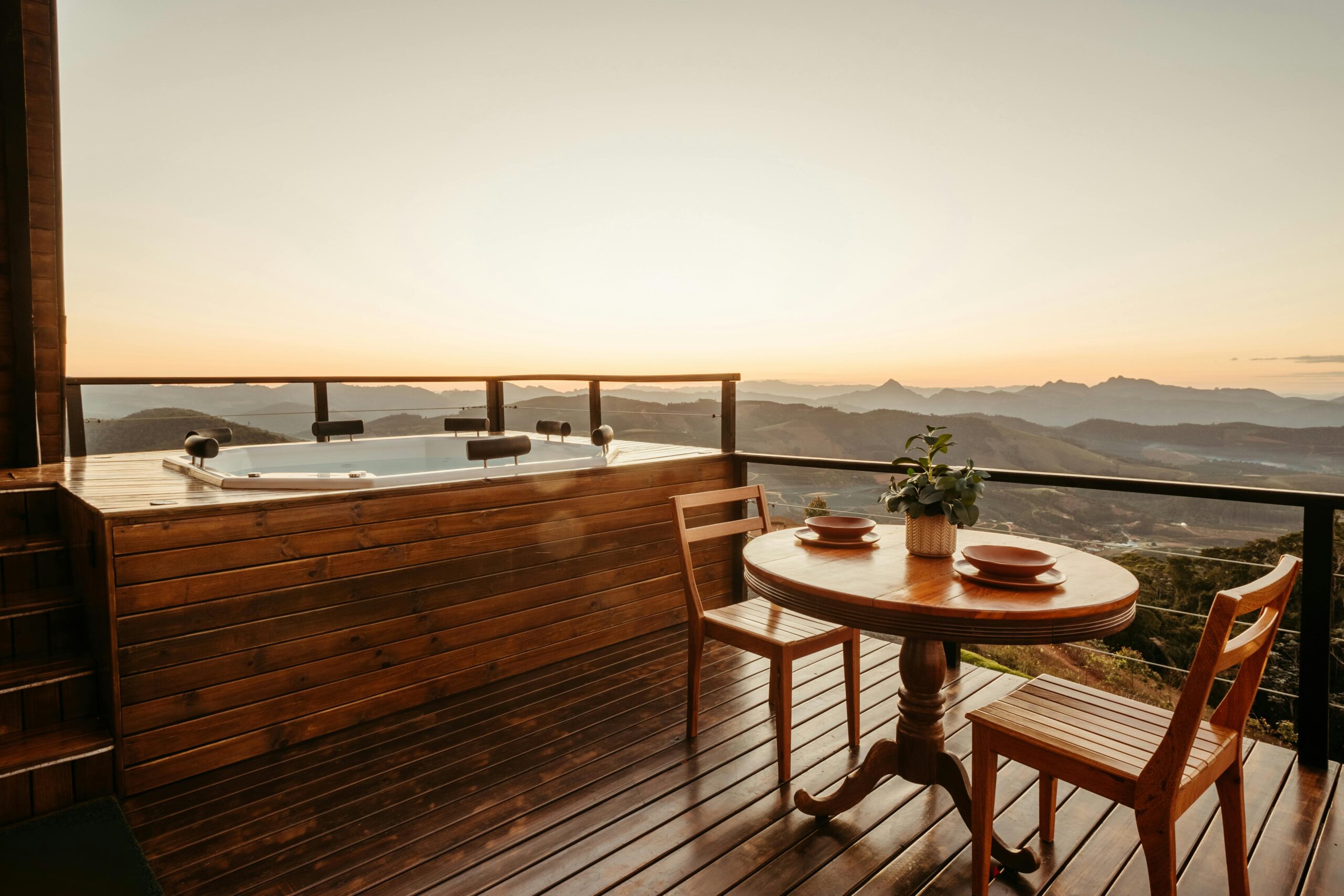
🏔️ Building Tomorrow From Yesterday’s Foundations
Adaptive reuse of mountain structures represents more than architectural preservation—it embodies a philosophy of sustainability, cultural respect, and community resilience. These projects demonstrate that progress doesn’t require erasing the past but rather thoughtfully building upon it.
Mountain heritage buildings possess intrinsic value worth protecting regardless of immediate economic returns. However, the compelling reality is that well-executed adaptive reuse delivers multiple benefits: environmental sustainability through reduced construction waste and embodied energy preservation, economic vitality through heritage tourism and property value enhancement, and social cohesion through cultural identity reinforcement.
The path forward requires commitment from multiple stakeholders. Policymakers must create regulatory frameworks and incentives supporting historic preservation. Developers need vision to recognize potential in deteriorated structures. Communities should advocate for their architectural heritage. Together, these actors can ensure mountain landscapes retain the historic structures that give them character, meaning, and irreplaceable connection to human history.
Every preserved and adaptively reused mountain building stands as testament to possibility—proof that old and new can coexist harmoniously, that sustainability extends beyond solar panels to encompass respect for what already exists, and that the most innovative solutions sometimes involve looking backward before moving forward.