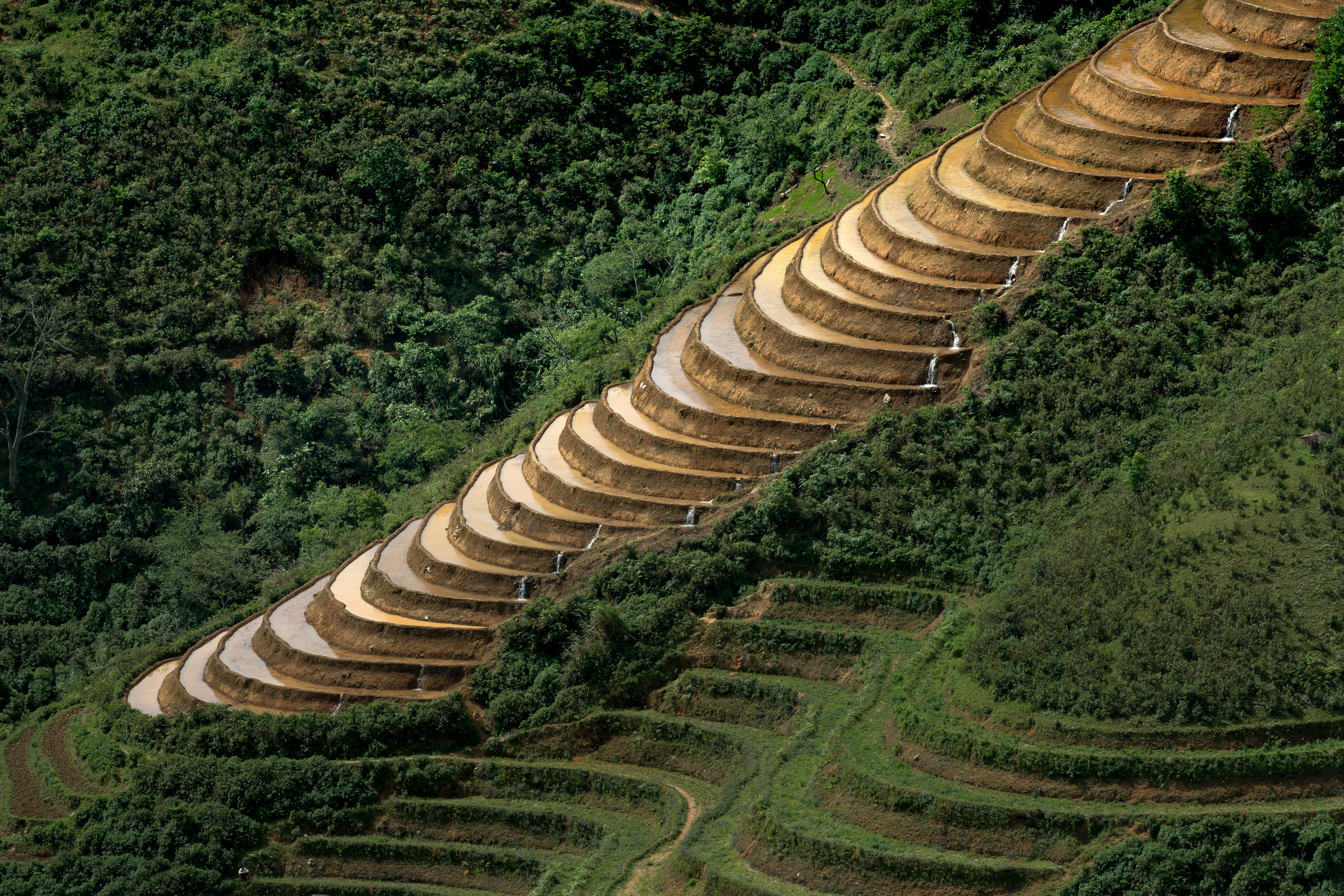
High-altitude adventures challenge both body and mind, but acute mountain sickness can quickly transform an exciting journey into a life-threatening emergency requiring immediate action.

🏔️ Understanding the Silent Threat at High Elevations
Acute Mountain Sickness (AMS) represents one of the most common yet potentially dangerous conditions facing travelers who venture above 8,000 feet (2,400 meters). This altitude-related illness affects approximately 25% of people at moderate elevations and up to 75% at extreme heights above 14,000 feet. Unlike many medical emergencies, AMS doesn’t discriminate based on fitness level, age, or mountaineering experience.
The fundamental cause of acute mountain sickness stems from reduced oxygen availability at higher altitudes. As elevation increases, atmospheric pressure decreases, meaning each breath contains fewer oxygen molecules than at sea level. This oxygen deprivation triggers a cascade of physiological responses that can overwhelm the body’s adaptive mechanisms.
What makes AMS particularly dangerous is its unpredictable nature. Someone who previously ascended to high altitudes without problems may develop symptoms on subsequent trips. Additionally, the condition can rapidly progress from mild discomfort to life-threatening cerebral or pulmonary edema within hours.
Recognizing the Warning Signs Before It’s Too Late
Early recognition of acute mountain sickness symptoms can mean the difference between a manageable situation and a medical emergency. The initial manifestations often resemble a hangover or flu, which leads many climbers to dismiss them as simple fatigue.
Primary Symptoms That Demand Attention
The hallmark symptom of AMS is a headache that typically worsens with physical activity, lying flat, or during nighttime hours. This headache often feels different from typical tension headaches, presenting as a throbbing sensation that over-the-counter pain relievers cannot adequately address.
Accompanying the headache, individuals may experience:
- Nausea or vomiting that prevents adequate food and fluid intake
- Dizziness and lightheadedness affecting balance and coordination
- Profound fatigue disproportionate to the level of physical exertion
- Loss of appetite making it difficult to maintain energy levels
- Difficulty sleeping despite extreme exhaustion
- Shortness of breath even during rest periods
Advanced Warning Signals of Progression
When acute mountain sickness progresses toward High Altitude Cerebral Edema (HACE) or High Altitude Pulmonary Edema (HAPE), symptoms become more severe and require immediate emergency response. Confusion, ataxia (inability to walk in a straight line), severe shortness of breath at rest, and a bubbling sensation in the chest all indicate dangerous progression.
The Lake Louise Scoring System provides a standardized method for assessing AMS severity. Individuals rate their headache, gastrointestinal symptoms, fatigue, dizziness, and difficulty sleeping on a scale. A cumulative score of three or more, with at least one being a headache, indicates acute mountain sickness.
🚨 Immediate Response Protocols That Save Lives
When acute mountain sickness strikes, time-sensitive decisions determine outcomes. The emergency response framework follows a clear hierarchy based on symptom severity and available resources.
The Golden Rule: Descend, Descend, Descend
Descent remains the single most effective treatment for acute mountain sickness. Even a relatively modest descent of 1,000-3,000 feet (300-900 meters) can produce dramatic symptom improvement within hours. This intervention works because it immediately increases oxygen availability, allowing the body to recover.
However, descent isn’t always immediately possible due to darkness, weather conditions, or terrain challenges. In these situations, alternative emergency measures must bridge the gap until safe descent becomes feasible.
Oxygen Administration Techniques
Supplemental oxygen effectively treats AMS by directly addressing the underlying hypoxia. When available, oxygen should be administered at 2-4 liters per minute through a nasal cannula. This intervention often provides rapid symptom relief, particularly for headaches and nausea.
Portable oxygen concentrators have revolutionized high-altitude emergency response, though their effectiveness decreases at extreme elevations due to the reduced ambient air pressure affecting their operation.
Hyperbaric Chamber Deployment
Portable hyperbaric chambers, such as the Gamow Bag or Certec bag, simulate descent by creating a pressurized environment around the patient. These devices can simulate a descent of 5,000-7,000 feet within minutes, providing crucial time for organizing actual descent or evacuation.
Treatment sessions typically last 1-2 hours and can be repeated as necessary. While incredibly effective, hyperbaric chambers require proper training for deployment and patient monitoring throughout treatment.
💊 Pharmacological Interventions for Emergency Management
Medications play a supporting role in acute mountain sickness management, complementing rather than replacing descent. Understanding proper pharmaceutical interventions can significantly improve outcomes during emergency situations.
Acetazolamide: The Prevention and Treatment Cornerstone
Acetazolamide (Diamox) works by inducing metabolic acidosis, which stimulates breathing and improves oxygenation. For treatment of established AMS, the typical dose is 250 mg twice daily. This medication can reduce symptoms within 12-24 hours, though it works best when combined with other interventions.
Common side effects include tingling in fingers and toes, altered taste (particularly with carbonated beverages), and increased urination. These effects, while uncomfortable, are generally not dangerous.
Dexamethasone for Severe Cases
Dexamethasone represents the heavy artillery in AMS pharmacotherapy, reserved for moderate to severe cases or when descent is impossible. This potent corticosteroid reduces brain swelling associated with HACE and can provide dramatic symptom improvement within hours.
The typical emergency dose is 8 mg initially, followed by 4 mg every six hours. However, dexamethasone masks symptoms without addressing the underlying problem, making descent still mandatory once conditions permit.
Additional Supportive Medications
Pain relievers like ibuprofen or acetaminophen can address headaches, though they don’t treat the underlying condition. Anti-nausea medications such as ondansetron help manage gastrointestinal symptoms, allowing patients to maintain hydration and nutrition.
For HAPE specifically, nifedipine (a calcium channel blocker) reduces pulmonary artery pressure and can be life-saving when combined with oxygen and descent.
Building Your High-Altitude Emergency Response Kit 🎒
Proper preparation prevents poor performance, especially at altitude where access to medical care may be hours or days away. A comprehensive emergency response kit should include both equipment and medications tailored to altitude-related emergencies.
| Category | Essential Items | Purpose |
|---|---|---|
| Medications | Acetazolamide, Dexamethasone, Ibuprofen, Ondansetron | Pharmacological intervention for AMS symptoms |
| Oxygen Equipment | Portable oxygen, pulse oximeter, spare batteries | Monitor and treat hypoxia |
| Communication | Satellite phone, GPS device, emergency beacon | Coordinate evacuation and rescue |
| Assessment Tools | Lake Louise score cards, thermometer, blood pressure cuff | Monitor condition progression |
| Protection | Emergency shelter, insulated sleeping bag, hand warmers | Maintain core temperature during treatment |
Prevention Strategies That Actually Work
While this guide focuses on emergency response, the best emergency is one that never happens. Evidence-based prevention strategies dramatically reduce AMS incidence and severity.
The Art of Gradual Acclimatization
The human body can adapt to reduced oxygen availability, but this process requires time. The golden rule of acclimatization states: “Climb high, sleep low.” This means ascending to higher elevations during the day while returning to lower altitudes for sleep.
Beyond 10,000 feet, limiting sleeping elevation increases to 1,000-1,500 feet per day significantly reduces AMS risk. Including rest days every 3,000 feet allows the body additional adaptation time.
Hydration and Nutrition Considerations
Altitude increases fluid losses through respiration and urination while simultaneously suppressing thirst and appetite. Maintaining hydration requires conscious effort, with recommendations of 3-4 liters of fluid daily at high elevations.
Carbohydrate-rich diets may offer advantages at altitude because carbohydrates require less oxygen for metabolism compared to fats or proteins. Some research suggests a diet with 70% of calories from carbohydrates optimizes performance and reduces altitude illness.
Pre-Acclimatization Techniques
For those unable to acclimatize gradually, pre-acclimatization strategies can provide some protection. Spending time in hypoxic tents, using elevation training systems, or taking short trips to altitude in the weeks before a major expedition can stimulate beneficial adaptations.
Prophylactic acetazolamide, starting 125-250 mg twice daily beginning one day before ascent and continuing for 2-3 days at altitude, reduces AMS incidence by approximately 50%.
🚁 Coordinating Emergency Evacuation from Remote Locations
When on-site treatment proves insufficient, evacuation becomes necessary. Planning and executing high-altitude evacuations presents unique challenges requiring advanced preparation.
Communication Systems for Crisis Situations
Reliable communication forms the backbone of successful evacuations. Satellite phones or personal locator beacons should be tested before the expedition, with emergency contacts programmed and protocols established.
When calling for evacuation, provide clear information about the patient’s condition, exact location coordinates, weather conditions, and any hazards that might affect rescue operations. The more specific information rescuers receive, the better they can prepare appropriate resources.
Patient Stabilization During Transport
Moving a patient with severe AMS requires careful balance between the urgency of descent and preventing additional harm. If the patient cannot walk, litter carries become necessary, requiring multiple team members and frequent rest breaks.
During transport, continuously monitor vital signs, maintain warmth, and provide supplemental oxygen if available. Keep the patient’s head elevated to potentially reduce intracranial pressure in suspected HACE cases.
Training Your Team for Altitude Emergencies
Equipment and knowledge mean nothing without practiced skills and clear team protocols. Effective emergency response requires team-wide competency and established decision-making frameworks.
Simulation-Based Learning Approaches
Before departing for high-altitude environments, conduct realistic emergency drills covering various scenarios: recognizing early AMS symptoms, deploying hyperbaric chambers, administering medications, and coordinating evacuations. These simulations identify knowledge gaps and build team confidence.
Assign specific roles during emergencies—team leader, patient monitor, equipment manager, and communication coordinator. Clear role definition prevents confusion when stress levels rise.
Decision-Making Under Pressure
Altitude affects cognitive function, making critical decisions more difficult precisely when stakes are highest. Establishing clear decision rules before problems arise helps teams respond appropriately despite impaired judgment.
The “when in doubt, go down” principle should guide all decision-making. No summit, photo, or schedule matters more than life and health. Creating a team culture where turning around is celebrated rather than stigmatized prevents many emergencies.
Special Considerations for Vulnerable Populations
Certain individuals face increased AMS risks or require modified emergency response protocols. Understanding these special considerations ensures appropriate care for all team members.
Children at High Altitude
Children experience AMS at similar rates to adults but face unique challenges. Young children cannot reliably report symptoms, requiring careful observation for behavioral changes, feeding difficulties, or unusual fussiness. The Lake Louise scoring system has been modified for non-verbal children to aid assessment.
Treatment principles remain the same—descent, oxygen, and medications (with weight-appropriate dosing). However, evacuation thresholds should be lower for children given communication challenges and rapid progression risks.
Pre-Existing Medical Conditions
Individuals with cardiac disease, pulmonary conditions, or sickle cell trait require additional precautions. Medical consultation before high-altitude travel is essential, with personalized emergency protocols developed based on specific conditions.
Pregnant women face theoretical concerns about fetal hypoxia at altitude, though limited research exists. Most experts recommend avoiding sleeping altitudes above 12,000 feet during pregnancy and maintaining extremely conservative thresholds for descent if symptoms develop.
🌍 Learning from High-Altitude Emergency Case Studies
Real-world emergencies provide invaluable lessons that theoretical knowledge cannot match. Analyzing both successful responses and tragic outcomes improves future emergency preparedness.
When Everything Goes Right
A trekking group in Nepal recognized early AMS symptoms in a member at 14,000 feet. Despite mild symptoms and the individual’s desire to continue, the team implemented immediate descent. Within 2,000 feet of elevation loss, symptoms resolved completely. This case demonstrates that early recognition and prompt action—even for mild cases—prevents progression to serious complications.
Lessons from Delayed Response
Tragically, delayed recognition and summit fever have contributed to numerous altitude-related deaths. In several documented cases, individuals with clear AMS symptoms continued ascending, developed HACE or HAPE, and died despite eventual rescue attempts. These cases underscore the critical importance of immediate response to symptoms and the absolute priority of health over achievement.
The Recovery Process After Acute Mountain Sickness
Successfully treating an AMS episode doesn’t end the medical considerations. Understanding the recovery process and when it’s safe to return to altitude prevents recurrence and complications.
After descent and symptom resolution, individuals should remain at lower elevations for at least 24-48 hours before considering re-ascent. This recovery period allows physiological systems to fully stabilize and ensures symptoms don’t recur.
Medical evaluation is advisable after moderate to severe AMS episodes, particularly if HACE or HAPE occurred. Some individuals may have underlying conditions that predispose them to altitude illness, requiring identification and management before future high-altitude travel.
Re-ascent should follow even more conservative acclimatization schedules than initial climbs. The fact that someone developed AMS indicates they may be more susceptible than average, warranting additional caution on subsequent attempts.
Your Altitude Emergency Readiness Checklist
Preparing for high-altitude adventures requires systematic attention to multiple factors. This comprehensive checklist ensures nothing critical gets overlooked:
- Complete medical evaluation addressing pre-existing conditions and altitude risks
- Assemble comprehensive emergency kit with medications, oxygen, and communication devices
- Obtain proper training in AMS recognition, treatment, and evacuation procedures
- Establish clear team protocols for emergency decision-making and role assignments
- Research specific hazards and evacuation resources for your destination
- Purchase appropriate insurance covering high-altitude rescue and evacuation
- Create detailed itinerary with conservative acclimatization schedule
- Brief all team members on emergency procedures and communication plans
- Test all equipment under realistic conditions before departure
- Establish check-in schedules with base contacts who can initiate rescue if needed
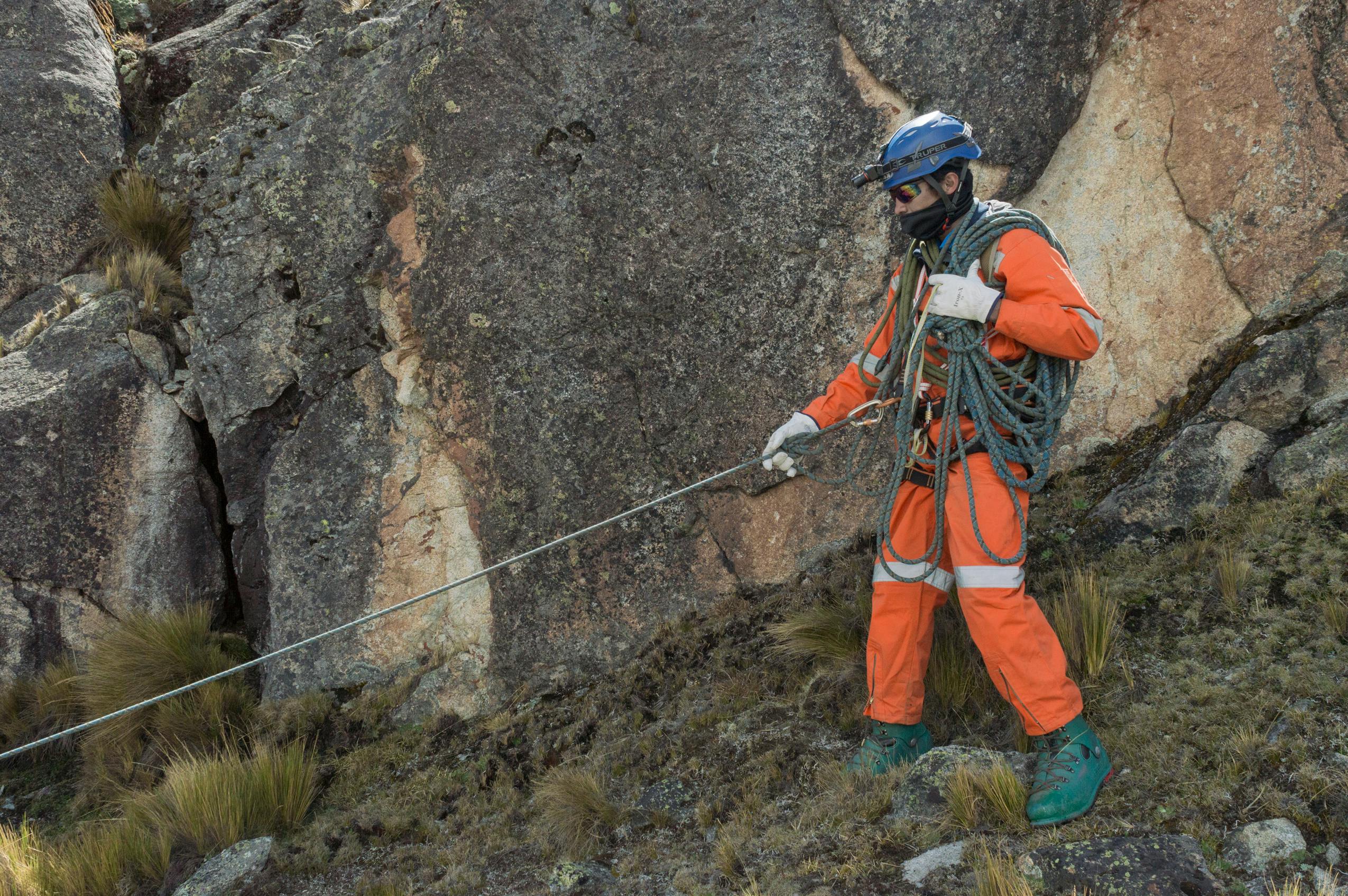
Empowering Yourself for Mountain Adventures
Conquering altitude safely requires knowledge, preparation, and the wisdom to recognize when mountains demand respect rather than persistence. Acute mountain sickness represents a serious but manageable threat when approached with appropriate awareness and emergency response capabilities.
The mountains will always be there for another attempt. Your health and life, once compromised, cannot be easily restored. By implementing the strategies, treatments, and protocols outlined in this guide, you transform from a vulnerable traveler into an empowered adventurer capable of recognizing threats and responding effectively to altitude emergencies.
Every successful high-altitude journey begins with proper preparation and ends with safe return. The knowledge you’ve gained here provides the foundation for making sound decisions when oxygen is scarce, conditions are challenging, and the stakes are highest. Take these lessons seriously, practice the skills regularly, and never let ambition override safety protocols.
The summit is optional; coming home is mandatory. With comprehensive emergency response preparation, you maximize your chances of achieving both. 🏔️