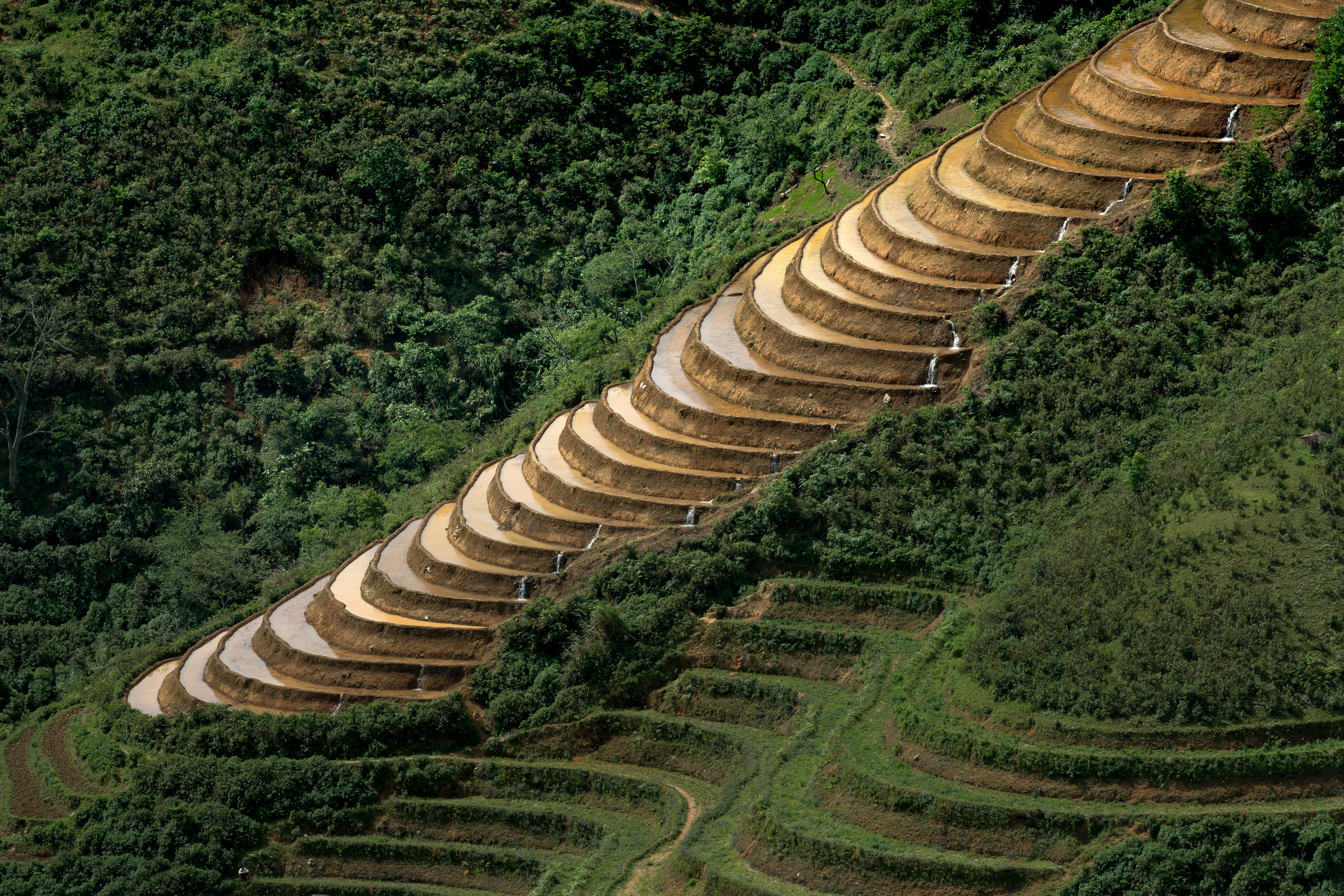
High altitude challenges human physiology in profound ways, pushing our bodies to adapt and evolve mechanisms that allow survival where oxygen becomes a precious commodity.

🏔️ The Science Behind Altitude’s Challenge to Human Biology
When you ascend to higher elevations, atmospheric pressure decreases significantly, reducing the amount of oxygen available with each breath. At sea level, oxygen constitutes approximately 21% of air composition, but as altitude increases, this percentage remains constant while the barometric pressure drops dramatically. At 5,500 meters (18,000 feet), the atmospheric pressure is roughly half that of sea level, meaning your lungs extract only half the oxygen molecules per breath compared to coastal environments.
This oxygen scarcity triggers a cascade of physiological responses that can mean the difference between thriving and merely surviving in thin air. Understanding these mechanisms empowers mountaineers, athletes, and high-altitude residents to optimize their performance and health in oxygen-depleted environments.
Immediate Responses: Your Body’s First Line of Defense
The moment you arrive at high altitude, your body initiates rapid compensatory mechanisms. Your respiratory rate increases automatically, a process called hyperventilation that attempts to capture more oxygen molecules from the rarefied air. Simultaneously, your heart rate accelerates, pumping blood more rapidly to deliver available oxygen to tissues and organs demanding fuel.
These immediate responses occur within minutes to hours of altitude exposure and represent your body’s emergency protocol. However, they come at a cost—increased energy expenditure, dehydration from rapid breathing, and potential alkalosis from excessive carbon dioxide elimination.
The Ventilatory Response Explained
Specialized chemoreceptors in your carotid arteries detect declining oxygen levels in your bloodstream. These sensors send urgent signals to your brainstem’s respiratory center, commanding increased breathing frequency and depth. This hyperventilation can increase from a resting rate of 12-15 breaths per minute at sea level to 20-30 breaths per minute at extreme altitudes.
The cardiovascular system responds similarly. Your cardiac output—the volume of blood pumped per minute—increases by 20-50% during initial altitude exposure, ensuring oxygen-depleted blood circulates more rapidly through your lungs for replenishment.
🧬 Medium-Term Adaptations: Building Your Altitude Arsenal
After several days at elevation, more sophisticated physiological changes begin. These medium-term adaptations represent your body’s strategic response to sustained oxygen limitation, building capacity rather than simply working harder with existing resources.
Erythropoietin (EPO) production exemplifies this adaptive intelligence. Your kidneys detect hypoxia and release this hormone into your bloodstream, traveling to bone marrow where it stimulates red blood cell production. Over 2-3 weeks at altitude, your red blood cell count can increase by 20-50%, dramatically enhancing oxygen-carrying capacity.
Hemoglobin: Your Oxygen Transport System Gets an Upgrade
Hemoglobin concentration rises alongside red blood cell proliferation. This iron-containing protein binds oxygen in your lungs and releases it to tissues throughout your body. Increased hemoglobin means each unit of blood transports more oxygen molecules, compensating for reduced atmospheric availability.
Sea level hemoglobin typically ranges from 14-16 g/dL for women and 16-18 g/dL for men. After acclimatization at moderate altitude (2,500-3,500 meters), these values can increase by 1-3 g/dL, representing substantial enhancement of oxygen delivery capacity.
Cellular Adaptations: Optimization at the Microscopic Level
Beyond circulatory improvements, your cells themselves undergo remarkable transformations. Mitochondria—the powerhouses generating cellular energy—become more efficient at extracting oxygen from blood and converting it to usable energy currency (ATP).
Capillary density increases in muscle tissues, reducing the distance oxygen must diffuse from blood vessels to working cells. This enhanced microvascular network ensures more efficient oxygen extraction even when atmospheric availability remains limited.
Metabolic Efficiency Through Enzymatic Changes
Cells adjust their metabolic machinery to function optimally under hypoxic conditions. Enzymes involved in glycolysis (glucose breakdown) become more active, allowing cells to generate energy through pathways requiring less oxygen. Additionally, mitochondrial enzymes optimize electron transport chain efficiency, extracting maximum energy from limited oxygen supplies.
These cellular adaptations develop over weeks to months of consistent altitude exposure, representing your body’s most sophisticated response to environmental oxygen scarcity.
⛰️ Long-Term Acclimatization: Becoming a High-Altitude Specialist
Populations living at high altitude for generations display genetic adaptations that confer remarkable hypoxia tolerance. Tibetans, Andean highlanders, and Ethiopian mountain dwellers have evolved distinct physiological traits optimizing survival in thin air.
Tibetan populations show unique ventilatory responses, maintaining higher breathing rates without developing excessive red blood cell counts that could dangerously thicken blood. Their bodies achieve superior oxygen delivery through enhanced blood flow and tissue oxygen utilization rather than simply increasing hemoglobin.
Genetic Mutations Conferring Altitude Advantage
Research has identified specific gene variants providing altitude adaptation benefits. The EPAS1 gene, prevalent in Tibetan populations, regulates hemoglobin concentration and prevents excessive erythrocytosis (overproduction of red blood cells) that can lead to chronic mountain sickness.
Andean populations demonstrate different adaptations, including larger lung volumes, increased chest circumference, and elevated hemoglobin levels compared to lowland populations. These traits develop through both developmental plasticity (growing up at altitude) and genetic selection over millennia.
Training Strategies to Accelerate Altitude Adaptation
Whether you’re planning a trekking expedition, mountaineering adventure, or endurance competition at elevation, strategic training can enhance your physiological adaptation and performance in low oxygen environments.
The “climb high, sleep low” approach leverages altitude exposure benefits while minimizing risks. Spending daytime hours at higher elevations stimulates adaptation, while descending to sleep at lower altitudes allows recovery and reduces altitude illness risk.
Altitude Training Methods for Athletes
- Live High, Train Low: Residing at altitude (2,000-2,500 meters) while conducting intense training sessions at lower elevations combines acclimatization benefits with maintained training intensity.
- Intermittent Hypoxic Training: Using altitude simulation equipment or chambers for short exposure periods (1-2 hours daily) can trigger adaptive responses without requiring mountain access.
- Progressive Ascent Protocols: Gradually increasing sleeping altitude by 300-500 meters every 3-4 days allows systematic acclimatization while minimizing acute mountain sickness risk.
- Hypoxic Interval Training: Performing high-intensity intervals while breathing oxygen-reduced air challenges both cardiovascular and respiratory systems, potentially accelerating adaptation.
🩺 Monitoring Your Adaptation Progress
Tracking physiological markers helps assess acclimatization effectiveness and identify potential problems before they become serious. Pulse oximetry measures blood oxygen saturation (SpO2), providing immediate feedback on how well your body is managing altitude stress.
At sea level, normal SpO2 ranges from 95-100%. At moderate altitude (2,500 meters), values of 90-95% are typical and acceptable. Below 90%, increased caution is warranted, and below 85%, descent should be seriously considered unless you’re undergoing monitored high-altitude research.
Key Metrics for Altitude Acclimatization
| Metric | Sea Level | 2,500m | 4,000m | Significance |
|---|---|---|---|---|
| SpO2 (%) | 95-100 | 90-95 | 85-90 | Oxygen saturation indicator |
| Resting Heart Rate (bpm) | 60-80 | 70-90 | 80-100 | Cardiovascular compensation |
| Respiratory Rate (breaths/min) | 12-16 | 16-20 | 20-30 | Ventilatory adaptation |
| Hemoglobin (g/dL) | 14-18 | 15-19 | 16-21 | Oxygen-carrying capacity |
Nutrition and Hydration: Fueling Altitude Adaptation
Proper nutrition plays a critical role in supporting physiological adaptation to hypoxic environments. Your body’s increased metabolic demands at altitude require adequate caloric intake—typically 300-500 additional calories daily compared to sea level requirements for similar activity levels.
Carbohydrate-rich diets provide advantages at altitude because carbohydrate metabolism requires less oxygen per calorie produced compared to fat oxidation. Aim for 60-70% of calories from carbohydrates when operating at significant elevations.
Hydration Becomes Non-Negotiable
Dehydration develops rapidly at altitude due to increased respiratory water loss from hyperventilation and lower humidity in mountain environments. Fluid requirements increase by 50-100% compared to sea level—approximately 4-6 liters daily for moderately active individuals.
Monitor hydration status through urine color (pale yellow indicates adequate hydration) and frequency (4-6 bathroom visits daily suggests sufficient fluid intake). Dehydration impairs acclimatization, increases altitude illness risk, and compromises physical and cognitive performance.
💊 Pharmacological Aids for Altitude Adaptation
Several medications can facilitate acclimatization or treat altitude-related illnesses, though they should complement rather than replace proper ascent protocols and physiological adaptation.
Acetazolamide (Diamox) accelerates acclimatization by inducing metabolic acidosis, which stimulates ventilation and reduces periodic breathing during sleep. Typical prophylactic dosing starts 24 hours before ascent at 125-250mg twice daily.
When Pharmaceutical Intervention Makes Sense
Dexamethasone serves as a powerful treatment for severe altitude illnesses like high-altitude cerebral edema (HACE), though it doesn’t promote acclimatization and should only be used as emergency intervention while descending.
Nifedipine helps manage high-altitude pulmonary edema (HAPE) by reducing pulmonary artery pressure, though again, descent remains the definitive treatment for serious altitude illnesses.
Always consult medical professionals experienced in altitude medicine before using pharmacological aids, and remember that medications cannot substitute for proper acclimatization and cautious ascent rates.
🧠 Cognitive Function in Oxygen-Depleted Environments
Altitude affects mental performance significantly, with decision-making, memory, and reaction time all declining at elevations above 2,500 meters. These cognitive impairments pose serious risks in mountaineering environments where sound judgment can mean the difference between safety and catastrophe.
Research demonstrates that executive function—the mental processes governing planning, problem-solving, and impulse control—becomes particularly vulnerable to hypoxia. At extreme altitudes above 7,000 meters, cognitive performance can decline to levels comparable to legal intoxication.
Protecting Mental Clarity at Elevation
Awareness of altitude’s cognitive effects represents your first defense. Implement decision-making protocols before ascent, establishing clear turnaround times and criteria that don’t rely solely on impaired high-altitude judgment.
Team-based decision making provides cognitive redundancy, allowing multiple perspectives to counterbalance individual impairment. Regular communication about symptoms, concerns, and observations creates safety nets when individual judgment falters.
Sleep Disturbances and Recovery at Altitude
Sleep architecture changes dramatically at elevation, with increased awakenings, reduced deep sleep stages, and periodic breathing patterns that fragment rest. These disturbances impair recovery and potentially slow acclimatization progress.
Periodic breathing—alternating cycles of hyperventilation and breath-holding during sleep—becomes common above 2,500 meters. This unsettling pattern can cause nocturnal oxygen desaturation and contribute to morning headaches and fatigue.
Optimizing Altitude Sleep Quality
Sleeping position matters—slight head elevation can reduce periodic breathing severity. Avoid alcohol and sleeping medications that suppress respiratory drive, potentially worsening nocturnal hypoxia. Light evening carbohydrate snacks may improve sleep quality by supporting stable blood glucose levels overnight.
Acetazolamide reduces periodic breathing and improves sleep quality at altitude for many individuals, though some experience side effects including increased urination and extremity tingling.
⚡ Pushing Limits: Athletic Performance in Thin Air
Elite endurance athletes have long recognized altitude training’s potential to enhance sea-level performance. The additional red blood cells and increased oxygen-carrying capacity developed at elevation can provide competitive advantages when returning to lower altitudes.
However, altitude training requires careful management. Training intensity necessarily decreases at elevation due to reduced oxygen availability, potentially compromising specific adaptations from high-intensity workouts. The “live high, train low” approach attempts to capture acclimatization benefits while maintaining training quality.
Timing Your Altitude Training Camp
Optimal altitude exposure duration ranges from 3-6 weeks to maximize erythropoiesis (red blood cell production) without excessive detraining. Post-altitude competition timing matters too—returning to sea level 3-5 days or 18-25 days after descent appears optimal, avoiding the initial impairment period while capturing peak benefits before they fade.
Individual responses to altitude training vary significantly based on genetics, baseline fitness, and training history. Some athletes show remarkable benefits while others experience minimal gains or even performance decrements, emphasizing the importance of personalized approaches.
🌍 Special Populations and Altitude Considerations
Certain populations require additional considerations when venturing to high elevations. Pregnant women face unique challenges, as fetal development depends on adequate oxygen delivery. Most altitude medicine specialists recommend limiting altitude exposure during pregnancy to elevations below 2,500-3,000 meters.
Children acclimatize similarly to adults but may communicate symptoms less effectively, requiring careful monitoring. Infants under six months show increased altitude illness susceptibility and should avoid significant elevations.
Altitude and Cardiovascular Disease
Individuals with cardiovascular conditions must consult cardiologists before altitude travel. The increased cardiac workload at elevation can strain compromised hearts, potentially triggering angina or arrhythmias. That said, many people with well-controlled cardiac conditions can safely enjoy moderate altitudes with proper precautions and medical guidance.
Pulmonary hypertension presents particular concerns, as altitude’s hypoxic pulmonary vasoconstriction can dangerous elevate already-high pulmonary artery pressures. These individuals typically should avoid altitudes above 1,500-2,000 meters.
Leveraging Technology for Altitude Success
Modern technology provides unprecedented tools for monitoring and optimizing altitude adaptation. Portable pulse oximeters, now widely available and affordable, allow continuous tracking of oxygen saturation and heart rate.
Smartphone applications can log altitude, track symptoms, and provide acclimatization guidance based on established protocols. GPS-enabled devices help monitor ascent rates and ensure adherence to safe climbing profiles.

The Future of Altitude Adaptation Research
Cutting-edge research continues revealing new insights into hypoxic adaptation mechanisms. Scientists are investigating pharmacological agents that might mimic altitude’s beneficial effects without requiring mountain access—potentially revolutionary for medical conditions involving tissue hypoxia like stroke and heart attack.
Genetic studies of high-altitude populations promise to unlock additional adaptation secrets, potentially identifying therapeutic targets for hypoxic diseases. Meanwhile, altitude pre-conditioning shows promise for protecting against surgical ischemia and improving outcomes in critically ill patients.
Understanding your body’s remarkable capacity to adapt to oxygen scarcity empowers you to safely explore high-altitude environments while optimizing performance and minimizing risks. The physiological transformations occurring at cellular, tissue, and systemic levels demonstrate human biology’s extraordinary flexibility and resilience when challenged by environmental extremes.
Whether you’re planning a Himalayan expedition, competing at altitude, or simply curious about human adaptation, recognizing these mechanisms provides both practical knowledge and profound appreciation for the evolutionary innovations allowing humans to thrive where oxygen becomes scarce. The key lies in respecting altitude’s challenges while strategically leveraging your body’s innate adaptive intelligence to safely push boundaries in the mountains above.