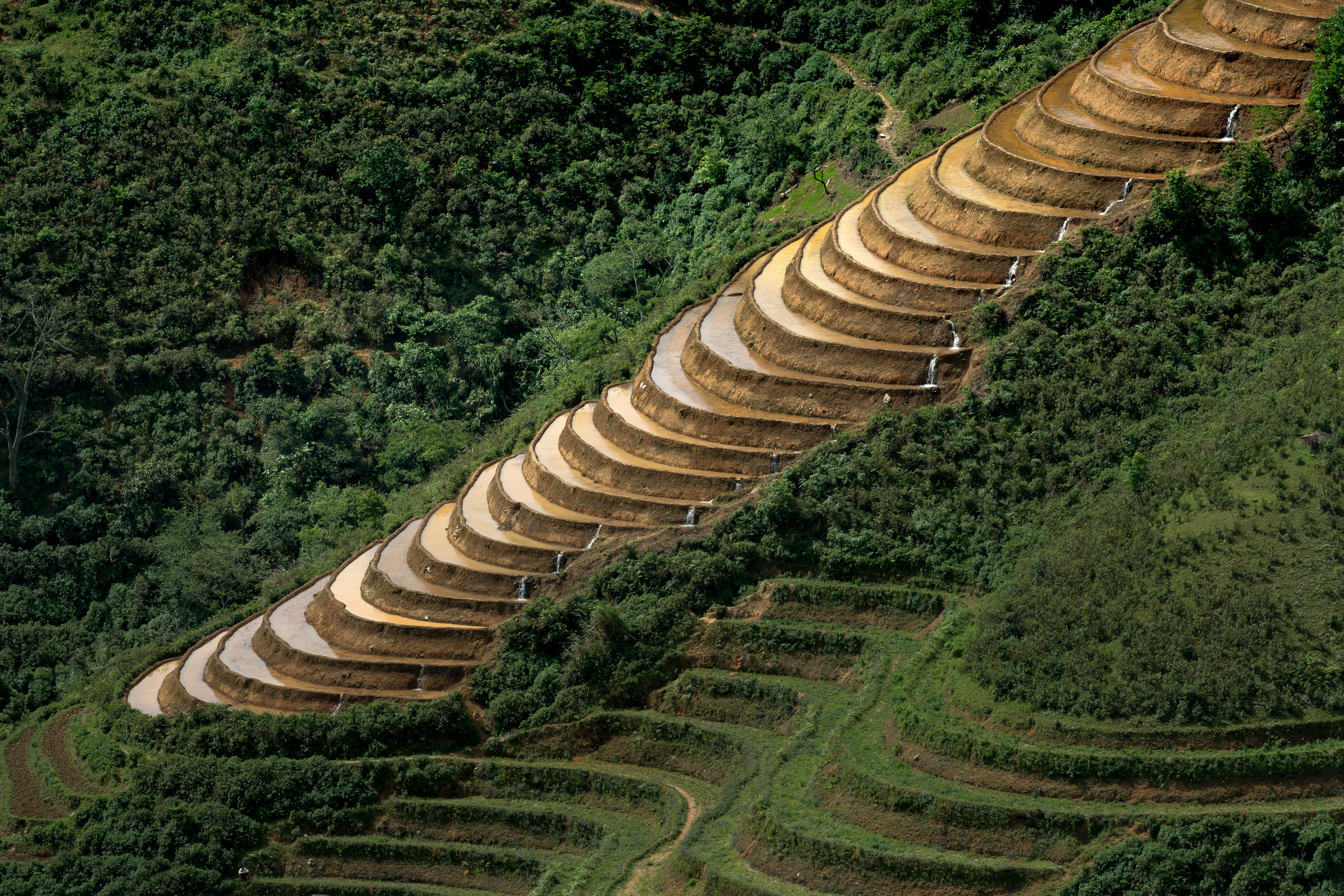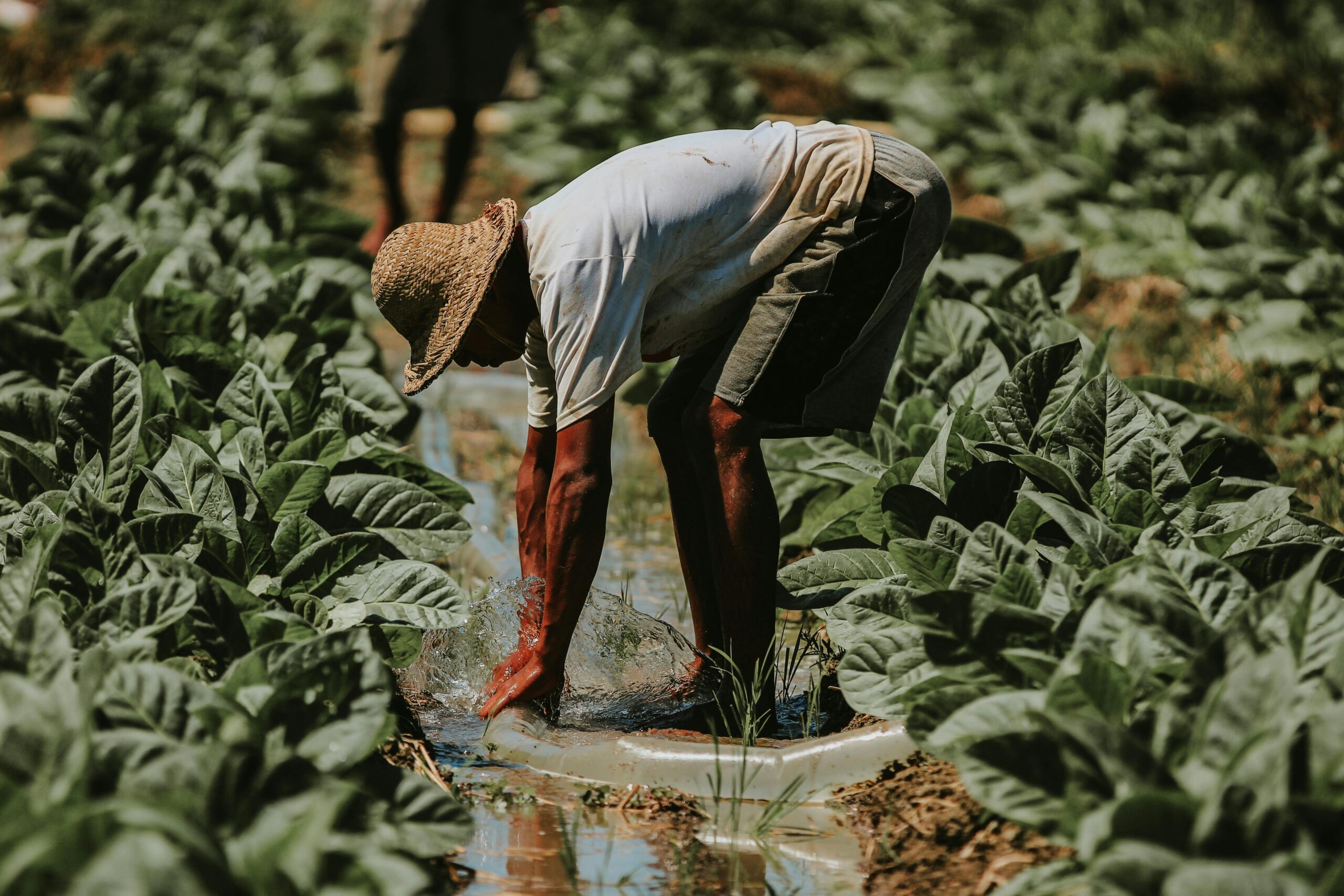
Alpine landscapes demand thoughtful protection strategies to nurture thriving vegetation. Wind protection structures transform exposed mountain fields into productive havens where plants flourish despite challenging conditions.

🏔️ Understanding Alpine Wind Dynamics and Their Impact on Plant Life
Mountain environments present unique challenges for cultivation and landscape management. The combination of high altitude, temperature fluctuations, and persistent winds creates conditions that can severely stress vegetation. Wind speeds in alpine regions often exceed those found in lowland areas by two to three times, creating mechanical stress that damages plant tissues, accelerates water loss, and disrupts photosynthesis.
Alpine winds carry distinctive characteristics that differentiate them from coastal or prairie breezes. The katabatic winds descending from peaks, föhn winds bringing warm dry air, and valley winds creating localized turbulence all contribute to complex airflow patterns. Understanding these patterns becomes essential for positioning effective wind protection structures that shield your alpine oasis without creating problematic downdrafts or turbulent eddies.
Plants subjected to constant wind exposure develop stunted growth, a phenomenon known as wind pruning or krummholz formation. The mechanical stress causes micro-tears in leaf tissue, increases transpiration rates beyond what roots can supply, and reduces the boundary layer of still air around leaves that facilitates gas exchange. Temperature stress compounds these effects, as wind chill dramatically lowers ambient temperatures around sensitive plant tissues.
Strategic Planning: Positioning Your Wind Protection Infrastructure
Effective windbreak placement requires careful site analysis and understanding of prevailing wind patterns throughout seasons. Begin by documenting wind direction and intensity over several months, noting seasonal variations that might affect your alpine field differently in winter versus summer. Most alpine regions experience dominant wind flows following topographic features like valley orientations and ridge alignments.
The protected zone behind a windbreak extends approximately ten times the structure’s height, though maximum protection occurs within the first five height-multiples. A three-meter tall windbreak provides substantial protection for fifteen to thirty meters downwind, with the sweet spot occurring between five and fifteen meters from the structure. This calculation becomes crucial when planning multiple rows of protection or determining spacing between structures.
Consider creating a graduated protection system rather than relying on a single massive barrier. Multiple rows of progressively taller windbreaks, properly spaced, create overlapping protection zones that reduce wind velocity more effectively than one large structure. This layered approach also prevents the strong turbulence that can develop immediately behind solid barriers, where air currents swirl downward and create damaging vortices.
Microclimate Modification Through Strategic Placement
Wind protection structures do more than simply block moving air—they fundamentally alter the microclimate within your alpine field. Protected areas experience reduced evapotranspiration, allowing soil moisture to remain available longer between precipitation or irrigation events. Temperature moderation becomes evident both during day and night, with protected zones maintaining warmer conditions during cold periods and avoiding excessive heat stress during sunny afternoons.
Snow accumulation patterns shift dramatically behind windbreaks, with deeper snow deposits providing insulation for perennial plants and moisture reserves for spring growth. However, poorly positioned structures may create excessive snow drifts that smother vegetation or delay spring warming. Angle structures slightly to deflect wind rather than creating complete barriers, encouraging snow to distribute more evenly across protected areas.
Living Windbreaks: Harnessing Nature’s Engineering 🌲
Plant-based windbreaks offer sustainable, self-maintaining protection that improves over time. Unlike artificial structures that deteriorate, living windbreaks gain effectiveness as trees and shrubs mature, developing dense canopies that filter wind while providing habitat, aesthetic value, and potential harvests. Selecting appropriate species adapted to alpine conditions ensures long-term success without excessive maintenance requirements.
Coniferous species excel in alpine windbreak applications due to their year-round foliage and natural adaptation to mountain environments. Norway spruce, Austrian pine, and various fir species create effective barriers while tolerating cold temperatures and shorter growing seasons. Deciduous options like mountain ash, alder, and certain willow species provide summer protection while allowing winter sun penetration that may benefit south-facing slopes.
Multi-row plantings create the most effective living windbreaks, combining tall trees with medium shrubs and low groundcovers. This stratified approach filters wind at multiple heights while preventing the “bare leg” problem where mature trees lose lower branches, creating gaps that funnel wind underneath the canopy. Space rows three to five meters apart, staggering plants to eliminate direct wind corridors through the barrier.
Establishment and Maintenance Strategies
Young windbreak plantings require temporary protection during establishment years when they’re most vulnerable to wind damage. Temporary fencing, fabric windbreaks, or transplanting larger specimens reduces the establishment period, though larger plants experience greater transplant shock in alpine conditions. Container-grown native species often outperform bare-root transplants in challenging mountain environments.
Irrigation during the first three to five years becomes critical, as plants develop root systems capable of accessing deep moisture. Mulching around plantings conserves soil moisture, moderates soil temperature, and suppresses competing vegetation. Avoid fertilization during establishment, as excessive nutrients promote tender growth susceptible to frost damage and may reduce plants’ natural stress tolerance adaptations.
Engineered Solutions: Artificial Wind Protection Structures 🛠️
Artificial windbreaks provide immediate protection without waiting for plant maturity, making them ideal for urgent protection needs or supplementing living barriers during establishment. Modern materials offer durability against harsh alpine conditions while providing carefully engineered porosity that prevents turbulence formation. The key lies in selecting structures with appropriate permeability—typically forty to sixty percent open area provides optimal wind reduction without creating problematic downdrafts.
Solid barriers might seem intuitive, but they actually create severe turbulence immediately downwind, where air currents curl over the top and crash downward in violent eddies. These turbulent zones can damage plants more severely than unprotected exposure. Permeable structures allow controlled airflow through the barrier, reducing wind velocity while maintaining laminar flow patterns that protect without creating destructive vortices.
Material Selection for Longevity and Performance
Alpine environments demand materials that withstand intense UV radiation, dramatic temperature swings, heavy snow loads, and persistent moisture without degrading. Treated wood provides traditional aesthetics and reasonable durability when properly maintained with weather-resistant finishes. Cedar, larch, and pressure-treated lumber offer extended service lives, though regular inspection for rot and structural integrity remains essential.
Synthetic fabrics engineered for windbreak applications provide excellent durability and consistent porosity. Heavy-duty knitted polyethylene fabrics resist UV degradation, maintain flexibility in freezing temperatures, and shed snow effectively. These materials typically last ten to fifteen years in alpine conditions before requiring replacement. Installation requires sturdy framing to prevent billowing and structural failure during extreme wind events.
Metal structures using perforated panels or carefully spaced slats combine durability with precise airflow control. Galvanized steel or aluminum resist corrosion in alpine moisture conditions while providing structural strength against snow loads and wind pressure. These solutions command higher initial investment but may prove most economical over multi-decade timeframes when maintenance and replacement costs factor into total ownership calculations.
Hybrid Approaches: Combining Living and Artificial Elements
The most resilient wind protection systems integrate living and artificial components, leveraging the immediate protection of engineered structures while plants establish, then benefiting from self-sustaining biological barriers as they mature. Temporary fabric windbreaks erected alongside new tree plantings provide immediate protection while reducing establishment time by moderating wind exposure during vulnerable early years.
Permanent artificial structures positioned windward of living windbreaks create graduated protection allowing a wider variety of plant species to establish successfully. Hardy pioneer species behind initial barriers shelter more sensitive specimens as the system develops. This succession approach mimics natural forest establishment patterns where hardy colonizers create conditions enabling more diverse plant communities to develop.
Vertical Gardening Integration 🌿
Wind protection structures provide excellent frameworks for vertical growing systems, transforming functional barriers into productive spaces. Climbing plants like hardy kiwi, hops, or alpine clematis clothe artificial windbreaks with living material that enhances wind filtration while producing harvests. Trellised structures support espalier fruit trees that combine windbreak function with food production in space-efficient configurations perfect for alpine settings.
Living walls using modular planting systems attached to windbreak frames maximize productivity in limited space while adding insulation value and aesthetic appeal. Alpine strawberries, herbs, and dwarf vegetables thrive in these vertical gardens, benefiting from the microclimate moderation the windbreak provides while contributing additional wind filtration as foliage develops.
Maintenance Protocols for Long-Term Effectiveness
Regular inspection prevents small problems from escalating into structural failures or protection gaps. Spring assessments after winter stress should examine artificial structures for damage from snow loads, ice accumulation, or wind events. Tighten loose connections, replace damaged fabric sections, and verify anchoring systems remain secure. Living windbreaks require pruning to maintain density, removal of dead wood that could become wind-thrown projectiles, and monitoring for pest or disease issues.
Snow management becomes crucial in alpine settings where drifts accumulate against windbreaks. Excessive accumulation can bury low structures or stress artificial barriers beyond design limits. Strategic openings or removable sections allow controlled snow passage, preventing dangerous overloading while still providing seasonal protection. Some operators rotate fabric panels, installing dense barriers in growing season and more porous materials during heavy snow periods.
Adaptive Management Responding to Changing Conditions
Climate variability affects wind patterns, snow loads, and temperature extremes over years and decades. Monitoring protection effectiveness through plant health indicators, soil moisture patterns, and direct wind speed measurements within protected zones identifies when adjustments become necessary. Progressive thinning of overly dense living windbreaks maintains optimal porosity as trees mature, while strategic gap filling addresses protection weaknesses as they emerge.
Documentation through photographs and growth measurements creates valuable records showing protection effectiveness over time. These records inform future planning decisions and help predict when replacement or reinforcement becomes necessary before protection failures damage valuable plantings.
Species Selection for Protected Alpine Fields 🌱
Wind protection dramatically expands the palette of species viable in alpine locations. While unprotected mountain sites limit cultivation to the hardiest natives, well-protected microclimates support vegetables, flowers, and ornamentals typically associated with milder climates. Understanding the protection level your structures provide helps match plants to available conditions without overreaching into species that remain marginally adapted.
Cool-season vegetables like lettuce, spinach, brassicas, and root crops thrive in protected alpine fields, benefiting from intense mountain sunlight without excessive wind stress. Many varieties actually prefer the cool nights alpine regions provide, developing superior flavor compared to lowland production. Heat-loving crops like tomatoes and peppers require substantial protection and often benefit from additional season extension using cold frames or row covers within wind-protected areas.
Perennial flowers and ornamental grasses add aesthetic value while requiring minimal maintenance once established. Species like hardy geraniums, alpine asters, sedums, and ornamental alliums complement the mountain setting while tolerating occasional cold snaps and moisture stress. Native alpine wildflowers establish readily in protected sites, creating naturalistic plantings that integrate with surrounding landscapes.
Economic Considerations and Return on Investment 💰
Wind protection infrastructure represents significant initial investment, whether choosing living barriers requiring years to mature or artificial structures demanding material and installation costs. Evaluating total cost of ownership over expected structure lifespan provides realistic comparison between options. Living windbreaks require minimal investment beyond initial planting but need three to ten years reaching full effectiveness, while artificial barriers provide immediate protection at higher material costs.
Productivity increases in protected fields typically justify infrastructure investment within several growing seasons. Reduced plant losses, improved yields, earlier harvests, and ability to grow higher-value crops all contribute to economic returns. Water conservation through reduced evapotranspiration decreases irrigation costs and labor requirements. These benefits accumulate year after year, while infrastructure costs remain largely one-time investments.
Calculating Protection Value Through Yield Improvements
Research demonstrates wind protection increases crop yields by fifteen to forty percent depending on crop type and exposure severity. Protected vegetable production shows particularly dramatic improvements, with leafy greens and fruiting crops benefiting most from wind stress reduction. Extended growing seasons in protected microclimates enable additional crop rotations, multiplying productivity gains beyond simple yield percentage increases.
Ornamental and nursery operations benefit through reduced plant losses, improved aesthetic quality, and ability to offer species customers desire but that prove marginal in exposed alpine conditions. These quality improvements command premium pricing while establishing reputation advantages in competitive markets.
Creating Harmony Between Function and Beauty ✨
Wind protection structures need not appear industrial or detract from alpine aesthetics. Thoughtful design integrates protective infrastructure with landscape character, enhancing rather than compromising visual appeal. Natural materials like stone, wood, and living plants blend seamlessly with mountain settings, while carefully detailed artificial structures can complement contemporary alpine architecture.
Curved alignments following land contours appear more natural than rigid straight lines, particularly when using living windbreaks. Varying heights and incorporating occasional gaps creates visual interest while maintaining protection effectiveness. Strategic positioning frames desirable views while blocking harsh winds, enhancing both function and aesthetic experience of alpine properties.
Color selection matters when using artificial materials—earth tones, greens, and grays recede into landscapes while bright colors draw attention to structures. Weathered finishes on wood and metal develop patina over time that softens new installations, accelerating visual integration with established landscapes.
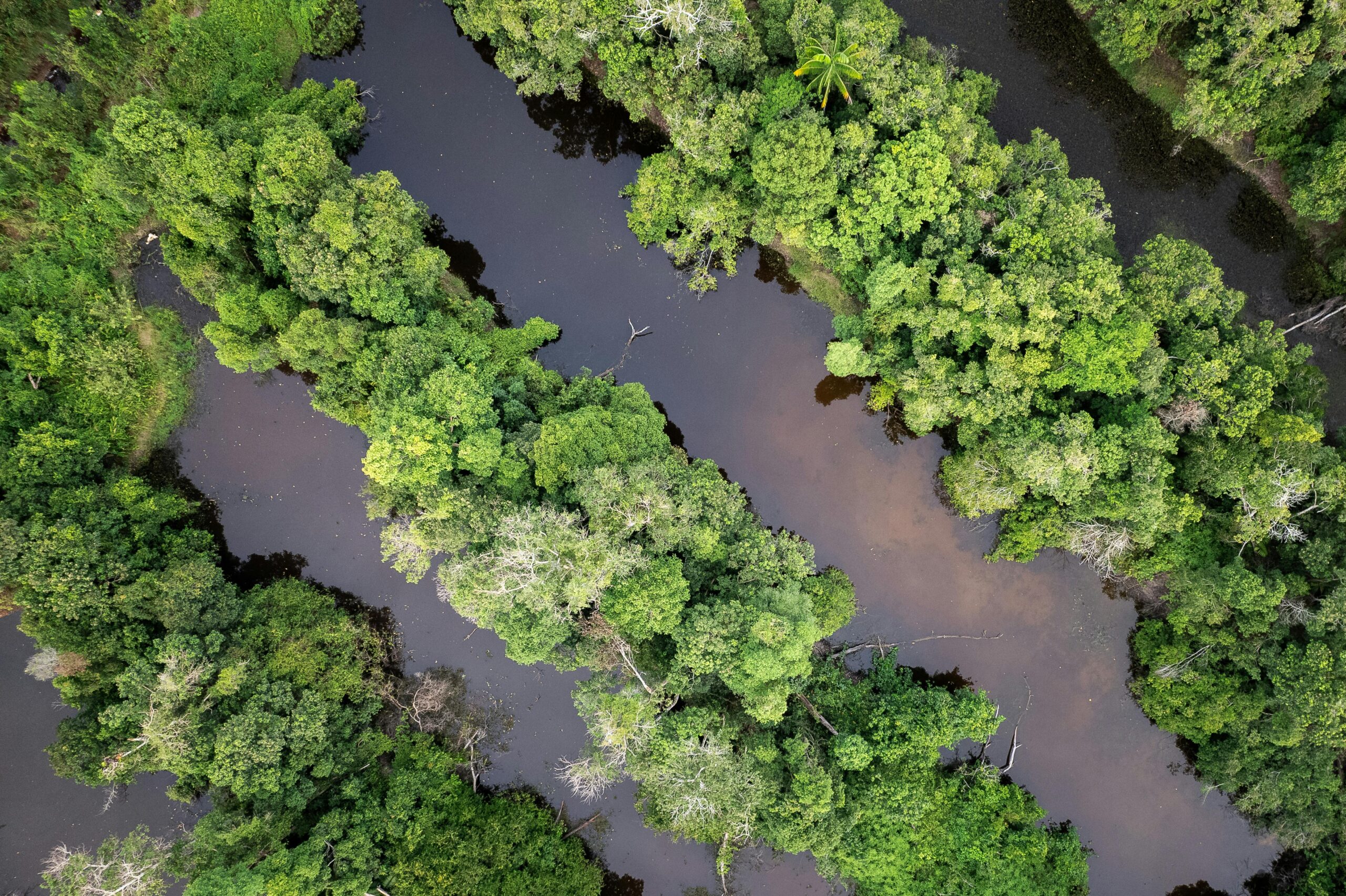
Transforming Harsh Alpine Conditions Into Productive Paradise
Wind protection structures represent foundational infrastructure for successful alpine cultivation and landscape development. By understanding wind dynamics, selecting appropriate protection strategies, and maintaining systems over time, you transform exposed mountain sites into productive oases where plants flourish and landscapes thrive. The investment in proper wind protection pays dividends through improved plant health, expanded species possibilities, increased productivity, and enhanced property enjoyment for decades to come.
Whether implementing living windbreaks, artificial barriers, or hybrid systems combining both approaches, the principles remain consistent: provide graduated protection filtering wind without creating turbulence, match structure characteristics to site conditions and protection needs, and maintain systems to ensure long-term effectiveness. Your alpine oasis awaits behind thoughtfully designed wind protection that shields tender growth while showcasing mountain majesty.