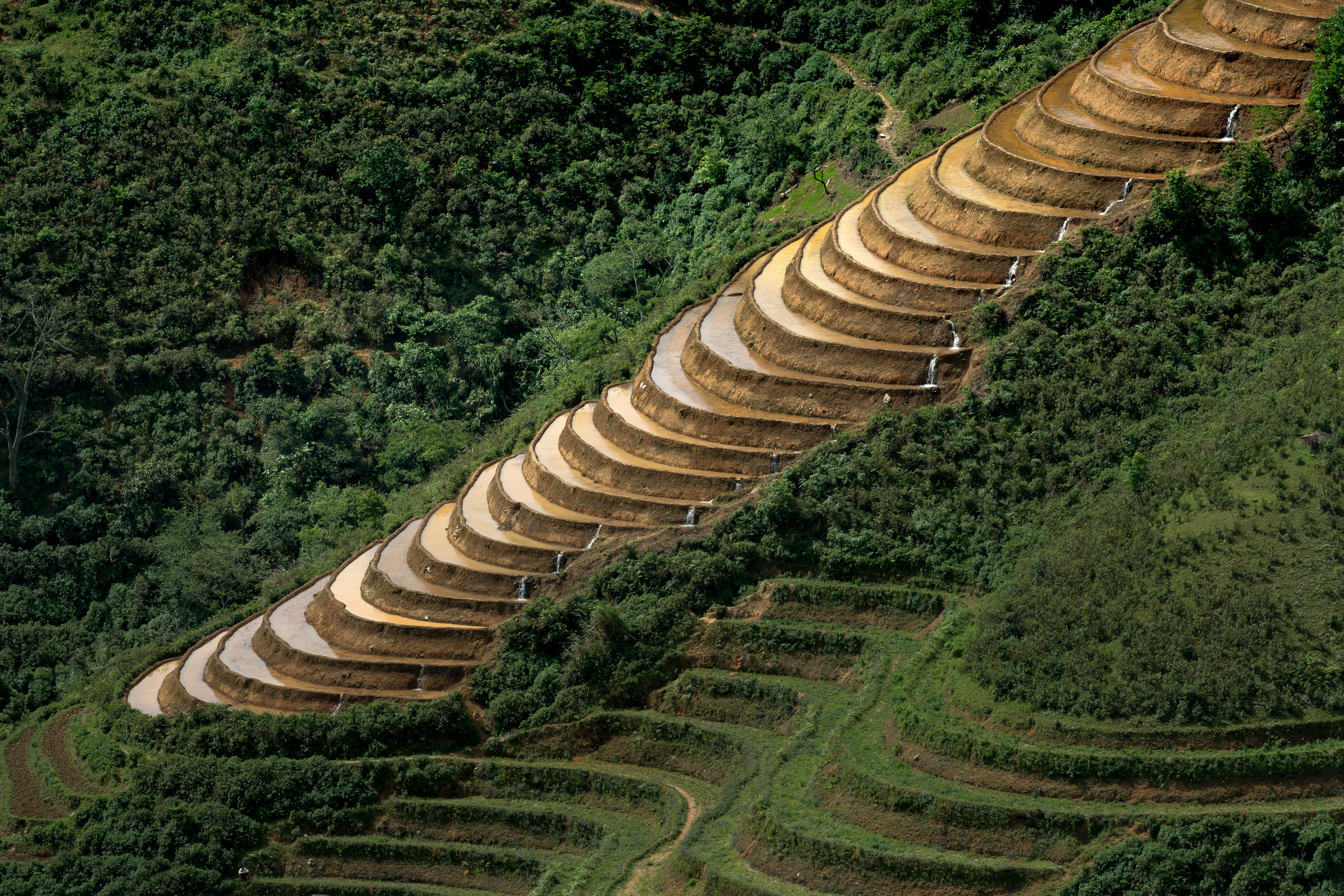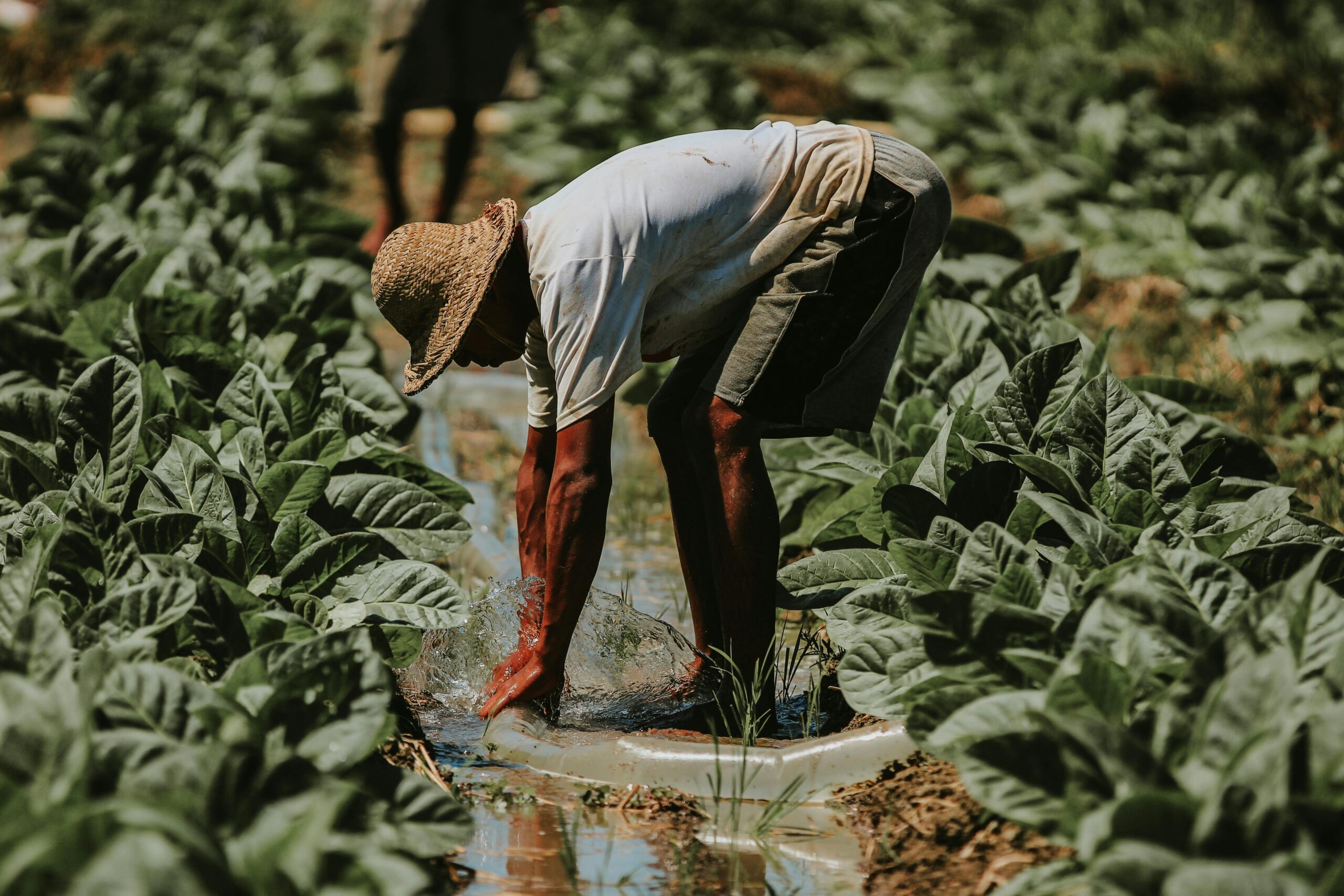
Alpine farmers face a constant battle against frost, a silent enemy that can devastate entire harvests overnight and threaten agricultural livelihoods in mountainous regions.

🏔️ Understanding the Alpine Frost Challenge
High-altitude agriculture presents unique challenges that lowland farmers rarely encounter. Alpine crops face temperature fluctuations, shortened growing seasons, and the ever-present threat of frost damage. These freezing temperatures can strike unexpectedly, even during what should be warmer months, causing cell damage in plants that results in wilted leaves, blackened fruits, and complete crop failure.
The economic impact of frost damage extends far beyond individual farms. Alpine regions worldwide depend on specialty crops like vineyards, orchards, and high-value vegetables that command premium prices but require significant investment. A single frost event can wipe out an entire season’s work, leaving farmers with substantial losses and threatening the viability of mountain agriculture.
Climate change has made frost protection even more critical. Unpredictable weather patterns, earlier blooming periods, and late-season cold snaps create a perfect storm of vulnerability. Traditional farming wisdom no longer provides adequate guidance, making innovative frost protection solutions essential for survival in alpine agricultural communities.
Traditional Methods Still Standing Strong
Before diving into cutting-edge technology, it’s worth acknowledging that some traditional frost-fighting methods remain effective and economically viable for many alpine farmers. These time-tested approaches form the foundation upon which modern innovations build.
Smudge Pots and Heaters
Oil-burning smudge pots have protected orchards for over a century. These devices create heat and smoke that forms a protective blanket over crops, raising ambient temperatures by several critical degrees. Modern versions use cleaner-burning fuels and more efficient designs, but the principle remains unchanged. Farmers typically place heaters strategically throughout their fields, igniting them when temperatures approach freezing thresholds.
While effective, this method requires constant monitoring, significant fuel costs, and can raise environmental concerns. However, for smaller operations or as backup protection, heaters remain a practical component of comprehensive frost management strategies.
Wind Machines and Air Circulation
Large propeller-driven wind machines have become iconic fixtures in frost-prone agricultural areas. These towering devices mix warmer air from above with cold air settling at ground level, preventing frost formation during temperature inversions. A single wind machine can protect several acres, making them cost-effective for larger operations.
The effectiveness of wind machines depends heavily on atmospheric conditions. They work best during radiative frost events when clear skies allow warmer air to layer above cold ground-level air. Their limitations during advective frost events, when cold air masses move through an area, make them most suitable as part of a multi-pronged approach.
🌡️ Technology-Driven Temperature Management
The digital revolution has transformed frost protection from reactive scrambling to proactive management. Modern farmers leverage sophisticated technology to anticipate, monitor, and respond to freezing threats with unprecedented precision.
Smart Weather Monitoring Systems
Contemporary frost management begins with accurate, real-time data collection. Advanced weather stations equipped with multiple sensors provide hyperlocal forecasting that far exceeds general regional predictions. These systems measure temperature, humidity, wind speed, soil temperature, and dewpoint across multiple locations within a single farm.
Wireless sensor networks create detailed microclimatic maps, identifying cold pockets and vulnerable areas that require extra attention. Data feeds directly to farmers’ smartphones, enabling immediate response regardless of their physical location. Machine learning algorithms analyze historical patterns alongside current conditions to predict frost events hours or days in advance.
This predictive capability allows farmers to prepare protection measures proactively rather than reacting in the middle of the night. The return on investment comes not just from saved crops but from reduced labor costs, optimized resource deployment, and improved sleep quality for farmers who no longer need constant manual monitoring.
Automated Irrigation and Microsprinkler Systems
Perhaps the most widely adopted innovative frost protection method combines ancient physics with modern automation. When water freezes, it releases latent heat—a principle that protects the plant tissue beneath ice layers. Automated microsprinkler systems activate when temperatures approach freezing, coating crops with a fine mist that freezes and maintains the underlying plant at approximately 32°F (0°C), preventing damage to cells.
Modern systems integrate with weather monitoring stations for automatic activation based on preset parameters. Precision nozzles ensure even coverage while minimizing water waste. This method proves particularly effective for vineyards, berry crops, and fruit trees, where it can mean the difference between a profitable harvest and total loss.
The challenges include water availability, drainage considerations, and the weight of accumulated ice on delicate branches. However, technological refinements continue improving efficiency and effectiveness, making overhead irrigation one of the most reliable frost protection tools available.
Biological and Chemical Frost Protection Innovations
Not all frost-fighting innovations involve machinery or infrastructure. Biological approaches and chemical treatments offer complementary protection methods that work at the cellular level to enhance plant resilience.
Ice Nucleation Inhibitors
Ice formation on plant surfaces typically begins around naturally occurring bacteria that act as nucleation sites. Scientists have developed biological ice nucleation inhibitors—beneficial bacteria that compete with ice-forming bacteria, reducing frost damage initiation. Applications of these products before anticipated frost events can provide several degrees of protection.
Chemical alternatives include protein-based products that interfere with ice crystal formation. While research continues, early results show promise for specialty crops where even partial protection can preserve significant value. These treatments work best as part of integrated protection strategies rather than standalone solutions.
Biostimulants and Crop Hardening
Preventive approaches include biostimulants that enhance plants’ natural cold tolerance. These products contain amino acids, seaweed extracts, and other compounds that strengthen cell walls and improve stress response. Applied regularly throughout the growing season, they help crops withstand brief exposure to freezing temperatures that might otherwise cause damage.
Crop hardening techniques involve gradually exposing plants to cooler temperatures or using specific nutrient regimens that build cold resilience. While not providing absolute protection against severe frost, these methods raise the threshold at which damage occurs, buying crucial degrees of protection.
❄️ Innovative Physical Barriers and Covers
Physical protection methods have evolved far beyond simple tarps and blankets. Modern materials and engineering have created sophisticated barrier systems that provide effective frost protection while maintaining crop health and accessibility.
Advanced Row Covers and Protective Fabrics
Next-generation agricultural fabrics offer impressive frost protection while allowing light, air, and moisture penetration. These engineered textiles can provide 4-8 degrees of protection, creating a microclimate that safeguards vulnerable crops during critical growth stages.
Lightweight designs allow for season-long coverage without plant damage, while heavier-weight options provide emergency protection during unexpected frost events. Some innovative fabrics incorporate reflective properties that maximize daytime heat collection while providing nighttime insulation.
Automated systems for deploying and retracting covers represent the cutting edge of physical protection technology. Motorized rails or cables rapidly extend fabric covers over crop rows when frost threatens, then retract them for normal growing conditions. This automation eliminates the massive labor requirements that previously made large-scale row cover use impractical.
Protective Structures and High Tunnels
Semi-permanent structures like high tunnels and polytunnels extend growing seasons and provide reliable frost protection. These unheated greenhouse alternatives create warmer microclimates that can prevent frost damage while requiring significantly less infrastructure investment than traditional greenhouses.
Modern designs incorporate ventilation systems, automated side curtains, and even supplemental heating for extreme cold events. The versatility of high tunnels makes them valuable investments for diversified alpine farms, protecting spring and fall crops while extending profitable production beyond traditional seasons.
Renewable Energy Solutions for Frost Fighting
Sustainability concerns and energy costs drive innovation toward renewable-powered frost protection systems. These solutions reduce operational expenses while minimizing environmental impact—an increasingly important consideration for premium alpine products marketed to environmentally conscious consumers.
Solar-Powered Heating Systems
Solar thermal systems collect daytime heat that can be released during nighttime frost events. Advanced designs use phase-change materials that store thermal energy efficiently, then release it gradually throughout cold nights. Solar-powered electric heaters provide supplemental warmth in strategic locations without ongoing fuel costs or emissions.
While initial investments can be substantial, the elimination of fuel costs and potential carbon credits make these systems increasingly attractive. As technology improves and costs decline, solar frost protection will likely become standard practice in many alpine growing regions.
Geothermal and Ground-Source Solutions
The earth’s relatively constant subsurface temperature provides another renewable heat source for frost protection. Geothermal systems circulate fluid through underground pipes, capturing warmth that prevents freezing at the surface. Ground-source heat pumps amplify this effect, providing efficient protection for greenhouses and high tunnels.
These systems require significant upfront investment and site-specific engineering but deliver reliable, cost-effective protection for decades. They work particularly well for permanent plantings like orchards and vineyards where the infrastructure investment can be amortized over long productive lifespans.
🛰️ Precision Agriculture and Data-Driven Decision Making
The convergence of multiple technologies creates integrated frost management systems that optimize protection strategies based on real-time conditions and predictive modeling.
Drone Technology and Thermal Imaging
Unmanned aerial vehicles equipped with thermal cameras provide unprecedented visibility into temperature variations across agricultural landscapes. Pre-dawn flights identify cold spots and verify protection system effectiveness, allowing immediate adjustments before damage occurs.
Some experimental systems use drones to deploy protective materials or even to circulate air, though these applications remain largely developmental. The real value currently lies in monitoring and data collection that informs better decision-making.
Integrated Management Platforms
Comprehensive software platforms combine weather monitoring, equipment control, and decision support into unified management systems. Farmers access real-time data, receive alerts, and remotely activate protection measures through smartphone apps or computer interfaces.
These platforms learn from each frost event, refining their predictive models and recommendations. Integration with broader farm management systems provides insights into the cost-effectiveness of different protection strategies, helping farmers optimize their investments.
Building Community Resilience Through Cooperative Solutions
Individual farmers often lack resources for comprehensive frost protection infrastructure. Cooperative approaches multiply effectiveness while distributing costs across multiple stakeholders.
Shared Equipment and Resource Pools
Agricultural cooperatives increasingly invest in shared frost protection equipment that members can access during critical periods. Mobile wind machines, portable heaters, and rapid-deployment covering systems serve multiple farms rather than sitting idle most of the year on individual properties.
Cooperative weather monitoring networks provide better data coverage than individual systems while reducing per-farm costs. Shared expertise and coordinated response protocols enhance protection effectiveness across entire alpine agricultural communities.
Knowledge Sharing and Research Collaboration
Farmer networks facilitate rapid dissemination of successful strategies and lessons learned from frost events. University partnerships bring research insights directly to alpine producers, accelerating adoption of effective innovations while avoiding costly mistakes.
These collaborative relationships also identify regional research priorities, ensuring that scientific efforts address the specific challenges facing alpine agriculture rather than focusing solely on lowland crop production.
🌱 Looking Toward the Future of Frost Protection
Emerging technologies promise even more effective frost fighting solutions in coming years. Genetic research explores crop varieties with enhanced cold tolerance without sacrificing yield or quality. Nanotechnology applications may deliver protective coatings or targeted temperature regulation at microscopic scales.
Climate modeling improvements will provide earlier and more accurate frost predictions, enabling better preparation and resource allocation. Artificial intelligence systems will optimize protection strategies by learning from thousands of frost events across multiple regions and crop types.
The integration of frost protection into comprehensive climate adaptation strategies will become increasingly important. Alpine farmers cannot simply fight frost—they must build resilient agricultural systems that thrive despite increasing weather volatility and uncertainty.
Making Protection Economically Viable
The most innovative frost protection solution remains worthless if farmers cannot afford implementation. Economic viability requires careful analysis of risk, crop value, protection costs, and long-term sustainability.
Government support programs, crop insurance innovations, and value-added marketing strategies all contribute to making frost protection investments financially feasible. Premium pricing for protected crops that guarantee consistent quality and availability can justify higher production costs.
Scalable solutions that grow with farm operations allow gradual investment rather than requiring massive upfront capital. Starting with foundational monitoring systems, then adding active protection measures as budgets allow, creates pathways for farms of all sizes to improve frost resilience.
Protecting Alpine Agriculture for Generations
The battle against frost in alpine regions will never be completely won, but innovative solutions are transforming the odds in farmers’ favor. By combining traditional wisdom with cutting-edge technology, physical protection with biological approaches, and individual action with community cooperation, alpine agriculture is building resilience against one of its most persistent threats.
These frost fighters—whether machines, methods, or microbes—represent more than agricultural tools. They embody the determination of mountain communities to maintain productive, sustainable farming traditions in challenging environments. As climate change intensifies weather extremes, continued innovation in frost protection becomes not just economically important but culturally essential.
The future of alpine agriculture depends on farmers’ ability to adapt, innovate, and implement comprehensive protection strategies. With each technological advancement and each season’s hard-won experience, mountain farmers grow more capable of defending their crops and preserving the agricultural heritage that defines alpine communities worldwide. The frost may never surrender, but neither will those who cultivate the high places of our world. 🏔️