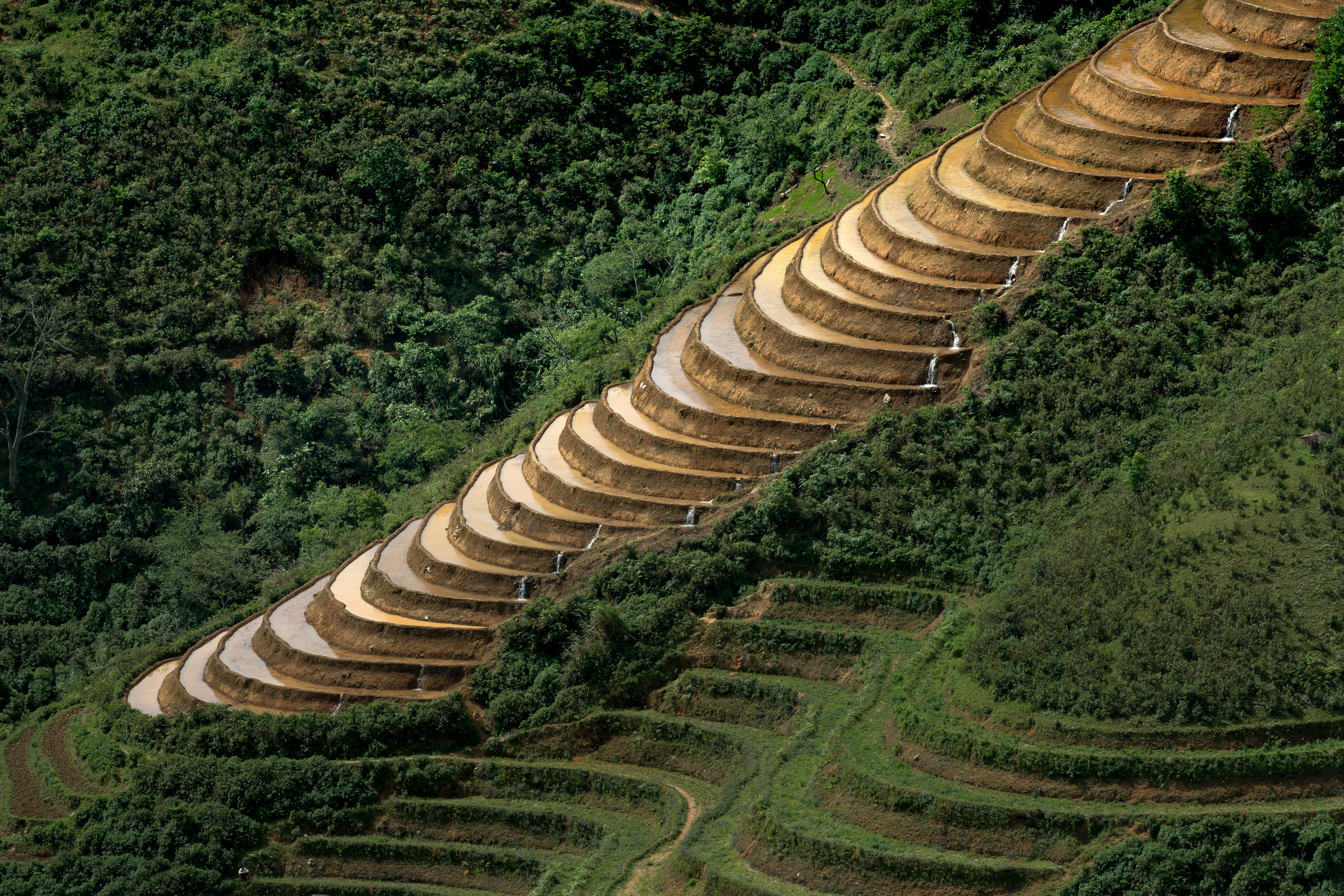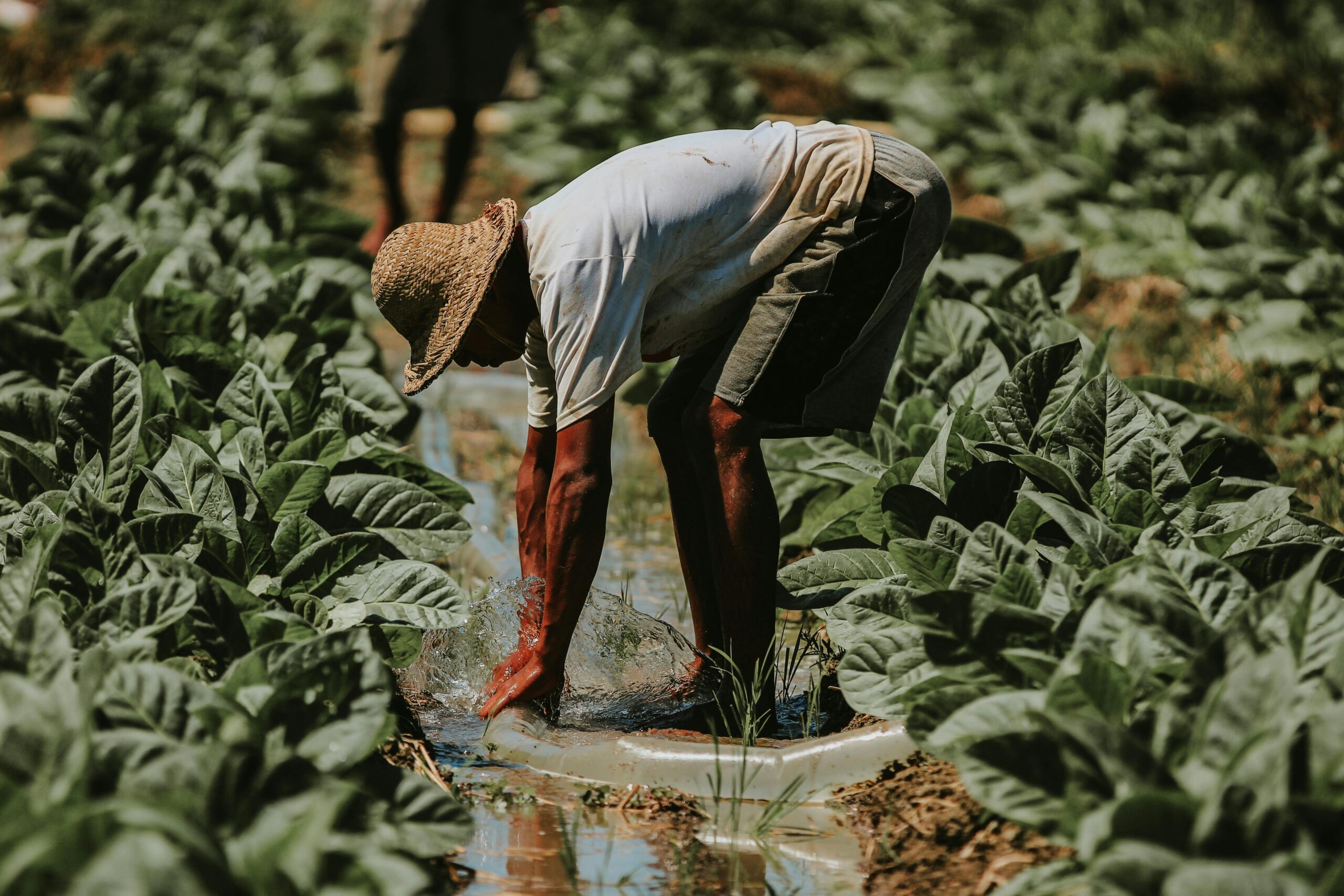
The mountains are no longer just a destination for adventure seekers and nature lovers—they’re becoming laboratories for groundbreaking culinary innovation that could reshape how we think about food production worldwide.

🏔️ The Alpine Food Revolution Begins
High-altitude environments have traditionally posed significant challenges for agriculture and food production. The thin air, extreme temperature fluctuations, intense UV radiation, and shortened growing seasons have historically limited what communities could cultivate in mountainous regions. Yet today, visionaries in food science, agriculture, and culinary arts are transforming these obstacles into opportunities, pioneering techniques that could feed not only mountain communities but potentially contribute solutions to global food security challenges.
Alpine cuisine is experiencing a renaissance driven by technological advancement, climate adaptation strategies, and a renewed appreciation for traditional mountain foodways. From vertical farms powered by renewable energy to genetically adapted crop varieties and innovative preservation methods, the future of food production at high altitudes is being written right now across mountain ranges from the Alps to the Andes, the Rockies to the Himalayas.
Why High Altitude Innovation Matters Now
Climate change is pushing agricultural zones upward as lowland areas become less hospitable for traditional farming. Simultaneously, mountain regions are experiencing their own climate-related disruptions, forcing communities to adapt rapidly. This convergence has created urgency around developing resilient food production systems specifically designed for high-altitude conditions.
Mountain communities represent approximately 15% of the global population, yet they’ve historically depended heavily on food imports due to limited local production capacity. Innovations in alpine food production promise greater food sovereignty, reduced transportation emissions, and preservation of cultural food traditions that might otherwise disappear.
Beyond serving mountain populations, high-altitude agricultural innovations offer testbeds for extreme-environment food production—knowledge that could prove invaluable for urban vertical farming, space colonization efforts, and climate-stressed regions worldwide.
🌱 Cutting-Edge Growing Technologies Transforming Mountain Agriculture
Controlled Environment Agriculture at Elevation
The most dramatic innovations in alpine food production involve controlled environment agriculture (CEA) systems specifically adapted for mountain conditions. These high-tech growing facilities use hydroponics, aeroponics, and aquaponics to produce fresh vegetables, herbs, and even fruits year-round, regardless of external weather conditions.
What makes mountain CEA unique is its integration with renewable energy sources abundant at high altitudes—particularly solar and wind power. Many facilities are designed to be net-zero or even energy-positive, storing excess power generated during sunny or windy periods. The naturally cool temperatures at elevation reduce cooling costs significantly, while the intense UV radiation provides opportunities for concentrated solar energy collection.
Several Swiss and Austrian facilities have pioneered modular growing systems that can be installed in converted shipping containers or purpose-built structures, making them scalable for communities of various sizes. These systems incorporate LED lighting tuned to optimal photosynthetic wavelengths, automated nutrient delivery, and climate control systems that maintain ideal growing conditions with minimal human intervention.
Cold-Hardy Crop Development
Plant scientists are developing new crop varieties specifically bred or genetically adapted for high-altitude conditions. These innovations go beyond traditional selective breeding to include CRISPR gene editing and cross-breeding with wild alpine plant relatives that have naturally evolved cold tolerance mechanisms.
Recent breakthroughs include tomato varieties that fruit reliably at temperatures 10 degrees cooler than conventional cultivars, lettuce strains with enhanced UV tolerance, and grain varieties with dramatically shortened maturation periods that fit within brief mountain growing seasons.
Indigenous crop varieties are also receiving renewed attention. Ancient grains like quinoa, amaranth, and buckwheat, which evolved in high-altitude regions, are being studied for traits that could be transferred to other crops. Traditional alpine vegetables like Swiss chard and various brassicas are being optimized for improved yields and nutritional profiles.
Innovative Protein Production in the Mountains
Insect Farming Takes Flight at High Altitudes
Insect farming represents one of the most promising protein production innovations for alpine regions. Facilities raising mealworms, crickets, and black soldier flies require minimal space and can be maintained in climate-controlled environments with relatively low energy inputs compared to traditional livestock.
Mountain insect farms benefit from cool ambient temperatures that reduce climate control costs while maintaining the warm interior environments these species require. The resulting protein can be processed into flour for baking, used as animal feed to support traditional livestock operations, or prepared as whole-insect foods that are gaining culinary acceptance worldwide.
Several alpine regions have established insect farming cooperatives that provide local restaurants with sustainable protein sources while creating new economic opportunities for mountain communities.
Cellular Agriculture Reaches New Heights
Though still emerging, cellular agriculture—the production of animal products from cell cultures rather than whole animals—is finding early adoption in alpine regions. The technology appeals to mountain communities seeking food security without the extensive land requirements of traditional ranching.
Small-scale bioreactors producing cultured dairy proteins and eventually cultivated meat could supplement traditional alpine animal husbandry rather than replace it. This hybrid approach respects cultural traditions while embracing innovation, potentially offering the best of both worlds.
🧊 Preservation and Storage Innovations
Natural Cold Storage Reimagined
Mountains have always provided natural refrigeration, but modern innovations are systematizing these advantages. Underground storage facilities carved into mountainsides maintain consistently cool temperatures with zero energy input, perfect for root vegetables, cheeses, and preserved goods.
Some communities are developing “food batteries”—large-scale thermal storage systems that capture winter cold to extend food preservation capabilities well into warmer months. These systems use phase-change materials or ice storage that releases cooling capacity gradually, maintaining food-safe temperatures in storage facilities without mechanical refrigeration.
Advanced Fermentation and Preservation
Alpine communities have rich fermentation traditions—from cheese and yogurt to sauerkraut and preserved meats. Modern food scientists are building on these traditions with precision fermentation techniques that improve safety, consistency, and nutritional outcomes.
New applications include fermented plant-based dairy alternatives using traditional alpine bacterial cultures, extended-shelf-life fermented vegetables enhanced with probiotic strains, and innovative preservation methods that maintain fresh-like quality in foods stored for months without refrigeration.
Technology Platforms Supporting Alpine Food Innovation
Smart Agriculture Management Systems
Digital platforms are revolutionizing how alpine farmers and food producers manage their operations. IoT sensors monitor soil conditions, temperature, humidity, and plant health in real-time, providing data that helps optimize growing conditions and predict problems before they become critical.
These systems are particularly valuable in mountains where weather can change rapidly and growing windows are narrow. Automated alerts warn farmers of approaching frosts, excessive UV exposure, or moisture stress, enabling timely interventions that protect crops and maximize yields.
Cloud-based platforms also connect alpine producers with markets, allowing direct sales to restaurants and consumers while providing transparency about production methods and sustainability metrics that increasingly drive purchasing decisions.
Community-Supported Agriculture Technology
Digital platforms are strengthening connections between mountain food producers and consumers through enhanced community-supported agriculture (CSA) models. Members can track their food from seed to harvest through apps that provide photos, videos, and data about growing conditions.
These platforms handle subscription management, delivery logistics, and payment processing while building community through recipes, preparation tips, and stories about the producers. For geographically isolated alpine producers, these digital connections create economic viability that traditional marketing channels couldn’t provide.
🍽️ Culinary Innovation Meets Alpine Traditions
Modern Mountain Gastronomy
Chefs working in alpine regions are pioneering a new mountain gastronomy that honors traditional foodways while incorporating novel ingredients and techniques. This movement celebrates hyper-local sourcing, showcases ancient grains and forgotten vegetables, and demonstrates how innovation and tradition can coexist beautifully on the plate.
Restaurants are partnering directly with alpine innovators to feature hydroponically grown microgreens alongside traditionally aged mountain cheeses, insect-based proteins prepared with classical techniques, and foraged ingredients that connect diners to the mountain landscape.
This culinary movement also encompasses education, with cooking schools in alpine regions offering programs focused on sustainable mountain gastronomy that train the next generation of chefs in both traditional and innovative approaches to alpine cuisine.
Preservation of Food Heritage
Paradoxically, food innovation in the mountains is also driving preservation of traditional knowledge. As communities adopt new production methods, there’s heightened awareness of the value in traditional practices developed over centuries.
Digital archives are documenting traditional recipes, preservation methods, and food customs before they’re lost. Some projects involve elders teaching younger generations traditional skills while simultaneously learning about new technologies, creating intergenerational knowledge exchange that strengthens communities.
Economic and Social Impact of Alpine Food Innovation
Creating Mountain Economies
Food innovation is generating new economic opportunities in alpine regions that have struggled with outmigration as traditional livelihoods become less viable. Young people are returning to mountain communities to launch food startups, operate high-tech farms, and develop value-added products that command premium prices.
These enterprises often operate at smaller scales than industrial agriculture but achieve profitability through quality, uniqueness, and direct marketing to consumers who value sustainability and authenticity. The result is economic diversification that makes mountain communities more resilient.
Building Food Security and Sovereignty
Perhaps most importantly, innovations in alpine food production are building food security in regions that have been vulnerable to supply disruptions. When communities can produce more of their own food locally, they’re less dependent on long supply chains susceptible to weather events, fuel costs, and other disruptions.
This sovereignty extends beyond mere calories to encompass nutrition, cultural appropriateness, and community control over food systems. Mountain communities are reclaiming agency over what they eat, how it’s produced, and who benefits economically from food production.
🌍 Global Implications of Alpine Food Innovation
Climate Adaptation Strategies
The innovations emerging from alpine food systems offer blueprints for climate adaptation globally. As traditional agricultural regions face increasing climate instability, lessons from mountain food production—resilience, diversity, local control, and integration of traditional and modern knowledge—become increasingly relevant everywhere.
Techniques developed for short mountain growing seasons apply to regions with climate-shortened agricultural windows. Energy-efficient production methods pioneered in resource-limited mountain communities offer models for sustainable intensification worldwide. Cold-adapted crop varieties may find new applications as temperature zones shift globally.
Urban Agriculture Applications
Many innovations developed for alpine environments translate directly to urban contexts. Vertical farming systems, energy-efficient climate control, and space-efficient production methods work as well in city buildings as in mountain facilities. The closed-loop systems that make sense in resource-limited mountains also appeal to urban operations seeking sustainability.
This technology transfer is already happening, with alpine food innovators consulting for urban agriculture projects and urban technologies being adapted for mountain applications, creating a productive exchange that benefits both contexts.
Challenges and Considerations Moving Forward
Despite tremendous promise, alpine food innovation faces real challenges. Initial investment costs for high-tech systems can be prohibitive for small mountain communities. Technical expertise requirements may exceed local capacity, creating dependence on outside specialists. There are valid concerns about whether high-tech approaches might displace traditional practices and knowledge.
Energy requirements, even for efficient systems, remain significant, and not all alpine locations have abundant renewable resources. Questions about scalability persist—can these innovations genuinely feed mountain populations, or will they remain niche operations serving affluent markets?
Cultural considerations are paramount. Food systems are deeply intertwined with identity, tradition, and social structures. Innovations that ignore these dimensions risk undermining the very communities they aim to serve. Successful alpine food innovation requires participatory approaches that center community values and decision-making.
The Path Forward for Mountain Food Systems
The future of alpine cuisine and food production lies in thoughtful integration of innovation with tradition, technology with ecology, and global knowledge with local wisdom. The most promising approaches combine multiple strategies—some high-tech systems complementing traditional agriculture, modern plant varieties growing alongside heritage crops, and new preservation methods extending the reach of seasonal production.
Investment in research, infrastructure, and education will be essential. Mountain communities need support to experiment, fail safely, learn, and scale what works. Policies should encourage innovation while protecting against exploitation and ensuring benefits accrue primarily to mountain residents themselves.
Collaboration across mountain regions worldwide can accelerate learning and adaptation. Networks connecting alpine innovators from different continents enable sharing of techniques, varieties, technologies, and business models that can be adapted to local contexts.

🎯 A Transformed Alpine Food Future
The revolution in alpine food production represents more than technological advancement—it’s a reimagining of humanity’s relationship with mountains and food itself. These innovations demonstrate that even the most challenging environments can become productive, that tradition and innovation can coexist synergistically, and that small-scale, distributed food systems can be both technologically sophisticated and deeply rooted in place.
As climate change reshapes where and how food can be grown, the experiments happening now in mountain communities worldwide offer hope and practical pathways forward. The future of alpine cuisine is being written in hydroponic facilities and traditional cheese caves, in gene-edited cold-hardy crops and foraged mountain herbs, in insect farms and heritage grain fields.
This future honors mountain environments rather than fighting against them, celebrates cultural food traditions while welcoming innovation, and builds resilient food systems that can weather whatever changes lie ahead. The mountains, always places of challenge and inspiration, are once again teaching humanity valuable lessons—this time about feeding ourselves sustainably in an uncertain world.