Alpine gardening presents unique challenges, but with the right structures and techniques, you can transform high-altitude limitations into thriving growing opportunities year-round.

🏔️ Understanding the Alpine Growing Challenge
High-altitude environments create a paradox for gardeners and farmers. While these regions often receive abundant sunlight and clean air, they also subject plants to extreme temperature fluctuations, intense UV radiation, shortened growing seasons, and unpredictable weather patterns. Traditional agriculture struggles in these conditions, with frost occurring even during summer months and winds that can damage tender plants within hours.
The alpine zone typically begins at elevations above 2,500 meters (8,200 feet), though this varies by latitude and local geography. At these heights, atmospheric pressure drops, temperatures plummet at night regardless of season, and the growing season may shrink to a mere 60-90 days. Yet communities have inhabited these regions for millennia, developing ingenious methods to coax food from seemingly inhospitable terrain.
Modern protected cultivation techniques—specifically greenhouses and cold frames—offer revolutionary solutions for alpine agriculture. These structures create microclimates that buffer against environmental extremes while capitalizing on the advantages unique to high elevations. The result? Extended growing seasons, improved crop diversity, and yields that would be impossible in open-field conditions.
The Science Behind Protected Cultivation at Elevation
Greenhouses and cold frames work by trapping solar radiation and creating a warmer environment than the surrounding atmosphere. This greenhouse effect becomes particularly powerful at high altitudes, where solar radiation is more intense due to thinner atmospheric filtering. In fact, UV radiation increases approximately 10-12% for every 1,000 meters of elevation gain.
During daylight hours, transparent or translucent materials allow sunlight to penetrate and warm the soil, plants, and interior surfaces. These warmed elements then radiate heat as infrared radiation, which cannot easily escape through the covering material. This heat retention is critical during alpine nights when temperatures can drop below freezing even in midsummer.
The reduced atmospheric pressure at altitude also affects plant physiology. Lower partial pressure of carbon dioxide can limit photosynthesis, but the controlled environment within greenhouses helps optimize CO2 availability. Additionally, protected structures shield plants from desiccating winds that accelerate transpiration and cause physical damage—a constant threat in exposed alpine locations.
Temperature Management: The Critical Factor
Temperature regulation represents the primary benefit of protected cultivation in alpine zones. A well-designed greenhouse can maintain temperatures 10-20°C (18-36°F) warmer than outside conditions during the day, and 2-5°C (3.6-9°F) warmer at night. This differential extends the growing season by 4-8 weeks on each end, effectively doubling productive time in some locations.
Cold frames, though simpler and less expensive than full greenhouses, still provide substantial temperature buffering. These low-profile structures typically raise internal temperatures by 5-10°C during the day and prevent frost formation on all but the coldest nights. Their proximity to the ground allows them to harvest geothermal heat from the earth itself—a passive heating source often overlooked in alpine gardening.
🌿 Greenhouse Design Considerations for Mountain Environments
Not all greenhouse designs perform equally well at altitude. The harsh conditions of alpine zones demand specific structural and material considerations to ensure both durability and functionality throughout the year.
Structural Integrity Against Wind and Snow
Alpine greenhouses must withstand extraordinary forces. Wind speeds regularly exceed 100 km/h (62 mph) in mountain passes, while snow loads can accumulate to dangerous weights within hours. The ideal alpine greenhouse features a steep roof pitch (45-60 degrees) to shed snow quickly and a low profile to reduce wind resistance.
Framework materials should include reinforced aluminum or galvanized steel rather than wood, which degrades rapidly under UV exposure at elevation. Foundation systems must anchor deeply into rocky soil or utilize ballast sufficient to prevent uplift during storms. Many successful high-altitude operations use hoop house designs with gothic arch profiles, which combine structural strength with excellent snow-shedding characteristics.
Glazing Material Selection
Covering materials face intense UV degradation at altitude, making material selection critical for longevity and performance. Consider these options:
- Polycarbonate panels: Offer excellent insulation (double-wall varieties), UV resistance, and impact strength. They typically last 10-15 years at altitude before requiring replacement.
- Polyethylene film: More affordable but requires replacement every 3-4 years. UV-stabilized grades rated for 5+ years are essential for alpine use.
- Glass: Provides maximum light transmission and longevity but adds significant weight, cost, and breakage risk during hail storms.
- Acrylic: Excellent clarity and insulation but can become brittle in extreme cold and is susceptible to scratching during cleaning.
Double-layered coverings with air spaces provide superior insulation—critical for nighttime heat retention. Inflation systems that maintain air pressure between layers improve insulation values by up to 40% compared to single-layer designs.
Cold Frames: The Budget-Friendly Alpine Solution
For gardeners with limited resources or those testing alpine cultivation for the first time, cold frames offer an accessible entry point. These simple structures consist of a bottomless box with a transparent lid, typically oriented to face south (or north in the Southern Hemisphere) for maximum solar gain.
Traditional cold frames measure approximately 1.2 meters wide by 1.8 meters long (4×6 feet), but dimensions can be customized based on available materials and intended crops. The back wall should be 15-20 cm (6-8 inches) higher than the front to create the optimal angle for capturing sunlight and shedding precipitation.
Construction Materials for Extreme Conditions
Alpine cold frames require more robust construction than their lowland counterparts. Pressure-treated lumber or composite materials resist moisture and temperature cycling better than standard wood. The transparent lid—often recycled windows or polycarbonate sheets—should be hinged with weather-resistant hardware and include a prop stick for ventilation on warm days.
Insulation becomes crucial for extending the cold frame season into winter months. Surrounding the frame with straw bales, banking soil against the sides, or lining the interior with rigid foam insulation panels can prevent soil freezing even when air temperatures plummet. Some alpine gardeners paint the interior walls black to increase heat absorption during daylight hours.
🌱 Strategic Crop Selection for Protected Alpine Growing
Even with greenhouse or cold frame protection, not all crops thrive equally well at altitude. Successful alpine gardening requires matching plant varieties to the unique conditions of protected high-elevation cultivation.
Cool-Season Champions
Crops that naturally prefer cooler temperatures excel in alpine greenhouses, where even with protection, ambient temperatures remain moderate compared to lowland regions. These include:
- Leafy greens: Lettuce, spinach, kale, and chard grow vigorously and often taste sweeter due to slower growth rates at elevation.
- Brassicas: Broccoli, cauliflower, cabbage, and Brussels sprouts thrive in protected alpine environments, producing dense, flavorful heads.
- Root vegetables: Carrots, beets, turnips, and radishes develop excellent flavor profiles in the cool soil conditions of cold frames.
- Peas and beans: These legumes perform well during the short alpine summer, with greenhouse protection enabling earlier planting and later harvests.
Adapting Warm-Season Crops
Traditional warm-season vegetables like tomatoes, peppers, and cucumbers can succeed in alpine greenhouses with careful variety selection and management. Choose short-season cultivars bred for northern climates, which mature quickly before temperatures drop. Determinate tomato varieties that produce concentrated harvests work better than indeterminate types requiring extended warm periods.
Starting these crops indoors or in heated propagation areas, then transplanting to greenhouses once soil temperatures reach appropriate levels, maximizes the limited growing window. Heat-absorbing materials like water barrels or stone paths inside greenhouses help stabilize temperatures for these more demanding crops.
Maximizing Your Growing Season: Succession Strategies ⏰
Protected cultivation in alpine zones enables succession planting strategies that multiply productivity from limited space. Rather than planting once per season, stagger plantings every 2-3 weeks to ensure continuous harvests from spring through fall.
Begin the season in late winter by direct-seeding cold-hardy crops like spinach and radishes into cold frames while snow still covers the surrounding landscape. As these mature and weather warms, transition greenhouse space to tomatoes and peppers while cold frames handle the next succession of greens and root crops.
In late summer, reverse the process. Remove spent warm-season crops and plant fall greens that will mature as autumn progresses. Many leafy vegetables actually improve in flavor after light frosts, and with greenhouse protection, harvests can continue until heavy snow arrives. Some alpine gardeners harvest fresh salad greens in December by combining greenhouse cultivation with supplemental insulation during extreme cold snaps.
🌡️ Climate Control: Balancing Heat, Ventilation, and Moisture
Successful alpine greenhouse management requires vigilant climate monitoring and adjustment. The intense solar radiation at altitude can overheat enclosed spaces even when outside temperatures remain cool, while inadequate ventilation promotes disease and pest problems.
Ventilation Systems for Temperature Control
Proper air exchange prevents dangerous temperature spikes that can occur within hours during sunny weather. Manual ventilation—opening doors and roof vents—works for small-scale operations where someone can monitor conditions throughout the day. However, automatic vent openers using temperature-sensitive pistons provide reliable climate control without constant attention.
Install vents along both the ridge and lower side walls to create convective airflow. Hot air exits through upper vents while cooler air enters below, creating natural circulation. In larger greenhouses, circulation fans distribute air evenly and prevent stratification that creates hot spots near the roof and cold zones near the ground.
Humidity Management in Dry Alpine Air
Alpine regions typically feature low relative humidity, often dropping below 30% during sunny afternoons. While this reduces fungal disease pressure, extremely dry air stresses plants and accelerates soil moisture depletion. Protected structures help retain humidity, but monitoring remains important.
Water early in the morning to allow foliage to dry before temperatures drop at night. Drip irrigation or soaker hoses placed directly on soil deliver moisture efficiently while keeping leaves dry. Some growers install misting systems for propagation areas or humidity-loving crops, though these require careful management to avoid creating conditions favoring disease.
Soil Health: The Foundation of Alpine Greenhouse Success
Protected cultivation concentrates growing activity, which can rapidly deplete soil nutrients and build up pest and disease populations. Maintaining soil health becomes paramount for sustainable alpine greenhouse operations.
Incorporate abundant organic matter—compost, aged manure, or leaf mold—to improve soil structure and water retention. Alpine soils often lack organic content due to slow decomposition at cool temperatures, so greenhouse soils particularly benefit from these amendments. Many successful growers maintain composting operations specifically to feed their protected growing areas.
Practice crop rotation even within greenhouses and cold frames to prevent pest buildup and balance nutrient demands. Follow heavy feeders like tomatoes with nitrogen-fixing legumes or light-feeding greens. Consider growing cover crops like buckwheat or clover during transition periods to add organic matter and suppress weeds.
🛡️ Pest and Disease Management in Protected Environments
The enclosed environment that protects plants from harsh weather can also harbor pests and diseases if not properly managed. Fortunately, several factors work in favor of alpine growers.
The extreme conditions outside greenhouses limit overwintering pest populations compared to milder climates. Many common insects simply cannot survive alpine winters, reducing pest pressure throughout the growing season. However, pests that do establish inside protected structures can multiply rapidly in the favorable conditions.
Implement integrated pest management (IPM) strategies from the outset. Regular monitoring catches problems early when they’re easiest to address. Physical barriers like row covers provide additional protection for vulnerable crops. Encourage beneficial insects—ladybugs, lacewings, parasitic wasps—which control pests naturally without chemical inputs.
Disease prevention focuses on environmental management. Adequate spacing between plants ensures air circulation, while avoiding overhead watering keeps foliage dry. Remove diseased plant material immediately to prevent spread, and sanitize tools between uses. The naturally low humidity of alpine air helps prevent many fungal diseases that plague greenhouses in damper climates.
Energy Efficiency and Sustainability at Altitude 🌍
Alpine greenhouse operations must balance productivity with sustainability, particularly regarding energy use for heating in extreme climates. Passive solar design should form the foundation, minimizing or eliminating supplemental heating requirements.
Thermal mass—materials that absorb heat during the day and release it at night—stabilizes temperature swings. Water barrels painted black, stone or concrete floors, and even stacked firewood within the greenhouse absorb solar energy and moderate nighttime cooling. Position these thermal mass elements where they’ll receive direct sunlight throughout the day.
For operations requiring supplemental heat, focus on efficient, renewable energy sources. Solar panels generate electricity particularly well at altitude due to intense radiation and cool ambient temperatures that improve panel efficiency. Small wind turbines can harness the reliable alpine winds, while biomass heaters using sustainably harvested wood provide backup heating for extreme cold periods.
Economic Viability: Making Alpine Growing Profitable 💰
Protected cultivation in alpine zones requires upfront investment but can generate substantial returns through multiple revenue streams. Fresh vegetables command premium prices in mountain communities where most produce arrives from distant lowlands. Restaurants catering to tourists particularly value locally grown, high-quality ingredients that differentiate their offerings.
The extended season enabled by greenhouses allows growers to capture early and late-season market windows when competition is minimal and prices peak. A greenhouse producing fresh tomatoes in June—weeks before field-grown crops mature—can command prices 2-3 times higher than peak-season rates.
Value-added products leverage alpine branding. Specialty crops like herbs, edible flowers, or unique vegetable varieties can be processed into products that tell a story of mountain agriculture. Community-supported agriculture (CSA) programs create direct connections with customers while providing stable, advance income to fund operations.
🌄 Learning from Traditional Alpine Agriculture
Modern greenhouse technology builds on centuries of mountain farming wisdom. Traditional alpine communities developed sophisticated techniques for extending growing seasons long before contemporary materials existed.
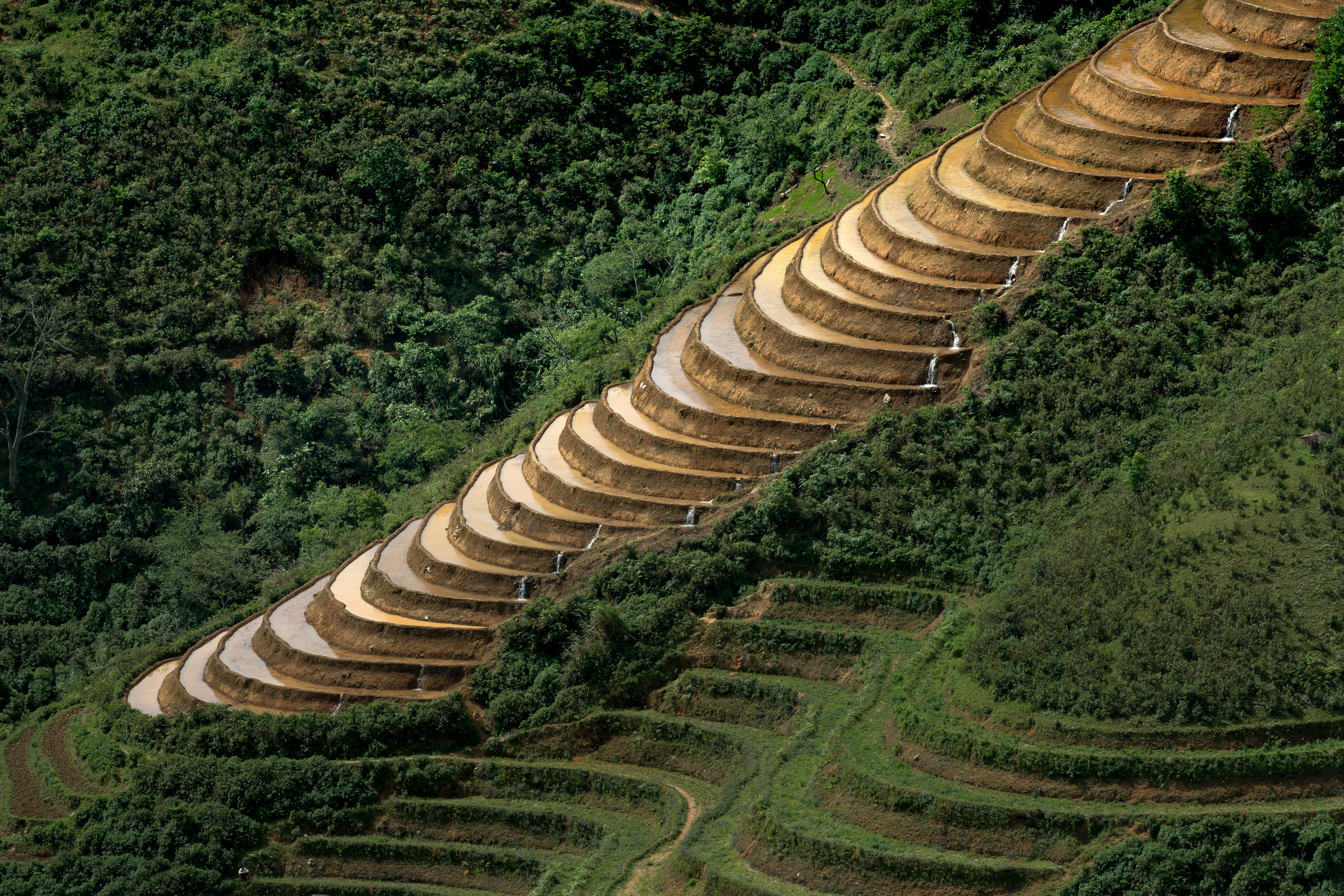
Stone walls surrounding garden plots absorbed daytime heat and radiated warmth at night while blocking wind. South-facing slopes received priority for cultivation, maximizing solar gain during short growing windows. Some cultures developed portable cloches—glass or oiled paper covers—that protected individual plants from frost, essentially creating miniature cold frames.
These time-tested principles inform modern alpine greenhouse design. Orienting structures to capture maximum winter sun, protecting from prevailing winds, and utilizing thermal mass all echo traditional practices. Contemporary growers who study and adapt these methods while incorporating modern materials and technology achieve the most resilient and productive systems.
Taking the First Steps Toward Alpine Growing Success
Beginning protected cultivation at altitude need not require massive investment or expertise. Start small with a simple cold frame constructed from recycled materials, learning the basics of season extension while testing crop varieties suited to your specific elevation and microclimate.
Document your experiences meticulously. Alpine microclimates vary dramatically over short distances, and local growing knowledge proves invaluable. Track planting dates, frost events, successful varieties, and harvest yields. This personalized data guides expansion decisions and optimization strategies as your operation develops.
Connect with other alpine growers through online forums, agricultural extension services, or local gardening groups. The challenges of high-altitude cultivation are sufficiently unique that sharing knowledge accelerates everyone’s success. What works at 2,800 meters in Colorado may require modification for the same elevation in Nepal, but underlying principles remain consistent.
Protected cultivation transforms alpine growing from a struggle against nature to a partnership with it—harnessing the advantages of altitude while mitigating its challenges. Whether you’re feeding a family, supplying a restaurant, or building a commercial operation, greenhouses and cold frames unlock the agricultural potential of mountain environments. The combination of intense sunlight, clean air, cool temperatures, and season-extending structures creates ideal conditions for producing exceptional crops that command premium markets while contributing to resilient, local food systems in the world’s highest communities.