Alpine agriculture faces unique challenges, but integrating livestock into mountain farming systems offers remarkable opportunities for building resilience, improving soil health, and creating economically viable operations in these demanding environments.

🏔️ Understanding the Alpine Agricultural Landscape
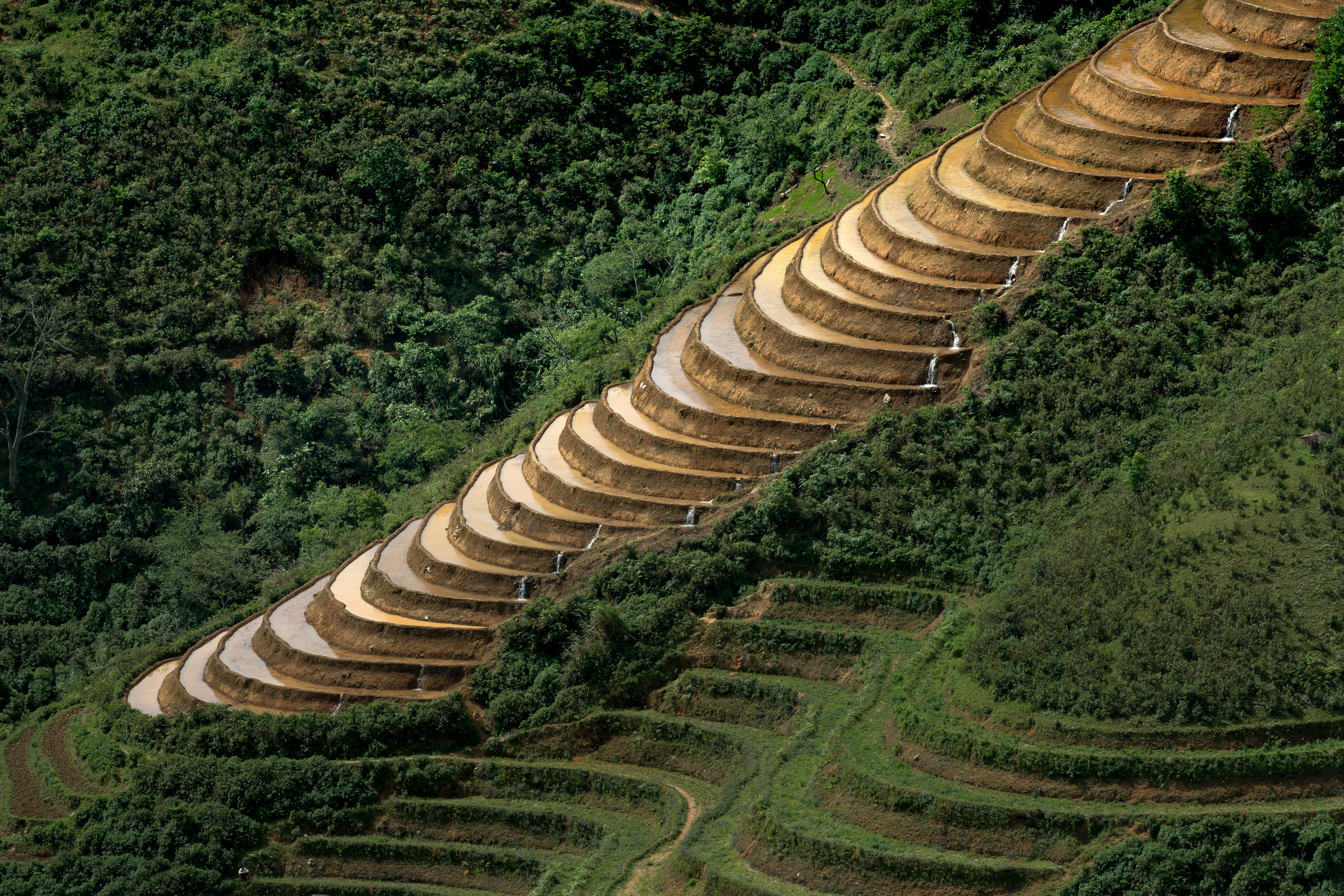
Alpine regions present distinctive agricultural conditions that demand innovative approaches to farming. These high-altitude environments, characterized by steep slopes, shorter growing seasons, and challenging weather patterns, have been home to agricultural communities for centuries. Traditional mountain farming has always involved a delicate balance between crop production and animal husbandry, creating systems that work with rather than against the natural environment.
The harsh conditions of alpine zones limit the types of crops that can be successfully cultivated. Short frost-free periods, intense solar radiation, and limited arable land mean that farmers must maximize every resource available. This is precisely where livestock integration becomes not just beneficial but essential for sustainable mountain agriculture.
Modern alpine farmers face additional pressures including climate change, rural depopulation, and competition from lowland industrial agriculture. However, integrated livestock systems offer pathways to maintain productive farms while preserving the cultural heritage and ecological integrity of mountain landscapes.
The Fundamental Principles of Livestock Integration
Livestock integration in alpine agriculture goes beyond simply keeping animals alongside crops. It represents a holistic approach where animals become functional components of the farming ecosystem, contributing to nutrient cycling, land management, and economic diversification.
In integrated systems, livestock serve multiple purposes. They convert marginal vegetation unsuitable for human consumption into high-quality protein through grazing. Their manure provides essential organic matter and nutrients to alpine soils that are often thin and nutrient-poor. Animals also help manage vegetation on steep slopes where mechanical equipment cannot operate safely or effectively.
Creating Complementary Cycles
The most successful alpine livestock integration creates complementary cycles between animals, crops, and pastures. During the growing season, livestock graze alpine meadows and steep slopes, allowing cultivated areas to produce crops. In autumn, animals move to harvested fields, consuming crop residues while fertilizing the soil for the following season.
This rotational approach prevents overgrazing, maintains pasture health, and distributes nutrients across the farm landscape. Winter housing of animals produces concentrated manure that can be composted and strategically applied to areas needing fertility improvement.
Soil Health Transformation Through Animal Integration 🌱
Alpine soils benefit tremendously from livestock integration. These soils often suffer from erosion, low organic matter content, and nutrient depletion due to steep topography and intensive weathering. Integrating animals addresses these challenges through multiple mechanisms.
Animal grazing stimulates root growth in pasture plants, increasing below-ground biomass and soil organic matter. Hooves create micro-disturbances that help water infiltration and seed establishment. Most importantly, manure application provides both nutrients and organic matter that improve soil structure, water retention, and microbial activity.
Research from European alpine regions demonstrates that well-managed integrated systems can increase soil organic carbon by 15-30% over ten years compared to crop-only systems. This carbon sequestration not only improves farm productivity but also contributes to climate change mitigation.
Managing Erosion on Mountain Slopes
Erosion poses a constant threat to alpine agriculture, but livestock can play a protective role when managed properly. Maintained pasture with healthy root systems provides the best protection against soil loss on steep terrain. Strategic grazing prevents vegetation from becoming rank or developing bare patches that invite erosion.
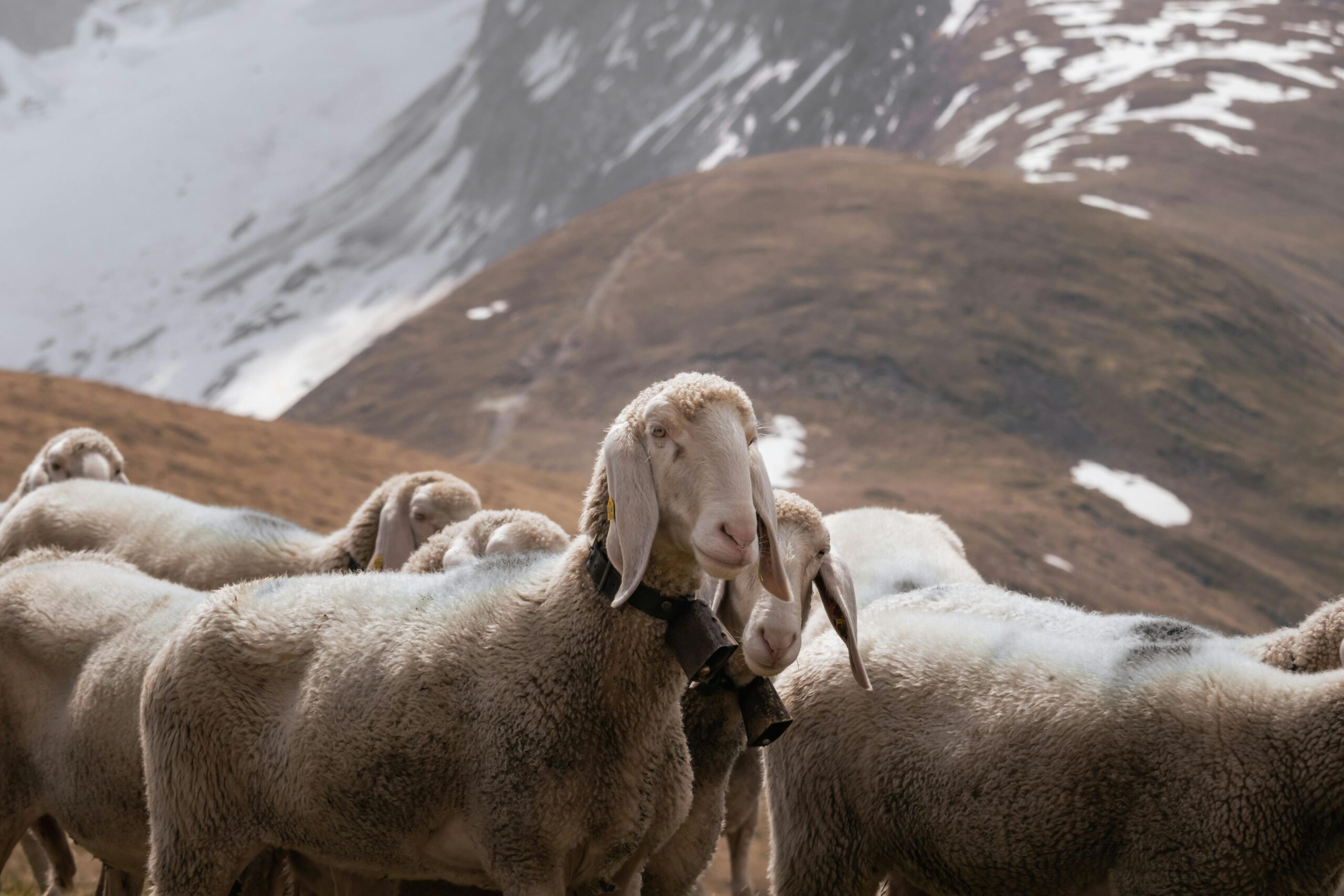
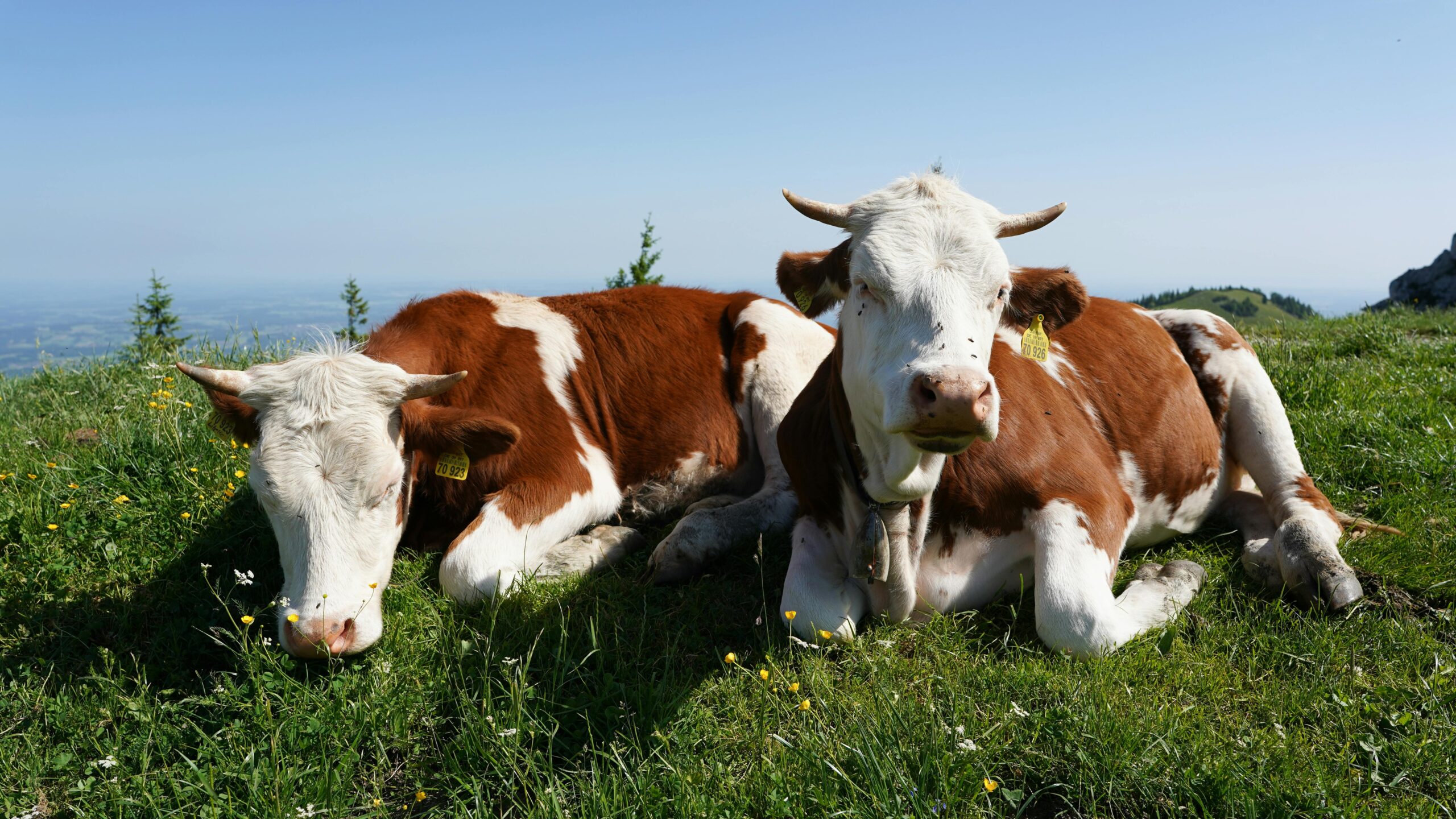
Cattle, sheep, and goats each interact differently with mountain landscapes. Goats browse woody vegetation, opening up overgrown areas while their lighter weight minimizes soil compaction. Sheep efficiently graze steep slopes and maintain short, dense swards. Cattle create more soil disturbance but can help incorporate organic matter and manage coarser vegetation.
Economic Resilience Through Diversification 💰
Financial sustainability remains a primary concern for alpine farmers. Integrated livestock systems create multiple income streams that buffer against market volatility and seasonal variations. This economic diversification proves especially valuable in mountain regions where weather events or market disruptions can significantly impact single-enterprise operations.
Livestock products—meat, milk, cheese, wool—provide income throughout the year, complementing seasonal crop production. Many alpine regions have developed premium markets for mountain products, capitalizing on consumer interest in traditional, extensively-produced foods. Artisanal cheeses from alpine cattle, lamb from mountain pastures, and other specialty products often command price premiums that make small-scale operations economically viable.
Value-Added Opportunities
Integrated alpine farms are well-positioned to develop value-added products that capture more of the retail price. On-farm cheese production, cured meats, wool products, and agritourism experiences transform basic agricultural products into higher-value offerings. These activities also create employment opportunities that help maintain rural communities in mountain regions.
Direct marketing channels, including farmers’ markets, farm shops, and community-supported agriculture programs, allow alpine farmers to tell their sustainability story while capturing better prices. Consumers increasingly value products from integrated, environmentally responsible farming systems, creating market opportunities for alpine producers.
Biodiversity Enhancement in Mountain Ecosystems 🦋
Alpine regions harbor exceptional biodiversity, including many endemic species found nowhere else. Integrated livestock farming, when properly managed, supports this biological diversity rather than diminishing it. Traditional alpine farming systems created much of the biodiversity hotspots we value today through centuries of mixed land use.
Moderate grazing maintains the diverse plant communities that characterize alpine meadows. Without grazing, many of these areas would become dominated by a few competitive species or transition to scrubland. This vegetation diversity supports numerous insect species, which in turn support bird populations and other wildlife.
Different livestock species create varied habitat structures. Cattle grazing creates a mosaic of shorter and taller vegetation patches. Sheep maintain more uniform, shorter swards ideal for ground-nesting birds. Goats open up shrubby areas, creating edge habitats that support particular wildlife communities.
Protecting Traditional Landscapes
The iconic alpine landscapes that attract millions of tourists annually were largely shaped by integrated farming. Open meadows punctuated by farm buildings, seasonal herding to high pastures, and carefully managed forests provide the scenic beauty that defines mountain regions. Without active farming, including livestock grazing, many of these landscapes would disappear through natural succession.
This landscape management function has economic value through tourism, though farmers often receive little compensation for providing this public good. Some regions have developed payment schemes that recognize the landscape maintenance value of integrated alpine farming.
Climate Adaptation and Resilience Strategies 🌡️
Climate change affects alpine regions more intensely than many lowland areas, with temperatures rising faster and precipitation patterns becoming more variable. Integrated livestock systems provide adaptive capacity that specialized operations lack.
When drought reduces crop yields, livestock can be grazed longer on natural pastures. When excess moisture challenges crop production, livestock production continues relatively unaffected. This flexibility allows farmers to adjust their production balance based on seasonal conditions, maintaining overall farm productivity despite climate variability.
Livestock also help farmers manage climate-related vegetation changes. Warming temperatures allow woody plants to advance upslope, threatening to overtake traditional alpine meadows. Goats and cattle can control this woody encroachment, maintaining open pastures even as climate conditions shift.
Carbon Footprint Considerations
Livestock production generates greenhouse gas emissions, primarily methane from ruminant digestion. However, alpine integrated systems often have lower carbon footprints than intensive lowland production due to several factors. Extensive grazing requires minimal purchased inputs, reducing embodied emissions. Carbon sequestration in well-managed alpine soils can offset a significant portion of animal emissions. Finally, the longevity and hardiness of alpine breeds mean lower replacement rates and better lifetime efficiency.
Emerging management practices, including improved grazing rotation, breed selection, and feed supplementation strategies, offer opportunities to further reduce the carbon intensity of alpine livestock production while maintaining the integration benefits.
Practical Implementation: Getting Started with Integration
Transitioning to or optimizing integrated livestock systems in alpine environments requires careful planning and phased implementation. Farmers should begin by assessing their specific conditions, including available land types, existing infrastructure, market access, and personal interests and skills.
Starting small often proves more successful than attempting complete system transformation immediately. Adding a small flock of sheep to an existing crop operation allows farmers to develop management skills, understand animal behavior on their particular landscape, and test market opportunities before major investment.
Selecting Appropriate Livestock Species
Species selection should align with farm conditions, available forage, and market opportunities. Traditional alpine breeds often perform better than improved commercial breeds because they’ve adapted to harsh conditions over generations. These hardy animals maintain body condition on rougher forage, handle steep terrain safely, and resist diseases prevalent in mountain environments.
Sheep work well for farms with extensive steep pastures and limited labor availability. Cattle require more substantial infrastructure and handling facilities but produce higher value per animal. Goats excel at vegetation management and can thrive in very steep, rocky terrain. Many successful operations combine multiple species to maximize landscape utilization and market diversity.
Infrastructure Requirements
Basic infrastructure needs include fencing, water systems, shelter, and handling facilities. Alpine conditions demand more robust infrastructure than lowland systems due to weather extremes and terrain challenges. However, traditional alpine farming developed infrastructure solutions adapted to mountain conditions, providing time-tested models for modern farms.
Portable fencing systems allow rotational grazing across diverse terrain without extensive permanent infrastructure. Gravity-fed water systems utilizing natural springs reduce energy requirements. Simple shelters protecting animals from wind and precipitation often suffice for hardy alpine breeds that tolerate cold temperatures well.
Managing Seasonal Rhythms in Alpine Systems 🗓️
Alpine agriculture follows pronounced seasonal rhythms that integrated systems must accommodate. The brief summer growing season demands intensive management, coordinating crop production with livestock grazing schedules. Proper timing ensures animals access forage at optimal nutritional stages while avoiding damage to developing crops or pastures.
Traditional alpine farming developed sophisticated seasonal movements, bringing livestock to high alpine pastures during summer months when valuable valley lands could produce hay and crops. This transhumance system remains relevant today, though modern operations often adapt the concept to smaller scales or more flexible patterns.
Winter management presents particular challenges in alpine regions. Animals require stored feed, and severe weather may limit outdoor access. Integrated systems that produce hay and crop residues for winter feeding reduce purchased feed costs while cycling nutrients back to farm fields through manure management.
Knowledge Systems and Community Support
Successful alpine livestock integration requires substantial knowledge spanning animal husbandry, pasture management, crop production, and ecosystem dynamics. This knowledge traditionally passed through generations of farm families, but rural depopulation has disrupted these transmission pathways in many regions.
New farmers entering alpine agriculture benefit from connecting with experienced practitioners who understand local conditions and challenges. Farmer networks, agricultural extension services, and alpine farming associations provide valuable knowledge resources and practical support.
Research institutions in alpine regions increasingly focus on integrated farming systems, generating scientific insights that complement traditional knowledge. Participatory research approaches that involve farmers in studying their own systems prove particularly effective for developing practical, locally-adapted solutions.
Nurturing Future Alpine Farming Communities 🤝
The long-term sustainability of alpine agriculture depends on attracting and retaining farmers in mountain communities. Integrated livestock systems offer advantages for farm succession and new entrant attraction by creating more economically resilient operations with diverse management challenges that many find more engaging than specialized production.
The lifestyle aspects of integrated alpine farming appeal to many seeking meaningful connections with land and animals. However, the demanding nature of mountain livestock farming should not be understated. Long hours, physical labor, and isolation pose real challenges that support systems must address.
Collaborative approaches, including shared equipment, joint marketing, and cooperative processing facilities, help reduce individual farm burden while building community connections. These structures enable smaller operations to remain viable and make alpine farming more accessible to farmers with limited capital.
Regulatory and Policy Considerations
Agricultural policies significantly influence integrated farming viability in alpine regions. Subsidy structures, environmental regulations, and food safety requirements can either support or hinder sustainable mountain agriculture. Many European alpine regions have developed specific policy frameworks recognizing the public benefits of integrated alpine farming, including biodiversity conservation, landscape maintenance, and cultural heritage preservation.
Direct payments for environmental services help compensate farmers for providing benefits beyond food production. These payments can make the difference between viable and unviable operations in marginal alpine environments where production costs exceed those of lowland competitors.
Farmers and farming organizations must engage with policymakers to ensure regulations accommodate the realities of alpine agriculture. Overly prescriptive rules developed for industrial lowland systems may prove impractical or counterproductive in mountain contexts.
The Path Forward for Alpine Agriculture 🌄
Integrated livestock systems represent not a nostalgic return to past practices but a forward-looking approach that combines traditional wisdom with modern understanding of ecological principles and market opportunities. These systems demonstrate how agriculture can remain productive while enhancing rather than degrading the environments upon which it depends.
Alpine regions will continue facing significant challenges, including climate change, economic pressures, and demographic shifts. However, integrated livestock farming provides a framework for addressing these challenges through ecological resilience, economic diversification, and cultural continuity. The environmental services these systems provide—carbon sequestration, biodiversity support, watershed protection, and landscape maintenance—deserve recognition and support from society at large.
Successful alpine agriculture requires commitment from multiple stakeholders. Farmers must embrace the complexities of integration while continuously adapting to changing conditions. Consumers can support mountain farming by choosing alpine products and visiting farm-based tourism operations. Policymakers need to develop frameworks that reward sustainable practices and recognize public benefits. Researchers should continue investigating integrated systems to refine practices and document outcomes.
The future of alpine regions depends substantially on maintaining vibrant agricultural communities. Integrated livestock farming provides a proven pathway for sustainable mountain agriculture that nourishes people, supports rural livelihoods, protects biodiversity, and preserves the iconic landscapes that define these extraordinary places. By maximizing the synergies between crops, animals, and ecosystems, alpine farmers can build prosperous operations that sustain both their families and the remarkable environments they steward.