Preserving seeds at high altitudes is essential for building food security and cultivating crops that can withstand harsh mountain climates and changing environmental conditions.

🏔️ Understanding the Unique Challenges of Mountain Agriculture
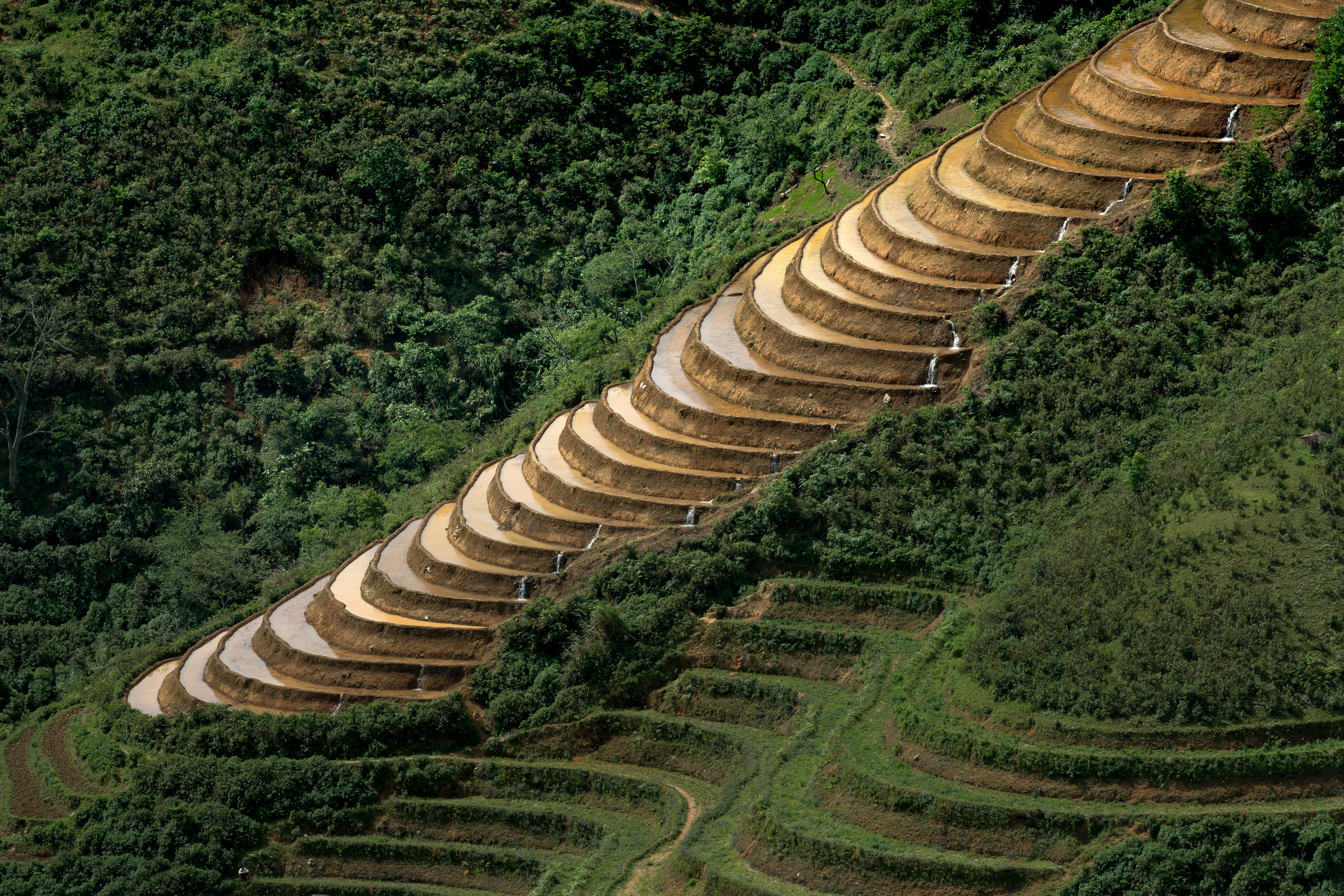
High-elevation farming presents a distinct set of challenges that lowland agriculture rarely encounters. Temperature fluctuations can be extreme, with freezing nights following warm sunny days. The growing season is considerably shorter, sometimes lasting only three to four months. Ultraviolet radiation intensifies with altitude, affecting plant development and stress responses. Soil conditions differ markedly, often showing lower organic matter content and increased erosion risk.
Mountain farmers have adapted to these conditions for millennia, developing specialized knowledge about which crops thrive in their specific microclimates. Seed saving at high elevations is not merely a tradition—it’s a survival strategy that ensures food sovereignty and preserves genetic diversity adapted to extreme conditions.
The importance of maintaining locally adapted seed varieties becomes even more critical as climate change accelerates. Temperature shifts, altered precipitation patterns, and increased weather volatility threaten conventional agricultural systems. Mountain communities possessing resilient seed stocks serve as guardians of agricultural biodiversity that may prove invaluable for future food production worldwide.
The Science Behind Altitude-Adapted Seeds
Plants cultivated at high elevations undergo significant physiological adaptations over generations. These adaptations are encoded in their genetic material, making saved seeds increasingly valuable for maintaining crop resilience. Understanding these mechanisms helps farmers make informed decisions about seed selection and preservation.
Genetic Adaptations in Mountain Crops
Seeds from high-altitude plants develop specific traits that enable survival in challenging environments. Enhanced cold tolerance allows germination and growth at temperatures that would damage lowland varieties. Accelerated maturation timing enables crops to complete their lifecycle within compressed growing windows. Increased UV resistance protects cellular structures from radiation damage.
Drought resilience often develops even in regions with adequate moisture, as mountain soils frequently drain rapidly and plants must efficiently utilize available water. Root systems adapt to rocky, shallow soils by developing specialized structures that maximize nutrient uptake. These characteristics are passed through generations when farmers save and replant seeds from their best-performing plants.
Epigenetic Factors and Environmental Memory
Recent research has revealed that plants can pass environmental “memories” to subsequent generations through epigenetic mechanisms. When parent plants experience stress—cold snaps, drought, or pest pressure—they may transfer adaptive responses to their offspring without changing the underlying DNA sequence.
This phenomenon has profound implications for high-elevation seed saving. Seeds collected from plants that successfully weathered challenging seasons may produce offspring better prepared for similar stresses. This inherited resilience complements genetic selection, creating robust crop populations specifically calibrated to local mountain conditions.
🌱 Selecting the Right Crops for High-Altitude Cultivation
Not all crops are suitable for mountain agriculture, but many traditional varieties have proven their worth across generations. Identifying appropriate species and cultivars is the foundation of successful high-elevation seed saving.
Traditional Mountain Crops Worth Preserving
Quinoa stands as perhaps the most renowned high-altitude crop, originating in the Andes Mountains where it thrives at elevations exceeding 4,000 meters. This pseudocereal offers complete protein and exceptional nutritional value while tolerating frost, poor soils, and drought. Amaranth shares similar characteristics and adaptation capabilities.
Potatoes were domesticated in high-altitude regions and remain ideally suited to mountain cultivation. Thousands of traditional varieties exist, each adapted to specific elevation ranges and microclimates. Saving potato seed (true seed, not tubers) preserves genetic diversity and enables continued adaptation.
Hardy brassicas including kale, cabbage, and mustards perform admirably at elevation. These cold-tolerant vegetables often improve in flavor after frost exposure. Legumes like fava beans and certain pea varieties provide nitrogen fixation benefits while producing nutritious yields in shorter growing seasons.
Ancient grains such as barley, rye, and emmer wheat have sustained mountain communities for centuries. These cereals tolerate cold temperatures and marginal soils while providing essential carbohydrates and nutrients. Root vegetables including turnips, radishes, and carrots adapt well to rocky mountain soils.
Identifying Resilient Varieties Within Species
Within each crop species, significant variation exists between cultivars. Selecting varieties specifically bred or adapted for high elevations dramatically improves success rates. Look for descriptors indicating cold tolerance, short days to maturity, and frost resistance when choosing initial seed stocks.
Heirloom and landrace varieties often outperform modern hybrids at altitude because they possess broader genetic diversity and may have undergone generations of selection in similar environments. These open-pollinated varieties also produce viable seeds that maintain their characteristics, unlike F1 hybrids which don’t breed true.
Essential Techniques for Mountain Seed Saving
Proper seed saving techniques ensure viability, maintain genetic diversity, and improve crop adaptation over time. High-elevation environments require special considerations compared to lowland seed saving practices.
Timing Your Seed Harvest
Determining optimal harvest timing is critical at high elevations where early frost may threaten seed maturity. Seeds must reach physiological maturity—the point where they’ve achieved maximum dry weight and viability—before collection. Immature seeds show poor germination rates and reduced vigor.
Visual indicators vary by crop but generally include color change, seed coat hardening, and natural drying of seed pods or fruits. For many vegetables, waiting until plants naturally begin drying and browning ensures seed maturity. However, gardeners must balance maturity against weather threats that could damage or destroy seed crops.
In regions with unpredictable autumn weather, selecting the earliest-maturing plants for seed production provides a safety margin. This practice also gradually shifts population genetics toward earlier maturation—a beneficial adaptation for short mountain growing seasons.
Processing and Cleaning Seeds for Storage
Proper processing prevents mold, disease, and reduced viability during storage. After harvest, seeds must be cleaned to remove chaff, plant material, and damaged seeds. Dry processing works for beans, grains, and seeds that naturally dry on the plant. Thresh by hand or in containers, then winnow to separate seeds from debris.
Wet processing suits tomatoes, cucumbers, melons, and other fleshy fruits. Fermentation for 2-4 days removes germination-inhibiting gel, kills some seed-borne diseases, and separates viable seeds from pulp. Rinse thoroughly and dry completely before storage.
Drying is particularly crucial at high elevations where humidity may be lower but temperature fluctuations greater. Spread seeds in thin layers on screens or paper, ensuring good air circulation. Seeds must reach moisture content below 8% for safe long-term storage—they should snap or shatter rather than bend when fully dry.
📦 Optimal Storage Conditions for Mountain Environments
Storage conditions dramatically affect seed longevity. Mountain climates offer both advantages and challenges for seed preservation, requiring thoughtful management of storage environments.
Temperature and Humidity Management
The general rule for seed storage is cool and dry—for each 1% decrease in seed moisture content or 5°F decrease in temperature, seed lifespan doubles. Mountain homes often experience significant temperature variations between day and night, and between seasons.
Store seeds in the coolest, most stable location available. Root cellars, unheated storage rooms, or even buried containers can provide consistent conditions. Avoid areas near heat sources or subject to direct sunlight. Refrigeration extends viability for most seeds, though some tropical species don’t tolerate cold storage.
Control moisture through proper containers and desiccants. Glass jars with tight-fitting lids work excellently for seed storage. Adding silica gel packets or powdered milk wrapped in tissue absorbs residual moisture. Monitor humidity with hygrometers, aiming for storage environments below 40% relative humidity.
Container Selection and Organization
Choose storage containers that protect against moisture, pests, and light while allowing easy organization. Glass jars offer visibility and pest protection. Metal tins provide light blocking and durability. Paper envelopes work well inside secondary containers but don’t protect against humidity or pests alone.
Label meticulously with crop name, variety, harvest year, and any relevant notes about plant characteristics or growing conditions. This information becomes invaluable when selecting seeds for future planting or sharing with other gardeners. Maintain a separate written or digital catalog as backup documentation.
Organize seeds logically—by plant family, planting time, or crop type. This system simplifies garden planning and crop rotation while making it easy to assess your seed collection at a glance.
🌾 Building Adaptation Through Selection
Strategic seed saving gradually improves crop performance in your specific high-altitude location. This process mimics natural selection but with human guidance toward desirable traits.
Selecting for Desired Characteristics
Save seeds only from plants exhibiting the qualities you want to perpetuate. For mountain gardens, prioritize cold tolerance, early maturity, disease resistance, and productivity. Allow multiple plants to contribute to your seed stock rather than selecting from a single individual—this maintains genetic diversity and prevents inbreeding depression.
Observe plants throughout the growing season, marking superior individuals before harvest. Look for vigorous growth, pest and disease resistance, and ability to withstand weather stresses. Harvest timing matters—save seeds from the earliest-maturing plants if short growing seasons are problematic, or from the latest if you want extended harvest periods.
Taste and quality should guide selection for food crops. The most beautiful vegetable means little if flavor disappoints. Regularly evaluate eating quality and save seeds from the best-tasting specimens.
Maintaining Genetic Diversity
While selection improves specific traits, maintaining genetic diversity ensures populations can adapt to changing conditions and resist disease outbreaks. Save seeds from at least 20-50 plants when possible, especially for cross-pollinating crops.
Practice population maintenance by growing out portions of your seed stock regularly. This prevents genetic bottlenecks and allows continued selection. For small-scale growers, seed swapping with other mountain farmers broadens genetic resources while maintaining altitude adaptation.
Understand the pollination biology of your crops. Self-pollinating crops like beans, peas, tomatoes, and lettuce are easiest for beginners because varieties remain true without isolation. Cross-pollinating crops including squash, corn, and brassicas require isolation distances or other techniques to prevent unwanted hybridization.
Community Seed Saving and Knowledge Exchange
Individual efforts become exponentially more powerful when mountain farmers collaborate on seed saving initiatives. Community programs preserve greater diversity, share workload, and transmit traditional knowledge.
Establishing Local Seed Libraries
Seed libraries function like lending libraries but for seeds. Members check out seeds in spring, grow crops, save seeds, and return portions to the library collection. This system increases access to diverse, locally adapted varieties while building community connections around food production.
High-elevation regions benefit particularly from seed libraries that focus on altitude-appropriate varieties. Curate collections emphasizing cold-hardy, short-season crops proven in mountain conditions. Document plant performance through member feedback, creating valuable local knowledge bases.
Organize workshops, seed swaps, and garden tours to share techniques and inspire participation. These gatherings strengthen community resilience while preserving agricultural heritage. Experienced seed savers mentor newcomers, ensuring traditional skills pass to younger generations.
Documenting Traditional Knowledge
Indigenous and long-term mountain communities possess irreplaceable knowledge about crop cultivation, seed saving, and land stewardship. This wisdom represents centuries of observation, experimentation, and adaptation. Unfortunately, such knowledge often remains oral and undocumented, vulnerable to loss as older generations pass.
Recording traditional practices through interviews, video documentation, and written records preserves this heritage. Include not just techniques but the cultural context, stories, and reasoning behind practices. Respect intellectual property rights and community preferences regarding knowledge sharing.
Combine traditional knowledge with modern scientific understanding to create robust, culturally appropriate seed saving programs. This integration honors ancestral wisdom while leveraging contemporary tools and research.
🌍 Climate Change and the Increasing Value of Mountain Seeds
As global temperatures rise and weather patterns become less predictable, high-elevation seeds represent crucial genetic resources for agriculture worldwide. The traits that enable mountain crops to thrive in challenging conditions may prove essential for lowland farming’s future.
Mountain Crops as Climate Adaptation Tools
Crops adapted to high-altitude conditions already possess many characteristics needed for climate-resilient agriculture. Drought tolerance, efficient water use, ability to withstand temperature extremes, and compressed growing periods all become increasingly valuable as climate change progresses.
Researchers and plant breeders increasingly look to mountain landraces and traditional varieties as sources of resilience genes. These crops provide genetic material for developing new varieties suited to changing conditions. However, this potential depends on maintaining living seed collections and the farmers who steward them.
Lowland farmers can learn from mountain seed saving practices as their regions experience more extreme weather, shorter effective growing seasons, and increased unpredictability. The careful observation, rigorous selection, and flexibility that characterize high-elevation agriculture offer valuable lessons for adaptation.
Protecting Agricultural Biodiversity
Industrial agriculture’s emphasis on genetic uniformity and high-input systems has dramatically reduced crop diversity worldwide. Thousands of traditional varieties have disappeared, taking with them unique genetic adaptations accumulated over generations. This genetic erosion leaves food systems vulnerable to pests, diseases, and environmental changes.
Mountain seed savers serve as conservation stewards, maintaining agricultural biodiversity in functional farming systems. Unlike gene banks that store seeds in frozen repositories, on-farm conservation allows continued adaptation and evolution. Seeds remain connected to cultural practices, culinary traditions, and ecological knowledge.
Supporting mountain farmers and seed saving initiatives represents a strategic investment in food security. These programs preserve options for future agriculture while maintaining current livelihoods and food sovereignty in mountain communities.
Practical Steps to Begin High-Elevation Seed Saving
Starting a seed saving practice need not be overwhelming. Begin modestly with easy crops, gradually expanding as you gain experience and confidence. The learning process itself proves rewarding, connecting you deeply to the food you grow and the land you steward.
Beginner-Friendly Crops
Start with self-pollinating crops that don’t require isolation and produce seeds relatively easily. Beans and peas are ideal—simply allow pods to mature and dry on the plant, then shell and store. Tomatoes require wet processing but are straightforward. Lettuce produces abundant seed with minimal effort if allowed to bolt and dry.
Once comfortable with basics, progress to slightly more complex crops. Squash family plants cross-pollinate but grow vigorously and produce obvious seeds. Brassicas like kale and broccoli are biennial in most climates but may complete their cycle in a single season at some high elevations.
Creating a Seed Saving Plan
Develop a multi-year plan that gradually builds your seed collection and skills. Select 2-3 easy crops the first year, focusing on mastering techniques. Add new species annually while continuing to maintain established varieties. Track which plants you save from, results when planted, and observations about adaptation.
Calculate how many plants you need to grow for seed based on pollination type and desired genetic diversity. Plan garden space accordingly, as seed crops often require more room than those grown only for food. Coordinate with other local growers to share responsibility for maintaining different varieties.
Consider seasonal realities of your specific location. Some biennials won’t produce seeds without vernalization (cold period), while others may complete their lifecycle too quickly at altitude. Research crop requirements and adjust expectations accordingly.
🌿 Beyond the Garden: The Cultural Dimensions of Seed Saving
Seed saving transcends practical agriculture to encompass cultural identity, community connection, and philosophical relationship with food and land. For mountain communities, seeds often carry deep cultural significance tied to heritage, tradition, and place.
Traditional varieties frequently connect to specific festivals, ceremonies, or seasonal celebrations. Particular crops may be associated with family histories, migration stories, or ancestral lands. Maintaining these varieties preserves not just genetic material but cultural continuity and identity.
The act of saving seeds embodies values increasingly important in our disconnected modern world—patience, observation, humility before natural processes, and responsibility toward future generations. These practices ground us in cycles larger than individual lifespans, connecting past and future through present action.
Teaching children seed saving skills passes forward both practical knowledge and important values. Young people who understand where food comes from and how to produce it gain confidence, ecological literacy, and meaningful connection to living systems. These lessons serve them regardless of their future paths.
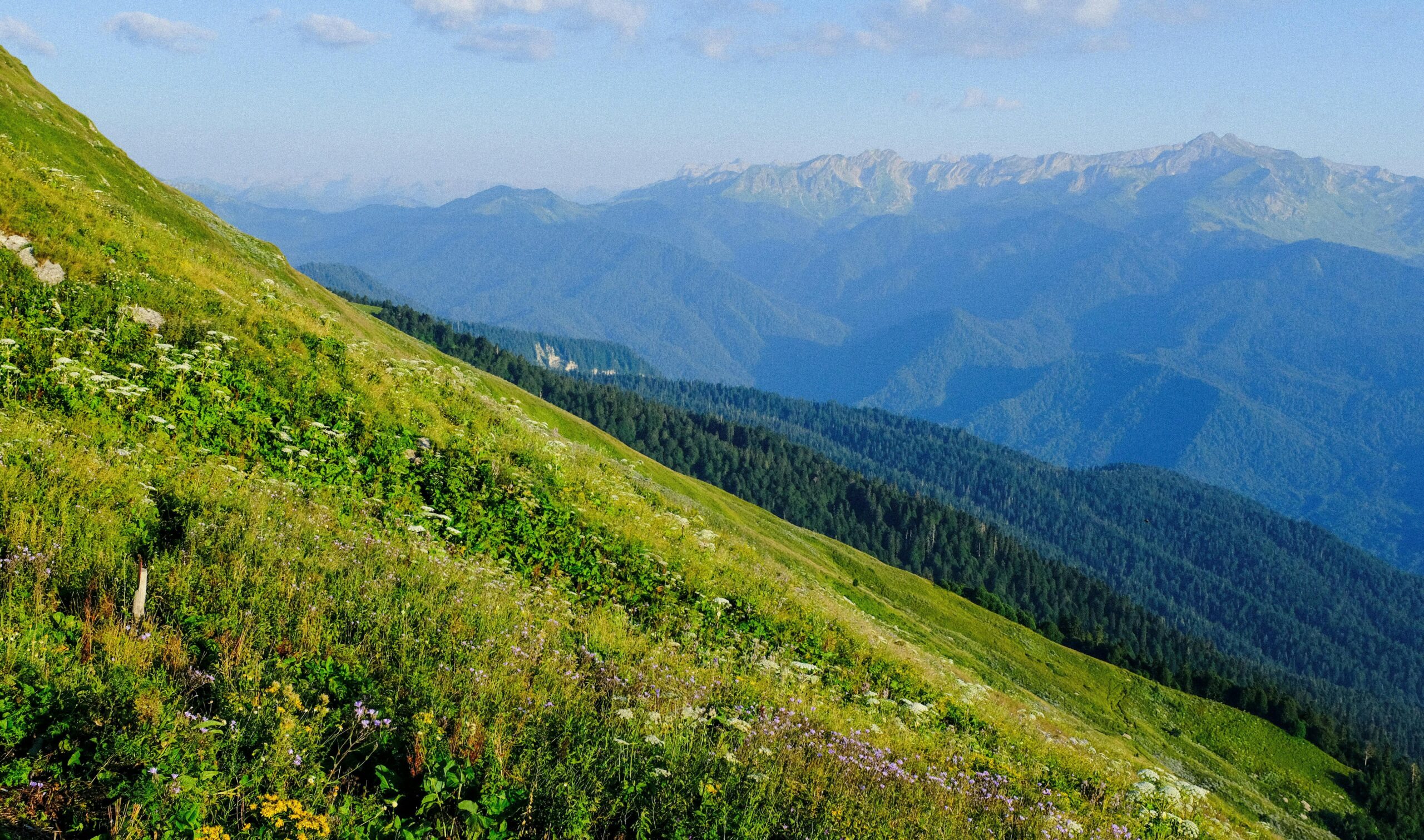
Looking Forward: The Future of Mountain Agriculture
High-elevation seed saving stands at the intersection of tradition and innovation, local knowledge and global importance, small-scale practice and large-scale impact. As climate challenges intensify and food system vulnerabilities become more apparent, the work of mountain seed savers gains recognition and urgency.
Supporting these efforts requires multiple approaches—direct financial support for farmer seed saving programs, policy protection for seed sovereignty and farmer rights, research partnerships that respect traditional knowledge, and market development for unique heritage varieties that rewards stewardship economically.
The seeds preserved in mountain communities today may prove essential for feeding humanity tomorrow. Beyond their practical value, they represent resilience, adaptation, and hope—tangible connections between past wisdom and future possibility, cultivated through the patient work of farmers who understand that the best time to plant seeds is always now.
Whether you farm at high elevation or simply want to support resilient food systems, engaging with seed saving connects you to something fundamental. Each seed carries within it not just a plant’s blueprint but the promise of nourishment, the memory of adaptation, and the potential for continued evolution. In saving seeds, we save possibilities—for ourselves, our communities, and generations yet to come.