Climate change is reshaping the lives of alpine farmers in ways once thought impossible, forcing entire communities to rethink centuries-old agricultural traditions.

The pristine slopes that have nurtured mountain agriculture for generations are undergoing dramatic transformations. Rising temperatures, unpredictable precipitation patterns, and shrinking glaciers are fundamentally altering the agricultural landscape across alpine regions worldwide. From the Swiss Alps to the Himalayas, farmers who once relied on consistent seasonal patterns now face unprecedented challenges that demand innovative solutions and adaptive strategies.
This transformation isn’t merely about warmer temperatures—it represents a complete reimagining of what mountain farming can and must become in the face of environmental upheaval. The story of alpine agriculture’s evolution offers valuable insights into humanity’s broader struggle to adapt to our changing climate.
🏔️ The Vanishing Snow: Understanding Alpine Climate Shifts
Alpine environments are experiencing climate change at nearly twice the global average rate. Temperature increases in mountain regions have accelerated dramatically over the past three decades, with some areas witnessing warming rates exceeding 0.5°C per decade. This disproportionate impact makes alpine zones particularly sensitive indicators of global climate trends.
The most visible change is the reduction in snow cover duration. Across the European Alps, the snow season has shortened by an average of 22 days since the 1970s. Lower elevation areas—traditionally the sweet spot for alpine farming—are experiencing even more dramatic reductions, with some regions losing up to 38 days of snow cover annually.
Glacial retreat compounds these challenges. The Alps have lost approximately 60% of their glacier volume since 1850, with acceleration in recent decades. These frozen water reservoirs historically provided consistent meltwater throughout growing seasons, but their disappearance threatens water security for alpine agricultural communities.
Precipitation Patterns in Flux
Beyond temperature and snow, precipitation patterns are becoming increasingly erratic. Alpine regions are experiencing more intense rainfall events separated by longer dry periods. This volatility creates challenges for crop planning and increases risks of both flooding and drought within single growing seasons.
Winter precipitation increasingly falls as rain rather than snow at mid-elevations, fundamentally altering the hydrological cycle that mountain ecosystems depend upon. This shift affects not only water availability but also soil stability, pest dynamics, and plant phenology.
🌾 Traditional Practices Under Pressure
For centuries, alpine farmers developed sophisticated agricultural systems perfectly adapted to harsh mountain conditions. These time-tested practices are now being challenged by rapidly shifting environmental parameters.
Traditional transhumance—the seasonal movement of livestock between valleys and high pastures—depended on predictable snow melt timing. Farmers historically moved animals to alpine meadows in early summer when snow retreated and vegetation flourished. Today, inconsistent conditions make timing these movements increasingly difficult, with late springs followed by early heat waves creating compressed grazing windows.
Heritage crop varieties selected over generations for cold tolerance and short growing seasons face new pressures. While warming might seem advantageous, the reality is more complex. Traditional varieties often lack resistance to pests and diseases now migrating upslope, and sudden temperature fluctuations can devastate crops adapted to stable cold conditions.
The Economic Squeeze
Mountain farming was never economically easy, but climate change intensifies financial pressures. Unpredictable weather increases crop failure risks, making agricultural insurance more expensive or unavailable. Infrastructure designed for different climate conditions requires costly adaptation—irrigation systems where none were needed, protective structures against new weather extremes, and equipment for managing changed conditions.
Many alpine farming communities already operated on thin margins, with younger generations migrating to urban centers for better opportunities. Climate uncertainty accelerates this demographic challenge, threatening the cultural continuity of mountain agricultural traditions.
🌱 Adaptive Innovations: Farming’s New Frontier
Despite daunting challenges, alpine farmers are demonstrating remarkable resilience through innovative adaptations that blend traditional wisdom with modern agricultural science.
Crop diversification has emerged as a primary strategy. Farmers are introducing heat-tolerant varieties alongside traditional cold-adapted crops, creating portfolio approaches that hedge against climate variability. In the Swiss Alps, farmers experiment with crops previously impossible at high elevations—including certain apple varieties, soybeans, and even modest wine grape cultivation.
Agroforestry systems are gaining traction as farmers recognize trees’ multiple benefits: microclimate regulation, soil stabilization, windbreaks, and additional income streams. These integrated systems create more resilient agricultural landscapes better equipped to handle climate extremes.
Technological Integration
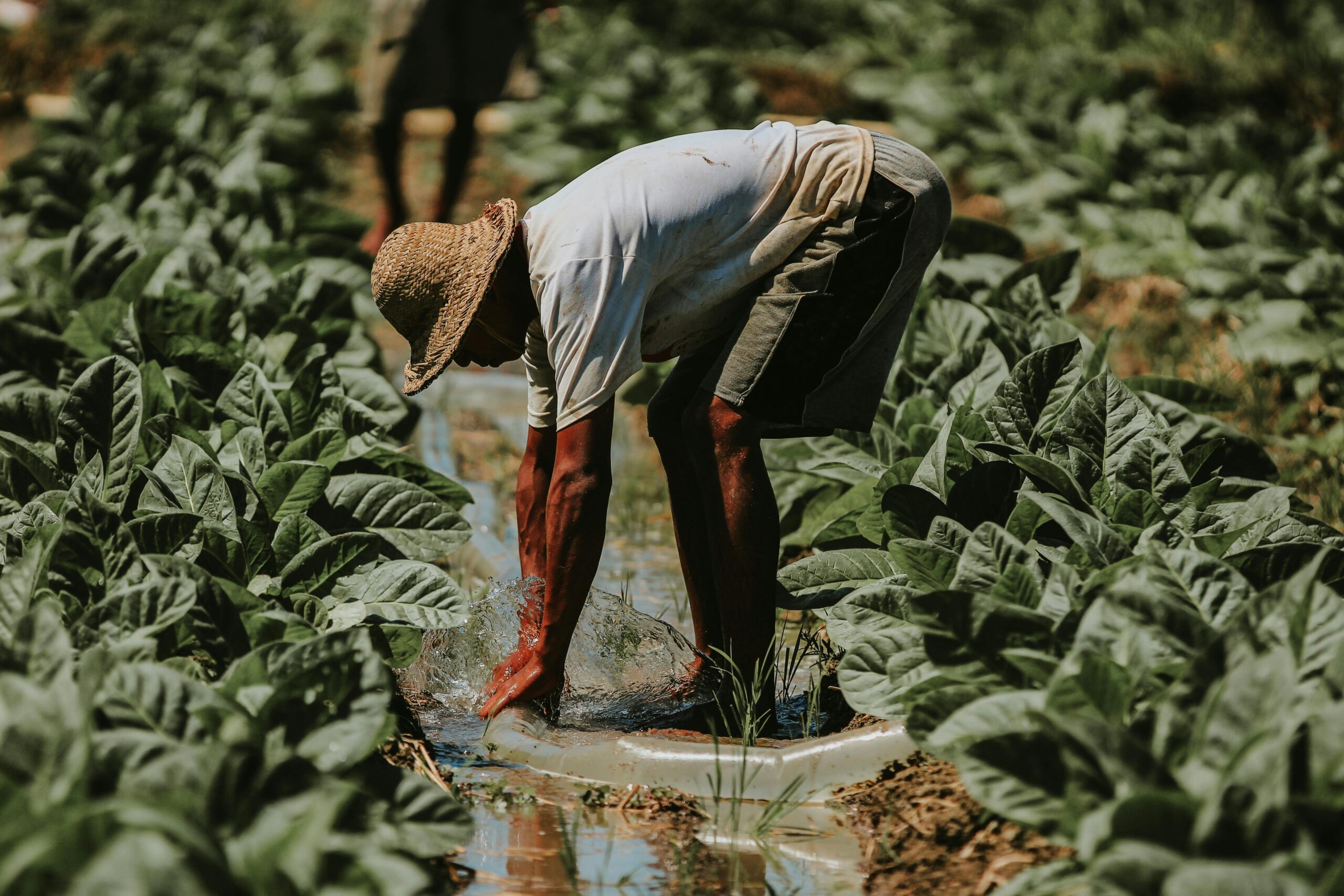
Modern technology offers tools that help farmers navigate uncertainty. Weather monitoring systems provide hyperlocal forecasts crucial for decision-making in mountainous terrain where conditions vary dramatically across short distances. Soil moisture sensors optimize irrigation, conserving increasingly precious water resources.
Precision agriculture techniques—once exclusively associated with large-scale lowland farming—are being adapted for mountain contexts. GPS-guided equipment, drone imagery for pasture assessment, and data analytics help farmers make informed decisions despite environmental unpredictability.
💧 Water: The Critical Resource
Water management has become the defining challenge for alpine agriculture. As glaciers retreat and snowpack diminishes, farmers must fundamentally rethink water access and storage strategies.
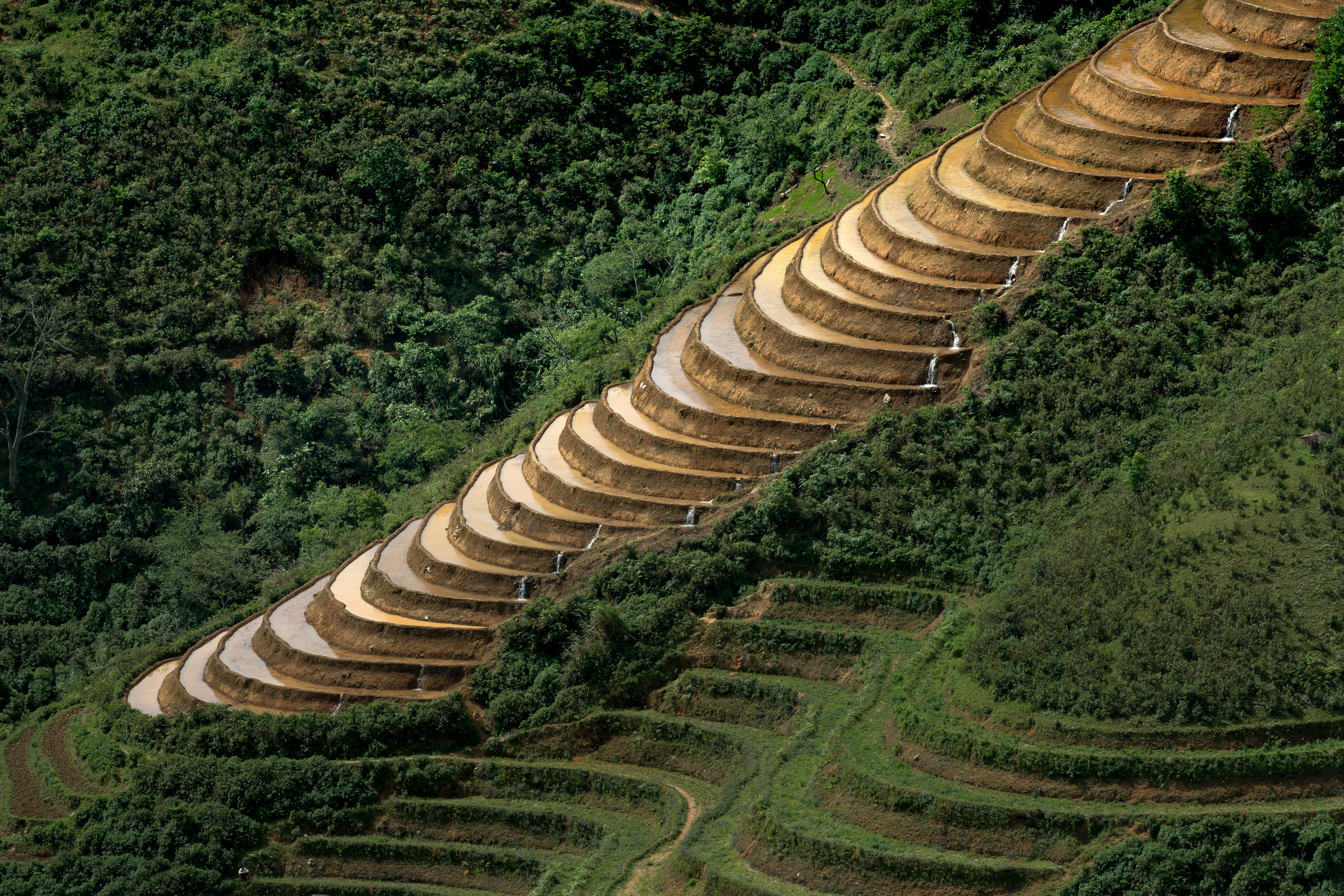
Traditional gravity-fed irrigation systems that channeled glacial meltwater through centuries-old networks require redesign. Some communities invest in reservoir construction to capture spring precipitation for summer use. Others implement sophisticated drip irrigation systems that maximize water efficiency—technologies once considered unnecessary in water-abundant mountain environments.
Water rights—historically straightforward in regions of abundance—now spark conflicts between agricultural, municipal, and ecological needs. Farmers increasingly participate in watershed management cooperatives, recognizing that sustainable water use requires coordinated regional approaches rather than individual solutions.
The Groundwater Question
Some farmers explore groundwater access as surface water becomes less reliable. However, alpine groundwater systems remain poorly understood, and excessive extraction risks long-term depletion. Balancing immediate agricultural needs against sustainable resource management presents complex technical and ethical challenges.
🐄 Livestock Adaptations and Pasture Management
Alpine livestock farming faces distinct climate pressures requiring specialized responses. Extended grazing seasons might appear beneficial, but reality proves complicated.
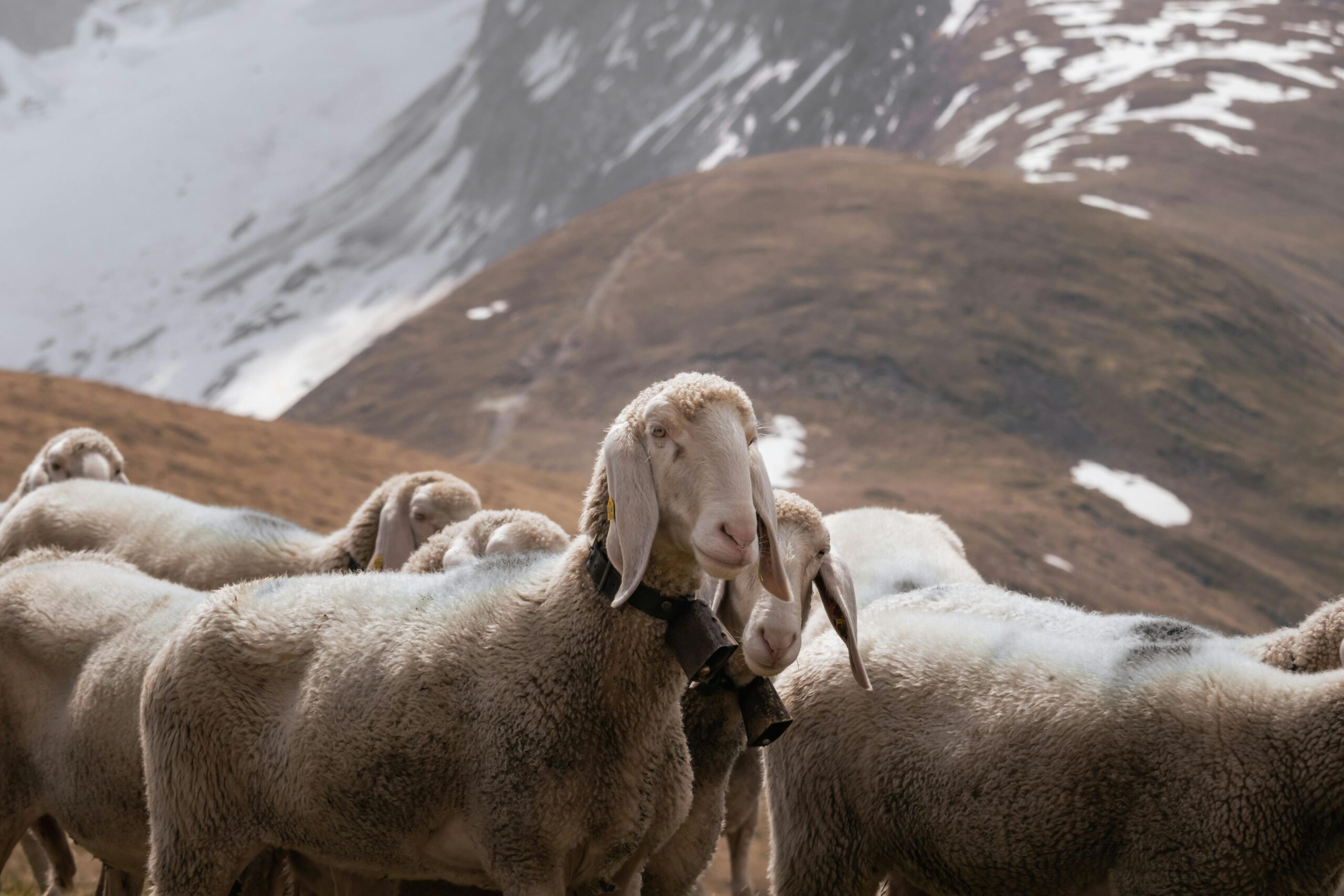
Higher temperatures stress animals adapted to cool conditions. Heat-tolerant breeds are being considered, though this raises concerns about maintaining genetic diversity in heritage alpine livestock breeds valued for their unique adaptations and cultural significance.
Pasture composition is shifting as warming enables new plant species to colonize high elevations while traditional alpine vegetation struggles. These botanical changes affect forage quality and nutritional value, requiring adjusted feeding strategies and potentially supplemental nutrition.
Parasites and diseases previously limited by cold temperatures now threaten alpine livestock. Farmers implement new veterinary protocols and monitoring systems to protect animal health against these emerging threats.
Grazing Strategy Evolution
Rotational grazing systems are being refined to prevent overgrazing in areas where vegetation growth patterns have changed. Some farmers reduce herd sizes to match altered carrying capacities, while others extend grazing territories—where available—to distribute pressure across larger areas.
Remote pasture monitoring using cameras and sensors helps farmers track conditions and animal welfare without constant physical presence, crucial for managing dispersed herds across challenging terrain.
🌍 Biodiversity and Ecosystem Services
Alpine farmers increasingly recognize their role as biodiversity stewards. Mountain ecosystems harbor exceptional biodiversity adapted to specific elevation zones. As climate change shifts these zones upward, species with nowhere left to go face extinction risks.
Progressive farmers incorporate biodiversity conservation into farm planning. Maintaining wildflower meadows, creating habitat corridors, and preserving wetlands provide ecosystem services—pollination, pest control, water filtration—that support agricultural productivity while protecting ecological integrity.
Some regions develop payment schemes for ecosystem services, compensating farmers for conservation management that benefits society broadly. These programs provide alternative income streams while incentivizing sustainable practices.
📚 Knowledge Exchange and Community Resilience
No farmer faces climate change alone. Across alpine regions, formal and informal knowledge networks enable experience sharing and collective problem-solving.
Agricultural extension services refocus on climate adaptation, providing farmers with research-based recommendations for new crop varieties, management techniques, and technology adoption. Field demonstrations allow farmers to observe innovations before committing resources.
Farmer-to-farmer exchanges prove particularly valuable. Visiting operations in different regions or elevation zones exposes farmers to solutions they can adapt for their circumstances. International networks connect alpine farmers across continents, recognizing that Swiss farmers might learn from Himalayan counterparts and vice versa.
Intergenerational Knowledge Transfer
Young farmers bring fresh perspectives and technological fluency, while elder farmers possess irreplaceable ecological knowledge accumulated over decades. Bridging this generational gap ensures that climate adaptation builds on traditional wisdom rather than abandoning it.
Some regions establish mentorship programs pairing experienced farmers with newcomers, facilitating knowledge transfer while supporting business succession as older farmers retire.
🏛️ Policy and Support Systems
Individual farmer efforts require supportive policy frameworks to succeed at scale. Governments and agricultural organizations are developing programs specifically addressing alpine climate adaptation needs.
Financial assistance mechanisms help farmers invest in adaptation infrastructure—irrigation systems, protective structures, new equipment—that might otherwise be prohibitively expensive. Subsidized crop insurance programs cushion economic shocks from climate-related losses.
Research funding increasingly targets mountain agriculture challenges, developing climate-resilient crop varieties, sustainable management practices, and technological solutions tailored for alpine conditions.
Land-use policies are being revisited to accommodate changing agricultural possibilities. Regulations protecting high-elevation ecosystems must balance conservation with farmers’ needs to adjust operations in response to climate shifts.
🔮 Looking Toward Tomorrow’s Alpine Agriculture
The future of alpine farming will look dramatically different from its past, but these changes need not mean the end of mountain agricultural traditions. Rather, they represent evolution—painful, challenging, but potentially sustainable.
Some projections suggest certain mid-elevation areas might become more agriculturally productive as temperatures moderate historically harsh conditions. This potential requires careful management to avoid unsustainable expansion into sensitive ecosystems while supporting farming communities.
Climate change may redistribute agricultural potential across mountain landscapes, with some areas becoming less viable while others open new possibilities. Adaptive farmers positioned to capitalize on these shifts while respecting ecological limits will shape alpine agriculture’s next chapter.
Technology will continue advancing, offering tools unimaginable to previous generations of mountain farmers. Artificial intelligence could optimize complex decisions across multiple variables, while biotechnology might develop crop varieties specifically engineered for changing alpine conditions.
Cultural Identity and Agricultural Heritage
Beyond economic and ecological dimensions, alpine farming represents profound cultural heritage. Mountain agricultural landscapes embody centuries of human-environment interaction, shaping regional identities and traditions.
Ensuring this cultural continuity amid transformation requires honoring the past while embracing necessary change. Farmers who successfully navigate this balance become living bridges between heritage and innovation, proving that adaptation need not mean abandonment of identity.
🤝 A Collective Challenge Requiring Collective Response
The transformation of alpine agriculture from snow to sun isn’t just a mountain problem—it’s a microcosm of global climate adaptation challenges. The resilience, creativity, and determination of alpine farming communities offer lessons applicable far beyond mountain slopes.
Supporting these farmers means recognizing that affordable food depends on sustainable agricultural systems worldwide. It means valuing the ecosystem services mountain landscapes provide—water filtration, carbon storage, biodiversity conservation—that benefit society broadly.
Consumer choices matter. Purchasing products from alpine farms, supporting agritourism in mountain regions, and advocating for policies that assist climate adaptation all contribute to ensuring mountain agricultural communities can continue their vital work.
The journey from snow to sun reshapes every aspect of alpine farming, challenging farmers to reinvent practices while maintaining the essence of mountain agriculture. This transformation is ongoing, uncertain, and demanding—but alpine farmers have always been tough, resourceful, and deeply connected to their land. These qualities, combined with scientific support, community solidarity, and appropriate policies, provide hope that alpine farming can successfully navigate climate change and continue thriving for generations to come. The peaks may be warming, but the spirit of mountain agriculture remains resilient, adapting as it always has to whatever conditions the environment presents. 🏔️